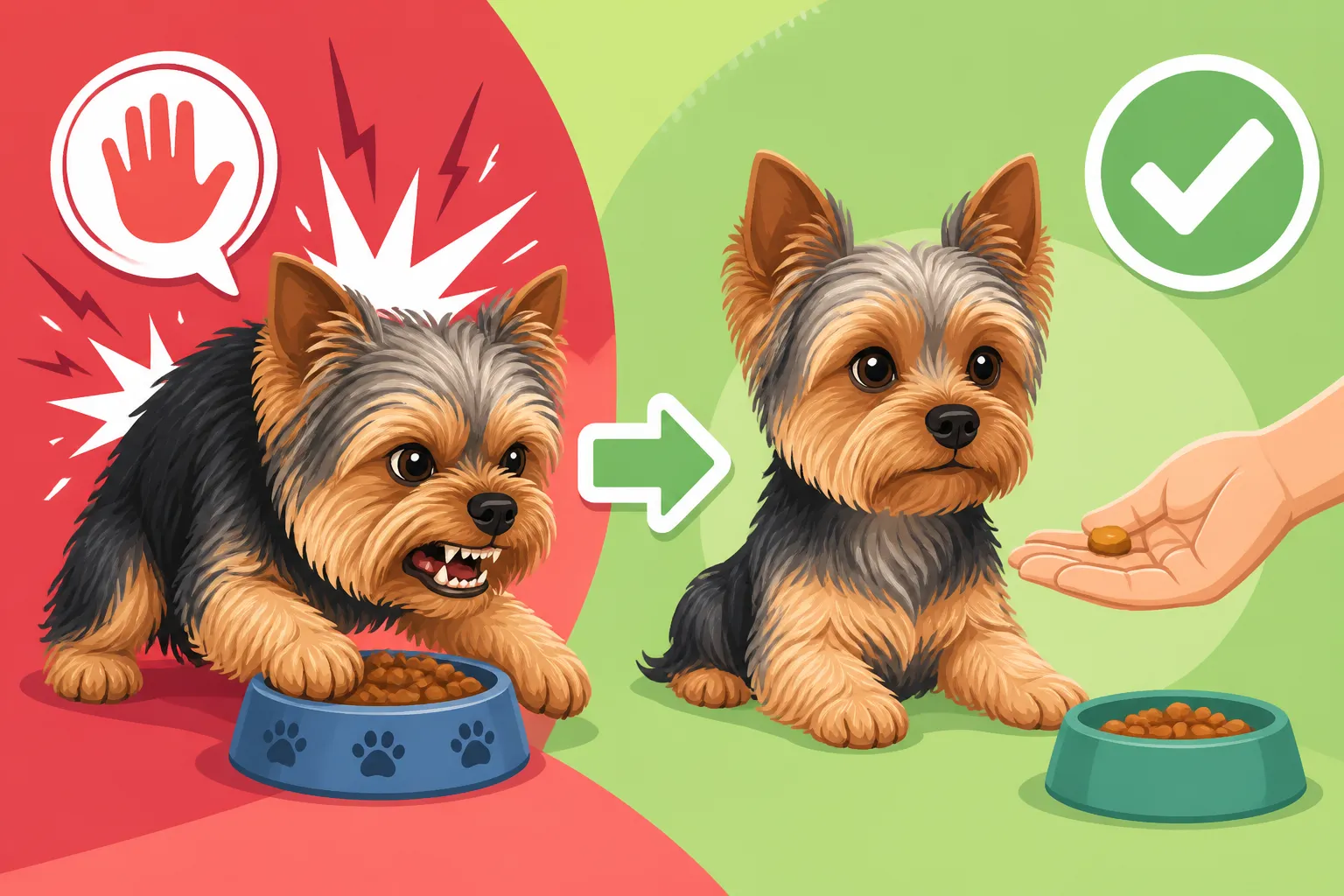
How to Stop Yorkie Resource Guarding
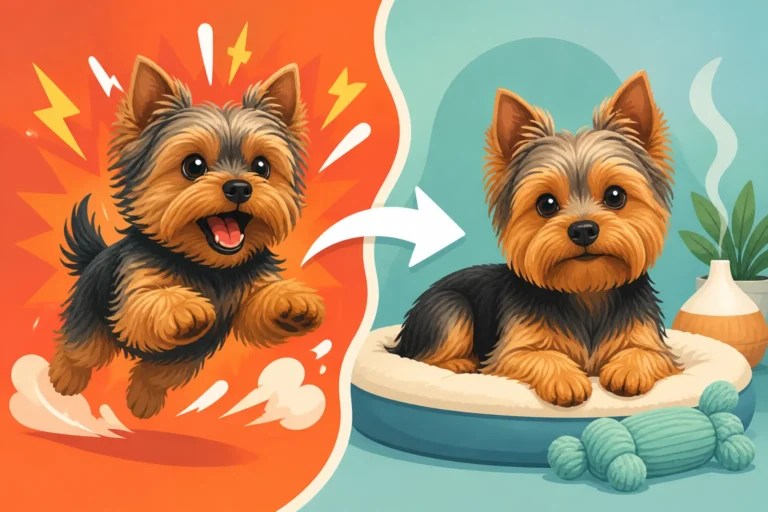
It’s incredibly disheartening when your sweet, loving Yorkshire Terrier suddenly turns into a growling, teeth-baring little tyrant over a chew toy or their dinner bowl. This common, yet often misunderstood, behavior is called resource guarding, and it can leave you feeling frustrated, confused, and even a little scared. This guide is here to walk you through understanding why your Yorkie might be guarding their precious possessions, how to recognize the subtle and not-so-subtle signs, and most importantly, how to implement practical, positive strategies to help your furry friend feel secure enough to share.
Understanding What Resource Guarding Truly Is
When we talk about resource guarding in Yorkshire Terriers, it's not about malice or your dog being "dominant" or "bad." It's fundamentally an instinctual behavior rooted in a dog's need to protect valuable items they perceive as crucial for their survival or well-being. Think about it from their perspective: if they believe something is vital, and another creature (even you!) might take it away, their natural response is to defend it. For a tiny Yorkie, who often feels vulnerable in a big world, this instinct can be particularly strong, leading to behaviors that can range from mild to quite intense.
Defining Resource Guarding Behavior
At its core, resource guarding is when a dog displays behaviors meant to discourage others from approaching or taking an item they consider theirs. This "item" could be anything from a favorite blanket, a specific sleeping spot, a high-value chew, their food bowl, or even a person. The intensity of the guarding behavior often correlates with the perceived value of the item and the dog's underlying anxiety or insecurity. It's a spectrum, not an on-off switch, and understanding this spectrum is key to effective intervention.
For instance, a Yorkie might stiffen their body and freeze as you walk by their toy, which is a subtle, early sign. This could escalate to a low growl, a snarl, a snap in the air, or, in more severe cases, a direct bite if the perceived threat continues to approach. It’s crucial to recognize that these are all forms of communication from your dog, indicating their discomfort and their attempt to create distance or make you back off. They are not trying to be defiant; they are trying to protect what they feel is theirs.
Common Triggers for Yorkie Resource Guarding
Yorkies are small dogs with big personalities, and their triggers for resource guarding can be varied. Often, it's linked to their history, especially if they came from a challenging background, or even just their innate temperament. Food is a classic trigger; many dogs will guard their kibble or special treats. Toys, particularly new or highly favored ones, are another common object of contention. Sometimes, a Yorkie might guard a specific bed, a favorite chair, or even their human – preventing others (including other pets or family members) from approaching.
Consider a scenario where you've just given your Yorkie a delicious bully stick. If you then approach them, even with good intentions, they might perceive you as a threat to their prized possession. Perhaps they were once in a situation where food was scarce, or they had to compete with other animals. These past experiences can hardwire a strong guarding instinct, making them hyper-vigilant about their resources. Even if your Yorkie has always been well-fed and loved, an inherent predisposition, combined with a momentary feeling of insecurity, can spark this behavior.
Identifying Resource Guarding Behavior
Spotting resource guarding early is vital for addressing it effectively. Sometimes the signs are overt, like a full-blown growl, but often, they start much more subtly. Learning to read your Yorkie's body language is like learning their unique language, allowing you to intervene before the situation escalates. Ignoring the early signals can inadvertently teach your Yorkie that they need to escalate their warnings to be understood, making the problem harder to manage down the line.
Subtle Versus Overt Signs
Subtle signs are your Yorkie's quiet whispers of discomfort. These can include:
- Freezing: Your Yorkie suddenly becomes very still, perhaps holding their breath, when you approach their guarded item.
- Stiffening: Their body posture becomes rigid, almost like they're bracing for impact.
- Hard Stare: They might fix you with an intense, unblinking stare, often accompanied by a low head posture.
- Body Blocking: They might physically position their body between you and the resource, even if it's just leaning over their food bowl more.
- Increased Eating/Chewing Speed: Suddenly gulping down their food or chewing frantically when you come near, as if to finish before you can take it.
- Darting Away: Grabbing the item and quickly moving to another location, trying to create distance.
Overt signs are much more pronounced and serve as clear warnings:
- Growling: A low rumble that can escalate in volume and intensity.
- Snarling: Lifting their lips to show teeth, often accompanied by a wrinkled nose.
- Air Snapping: A quick snap of the jaws in the air, a clear warning without making contact.
- Nipping or Biting: Contact made, ranging from a quick nip that doesn't break skin to a full bite.
- Lunging: Quickly moving towards you with an aggressive posture, even if they don't make contact.
It's important to never punish these overt signs. While they can be alarming, they are your dog's way of communicating distress. Punishment often suppresses the warning signs, making the dog go straight to a bite without a growl next time because they've learned their warnings are unacceptable.
Severity Levels and Contextual Nuances
Resource guarding isn't a one-size-fits-all issue; it manifests with varying degrees of intensity and in different contexts. A Yorkie might only guard a specific, high-value chew like a marrow bone, but be perfectly fine sharing their regular kibble. Another might guard their bed from other pets but not from humans. The context matters immensely.
Consider this table to help you understand the nuances:
| Resource Type | Low Severity Examples | Medium Severity Examples | High Severity Examples |
|---|---|---|---|
| Food | Freezes or eats faster when approached. | Low growl, body stiffens, snarls if hand gets too close. | Aggressive lunging, snapping, biting if approached while eating. |
| Toys | Picks up toy and moves away; subtle hard stare. | Growls, snaps in air when toy is reached for. | Bites hand when toy is grabbed; will not release. |
| Sleeping Areas | Stiffens, stares at approaching person/pet in their bed. | Growls if another pet tries to get on their bed; snarls at hand reaching for them. | Bites if disturbed while sleeping in a specific spot. |
| People | Positions themselves between the person and others. | Growls at other pets or people approaching "their" human. | Bites other pets or people who try to interact with "their" human. |
| High-Value Chews | Increases chewing speed; averts gaze. | Growls and shows teeth if person attempts to touch chew. | Attacks person trying to take chew; severe bites possible. |
Understanding these levels helps you assess the risk and choose the appropriate intervention. A Yorkie who simply freezes when you approach their food bowl requires a different approach than one who snaps and bites. If you're dealing with anything in the medium to high severity categories, or if you feel unsafe, it’s always best to consult with a professional dog trainer or veterinary behaviorist. Early intervention, focusing on positive reinforcement, is key to helping your Yorkie overcome this behavior and making sure your home is a safe and peaceful place for everyone.
Understanding the Roots of Yorkie Resource Guarding
It’s tempting to label a resource-guarding Yorkie as "naughty" or "stubborn," but that rarely gets us to the heart of the matter. This behavior, while problematic, almost always stems from a place of insecurity, fear, or ingrained instinct rather than deliberate defiance. Unpacking these roots is crucial because our solutions need to address the underlying cause, not just the outward manifestation.
Fear, Anxiety, and Insecurity
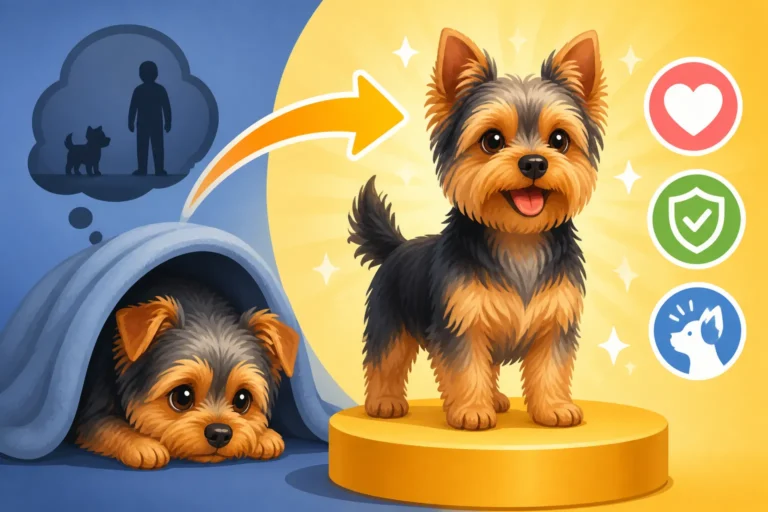
For many Yorkies, resource guarding is a direct reflection of their fear, anxiety, or general insecurity. They might worry that a valued item, whether it's their dinner, a treasured squeaky toy, or even your lap, will be taken away from them. This fear can be particularly strong in small breeds like Yorkshire Terriers, who often feel a need to overcompensate in situations where they perceive a threat due to their diminutive size. Imagine being a tiny dog in a world of giants; every interaction can feel like a potential challenge.
A Yorkie who was once in a multi-dog household where food was scarce or competitive might learn to guard their food bowl fiercely. Even if they're now in a loving home with ample resources, that initial fear can persist. This anxiety can manifest as a deep-seated belief that they must protect what is theirs at all costs. It's not about being mean; it's about feeling vulnerable and trying to control their environment to ensure their perceived safety and access to necessary items. This emotional underpinning is why punishment is so ineffective – it only increases their fear and confirms their belief that they need to guard.
Past Experiences and Genetics
A Yorkie's past experiences can profoundly shape their propensity for resource guarding. Dogs adopted from shelters or rescue organizations, especially those with unknown histories, might come with pre-existing guarding tendencies. Perhaps they were neglected, had to fight for food on the streets, or were simply never taught that humans are trustworthy with their possessions. Even if your Yorkie has been with you since puppyhood, a single negative experience – like a child accidentally (or not so accidentally) snatching a toy – can trigger the behavior.
Furthermore, genetics can play a role. Certain lines or individual dogs may have a stronger predisposition to guarding due to their inherent temperament or specific breed traits. While Yorkies are generally known for their affectionate nature, their terrier heritage also means they can be tenacious and assertive, traits that can, in some cases, contribute to guarding behaviors if not properly managed and socialized. It’s not a sentence to a lifetime of guarding, but rather a factor to be aware of. Understanding that some behaviors are partly genetic helps us approach training with more patience and realistic expectations, acknowledging that we might need more consistent and dedicated effort. For complex cases, seeking guidance from an experienced trainer, perhaps even an online program like those offered by BAXTER & Bella, can provide a structured approach tailored to your Yorkie's unique needs.
Effective Strategies to Stop Resource Guarding
Addressing resource guarding in your Yorkie requires a multi-faceted approach centered on positive reinforcement, patience, and consistency. The goal isn't to force your Yorkie to stop guarding, but to change their emotional response to your presence around their valued items, transforming fear into trust and anticipation of good things. Remember, we want them to feel safe when you approach, not threatened.
Management Techniques to Prevent Incidents
Before diving into active training, effective management is paramount. This involves structuring your environment and interactions to prevent guarding incidents from happening in the first place, thus avoiding opportunities for the behavior to be practiced and reinforced. Every time your Yorkie successfully guards a resource, they learn that the behavior "works," making it harder to extinguish.
Here are some key management strategies:
- Separate Eating Spaces: Feed your Yorkie in a designated, quiet area where they won't feel threatened or rushed. If you have multiple pets, ensure they eat in separate rooms or crates.
- High-Value Chew Management: Offer high-value chews (like bully sticks or bones) only when your Yorkie is safely confined in their crate or a designated area where they can enjoy it undisturbed. Supervise them closely, or better yet, save these for times when you can provide full separation to avoid any perceived competition.
- Pick Up Valuables: When you can't supervise directly, pick up any toys or items your Yorkie is prone to guarding. This isn't about taking things away permanently but preventing situations that could lead to guarding.
- Child and Other Pet Supervision: Educate children on how to interact (or not interact) with your Yorkie when they have valued items. Teach them never to approach a dog who is eating or has a special toy. For other pets, ensure controlled interactions, especially around food and toys.
- No Free-Feeding: Stick to scheduled mealtimes. This allows you to manage the food resource and makes training around meal times more predictable and impactful.
By meticulously managing the environment, you reduce the stress on your Yorkie and prevent repeated negative experiences, creating a safer space for everyone involved.
Desensitization and Counter-Conditioning Protocol
Once management is in place, you can begin the training process using desensitization and counter-conditioning. The core idea is to change your Yorkie's negative association with your approach (that you'll take their stuff) into a positive one (that you bring even better stuff).
- Start with Low-Value Items (or no item): Begin by simply walking by your Yorkie without an item they might guard. If they are relaxed, offer a tiny, high-value treat (like cooked chicken or cheese). The goal is for your presence to predict treats, not loss.
- Introduce a Mildly Guarded Item: Place a low-value item (like their regular kibble or a less favored toy) on the floor. Stand a distance away where your Yorkie is aware of your presence but does not show any guarding signs.
- The "Trade" Game (Optional for high-value items): For toys, teach a "drop it" cue by offering a superior treat every time they drop a toy. Eventually, they associate dropping with getting something even better. You can find excellent treat options for this on platforms like Amazon.
- Gradual Approach and Treat Toss: When your Yorkie is calm with the low-value item, slowly take one step closer. As soon as you step, toss an even higher-value treat past their guarded item. This means they don't have to choose between you and their item; they get both. Then retreat. Repeat this many times, gradually decreasing the distance of your approach before tossing the treat. The treat should land near the item, not on it, so they briefly move away from the item to get the treat, making your approach a predictor of good things.
- Repeat and Generalize: Practice with various items, in different locations, and with different family members. Always ensure the treats you offer are more exciting than the item they are guarding. The goal is for your Yorkie to look forward to your approach, associating it with "bonus treats" rather than "threat."
This process requires immense patience and keen observation of your Yorkie's body language. If they show any signs of tension or guarding, you've moved too quickly. Take a step back and work at a greater distance or with lower-value items. This gradual, positive reinforcement approach builds trust and helps your Yorkie understand that your presence around their resources is a benefit, not a threat. Remember, consistency is key, and celebrating small victories will keep you motivated.
Advanced Training Techniques and Professional Help
Sometimes, despite your best efforts with management and basic counter-conditioning, resource guarding persists or escalates. This is when it's time to consider more advanced training techniques and, crucially, to recognize when professional help is not just beneficial, but necessary. Dealing with resource guarding, especially when it involves growling or snapping, can be intimidating, and there's no shame in seeking expert guidance.
Proofing and Generalizing New Behaviors
Once your Yorkie starts showing improvement with desensitization and counter-conditioning in controlled settings, the next step is "proofing" the behavior and generalizing it to various real-world situations. Proofing means testing the learned behavior under different conditions – varied environments, distractions, and with different people. This ensures your Yorkie's newfound comfort around their resources isn't just limited to your living room when you're the only one around.
Here's how to approach proofing and generalization:
- Vary the Resources: Gradually introduce items of higher value that your Yorkie previously guarded, always starting the desensitization process from scratch at a distance where they are comfortable. For example, if they guarded their regular kibble but are now fine, try with a slightly more appealing chew, working your way up to their most prized possessions.
- Change Locations: Practice in different rooms of your home, then in a friend's house (if the friend is aware and supportive of the training), or even in a quiet outdoor space if safe and appropriate. New environments present new stimuli and help solidify the learning.
- Introduce Different People: Once your Yorkie is comfortable with you, slowly introduce other trusted family members to the training protocol. They should follow the exact same steps – approaching from a distance, tossing treats, and retreating. This helps your Yorkie generalize that all people approaching with good intentions bring good things, not just you.
- Increase Distractions Gradually: Start with minimal distractions and slowly add more as your Yorkie progresses. This could mean having the TV on quietly, another family member quietly moving in the background, or a low-value toy nearby. The key is gradual escalation to avoid overwhelming your dog.
- Practice "Leave It" and "Drop It": These commands are invaluable tools for managing guarding behavior. Teach "Leave It" by having your Yorkie ignore a low-value item on the floor in exchange for a high-value treat. Practice "Drop It" by offering an even better treat for letting go of an item they already have. Make these games fun and rewarding, so they associate giving things up with getting something better. Resources from online dog training platforms like BAXTER & Bella can offer structured programs for teaching these vital commands.
Remember to keep training sessions short, positive, and end on a successful note. If your Yorkie shows any signs of stress or guarding, you've gone too far too fast. Revert to an easier step and build up again.
When to Seek Professional Guidance
There are definitely times when the complexities of resource guarding go beyond what an individual pet parent can effectively manage on their own. Knowing when to call in a professional is a sign of responsible pet ownership, not failure.
You should consider seeking professional help if:
- The behavior is aggressive: If your Yorkie is growling, snarling, snapping, or biting, especially if they have broken skin, it's a serious issue that warrants expert intervention immediately. These behaviors can be dangerous and require careful management to ensure safety.
- You feel unsafe or overwhelmed: If you're consistently feeling anxious, scared, or simply don't know how to proceed, a professional can provide the guidance and support you need.
- The guarding is widespread: If your Yorkie guards multiple items, locations, or people, it indicates a deeper level of insecurity or anxiety that might require a more comprehensive behavior modification plan.
- The behavior is escalating: If, despite your efforts, the guarding is becoming more frequent or intense, it's a clear signal that your current approach isn't working, and a professional can help diagnose underlying issues and adjust the strategy.
- You have children or vulnerable individuals in the home: The safety of everyone in the household is paramount. A professional can help create a safe environment and teach everyone appropriate interactions.
A certified professional dog trainer or a veterinary behaviorist can assess your specific situation, identify potential triggers you might have missed, and develop a tailored behavior modification plan. They can also provide hands-on guidance, demonstrate techniques, and offer crucial support as you work through the challenges. These experts are trained to understand canine communication and behavior, and they can offer solutions that are both effective and humane, ultimately helping your Yorkie feel more secure and less compelled to guard.
Prevention is Key: Setting Your Yorkie Up for Success
While addressing existing resource guarding is crucial, preventing it from developing in the first place is always the ideal scenario. By understanding the underlying principles of trust, security, and positive association from puppyhood, you can lay a strong foundation that significantly reduces the likelihood of your Yorkie ever feeling the need to guard their cherished possessions.
Early Socialization and Handling for Puppies
The period from 3 to 16 weeks of age is a critical socialization window for puppies. This is when they are most receptive to new experiences and form lasting impressions about the world. For Yorkshire Terrier puppies, exposing them to a variety of positive interactions with people, sounds, sights, and gentle handling can build immense confidence and prevent many future behavioral issues, including resource guarding. You might even want to consult a comprehensive guide like the Yorkshire Terrier Puppy Health Guide While focused on health, it emphasizes the importance of a good start in life.
Here's how to foster early prevention:
- Positive Handling Around Food and Toys: From day one, make interactions around food and toys a positive experience. When your Yorkie puppy is eating, occasionally walk by and gently drop an even tastier treat into their bowl. This teaches them that your approach means addition, not subtraction.
- Gentle Touch and Inspection: Regularly, but gently, touch your puppy's ears, paws, mouth, and tail. Pair this with praise and tiny treats. This desensitizes them to being handled, which is vital for grooming and vet visits, and prevents them from guarding their body or sensitive areas.
- Teach "Drop It" and "Leave It" Early: As soon as your puppy shows interest in toys, start teaching these commands using positive reinforcement. Make it a fun game where they choose to give up an item for something better. This empowers them with control, which ironically reduces the need to guard.
- Supervised Group Play: If you have other dogs, ensure all interactions around food and toys are supervised and positive. If there's any tension, separate them. For puppies, a Yorkshire Terrier Puppy Training Schedule can provide a structured approach to introducing crucial commands and behaviors.
- Exposure to Different People: Have a variety of calm, dog-savvy people gently interact with your puppy, always pairing it with treats and positive words. This helps them generalize trust beyond just immediate family members.
Remember, every interaction is a learning opportunity. By consistently providing positive experiences, you teach your Yorkie puppy that humans are a source of good things, not threats to their resources.
Consistent Training and Trust Building
Beyond puppyhood, consistency in training and a continuous effort to build trust are ongoing processes that reinforce positive behaviors and prevent the re-emergence of guarding. For adult Yorkies, even those with no history of guarding, maintaining these practices is a wise preventative measure.
- "Trade Up" Often: Continue the practice of "trading up" even as an adult. If your Yorkie has a toy, occasionally offer a higher-value treat in exchange for them dropping the toy. After they take the treat, you can often give them their original toy back, reinforcing that giving things up leads to good outcomes and doesn't mean permanent loss. This builds incredible trust.
- Predictable Routines: Dogs thrive on routine. Predictable feeding times, walk schedules, and play sessions help reduce anxiety. An anxious dog is more likely to guard resources.
- Respect Their Space: While you want your Yorkie to be comfortable with you around their things, it's also important to respect their need for personal space, especially when they are eating or enjoying a chew. Don't constantly hover or tease them with their items. Let them enjoy their possessions in peace, knowing you won't take them away unless there's a good reason, and even then, a trade is coming.
- Positive Reinforcement for All Interactions: Use praise, petting, and treats generously for all desired behaviors. This fosters a positive relationship where your Yorkie sees you as a benevolent leader rather than a potential competitor. Many pet parents find that keeping a pouch of small, high-value training treats handy (easily sourced from retailers like Amazon) makes it simple to reinforce good behavior on the fly.
- Ongoing Education: Continue learning about canine body language and behavior. Understanding why your Yorkie does what they do empowers you to respond effectively and prevent issues before they escalate. A great resource for general behavioral challenges is an article like Yorkshire Terrier Behavior Problems and Solutions, which can help you understand the broader context of canine behavior.
By integrating these practices into your daily life with your Yorkshire Terrier, you're not just preventing resource guarding; you're building a deeper, more trusting bond. Your Yorkie will learn that their world is safe and abundant, and that you are their partner, not a rival, for life's precious resources.
Disclaimer
This article provides general information and recommendations for addressing resource guarding in Yorkshire Terriers. Every dog is an individual, and results may vary. If your Yorkie exhibits severe aggression, has a history of biting, or if you feel unsafe at any point, please consult with a certified professional dog trainer or a veterinary behaviorist immediately. Do not attempt to handle severe aggression without professional guidance.