How to Build Confidence in a Timid Yorkie
It’s truly heartbreaking to watch your little Yorkshire Terrier shrink from the world, isn't it? That brave, bold spirit we know Yorkies possess can sometimes be overshadowed by timidity, fear, or anxiety, making everyday situations like walks or visitors feel like monumental challenges. This comprehensive guide will delve deep into understanding why your Yorkie might be timid and equip you with practical, compassionate strategies to gently build their confidence, helping them navigate life with more joy and less fear.
Understanding Your Timid Yorkie's World
First off, if you have a timid Yorkie, you're not alone. Many small breeds, including our beloved Yorkshire Terriers, can be prone to shyness or anxiety. It's not a reflection of your parenting skills; it's often a complex mix of genetics, early experiences, and environmental factors. Understanding these underlying reasons is the first step toward effective support.
Common Signs of Timidity and Fear
Observing your Yorkie’s body language is crucial to identifying timidity. It’s not always obvious, especially in smaller dogs who might just seem "calm" or "reserved." However, true timidity usually manifests in more subtle (or sometimes quite overt) ways.
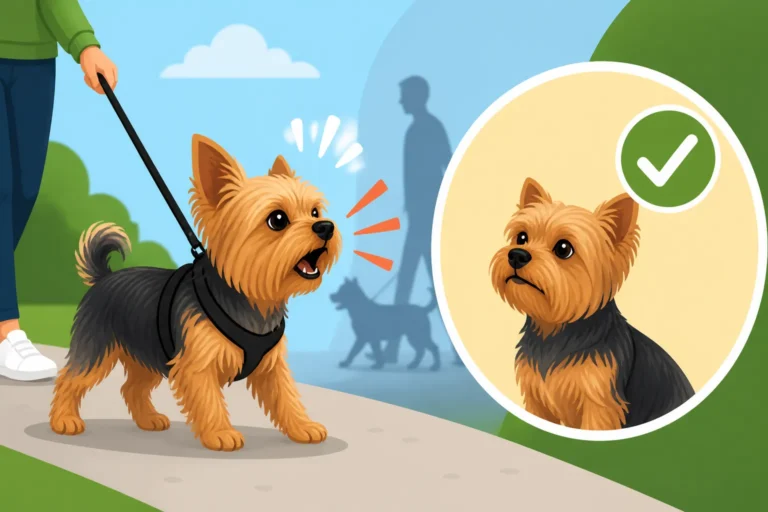
You might notice your Yorkie tucking their tail, flattening their ears, or trying to hide behind your legs or under furniture when new people or objects appear. They might tremble or shake, even when it’s not cold – this is often a sign of stress. Sometimes, timid Yorkies will avoid eye contact or even yawn excessively, lick their lips, or turn their head away as a way to signal discomfort. These are all appeasement gestures, telling you they’re feeling overwhelmed. On walks, they might pull frantically to get away from other dogs or loud noises, or they might freeze up, refusing to move. While some Yorkies bark a lot, a timid Yorkie might also bark excessively at perceived threats from a distance, which is often a "keep away" signal rather than true aggression. If your Yorkie is consistently exhibiting these behaviors, it’s a clear indicator that they’re struggling with their confidence. It's important to differentiate these signs from Yorkshire Terrier Behavior Problems and Solutions that might be linked to dominance or lack of training.
What Causes Timidity in Yorkies
There isn't a single answer to why a Yorkie might be timid, but several factors commonly contribute.
One significant factor is genetics. If your Yorkie's parents or previous generations were timid or anxious, there's a higher chance your pup will inherit those predispositions. Unfortunately, some breeders don't adequately screen for temperament, focusing solely on appearance. Early experiences are also paramount. A lack of proper socialization during the critical puppy development period (roughly 3-16 weeks) can have lasting effects. Puppies need to be exposed to a wide variety of sights, sounds, people, and other dogs in a positive and controlled manner. If they were raised in an environment with little exposure, or worse, in a neglectful or abusive situation like a puppy mill, they might never have learned to cope with novelty or stress. Over-protectiveness from owners, while well-intentioned, can also inadvertently foster timidity, as the dog never learns to handle situations on their own. Physical issues can also play a role; pain or discomfort can make a dog more irritable or withdrawn, so a vet check-up is always a good idea to rule out any underlying health concerns.
Building a Secure Foundation at Home
Before you can tackle the scary big world, your Yorkie needs to feel absolutely safe and secure in their own home. This means establishing predictability, providing a comfortable sanctuary, and building unwavering trust between you.
Creating a Safe Haven and Routine
Your home should be your Yorkie's fortress, a place where they can retreat and feel completely at ease. This means having a designated "safe space," like a comfy crate or a cozy bed in a quiet corner. Don't just make it available; make it inviting. Add soft blankets, familiar toys, and perhaps even a worn piece of your clothing so your scent provides comfort. This spot isn't for punishment; it's their personal den. If your Yorkie is struggling with fear-related issues, investing in a high-quality, comfortable Best Crate for a Yorkshire Terrier can provide immense security. You can find excellent options on Amazon, often with plush inserts or blankets designed for small dogs.
Establishing a consistent daily routine is equally important. Dogs thrive on predictability. Knowing when they'll eat, go out for potty breaks, play, and sleep reduces anxiety significantly. A haphazard schedule can make a timid Yorkie feel constantly on edge, unsure of what's coming next. Try to stick to meal times, walk times, and even play times as consistently as possible. This predictability helps them understand their environment and feel more in control.
Establishing Trust and Positive Associations
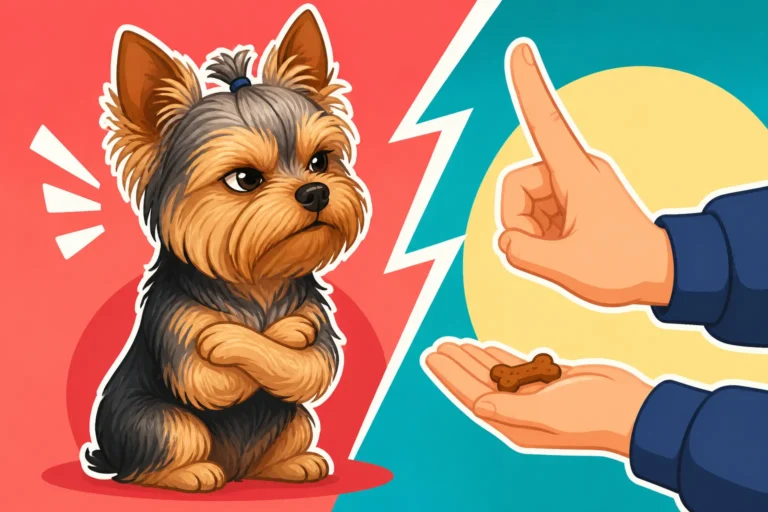
Building trust with a timid Yorkie takes patience, consistency, and a whole lot of positive reinforcement. Every interaction should reinforce that you are a reliable, safe, and benevolent presence. Avoid forcing interactions; if your Yorkie is hiding, don't drag them out or corner them. Instead, entice them with gentle words, a soft hand, or a high-value treat. Sit quietly near their safe space without demanding attention, letting them approach you on their terms. When they do approach, offer praise and a treat, but don't overwhelm them with enthusiastic petting or loud noises.
Positive associations are key to changing their perception of scary things. For example, if your Yorkie is afraid of the vacuum cleaner, don't just spring it on them. Instead, bring the vacuum into the room while it's off, place some treats nearby, and let them investigate at their own pace. Over several days, gradually introduce the sound at a very low volume from a distance, always paired with something wonderful like their favorite treat. Slowly, incrementally, you desensitize them to the fear-inducing stimulus, pairing it with positive experiences. This concept of Positive Reinforcement Training for Yorkies is fundamental to confidence building.
Gentle Exposure and Positive Reinforcement Techniques
Once your Yorkie feels secure at home and trusts you, you can start the delicate process of exposing them to new experiences in a controlled, positive way. This is not about overwhelming them, but about carefully expanding their comfort zone.
Gradual Desensitization and Counter-Conditioning
This is the cornerstone of building confidence. Desensitization means gradually exposing your Yorkie to a feared stimulus at such a low level that it doesn't trigger a fear response. Counter-conditioning means changing their emotional response to that stimulus from negative to positive.
Let's say your Yorkie is afraid of strangers. Instead of having a loud, boisterous friend barge in, start with a calm friend standing at a distance outside your home. As soon as your Yorkie notices them, give them a super high-value treat – something they absolutely adore. The moment the stranger leaves, stop the treats. Repeat this process, gradually decreasing the distance over many sessions, always ensuring your Yorkie remains below their fear threshold. If they show signs of fear (tail tucking, lip licking), you've gone too fast; back up to an easier step. The goal is for them to associate the presence of a stranger with delicious treats, turning a negative association into a positive one. This slow, methodical approach is crucial. Rushing can set them back significantly, reinforcing their fears.
Structured Play and Mental Stimulation
Play isn't just for fun; it's a fantastic confidence builder. Engaging in structured play helps your Yorkie learn, problem-solve, and develop a sense of accomplishment. Toys that encourage engagement, like puzzle toys where they have to figure out how to get a treat, can be incredibly beneficial. Brands like Kong offer excellent options that can be filled with peanut butter or treats, keeping your Yorkie mentally stimulated and building their independence. You can find a wide variety of these Best Toys for Yorkshire Terriers on Amazon.
Short, positive training sessions using Best Treats for Training a Yorkie can also boost confidence. Teaching simple commands like "sit," "stay," or "come" gives your Yorkie a job to do and strengthens your bond. When they successfully perform a task and receive a reward, it builds their self-esteem. Consider looking into Mental Stimulation Games for Yorkies to keep their clever minds active, which can divert their focus from anxiety and build their sense of capability. Programs like those offered by BAXTER & Bella provide structured online puppy and dog training, which can be fantastic for timid Yorkies, allowing them to learn in the comfort of their own home, at their own pace, without the pressure of a busy class environment.
Navigating Social Situations with Care
Socialization for a timid Yorkie is very different from that of a confident puppy. It's about careful, positive exposure, not forced interaction.
Controlled Introductions to People and Dogs
When it comes to introducing your timid Yorkie to new people or other dogs, less is often more, and quality trumps quantity. Always prioritize safety and positive experiences.
For new people, instruct them to ignore your Yorkie initially. Have them sit down, avoid direct eye contact, and let your Yorkie approach them. They can gently toss treats nearby, but no sudden movements or reaching out. Once your Yorkie approaches, a gentle, quiet pet under the chin is usually better than a pat on the head, which can feel threatening. For dogs, choose only known, calm, and friendly dogs. A rambunctious puppy or an overly boisterous dog will only reinforce your Yorkie's fears. Start with parallel walks at a distance where both dogs are comfortable. As they get used to each other's presence, you can gradually decrease the distance. Supervise every interaction closely, keeping sessions short and positive. If either dog shows signs of stress, end the interaction calmly and positively. Remember, you are your Yorkie's advocate, and it’s okay to politely decline interactions if you feel it’s too much for them. This careful process is key to How to Socialize a Shy Yorkie.
Managing Outings and New Environments
The outside world can be a barrage of sensory overload for a timid Yorkie. Lound noises, unfamiliar smells, and constantly moving objects can be overwhelming. To help them, start small. Begin with short walks in very quiet areas during off-peak hours. Let them explore at their own pace, sniffing and investigating. Avoid crowded places initially.
Consider using a secure harness instead of a collar, especially for a small breed like a Yorkie, as it provides more control and reduces pressure on their delicate trachea if they pull or panic. When you encounter something potentially scary (like a loud truck or another dog), calmly step to the side, provide reassurance, and offer treats. The goal is for them to look to you for safety and guidance, rather than melting down. If your Yorkie struggles with car rides, gradual desensitization and positive associations can help How to Reduce Yorkie Anxiety in the Car. Remember, every outing is a training opportunity, so celebrate small victories and never punish fear.
When Professional Guidance Becomes Essential
Sometimes, despite your best efforts, your Yorkie's timidity might be too deeply ingrained or severe for you to handle alone. In these cases, seeking professional help isn't a failure; it's a responsible and loving step toward truly helping your dog.
Consulting with Your Veterinarian
The very first step if you have a persistently timid or anxious Yorkie should always be a visit to your veterinarian. As mentioned earlier, pain or an underlying medical condition can significantly contribute to anxiety or fear-based behaviors. A dog in discomfort might lash out, withdraw, or become fearful in situations they once tolerated. Your vet can perform a thorough examination to rule out any physical causes.
Beyond physical health, your vet can also discuss options for anxiety management. This might include prescription medications that can help lower their overall anxiety levels, making them more receptive to behavior modification training. They can also recommend supplements or pheromone diffusers, though these are typically less effective for severe cases. Your vet can also provide referrals to certified professional dog trainers or veterinary behaviorists, who specialize in more complex behavioral issues. If you haven't already, ensure you know When to Take Your Yorkie to the Vet for general check-ups and specific concerns.
Working with a Certified Professional Dog Trainer or Behaviorist
For severe or persistent timidity, the expertise of a professional is invaluable. A certified professional dog trainer (CPDT) or, for more complex cases, a veterinary behaviorist (DACVB) can assess your Yorkie's specific fears and develop a tailored behavior modification plan.
A good trainer or behaviorist will use positive reinforcement methods exclusively and will never advocate for punishment-based techniques, which can severely damage a timid dog's confidence and trust. They will guide you through desensitization and counter-conditioning exercises, help you read your Yorkie's subtle body language, and teach you how to set them up for success. They might also suggest specific exercises to build your Yorkie’s self-confidence, such as teaching them a trick or engaging them in dog sports that are suitable for their size and temperament. These professionals can provide a perspective and expertise that's hard to gain from books or online resources alone. When looking for help, it's good to know How to Choose a Vet for a Yorkie or a specialized trainer, as their approach and philosophy can make a significant difference.
Here's a quick overview of common fear triggers and potential interventions:
| Fear Trigger | Common Yorkie Reactions | Confidence-Building Strategy (Example) |
|---|---|---|
| Loud Noises | Trembling, hiding, barking, pacing, trying to escape | Play noise recordings at low volume with treats; gradually increase volume over days/weeks. |
| Strangers | Barking, growling, retreating, submissive urination | Controlled, distant introductions with treats; "ignore" strategy from new people. |
| Other Dogs | Freezing, pulling away, barking, lunging | Parallel walks with calm, known dogs at a distance; positive reinforcement for calm reactions. |
| New Environments | Reluctance to move, sniffing excessively, refusing treats | Start with very short, quiet outings; carry them if needed; reward bravery with treats. |
| Being Alone (Separation Anxiety) | Destructive chewing, howling, pacing, inappropriate urination | Gradual increase in alone time, departure cues, puzzle toys, vet consultation for severe cases. Yorkshire Terrier Separation Anxiety Solutions |
Embracing the Journey of Confidence
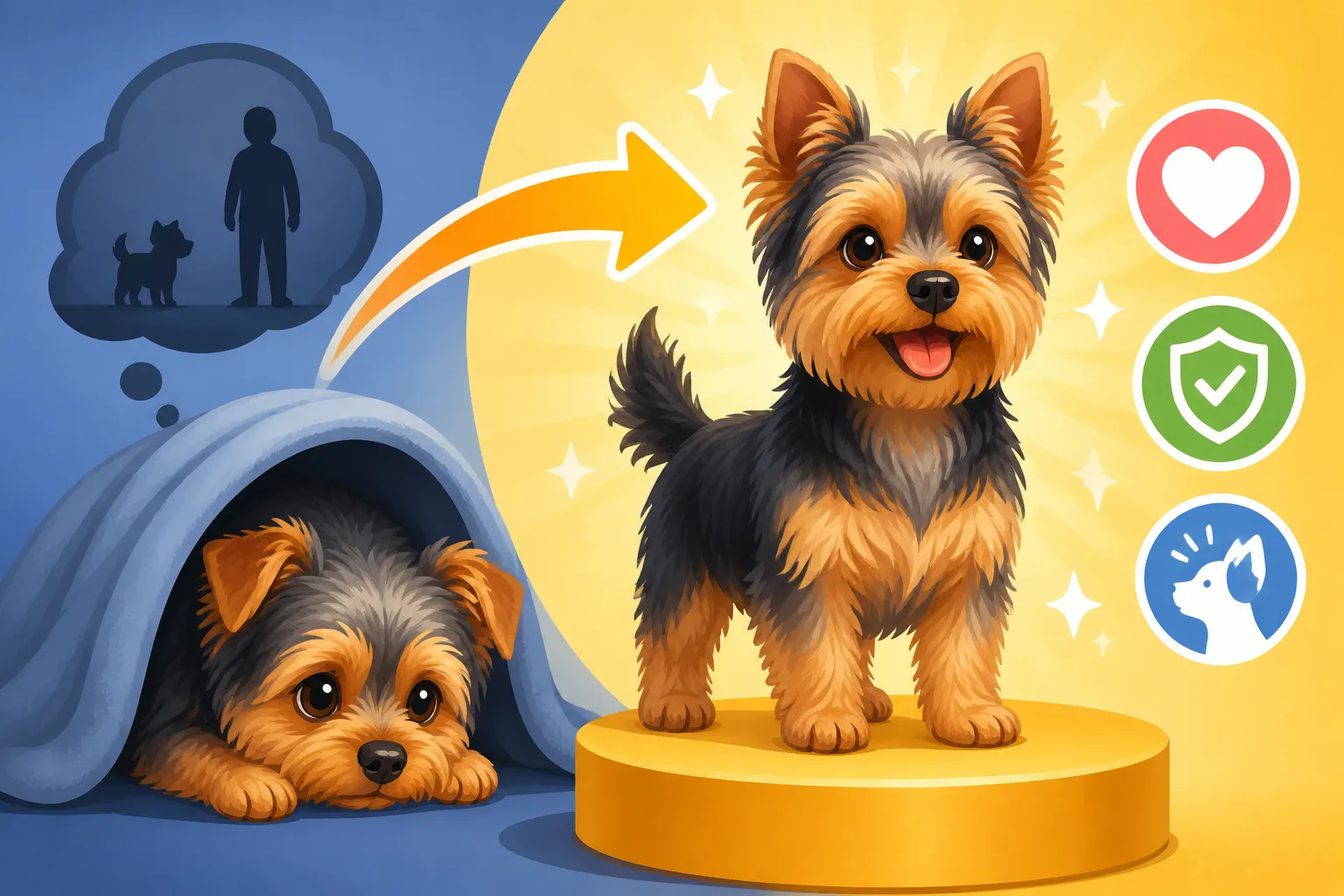
Building confidence in a timid Yorkie is truly a marathon, not a sprint. There will be good days and challenging days, moments of triumph and moments of setback. The most important thing you can offer is unwavering patience, consistent effort, and endless love. Celebrate every small step forward, no matter how tiny it seems. Avoid comparing your Yorkie to others; every dog is an individual with their own pace and progress. Remember that your calm, confident demeanor is their anchor in a scary world. With your dedication, your timid Yorkie can absolutely learn to face the world with a wagging tail and a little more self-assuredness, embracing their inner terrier spirit. And if you find yourself making Yorkie Training Mistakes to Avoid, simply acknowledge it, adjust your approach, and keep moving forward with kindness.
Disclaimer
The information provided in this article is for general informational purposes only and is not a substitute for professional veterinary advice. Always consult with a qualified veterinarian or certified professional dog trainer for any health or behavior concerns regarding your Yorkshire Terrier.