Why Does My Yorkie Keep Jumping On People
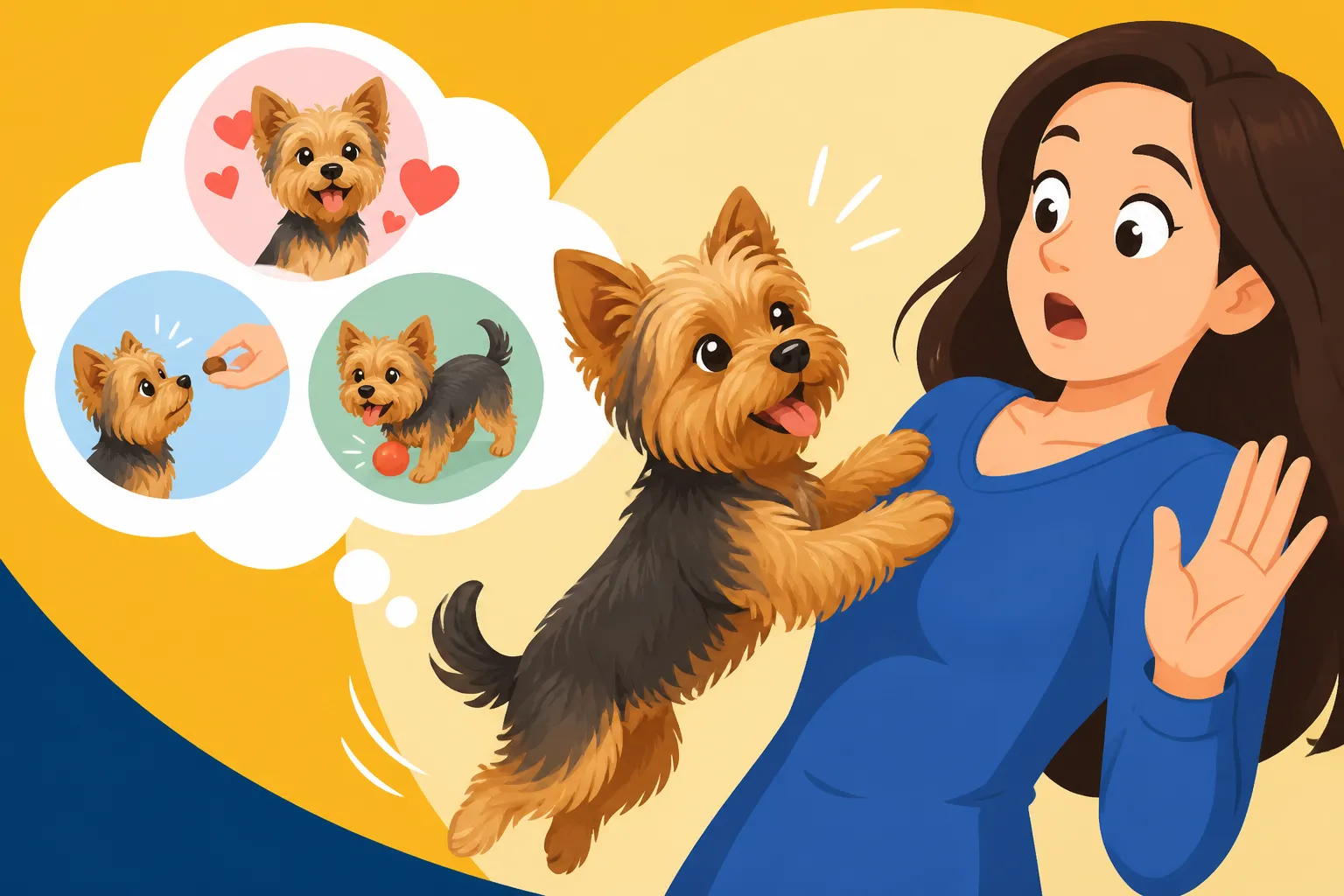
It’s a scenario many Yorkie parents know all too well: you walk through the door, or a beloved guest arrives, and your tiny bundle of joy transforms into a spring-loaded missile, launching themselves skyward, paws flailing. While their enthusiasm is endearing, constant jumping can be annoying, uncomfortable, and for elderly or small children, even a bit risky. This comprehensive guide will delve into the common reasons why your Yorkshire Terrier might be engaging in this bouncy behavior and, more importantly, equip you with practical, compassionate strategies to help them learn calmer greetings.
Decoding the Jump: Why Yorkies Leap on People
Yorkshire Terriers are renowned for their big personalities packed into small bodies. This often translates into an exuberance that can be quite overwhelming, both for them and for anyone on the receiving end of their airborne greetings. Understanding the root causes of their jumping isn't about blaming them; it's about gaining insight so you can respond effectively and kindly.
The Excitement Overload
For many Yorkies, jumping is simply an outward manifestation of intense excitement. Imagine being absolutely thrilled to see your favorite person or a new, interesting visitor! Your Yorkie feels that same surge of joy, and for them, leaping up seems like the most direct way to get closer, to sniff, to lick, and to generally express their boundless affection. They haven't quite grasped the concept of personal space in the human world.
When you arrive home after a long day, or a friend steps across your threshold, your Yorkie's brain is flooded with happy chemicals. Their heart rate goes up, they might start vocalizing, and their entire body language screams "YOU'RE HERE! I MISSED YOU! PAY ATTENTION TO ME!" This rush of emotion can override any polite manners they might otherwise know. They're not deliberately trying to be disobedient; they're simply reacting to an overwhelming sensory experience. Think of it like a toddler who gets so excited they literally bounce off the walls – it's pure, unadulterated, and sometimes uncontrolled, joy. Teaching them to channel that excitement into a more appropriate greeting is key, and it requires understanding this fundamental drive.
Seeking Attention and Engagement
Another powerful motivator behind jumping is the desire for attention. Let's be honest, when your Yorkie jumps, it's hard to ignore them. Even if your reaction is to push them down, say "no," or inadvertently make eye contact, they’ve still achieved their goal: they've gotten your attention. From a dog's perspective, any attention, even negative attention, is often better than no attention at all. This is a common pitfall for many well-meaning pet parents, and it's certainly one of the most common reasons behind many Yorkshire Terrier Behavior Problems and Solutions.
Consider this scenario: your Yorkie jumps on you, you instinctively say "off!" and gently push them away. To you, you're correcting them. To your Yorkie, they just learned that jumping on you gets them a verbal interaction and physical contact. Over time, if this pattern is repeated, your Yorkie learns that jumping is an effective strategy to engage with you or your guests. They aren’t being naughty; they're just being smart, in their own canine way, at figuring out how to get what they want. They want to be noticed, to be touched, and to be a part of what's happening. Our job is to teach them a more polite way to request that interaction.
Lack of Consistent Training and Boundaries
This might be the hardest truth for some of us to accept, but often, the inconsistency in how we respond to jumping behavior is a major contributor to its persistence. If your Yorkie jumps on Aunt Carol and she giggles and pats them, but then jumps on Uncle Bob and he sternly says "down," your Yorkie gets mixed signals. They learn that jumping is sometimes rewarded, sometimes corrected, and that uncertainty actually reinforces the behavior. Why? Because they'll keep trying, hoping this time it's the "reward" scenario.
Effective How to Train a Yorkshire Terrier hinges on consistency. Every person who interacts with your Yorkie needs to respond to jumping in the same, predictable way. If even one person allows the jumping or gives in to their adorable demands, it can undermine weeks or months of diligent training. This is especially true for small breeds like Yorkies, who can sometimes be allowed to get away with behaviors that would never be tolerated in a larger dog. Establishing clear, non-negotiable boundaries from the outset is crucial for their understanding and your sanity.
Practical Steps to Teach Your Yorkie to Greet Calmly
Once you understand why your Yorkie is jumping, you can start implementing effective strategies to guide them toward calmer, more polite greetings. Remember, patience and consistency are your greatest allies here.
The "Four Paws on the Floor" Rule
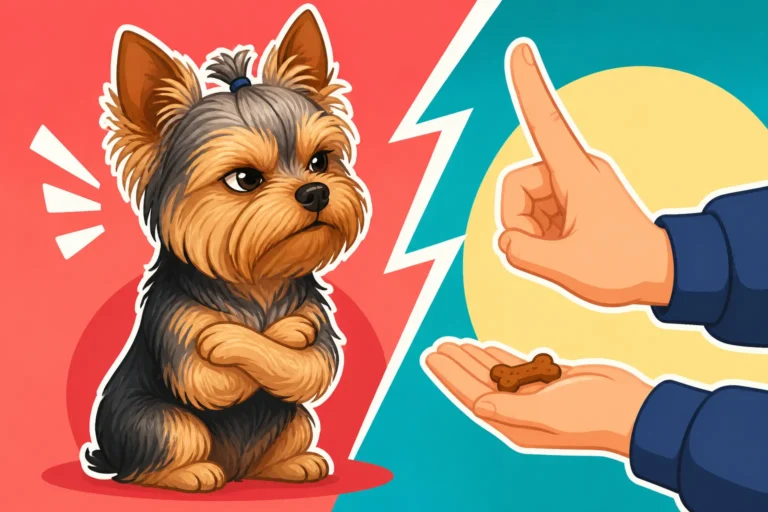
This is the golden rule of greeting behavior: if all four of your Yorkie's paws aren't on the floor, they don't get attention. It sounds simple, but it requires diligent practice. The moment your Yorkie jumps, turn your back, cross your arms, and completely ignore them. No eye contact, no verbal commands, no pushing them away. Become a stone statue. The instant their paws return to the floor, even for a split second, immediately turn back, praise them calmly, and offer a small, high-value treat.
Repeat this process every single time. Your Yorkie needs to learn that jumping makes the good stuff (your attention, treats, petting) disappear, and calm behavior makes it reappear. It’s like magic to them! For an extra layer of control, especially during initial training or with very excitable dogs, consider using a short leash attached to a harness. You can gently step on the leash to prevent them from jumping, or hold it taut enough to keep them grounded. This isn't about punishment; it's about physically preventing the unwanted behavior while you teach the desired one. You can find excellent, comfortable harnesses that won't irritate your Yorkie on platforms like Amazon. For more on appropriate gear, you might want to read Why Harnesses Are Better Than Collars for Yorkies.
Managing Greetings with Guests
Guests can throw a wrench into even the best-laid training plans. Their natural inclination might be to greet your enthusiastic Yorkie, inadvertently rewarding the jumping behavior. It's your responsibility to set your Yorkie up for success.
Here's how to manage it:
- Prep Your Guest: Before they even walk through the door, explain your training rules. Ask them to ignore your Yorkie completely if they jump, and only give attention when all four paws are on the floor.
- Manage Your Yorkie's Excitement: Before your guest arrives, take your Yorkie for a quick potty break and a short play session to burn off some initial energy. Have some high-value treats ready.
- Controlled Entry: When the doorbell rings, put your Yorkie on a leash (attached to their harness). As the guest enters, keep your Yorkie by your side. If they start to jump, turn your back with them on the leash. The moment they are calm with four paws down, have your guest offer a treat while keeping their attention low, perhaps by bending down (but not reaching out until the dog is calm).
- Practice Makes Perfect: Role-playing with a friend can be incredibly helpful. Have them pretend to be a guest, coming and going repeatedly, so your Yorkie gets many opportunities to practice calm greetings.
- Use a Barrier: If your Yorkie is particularly persistent, consider using a baby gate or a playpen. Your Yorkie can observe the guest calmly from behind the barrier. Once they are relaxed, you can gradually allow supervised, leashed interactions, always adhering to the "four paws on the floor" rule. This is also a great strategy if your Yorkie is prone to Yorkie Separation Anxiety: Signs and Fixes when you have visitors they perceive as taking your attention.
Implementing Positive Reinforcement and Redirection
Positive reinforcement is key to effective training for Yorkies. Instead of just stopping the jumping, you want to teach them an alternative behavior that is incompatible with jumping. The classic example is "sit."
When you or a guest approaches, ask your Yorkie to How to Teach a Yorkie to Sit. The moment they do, lavish them with praise and reward them with a high-value treat. If they jump instead, ignore the jump and wait for a moment of calm, then ask for a sit again. The goal is to make "sit" their go-to greeting behavior.
Here’s how to put it into practice:
- Reward Calmness: Keep an eye out for moments when your Yorkie is not jumping, especially during greetings, and reward those moments. Even if they don't sit, simply standing calmly when someone approaches is a huge step.
- High-Value Treats: These are treats your Yorkie absolutely adores – small pieces of boiled chicken, cheese, or specialty training treats. Save these exclusively for training moments, so they become extra motivating.
- Verbal Cues and Praise: Use a clear, happy tone when praising. Words like "Good sit!" or "Yes!" followed by the treat help your Yorkie connect the action with the reward.
- Redirect Energy: If your Yorkie is still too hyped up to focus, redirect their energy before the greeting. A quick game of fetch with a favorite toy (many small, durable toys are available on Amazon) or a puzzle toy can help them burn off some steam. Then, when they are a little calmer, you can practice the greeting.
Many professional trainers, like those at BAXTER & Bella, emphasize the power of positive reinforcement to shape desired behaviors. Their programs often provide structured steps for teaching alternative greetings that are much more pleasant for everyone involved. For a deeper dive into these techniques, explore Positive Reinforcement Training for Yorkies.
| Behavior | Owner Response (Do) | Owner Response (Don't) | Outcome for Yorkie |
|---|---|---|---|
| Jumping | Turn back, ignore completely, cross arms. | Make eye contact, say "no/off," push them down, reprimand. | Jumping makes attention disappear. |
| Four Paws Down/Calm | Immediately praise, offer treat, gentle petting. | Ignore, wait too long to reward, give inconsistent attention. | Calmness makes attention appear. |
| Sitting on Cue | Enthusiastically praise, generous treat. | Get frustrated, punish for not sitting perfectly. | Sitting is highly rewarding and reinforced. |
Tools and Techniques to Aid in Training
While the core of training lies in consistent application of positive reinforcement, there are certain tools and techniques that can make the process smoother and more effective, especially with a spirited breed like the Yorkshire Terrier.
Harnesses and Leashes for Control
For a Yorkie, a well-fitting harness is almost always preferable to a collar, particularly when you're working on leash manners and discouraging jumping. Collars can put undue pressure on their delicate tracheas, which is especially concerning given that Yorkies are prone to conditions like Yorkshire Terrier Collapsing Trachea: Signs and Care. A harness distributes pressure across their chest and shoulders, offering better control without risking injury.
When using a leash during greeting training, it serves as a gentle physical reminder. As a guest approaches or you walk through the door, keep your Yorkie on a short leash. If they try to launch themselves, the leash subtly prevents them from getting airborne. This isn't about yanking or punishing; it's about physical management that allows you to immediately reward the moment their paws hit the ground. You can find a wide variety of comfortable, secure harnesses for small breeds on platforms like Amazon. Look for ones that are escape-proof but don't restrict their movement. Regularly checking the fit is important, especially for puppies as they grow.
Creating a Calm Environment
A hyper Yorkie is more likely to jump. Reducing overall excitement levels in your home can significantly aid in training calm greetings. This means incorporating a balanced routine that addresses their physical and mental needs.
- Sufficient Exercise: While tiny, Yorkies still need daily exercise. Several short walks, indoor playtime, or interactive games can help burn off excess energy. A tired Yorkie is a good Yorkie, more likely to settle down and less prone to hyper-excitement. For ideas, consider looking into How to CalmA Hyper Yorkie.
- Mental Stimulation: Yorkies are intelligent little dogs. Provide puzzle toys, engage in short training sessions, or practice new tricks. Mental exercise can be just as tiring as physical exercise and helps keep their minds engaged in constructive ways.
- Structured Routine: Dogs thrive on routine. A predictable schedule for feeding, potty breaks, playtime, and training helps create a sense of security and can reduce anxiety, which can sometimes manifest as excessive excitement.
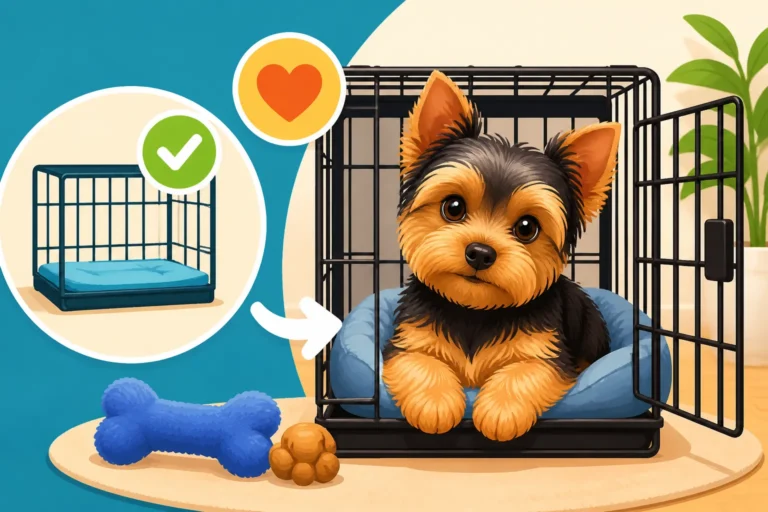
- Designated "Calm" Spaces: Ensure your Yorkie has a comfortable, quiet place to retreat, like a crate with a soft bed or a cozy corner. This gives them a sanctuary when things get too busy or exciting.
By creating an environment that fosters calmness, you're not only addressing the jumping behavior but also contributing to your Yorkie's overall well-being and reducing other potential issues like Yorkshire Terrier Separation Anxiety Solutions.
Consistency is Key
We touched on this earlier, but it truly cannot be overstated. All family members, and even frequent guests, must be on board with the training plan. If one person allows the jumping, even occasionally, it completely undermines the training. Your Yorkie won't understand "I can jump on Dad, but not on Mom." They'll simply learn that jumping sometimes works, and they'll keep trying.
Hold a family meeting to discuss the rules:
- Everyone ignores jumping.
- Everyone rewards calm, four-paws-on-the-floor behavior.
- Everyone uses the same verbal cues (e.g., "sit" for greetings).
Consider printing out a simple reminder or putting up a small sign near the door for guests. It might feel a bit awkward at first, but it's crucial for your Yorkie's progress. Think of it as a team effort to help your furry friend understand the rules of polite interaction. Remember, Yorkie Training Mistakes to Avoid often stem from a lack of consistency.
When to Consider Professional Guidance
For most Yorkies, consistent application of the strategies above will yield positive results. However, there are times when a professional dog trainer or veterinary behaviorist can provide invaluable support.
Recognizing Persistent or Escalating Behavior
If you've been diligently working on training for several weeks or months and see little to no improvement, or if the jumping behavior is accompanied by other concerning actions, it might be time to call in the experts.
Here are some signs that professional help might be beneficial:
- No Progress: Despite consistent effort, your Yorkie continues to jump on everyone, every time, with the same intensity.
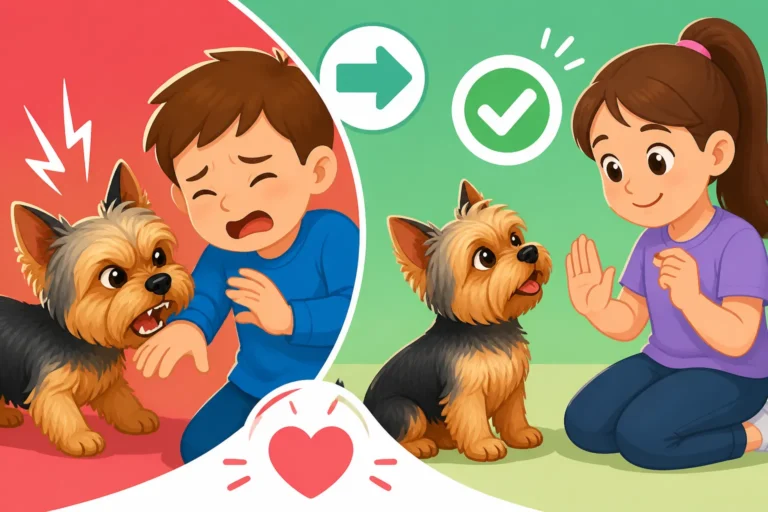
- Aggressive Tendencies: The jumping isn't just enthusiastic; it's paired with nipping, growling, or showing teeth. This could indicate an underlying issue beyond simple excitement, potentially even an element of resource guarding or fear. If you're seeing nips, you'll definitely want to investigate How to Stop a Yorkie from Biting.
- Intense Reactivity: Your Yorkie becomes uncontrollably frantic when someone arrives, to the point where they are difficult to manage even with a leash and harness.
- Your Frustration Levels Are High: Training should be a positive experience for both you and your dog. If you're feeling overwhelmed, frustrated, or discouraged, a professional can offer a fresh perspective and renewed motivation.
- Underlying Medical Conditions: In rare cases, excessive excitability could be linked to an undiagnosed medical condition. While rare, it's always worth ruling out with your vet if behavior changes are sudden or extreme.
The Benefits of a Certified Professional Dog Trainer
A certified professional dog trainer, especially one experienced with small breeds like Yorkies, can assess your specific situation and tailor a training plan that addresses your Yorkie's unique personality and your household dynamics.
What a professional can offer:
- Personalized Assessment: They can observe your Yorkie's behavior in real-time, identify triggers you might have missed, and pinpoint the exact motivations behind the jumping.
- Hands-on Guidance: They can demonstrate techniques, guide you through practice sessions, and provide immediate feedback, ensuring you're implementing strategies correctly.
- Advanced Techniques: For stubborn cases, they might introduce more advanced redirection techniques or counter-conditioning protocols.
- Addressing Underlying Issues: If the jumping is rooted in anxiety, fear, or overstimulation rather than just excitement, a professional can help you address those deeper behavioral issues. For example, they might help you fine-tune your How to Socialize a Yorkshire Terrier approach to reduce reactivity.
- Support and Accountability: Knowing you have an expert to consult with can be incredibly reassuring and keep you on track with your training goals.
When seeking a trainer, look for certifications (like CPDT-KA from the Certification Council for Professional Dog Trainers) and ask for references. Ensure their methods align with positive reinforcement principles, as harsh or aversive techniques can be detrimental to your Yorkie's trust and overall well-being.
Disclaimer
Please remember that this article provides general information and guidance. Every Yorkshire Terrier is an individual, and their behavior can be influenced by many factors. Always consult with your veterinarian for any health concerns or before making significant changes to your pet's diet or routine. For persistent or severe behavioral issues, a certified professional dog trainer or veterinary behaviorist can provide personalized advice and support.