How to Teach a Yorkie to Come When Called
It's incredibly frustrating when you call your adorable Yorkshire Terrier, and they just… don't come. You might feel ignored, or even worse, terrified they'll dart into danger. Getting your Yorkie to reliably "come" when called, also known as recall, is one of the most vital commands for their safety and your peace of mind. This guide will walk you through actionable, empathetic steps to teach your clever, sometimes stubborn, Yorkie to respond to your call every single time, turning those anxious moments into joyful reunions.
Understanding Why "Come" is So Hard for Yorkies
Let's be honest, getting a Yorkie to come when called can feel like trying to herd cats sometimes. It's not usually because they're being malicious; it's often rooted in their instincts, their small size, and their environment. Understanding these underlying reasons is the first step to successful training.
The Terrier Instinct and Independence
Yorkshire Terriers, despite their dainty appearance, are true terriers at heart. This means they were originally bred to hunt small prey like rats and other vermin. What does that translate to in modern times? A strong prey drive, an independent spirit, and a keen interest in exploring their surroundings. When a squirrel darts across the park or a new smell wafts by, your Yorkie's ancient instincts can kick in, making your call less interesting than the potential "hunt." They're not actively disobeying; they're simply following their genetic programming, which can be a real challenge when you just need them to come back to you. They see the world as a giant adventure waiting to be explored, and sometimes, you're just not as exciting as that rustling bush.
Small Dog Syndrome and Over-Reliance
It's easy to coddle a tiny Yorkie, isn't it? Because they're so small, some owners subconsciously develop habits that can hinder recall training. For instance, always picking them up instead of calling them, or not practicing recall because they're always on a leash. This can lead to what's sometimes called "small dog syndrome," where a dog doesn't feel the need to respond because they know their human will just come to them. Furthermore, if a Yorkie is always picked up when they're misbehaving or if "come" is only used for unpleasant things like bath time or nail trims, they'll quickly associate the command with negative outcomes. They need to understand that "come" always means something fantastic is about to happen, not that the fun is over.
Distractions and Overwhelm
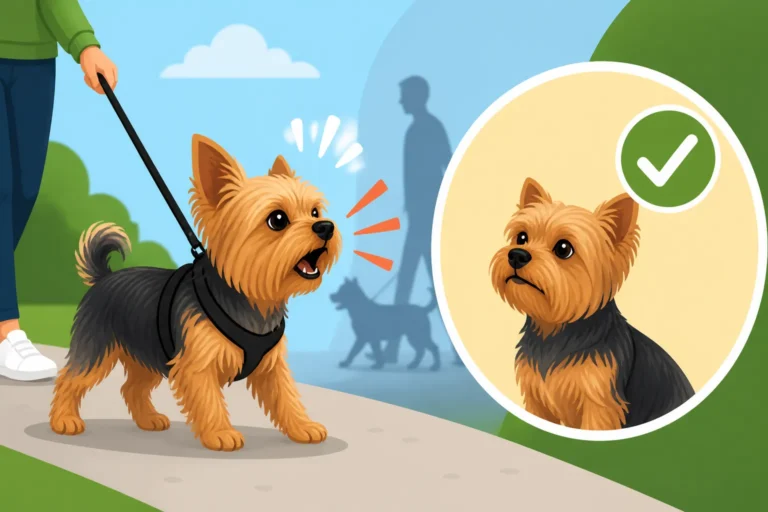
Imagine trying to concentrate on a simple task while a rock concert is happening next door and someone is dangling your favorite dessert in front of you. That's a bit like what your Yorkie experiences outdoors. Their world is full of incredible sights, sounds, and smells that we often don't even notice. A passing dog, a bicyclist, the scent of another animal, or even a leaf blowing by can be incredibly captivating. In these moments, your voice can get lost in the overwhelming sensory input. If you only practice "come" in a quiet house, your Yorkie won't be prepared for the real world's symphony of distractions. They need gradual exposure and consistent training in increasingly stimulating environments to generalize the command. This is why starting recall training in a calm, controlled setting is crucial before moving to busier areas.
Essential Foundations Before Training "Come"
Before you even start uttering the word "come," it's vital to lay a solid groundwork. Think of it like building a house – you wouldn't start framing the walls before pouring a strong foundation, would you? The same goes for training your Yorkie.
Building a Strong Positive Relationship
Your Yorkie needs to genuinely want to come to you. This desire stems from a positive, trusting relationship where you are seen as the bringer of all good things. Spend quality time together playing, cuddling, and just being present. Use positive reinforcement in all your interactions. This means rewarding good behavior with treats, praise, and toys, rather than relying on punishment or scolding. If your Yorkie sees you as a source of joy and security, they'll naturally be more inclined to respond to your calls. Building this bond means being predictable, gentle, and always fair. Ensure you're providing enough mental stimulation games for Yorkies, as a bored Yorkie is often a naughty Yorkie.
Choosing the Right Tools and Environment
For recall training, the right tools are simple but effective. You'll need high-value treats (think tiny pieces of cooked chicken, cheese, or specialized training treats – not just dry kibble) that your Yorkie absolutely adores. These treats should be small enough to be eaten quickly without distraction. A long line or a lightweight leash, perhaps 15-30 feet, is also indispensable for practicing in a safe, open area. This allows your Yorkie some freedom while still giving you control if they decide to ignore your call. For smaller Yorkies, a comfortable, well-fitting harness is usually better than a collar, as it prevents strain on their delicate necks if they hit the end of the line. You can find excellent options on platforms like Amazon for both harnesses and long lines that are perfect for their size.
The training environment is just as important. Start in a quiet, enclosed space with minimal distractions. This could be your living room, a securely fenced backyard, or a friend's empty yard. As your Yorkie gets better, you'll gradually introduce more challenging environments, but never set them up for failure by starting somewhere overwhelming.
Consistency and Family Involvement
This isn't a "one-and-done" command. Consistency is paramount. Everyone in the household needs to use the same command ("come" or "here" – pick one and stick to it) and the same high-value rewards. If one person uses "come" and another uses "pup-pup," your Yorkie will be confused. Similarly, if sometimes they get a treat and sometimes they don't, the motivation to respond will wane.
Make sure every family member is on board with the training plan. Children, in particular, should be taught how to call the Yorkie and reward them correctly. Short, frequent training sessions (5-10 minutes, several times a day) are far more effective than one long, tedious session. This ensures your Yorkie stays engaged and doesn't get bored or overwhelmed. If you're finding it hard to get everyone on the same page, consider an online program like BAXTER & Bella, which offers comprehensive, step-by-step guidance that the whole family can follow. Consistent reinforcement ensures that the command becomes deeply ingrained.
Step-by-Step Guide to Teaching "Come"
Now that we've got our foundations strong, let's dive into the practical steps for teaching your Yorkie this life-saving command.
Starting in a Low-Distraction Environment (The "Puppy Recall" Game)
Begin indoors, in a quiet room, or a securely fenced yard with no distractions. This is where you introduce the "come" command in a positive, playful way.
- Enthusiasm is Key: Get down to your Yorkie's level. This makes you less intimidating and more inviting.
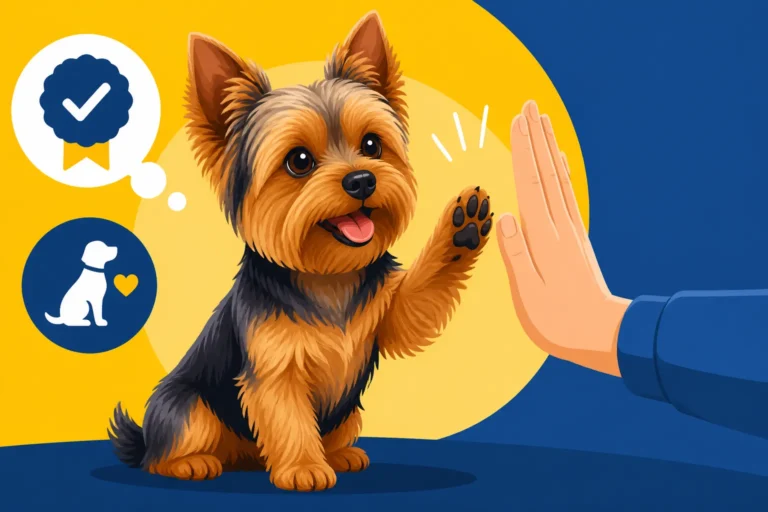
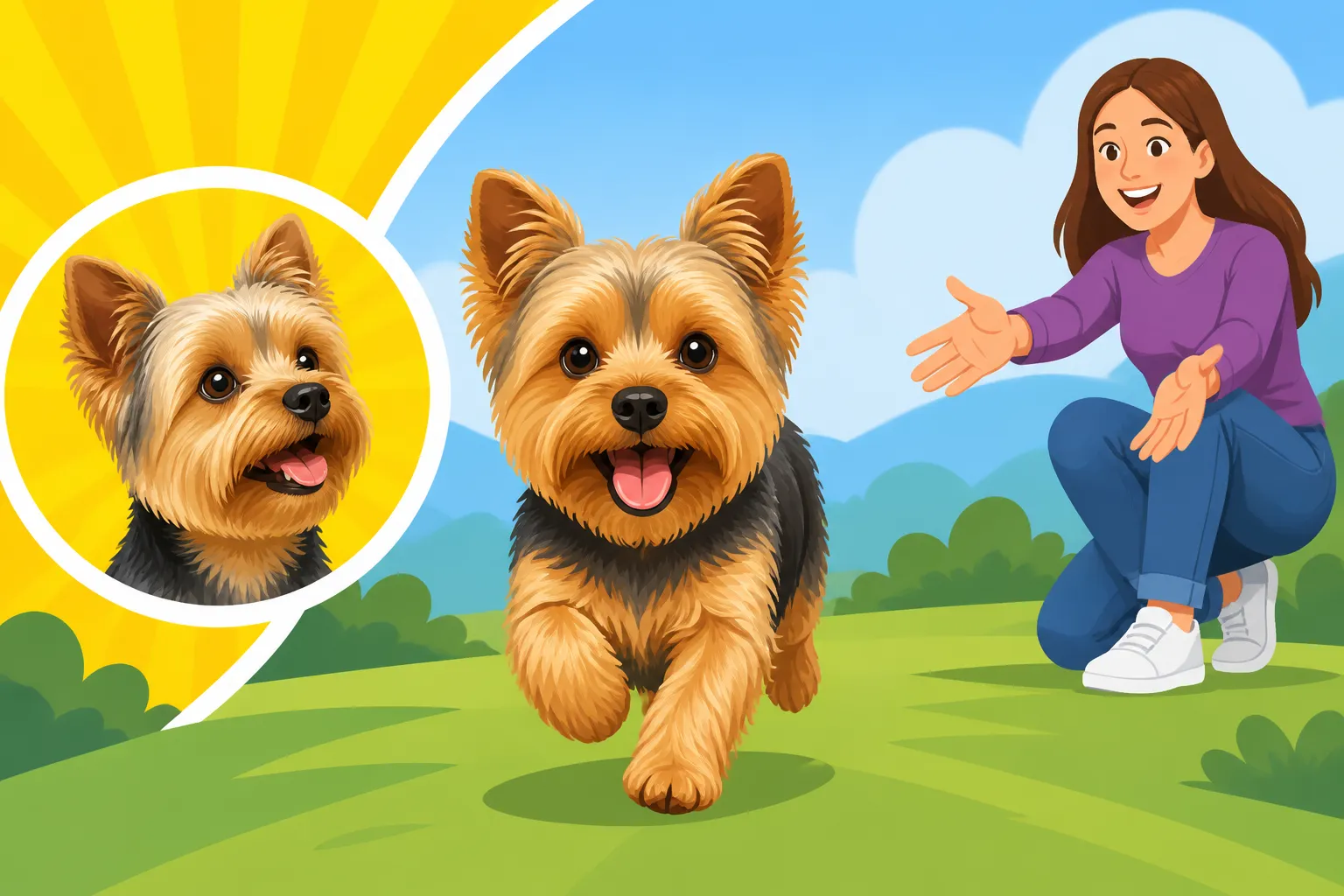
- The Call and Reward: Say your Yorkie's name, then immediately follow with your chosen command, "Come!" or "Here!" Use an excited, happy tone of voice. As soon as they take a step towards you, start praising them ("Good come!") and offer a high-value treat as they reach you.
- The Retreat: Don't just stand there waiting. As you call, take a few steps backward or crouch down. This naturally encourages them to move towards you.
- Repeat and Release: After they come, give the treat and praise, and then release them with a clear command like "Okay!" or "Go play!" This teaches them that coming to you doesn't mean the end of fun, but rather a brief, rewarding pause before they can resume their activities. This also prevents them from becoming "collar-shy" or associating "come" with being grabbed.
- Family Fun: Have another family member hold your Yorkie a short distance away. You call them, reward them, and then the other person calls them, rewards them. Make it a fun, back-and-forth game. This reinforces the idea that "come" is always rewarding, no matter who calls them.
Practice this many times a day for short bursts. The goal is to build a strong positive association with the "come" command, so it becomes a joyous reflex. Remember, the Best Treats for Training a Yorkie will make a huge difference here.
Gradually Increasing Distractions and Distance
Once your Yorkie is consistently coming to you in a low-distraction environment, it's time to slowly turn up the volume.
- Introduce Mild Distractions: Move to a slightly busier area, like a quiet park or a different room in your house with a TV on low. Start with the same close-range "puppy recall" game. The moment you see any hesitation, go back to a less distracting environment.
- Increase Distance with a Long Line: In a secure, open, fenced area, attach a long line to your Yorkie's harness. Let them explore a bit, then call them. If they ignore you, gently reel them in with the long line while repeating the command and using your happy voice. The moment they start moving towards you, release the tension and praise. Reward heavily when they reach you. This helps them understand that they must come, but in a way that doesn't feel like punishment. This is a crucial step for Yorkie Leash and Harness Training.
- Vary Locations: Practice in different parks, friend's yards, or even new walking routes. Each new environment presents unique distractions, helping your Yorkie generalize the command. Start close, then gradually increase distance.
- Proofing with Other Dogs/People: If your Yorkie is social, gradually introduce a calm, friendly dog or person in the training environment. Have them at a distance, call your Yorkie, reward, then let them greet the other dog/person as a bonus reward. This teaches them that coming to you first gets them what they want. Remember to also work on How to Socialize a Yorkshire Terrier to make these interactions smoother.
The key is gradual progression. Don't jump from your living room to a bustling dog park in one go. Each successful step builds confidence for both you and your Yorkie.
Making "Come" the Most Exciting Thing Ever (High-Value Rewards)
This is where the magic happens. Your Yorkie needs to genuinely believe that responding to "come" is the absolute best decision they could make at that moment.
- The Jackpot Reward: Occasionally, when your Yorkie gives you an outstanding recall (especially in a distracting environment), give them a "jackpot." This isn't just one treat; it's a handful of treats, or a super special toy, combined with exaggerated praise and happy fuss. This teaches them that sometimes, "come" leads to an epic payout.
- Variety is the Spice of Life: Don't always use the same treat. Rotate through different high-value treats to keep things exciting and unpredictable. Cooked chicken, tiny bits of hot dog, specific training treats from brands like Zuke's or Pet Botanics (found easily on Amazon), or even a quick game of tug with their favorite toy can all be jackpot-worthy.
- "Life Rewards" are Powerful: Sometimes, what your Yorkie really wants is something in their environment. Use "come" to grant them access to these things. For example, if they want to greet another dog, call them to you first, reward, and then say "Okay, go say hi!" If they want to play with a toy, call them, reward, then throw the toy. This makes you the gatekeeper of all good things, strengthening their motivation to respond.
- Never Punish a Recall: This is the golden rule. If your Yorkie eventually comes to you, even if it took a while or you had to chase them a bit, never scold or punish them. If you do, you'll teach them that coming to you is a negative experience, and they'll be even less likely to respond next time. Always praise and reward, even for a slow recall. The goal is to always make coming to you a positive choice. If you're struggling with them ignoring you, you might want to review Why Is My Yorkie Not Coming When Called.
Remember, you want "come" to be a reflex, a joyful sprint towards you, not a grudging saunter.
Troubleshooting Common "Come" Training Challenges
Even with the best intentions, Yorkies can throw us curveballs. It's okay; every dog is different, and every training journey has its bumps.
When Your Yorkie Ignores You Entirely
This is tough, and it happens to the best of us. You call, and they just… act like you don't exist.
- Re-evaluate Rewards: Are your treats truly high-value? Sometimes, a dog gets bored of chicken and needs something new and exciting. Experiment! Also, are you delivering the reward immediately? Timing is crucial for your Yorkie to connect their action (coming) with the reward.
- Check the Environment: Are you asking too much too soon? If you're in a busy park and they're ignoring you, go back to a quieter space. Set them up for success.
- Make Yourself More Exciting: Are you being boring? Get down low, clap your hands, use a squeaky toy, or even run away from them (they often see this as an invitation to chase). Make coming to you the most appealing option in that moment.
- The Long Line is Your Friend: If off-leash recall is an issue, go back to practicing with a long line. It's a safety net and a gentle reminder. If they ignore you, a gentle tug and "Come!" helps them understand the expectation without harshness. It’s a great way to enforce the command without damaging your relationship.
- Seek Professional Help: If you're consistently hitting a wall, a certified professional dog trainer can observe your interactions and offer personalized advice. Sometimes, a fresh pair of eyes can spot something you've missed. Many online courses, including those by BAXTER & Bella, also offer virtual coaching sessions that can be incredibly helpful.
Dealing with Environmental Distractions
Those squirrels, other dogs, and intriguing smells are powerful motivators for a Yorkie's terrier instincts.
- Controlled Exposure: Don't avoid distractions; manage them. Start with distractions at a great distance, then gradually decrease the distance as your Yorkie improves.
- Practice in Multiple Environments: Your Yorkie needs to learn that "come" means "come" no matter where they are. Don't just practice in your backyard. Take them to different parks, on walks through quiet neighborhoods, and even busy sidewalks (while on a leash or long line, of course).
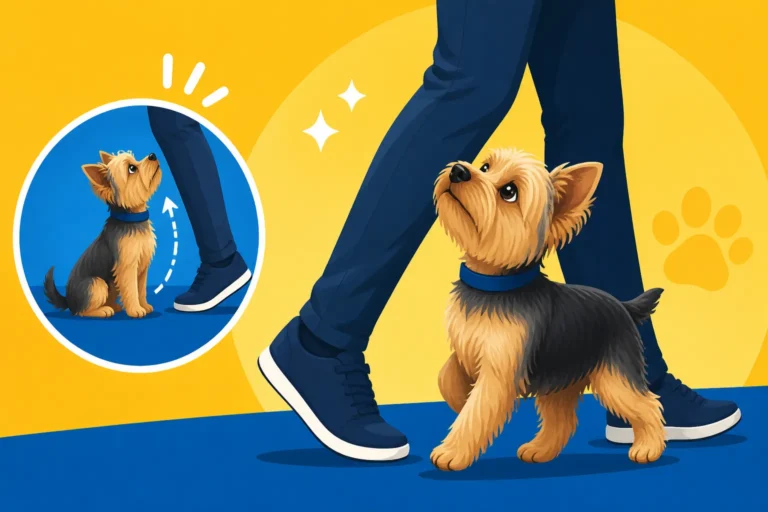
- "Watch Me" Command: Teach a "watch me" or "look at me" command as a precursor. This teaches your Yorkie to make eye contact with you, breaking their focus on the distraction. Once they're looking at you, it's easier to get their attention for the "come" command. This is part of How to Train a Yorkshire Terrier generally.
- Be More Interesting: If your Yorkie is fixed on a distraction, you need to be more interesting. Use your highest-value treats, an extra enthusiastic voice, and exciting body language. Make them feel like they're missing out on the best party ever if they don't come to you.
- Proximity Management: If a distraction is too intense, increase your distance from it. Don't ask for a recall if your Yorkie is already past their threshold and completely overstimulated. It's better to move away and try again when they're calmer.
The Yorkie Who Comes "Eventually"
They hear you, they acknowledge you, and then they finish sniffing that interesting patch of grass before moseying on over. This isn't reliable recall, and it can still be dangerous.
- Speed Drills: Make "come" a race! As soon as you call, shower them with praise the instant they turn towards you and start moving. Reward heavily for speed. Practice calling them when they're already facing you, then gradually increase the angle.
- Don't Repeat the Command: This is crucial. If you say "Come! Come! Come!" you teach your Yorkie that the first few "comes" are optional. Say it once, clearly and enthusiastically. If they don't respond, don't repeat it immediately. Instead, move a few steps away, make a kissing sound, or use a squeaky toy to regain their attention, then give the "come" command again once you have their focus, and reward the instant they start moving.
- Make Yourself a Moving Target: Sometimes, Yorkies hesitate if you're standing still. As you call, take a few steps back or run a short distance away. Their natural instinct to chase or follow can kick in, making them accelerate towards you.
- End on a High Note: Always make sure the training session ends with a successful, enthusiastic recall and a big reward. This reinforces the positive association and leaves them wanting more.
| Recall Challenge | Common Cause | Training Strategy | Key Tools |
|---|---|---|---|
| Ignores "Come" | Low motivation, dull rewards, over-distraction | Higher value treats, increased enthusiasm, professional guidance | High-value treats, long line, engaging toys |
| Slow or Delayed Response | Command repetition, lack of urgency | Single command, speed drills, moving target, jackpot rewards | Variety of treats, squeaky toy |
| Distraction Overload | Insufficient proofing in varied environments | Gradual exposure, "Watch Me," proximity control, varied locations | Long line, treats for focus, safe open spaces |
| "Small Dog Syndrome" | Always picking up, negative associations | Consistent positive reinforcement, "life rewards," family involvement | Positive praise, favorite toys, family |
Remember, teaching a Yorkie to come when called is an ongoing process. Even when they're perfect, continue to practice occasionally in different settings to keep their skills sharp. It’s an investment in their safety and your peace of mind.
Disclaimer
This article is intended for informational purposes only and is not a substitute for professional veterinary advice. Always consult with a qualified veterinarian or certified professional dog trainer for any concerns regarding your Yorkshire Terrier's health or behavior.