Why Does My Yorkie Keep Not Coming When Called
It's incredibly frustrating when you call your sweet little Yorkshire Terrier, and they just… don't come. You stand there, maybe with a treat in hand, repeating "come!" with increasing desperation, while your Yorkie seems to suddenly develop selective hearing, completely engrossed in sniffing a suspicious patch of grass or chasing a rogue leaf. It feels like a personal slight, or worse, a safety hazard when you're out and about. This guide is here to shed light on why your Yorkie might be ignoring your calls and, more importantly, what you can do to turn that around.
Understanding the Yorkie Mindset and Motivation
Yorkies are small, but they have big personalities and an even bigger world to explore, often at nose-level. Their motivations for responding (or not responding) to a recall command are deeply rooted in their nature and past experiences.
Distractions, Distractions Everywhere!
Imagine trying to focus on a phone call while a circus is parading right outside your window. That's often what the world is like for a Yorkie. Their acute senses mean they pick up on every rustle, every scent, every distant sound that we humans might completely miss.
For a Yorkie, a simple walk isn't just a walk; it's a sensory explosion. A discarded crumb on the sidewalk, the tantalizing scent left by another dog, the flutter of a butterfly, or the distant bark of another canine can easily become the most captivating thing in their universe at that moment. Because they're so small, their perspective of the world is often overwhelming, filled with exciting new stimuli. If they haven't learned that coming to you is more rewarding than these incredible distractions, they're simply following their instincts. This is why you'll often see them seemingly "ignoring" you when, in reality, they're just fully immersed in their tiny, thrilling world.
Lack of Consistent Training or Reinforcement
The "come" command, or recall, isn't something dogs inherently understand, especially not without consistent, positive reinforcement. Many owners inadvertently weaken this command over time. Maybe you only call your Yorkie when it's time to leave the park, which is a bummer for them, or when they've done something "wrong."
If the "come" command is used infrequently, inconsistently, or is often followed by something unpleasant (like being scolded, having their fun interrupted, or going to the vet), your Yorkie will quickly learn to associate it with negative outcomes. They'll start to weigh the perceived reward of staying put (e.g., sniffing that interesting bush) against the perceived "punishment" of coming to you. Without clear, consistent, and highly rewarding experiences tied to the command, it simply loses its power. This is a common "Yorkie Training Mistakes to Avoid" that can really hinder progress.
Negative Associations with "Come"
It’s easy for our well-intentioned calls to become associated with things our Yorkies don't enjoy. Perhaps "come" means bath time, nail trims, going into the crate when they're having fun, or even leaving a fantastic play session at the dog park.
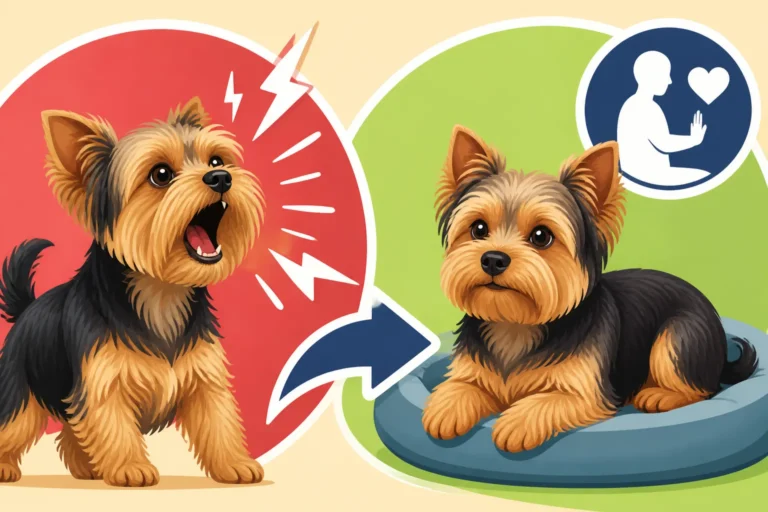
If your Yorkie mostly hears "come" right before something they dislike, they'll understandably develop an aversion to the command. They might even try to evade you or hide, associating your call with an impending undesirable event. This isn't stubbornness; it's a learned avoidance behavior. We often forget that dogs live very much in the moment, and their reactions are largely based on patterns of past experiences. If their past experiences with "come" have been predominantly negative or neutral, they're simply not motivated to respond.
Common Reasons Your Yorkie Ignores "Come"
Beyond general distractions and training issues, there are specific scenarios that often lead to a Yorkie "tuning out" their owner.
Your Yorkie Thinks It's a Game
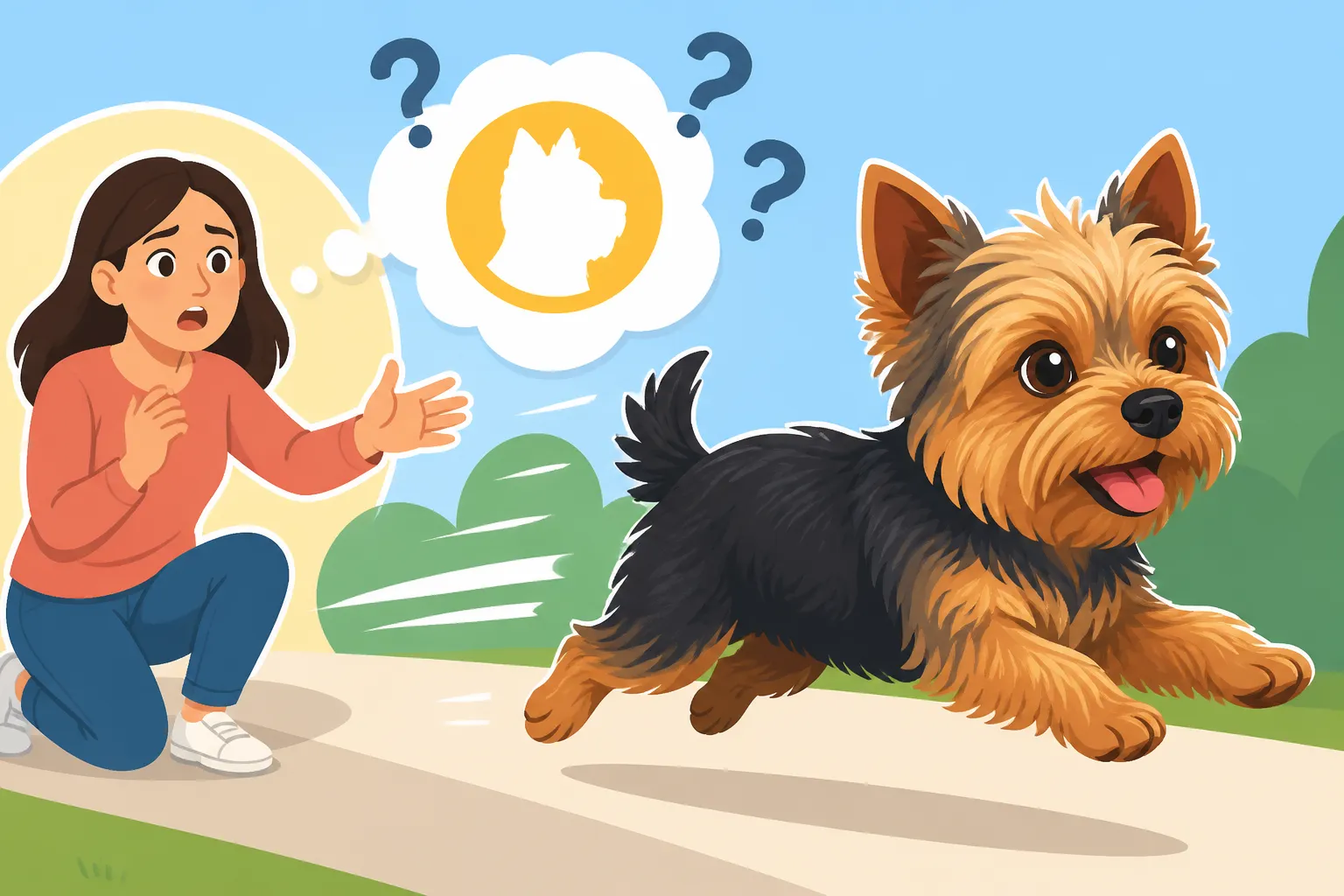
Yorkies are intelligent and can be quite mischievous. For some, when you call them and they don't respond, and then you start chasing them, it quickly turns into a delightful game of "catch me if you can!" They love the attention and the chase, reinforcing the idea that ignoring "come" leads to a fun interaction.
This scenario usually unfolds like this: you call, they trot away, you instinctively move towards them, and they see it as an invitation to run. The more you chase, the more they learn that running away from "come" is a blast. It’s an easy trap to fall into, especially with their small size and quick movements. They're not trying to be disobedient; they're just enjoying the game and the attention, completely unaware of the frustration or potential danger their behavior might cause. This often stems from a lack of clear expectations in their early Yorkshire Terrier Puppy Training Schedule.
They're Too Engrossed in Something Else
Picture this: your Yorkie is nose-deep in an incredibly exciting scent trail, perhaps from a squirrel that just zipped by, or they're having the time of their life digging a tiny hole. In that moment, their brain is completely consumed by that activity.
When you call "come," it's like a distant whisper compared to the siren song of whatever high-value distraction they've found. For a tiny terrier, their world is full of these irresistible temptations. They have a strong prey drive, and their senses are constantly on alert for anything interesting. If they haven't been trained to believe that you offer something even better than that distraction, they'll simply follow their current fascination. This isn't defiance; it's a prioritization of stimuli, and unfortunately, in these moments, you're not at the top of their list without strong conditioning.
The Environment is Overwhelming
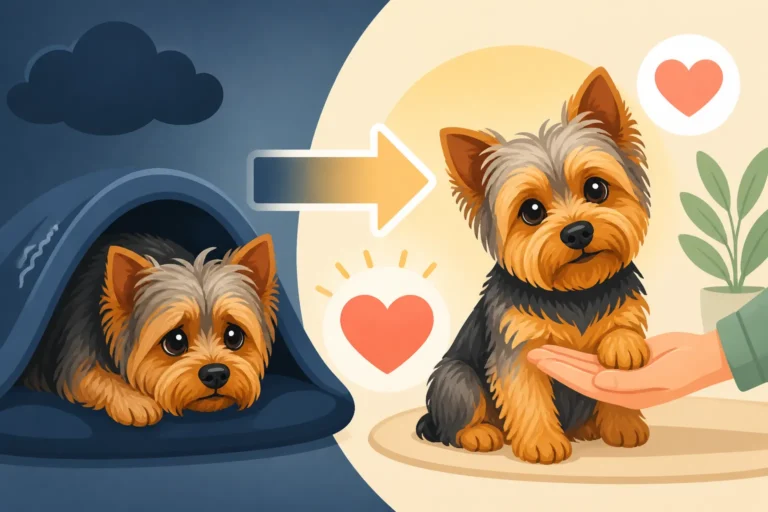
New places, busy parks, or even a sudden loud noise can be incredibly overwhelming for a small dog like a Yorkie. In such situations, their anxiety levels might be high, or they might be so overstimulated that they literally cannot process your command.
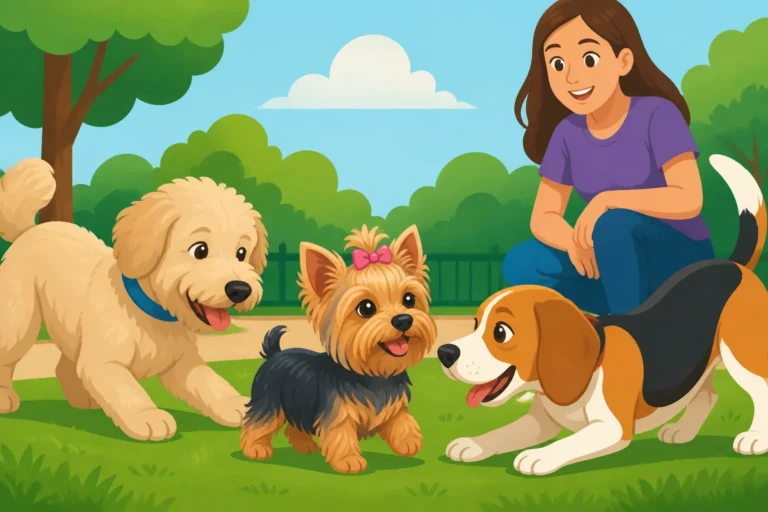
A Yorkie in a new, bustling environment might be experiencing sensory overload. The sheer volume of new sights, sounds, and smells can make it impossible for them to focus on your voice. They might also feel vulnerable in large, open spaces, making them hesitant to leave a perceived safe spot (even if it's just a clump of grass) to come to you. If they're stressed or overstimulated, their ability to learn or respond to commands diminishes significantly. They might freeze, or bolt, rather than engage with you. Ensuring your Yorkie is properly How to Socialize a Yorkshire Terrier can help them handle these environments better.
Practical Strategies to Improve Your Yorkie's Recall
Teaching a reliable "come" isn't about dominance; it's about building trust, creating positive associations, and making yourself the most exciting thing in your Yorkie's world.
Start Fresh with Positive Reinforcement
If your Yorkie's recall is weak, it’s often best to treat "come" as a brand new command. Forget any past failures and start with a clean slate. The key here is to make "come" synonymous with incredible rewards, every single time.
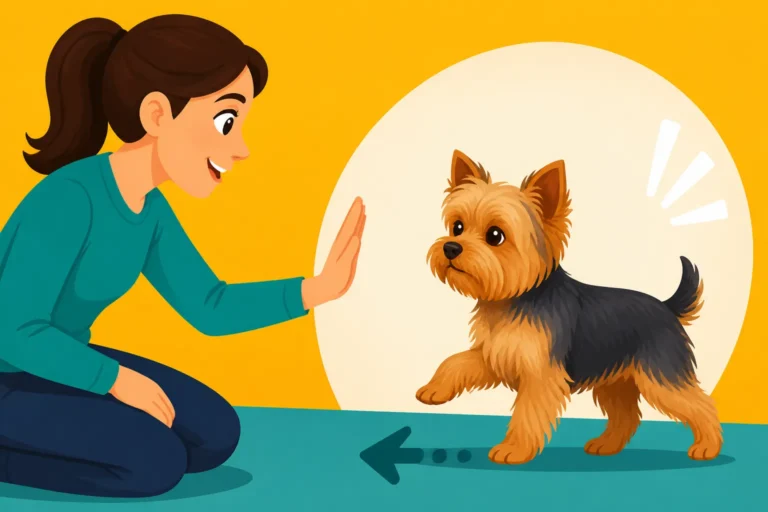
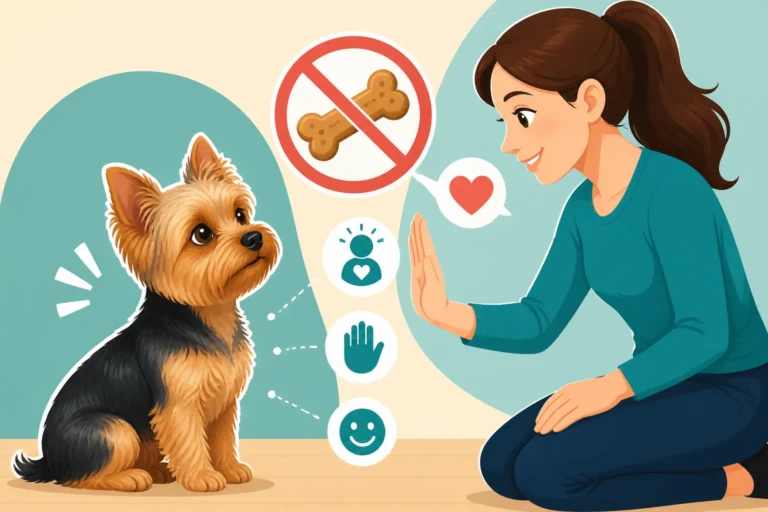
Begin indoors, in a quiet, distraction-free environment. Use a high-value treat – something your Yorkie absolutely adores, like tiny pieces of boiled chicken, cheese, or their favorite soft training treats. Call your Yorkie's name, then say "come!" in an upbeat, excited voice. The instant they take a step towards you, even a tiny one, praise them enthusiastically ("Good come! Yes!") and immediately offer the treat. Lure them all the way to you if necessary, so they learn to physically reach your side for the reward. Repeat this many, many times, making it a super fun game. Don't use "come" in a scolding tone, ever. Always be happy and celebratory. This consistent positive reinforcement builds a strong foundation. For structured guidance, online dog training programs like those offered by BAXTER & Bella can be incredibly helpful, providing step-by-step instructions and support to build a solid recall from the ground up. They emphasize positive methods that Yorkies respond well to.
Practice in Low-Distraction Environments First
Once your Yorkie is consistently coming to you indoors, it's time to gradually introduce minor distractions. This is crucial for building real-world reliability.
Move to a slightly more distracting area, like your quiet backyard or a very calm, enclosed park during off-peak hours. Start with minimal distractions, like a few toys scattered around, or a family member quietly sitting nearby. As your Yorkie gets better, slowly increase the level of distraction. Always ensure success by setting them up for it. If they fail, the distraction was too much, too soon. Always revert to a simpler environment if they struggle. The goal is for them to choose to come to you even when there are other interesting things vying for their attention. Remember, success breeds success! Gradually increasing difficulty helps your Yorkie generalize the command to different situations.
Make "Come" the Most Exciting Thing Ever
Your Yorkie needs to genuinely believe that coming to you is the best decision they can make at any given moment. This means making their reward incredibly appealing.
Think beyond just a single kibble. When they respond to "come," shower them with enthusiastic praise, a flurry of their favorite high-value treats (like small bits of cooked lean meat or cheese), a quick game of tug, or a belly rub if they love it. Vary the rewards so they don't get bored. Sometimes it's a treat, sometimes it's a toy, sometimes it's a happy dance from you. The anticipation of something wonderful makes the "come" command irresistible. If you're struggling to find treats that really motivate them, check out "Best Treats for Training a Yorkie" for ideas that could be a game-changer. Also, don't just call them when it's time to end the fun. Call them, reward them, and then immediately release them back to play. This teaches them that "come" doesn't always mean the good times are over.
Use a Long Leash for Safety and Practice
A long training leash, sometimes called a long line, is an invaluable tool for teaching reliable recall, especially when practicing outdoors in less-controlled environments.
A 15-foot or 30-foot lightweight long line allows your Yorkie to explore a bit, but still gives you control. When you call "come," if they hesitate, you can gently reel them in while continuing to use your cheerful "come!" command and praising them as they approach. This prevents them from practicing ignoring you and ensures they associate the command with physically moving towards you, regardless of distractions. It's a safety net that stops them from bolting and allows you to practice without fear of them running away. You can find these long lines readily available on platforms like Amazon, and choosing one that’s lightweight and comfortable for your small Yorkie is key. Just be sure to never let the long line drag unsupervised, as it can get tangled or caught. This is an essential part of effective Yorkie Leash and Harness Training.
When to Seek Professional Help
While many recall issues can be addressed with consistent home training, some situations warrant professional intervention. It’s always better to seek help sooner rather than later, especially if safety is a concern.
Persistent Issues Despite Consistent Effort
If you've been diligently working on recall, applying positive reinforcement, practicing in various environments, and still find your Yorkie consistently ignoring you or making minimal progress, it might be time to bring in a professional dog trainer.
A trainer can observe your interactions and your Yorkie's behavior with an objective eye, identifying subtle cues or habits that you might be missing. They can pinpoint the exact breakdown in communication or motivation and tailor a training plan specifically for your Yorkie's personality and your lifestyle. Sometimes, it's a simple tweak in your timing, your tone, or your choice of rewards that can make all the difference. They can also help you understand "How to Train a Stubborn Yorkie" if you feel like you're hitting a wall with their strong will. Don't view seeking professional help as a failure; view it as an investment in your Yorkie's safety and your peace of mind.
Safety Concerns or Aggression
If your Yorkie's lack of recall puts them in dangerous situations – darting into the street, approaching unfamiliar dogs aggressively, or getting lost easily – professional help isn't just recommended, it's crucial for their safety.
Similarly, if the inability to recall is linked to or exacerbated by aggression towards other dogs or people, a professional trainer or a veterinary behaviorist should be consulted immediately. These behaviors require expert assessment and a specialized behavior modification plan to ensure the safety of your Yorkie and others. An expert can help diagnose underlying anxiety or fear that might be contributing to their unresponsiveness and provide strategies to manage or overcome it. They can also advise on specific challenges like Yorkshire Terrier Aggression: Causes and Solutions.
Reasons Your Yorkie Isn't Coming When Called
Here's a quick overview of common reasons and potential solutions to help you get started:
| Reason for Poor Recall | Explanation | Quick Fix/Strategy |
|---|---|---|
| Too Distracted | Environmental stimuli (smells, sights, sounds) are more appealing than you are. | Start training in quiet, low-distraction areas. Gradually increase difficulty. |
| Inconsistent Training | "Come" isn't always followed by a positive experience, or isn't used regularly. | Re-teach "come" with high-value rewards every single time. Practice daily. |
| Negative Association | "Come" is often used for things your Yorkie dislikes (baths, leaving fun). | Make "come" a purely positive command. Never use it for punishment. |
| Thinks it's a Game | Yorkie learns that ignoring "come" leads to a fun chase. | Never chase! Instead, turn and run away from them to encourage them to follow. |
| Low Value Rewards | Your treats/praise aren't exciting enough compared to distractions. | Use irresistible, high-value treats and enthusiastic praise. Vary rewards. |
| Overwhelmed Environment | Too many new or intense stimuli cause stress or sensory overload. | Practice in calm, familiar places. Build up to busier areas slowly. |
| Poor Timing | You're calling "come" too late, when they're already fully engrossed. | Call when they are just noticing something, before they get too focused. |
| Lack of Practice | Recall isn't practiced enough in various real-world scenarios. | Incorporate short, fun recall games into daily routines, both indoors and out. |
Disclaimer
This article is intended for informational purposes only and does not constitute veterinary advice. Always consult with a qualified veterinarian or professional dog trainer for any health concerns or before implementing significant changes to your dog's training or care routine.