How to Socialize a Yorkie with Dogs at the Park
Bringing your beloved Yorkshire Terrier to a bustling dog park can feel like throwing a tiny, porcelain teacup into a mosh pit. Many Yorkie parents worry about their little ones being overwhelmed, ignored, or worse, injured by larger, boisterous dogs. It’s a completely valid concern, and it often leads to avoiding dog parks altogether, which means missing out on valuable socialization opportunities. This guide is here to walk you through how to safely and effectively introduce your Yorkie to the dog park environment, helping them build confidence and enjoy canine camaraderie.
Understanding Your Yorkie's Social Nature Before the Park
Before you even think about setting a paw inside a dog park, it’s crucial to understand your Yorkie’s inherent personality and assess their current comfort level with other dogs. This isn't about judging them; it's about setting them up for success. Ignoring these foundational aspects can turn a potentially positive experience into a stressful one for both of you.
Yorkie Temperament and Potential Anxieties
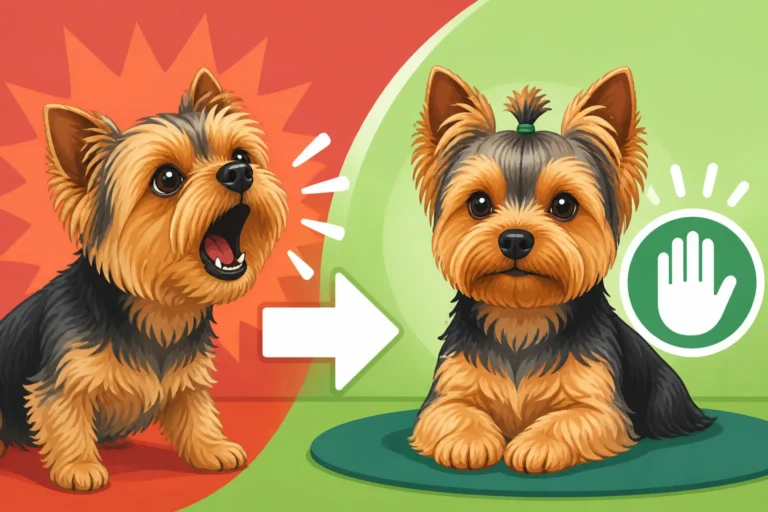
Yorkshire Terriers, despite their small stature, often possess a mighty terrier spirit. They can be confident, feisty, and sometimes even a bit bossy, but they can also be prone to anxiety or timidity, especially if not properly socialized from a young age. Many Yorkies have a strong bond with their human family, which is wonderful, but it can sometimes make them less inclined to engage with strange dogs. They might display "small dog syndrome" tendencies, where they try to compensate for their size by barking excessively or being confrontational, or they might become easily intimidated and overwhelmed. Understanding your individual Yorkie’s unique temperament, whether they lean towards being bold or bashful, is the first step.
For instance, if your Yorkie tends to bark at every dog they see on a leash walk, or tries to hide behind your legs when another dog approaches, a chaotic dog park might be too much, too soon. Conversely, if they're curious and eager to sniff new canine friends, but perhaps a bit reserved, they might just need a gentle push in the right direction. It’s important to acknowledge that some Yorkies might simply prefer human companionship or one-on-one playdates over group romps, and that’s perfectly okay. Don’t force them into a situation they clearly dislike. You might also want to read up on general Yorkshire Terrier Temperament and Personality to get a broader understanding of the breed's typical traits.
Assessing Your Yorkie's Current Social Skills
How does your Yorkie behave around other dogs in less intense settings? This assessment is key. Think about your daily walks: Do they sniff politely? Do they bark and lunge? Do they avoid eye contact and try to pull away? A good way to gauge their current social comfort is to observe them in controlled environments, like a quiet neighborhood street with a single, calm dog, or during a supervised playdate with a known, friendly dog. Have they had opportunities to interact with various breeds and sizes, or have their interactions been limited?
Consider enrolling in a puppy class or an adult obedience class if they haven't had much exposure. These classes, like those offered through local pet stores or even online platforms like BAXTER & Bella, provide structured environments for socialization under the guidance of a professional trainer. This way, your Yorkie learns to interact appropriately with other dogs while you learn to read their subtle cues. If your Yorkie shows signs of Yorkie Aggression: Causes and Solutions or Yorkie Separation Anxiety: Signs and Fixes even in milder situations, addressing these underlying issues with a professional trainer should be your priority before attempting a dog park visit. The goal is for your Yorkie to be curious and comfortable, not fearful or overly aggressive, before stepping into a free-for-all environment.
Preparing for a Positive Dog Park Experience
Once you have a good handle on your Yorkie’s social baseline, it’s time to think about the practical aspects of a dog park visit. Preparation can make all the difference between a fun outing and a frantic dash for the exit. This isn't just about packing treats; it's about strategic planning to ensure safety and enjoyment.
Essential Gear for Park Visits
Being properly equipped is non-negotiable, especially for a small breed like a Yorkie. Their safety is paramount, and the right gear can help manage encounters and provide security.
- Secure Harness and Leash: Forget the collar for a dog park. A good-fitting harness is crucial because it distributes pressure evenly across your Yorkie's chest, preventing potential tracheal damage, which Yorkies are prone to (like Yorkshire Terrier Collapsing Trachea: Signs and Care). It also makes them much harder to slip out of if they get spooked. Look for a harness that is snug but not restrictive. Many excellent options are available on Amazon that are specifically designed for small breeds, offering comfort and security. Always keep your Yorkie on a leash until you are inside the designated off-leash area and have assessed the environment.
- High-Value Treats: Bring an ample supply of small, delicious, high-value treats (like freeze-dried chicken or tiny pieces of cheese). These are your secret weapon for positive reinforcement, distracting your Yorkie if needed, and rewarding good behavior. They can also be used to create positive associations with other dogs or the park environment itself.
- Water and Collapsible Bowl: Dog parks can be dehydrating, especially on warmer days. Always carry fresh water for your Yorkie in a travel bottle and a collapsible bowl. Sharing communal water bowls can spread illnesses, so it’s always best to have your own.
- Identification: Ensure your Yorkie is wearing tags with your current contact information, and that their microchip details are up-to-date. Accidents happen, and a lost Yorkie is a terrifying thought.
- Poop Bags: This should go without saying, but always bring more poop bags than you think you’ll need. Being a responsible dog owner means cleaning up after your pet.
Having these items ready minimizes stress and allows you to focus on your Yorkie and their interactions, rather than scrambling for necessities. Think of it as your "dog park survival kit."
Gradual Introduction Strategies
You wouldn't throw a child who's never swam into the deep end of a pool, right? The same logic applies to your Yorkie and the dog park. Gradual exposure is key to building confidence and preventing overwhelm.
- Observation First: Before letting your Yorkie off-leash (or even entering the main area), spend some time outside the park fence, observing the dogs already there. Look for a time when there are fewer dogs, and the energy level is calm and relaxed, not boisterous and overwhelming. Early mornings or late evenings are often good times. Pay attention to the types of dogs present: are there many large, rowdy dogs, or a mix of sizes and temperaments? This reconnaissance mission helps you choose the optimal time and day for your Yorkie's first foray.
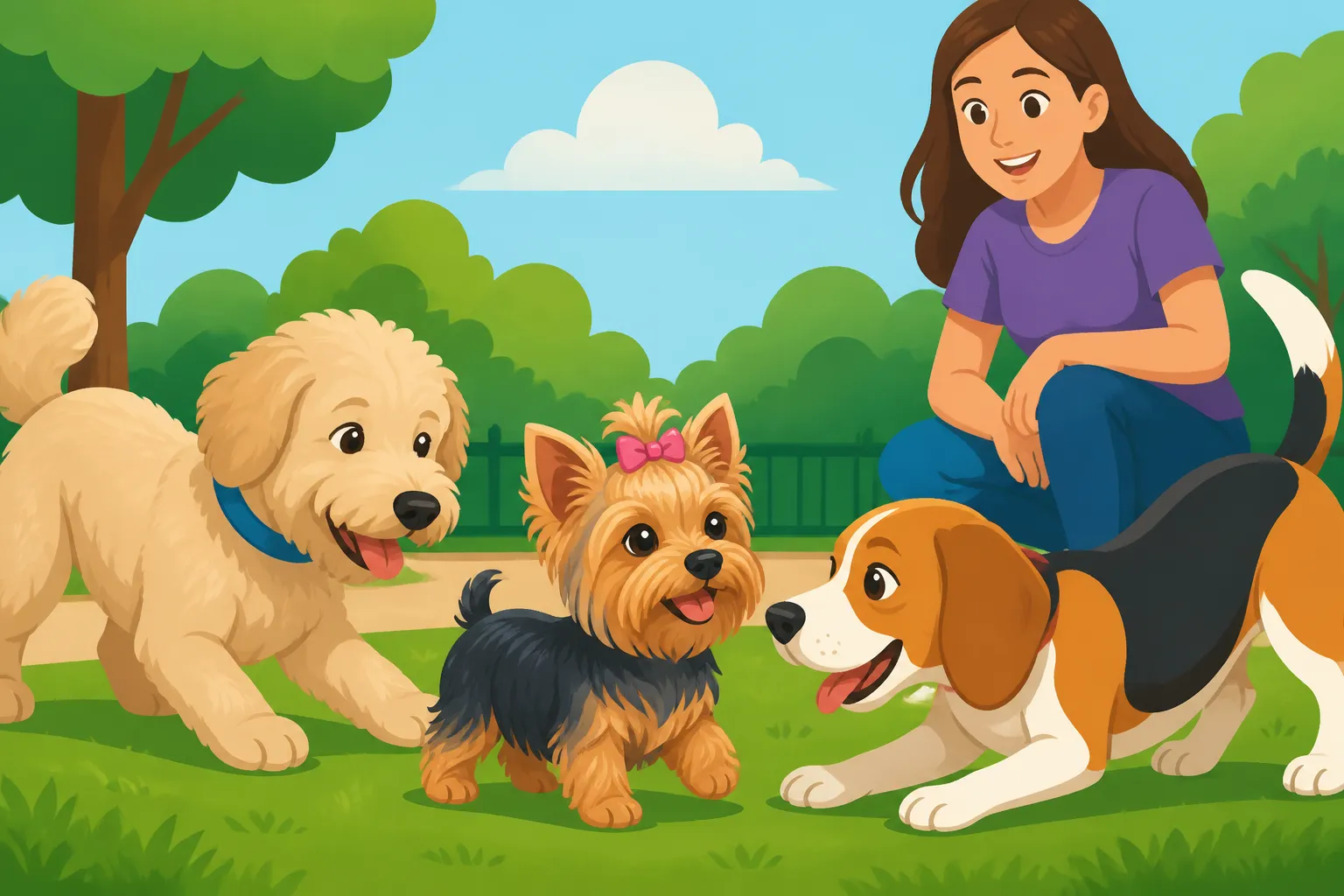
- Start Small and Short: On their first visit, aim for a short stay – maybe just 10-15 minutes. The goal isn't marathon play; it’s a positive, low-stress introduction. If your park has separate small dog areas, always start there. This provides a much safer environment where your Yorkie won't feel intimidated by larger breeds. If no such area exists, choose a quieter corner of the main park.
- Leashed Walks on the Perimeter: For the very first few visits, you might keep your Yorkie on their leash and simply walk the perimeter of the off-leash area, allowing them to sniff and observe from a distance. This gives them a chance to acclimate to the sights, sounds, and smells without the pressure of direct interaction. Use those high-value treats to reward calm behavior and positive attention towards you. This approach is similar to how you might How to Introduce a Yorkie to Other Dogs in a more controlled home setting.
Remember, every step should be about positive association. If your Yorkie seems stressed, anxious, or fearful at any point, it’s always best to retreat and try again another day. Pushing them too hard too fast can create negative associations that are much harder to undo.
Navigating the Dog Park Successfully
You’ve prepared, you’ve chosen the right time, and your Yorkie seems ready to engage. Now comes the actual navigation of the dog park. This requires vigilance, understanding, and the ability to act quickly to ensure your Yorkie's safety and continued enjoyment.
Reading Dog Body Language (Yours and Others)
Dog parks are a masterclass in canine communication, and it's essential that you become fluent in reading body language – both your Yorkie's and the other dogs'.
- Your Yorkie's Cues: Watch for signs of stress or fear in your Yorkie. These can include a tucked tail, flattened ears, lip licking, yawning (when not tired), turning away, trying to hide behind you, growling, or excessive barking. If you see these signs, it's time to create distance or leave. Conversely, signs of positive engagement include a relaxed body, loose tail wags (not stiff, rapid ones), playful bows, and soft, open mouths. Don't mistake a stiff tail wag and tense body for enjoyment; sometimes a dog is simply anxious but trying to appear friendly. Pay close attention to Why Is My Yorkie Shaking or trembling, as this can be a strong indicator of fear or anxiety.
- Other Dogs' Cues: Be equally aware of the other dogs in the park. Look for relaxed, polite dogs with loose body movements. Avoid dogs that are:
- "Bullying": Continuously chasing, pinning, or herding other dogs, especially smaller ones, without reciprocal play.
- Overly Aroused: Barking incessantly, growling, or displaying stiff, high tails and intense stares.
- Ignoring Correction: Dogs that don't respond to their owner's calls or repeatedly pester other dogs despite clear signs of discomfort.
- Sick or Injured: Dogs that are limping, coughing, or showing other signs of illness should be avoided, as they might be more irritable or spread contagions.
Before letting your Yorkie interact, give a quick scan. If a larger dog approaches your Yorkie with a stiff body, direct stare, or an open mouth that isn't relaxed, immediately step in and physically block the interaction or pick up your Yorkie if necessary. It’s better to be overly cautious than to regret an incident. If your Yorkie is having Yorkie Breathing Problems Explained, high-energy play with larger dogs could exacerbate it, so keep a close eye.
When introducing your Yorkie to another dog, try to make it a calm, parallel walk for a moment before allowing closer sniffing, if the other dog's owner agrees. Always keep interactions brief and positive.
When to Intervene or Leave
Knowing when to step in or when to make an exit is perhaps the most critical skill for a dog park owner, especially with a small dog like a Yorkie. Your primary responsibility is your Yorkie's safety and well-being.
- Intervention: You should intervene immediately if:
- Your Yorkie is showing clear signs of fear or distress.
- Another dog is being too rough, even if they mean no harm. What's "play" to a Golden Retriever can be dangerous to a 7-pound Yorkie.
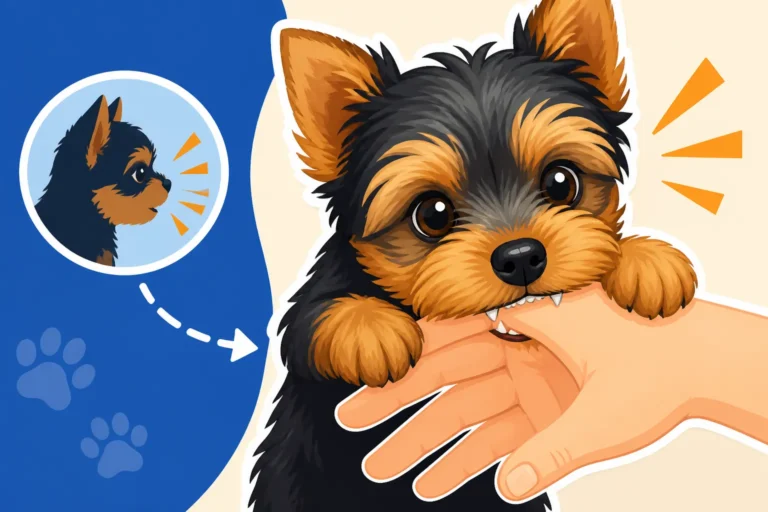
- Your Yorkie is engaging in unwanted behavior, such as excessive barking, mounting, or nipping another dog. This is where those training lessons come in handy, using a "leave it" or "come" command with a high-value treat.
- Any dog fight or aggressive encounter breaks out nearby. Remove your Yorkie from the area at once.
Intervention can mean stepping between your Yorkie and another dog, calmly recalling your Yorkie to you (using your positive reinforcement techniques), or physically picking them up if they are in immediate danger. Don't be shy about advocating for your dog's safety. If an owner isn't managing their dog, it's perfectly acceptable to remove your Yorkie from the situation.
- Leaving the Park: Don’t hesitate to leave the park if:
- The overall energy level is too high or chaotic, with too many dogs running wildly.
- There are too many dogs of drastically different sizes, and the larger dogs aren't being adequately supervised by their owners.
- Your Yorkie is consistently seeking you out, hiding, or trying to leave the area.
- You notice any signs of aggression, either from your Yorkie or other dogs, that aren't being addressed.
- You or your Yorkie are simply not having a good time. A positive experience is short and sweet. A negative one, even if short, can set back your socialization efforts significantly. Remember, socialization is about positive exposure, not forced endurance. There's no shame in calling it a day early; it shows you're prioritizing your dog's emotional state.
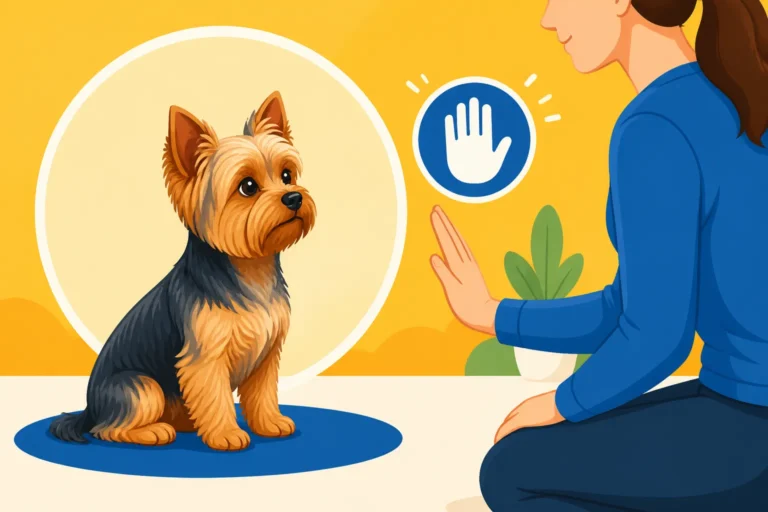
One of the most valuable resources you can have for these situations is a strong recall. If your Yorkie reliably comes when called, you can quickly remove them from any uncomfortable or potentially dangerous situation. Working on their How to Teach a Yorkie to Come and How to Teach a Yorkie to Leave It commands is paramount before extensive off-leash park visits.
Post-Park Reflection and Continued Socialization
A successful dog park visit isn't just about what happens during the actual time there; it's also about what you do before and after. Reflection helps you learn and adapt, and continued socialization ensures your Yorkie maintains and improves their social skills.
Debriefing and Learning from Each Visit
After each trip to the dog park, take a few moments to "debrief." Think about what went well and what could have been better.
- What was your Yorkie's overall demeanor? Were they confident, timid, or overwhelmed? Did they engage in play, or mostly stick by your side?
- What was the park environment like? Were there specific dogs or situations that caused stress or joy?
- How did you handle any challenging moments? Did you intervene effectively? Did you leave when you should have?
- What could you do differently next time? Maybe try a different time of day, a different section of the park, or even a different park altogether.
Keeping a mental note, or even a quick journal, of these observations can help you fine-tune your approach for future visits. You might notice patterns, such as your Yorkie being more comfortable with smaller dogs, or preferring calmer play rather than rough-and-tumble games. This reflection is crucial for preventing Yorkie Training Mistakes to Avoid and ensuring continuous improvement in your socialization efforts. It's an ongoing learning process for both you and your little companion.
Alternative Socialization Options
It's important to realize that the dog park isn't the only way to socialize your Yorkie, and for some Yorkies, it might not even be the best way. If your Yorkie consistently finds dog parks overwhelming or stressful, there are plenty of other options to help them develop well-adjusted social skills.
- Structured Playdates: Arrange one-on-one playdates with a friend's known, friendly, and calm dog (preferably of a similar size or a very gentle larger dog). This controlled environment allows for positive interactions without the chaos of multiple unknown dogs. This is often the ideal scenario for a sensitive Yorkie.
- Doggy Daycare: For Yorkies who enjoy dog company, a reputable doggy daycare can be a fantastic option. Look for facilities that separate dogs by size and temperament, have experienced staff, and emphasize positive play and supervision. This provides consistent, supervised socialization.
- Group Walks: Join local dog walking groups or meet-ups. Walking together on leash can be a great way for dogs to get used to each other's presence without the pressure of off-leash play. This also offers a chance for your Yorkie to develop social skills in a structured setting.
- "Sniffari" Walks: Take your Yorkie on walks in different neighborhoods or parks (on-leash, of course!). Allowing them to explore new scents and environments provides mental stimulation and passive socialization as they encounter other dogs and people from a safe distance. This is a form of Mental Stimulation Games for Yorkies that doesn't involve direct interaction but builds confidence.
The goal of socialization is to help your Yorkie feel comfortable and confident in the world, not just with other dogs, but with different sights, sounds, and people. If the dog park isn't contributing positively to that goal, there's no harm in exploring other avenues. The most important thing is that your Yorkie feels secure and happy in their interactions, whatever form they may take.
Taking your Yorkie to the dog park can be a rewarding experience, fostering their confidence and providing much-needed mental and physical stimulation. However, it's not a one-size-fits-all solution, and it requires careful planning, constant vigilance, and an empathetic understanding of your small companion. By understanding your Yorkie's personality, equipping yourself properly, and prioritizing their comfort and safety above all else, you can help them navigate the exciting, sometimes chaotic, world of the dog park successfully. Patience, observation, and a willingness to adapt are your greatest tools in ensuring your Yorkie enjoys a rich, social life.
Disclaimer
This article is intended for informational purposes only and is not a substitute for professional veterinary advice. Always consult with a qualified veterinarian or certified professional dog trainer regarding any health concerns, behavioral issues, or before implementing any new training methods for your Yorkshire Terrier. Individual results may vary based on your dog's specific temperament, health, and training history.