How to Teach a Yorkie to Stay
It's incredibly frustrating when you're trying to teach your spirited Yorkshire Terrier a basic command like "stay," only for them to treat it like a suggestion rather than a rule, bolting to greet a visitor or chase a falling leaf. Their little minds are often buzzing with so much energy and curiosity, making it feel like an uphill battle to get them to hold still. This guide is here to walk you through a clear, step-by-step process, offering realistic advice and empathetic insights to help your Yorkie master the "stay" command, bringing more calm and safety into both your lives.
Understanding the "Stay" Command for Your Yorkshire Terrier
When we talk about teaching a dog to "stay," it sounds simple enough, right? Just stand there. But for a tiny, intelligent, and often busy breed like a Yorkshire Terrier, it’s a command that requires a significant amount of self-control, focus, and trust in you. They aren't just holding still; they're resisting their natural urges to move, explore, and be close to their favorite human.
What "Stay" Really Means for a Small Dog
For a Yorkie, "stay" means remaining in a specific position (like a sit, down, or even stand) in a particular spot until you give them a release cue. It's not just a momentary pause; it's a commitment to immobility. This command is a cornerstone of good canine manners and safety. Imagine you're opening the front door for a delivery, and you need your Yorkie to not dart out. Or you're at the dog park, and you want them to remain put while you fetch a dropped leash. These are real-world scenarios where a reliable "stay" is invaluable. It's about building their confidence in waiting and trusting that you'll always come back for them or give them the all-clear. It’s also a powerful tool for impulse control, which is something many small, excitable dogs really benefit from developing.
Why Yorkies Often Struggle with Staying Still
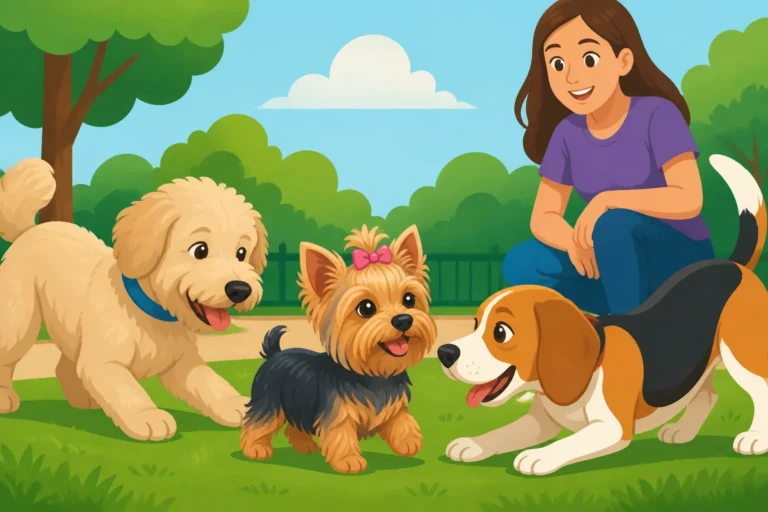
Let's be honest, Yorkies weren't bred to sit quietly for long periods. These little dynamos were originally bred in Yorkshire, England, as ratters in mills and mines. That means they have a natural prey drive, a keen sense of their surroundings, and an abundance of energy packed into their small frames. Their intelligence is a double-edged sword; while they can learn quickly, they also get bored easily and might decide their own agenda is more exciting than yours. A stray crumb, a rustling leaf, or the sound of your neighbor's voice can instantly hijack their attention.
Additionally, their small size often means they've been inadvertently trained to be carried or picked up, limiting opportunities to practice self-control on their own four paws. Owners, ourselves included, sometimes make the mistake of not expecting as much from a tiny dog as we would a larger one, leading to less consistent training. Their endearing, often sassy, personalities can also make us laugh off their disobedience, rather than address it firmly but kindly. Understanding these inherent traits and common owner behaviors is the first step in approaching "stay" training with patience and realistic expectations. They're not being stubborn to spite you; they're often just being a Yorkie!
Foundation Skills Before Introducing "Stay"
Before you even utter the word "stay," your Yorkie needs a strong grasp of a few fundamental commands. Think of it like building a house: you wouldn't start framing the walls before laying a solid foundation. These prerequisite skills will give your Yorkie the confidence and understanding needed to truly grasp what "stay" means.
Mastering the "Sit" and "Down" Commands
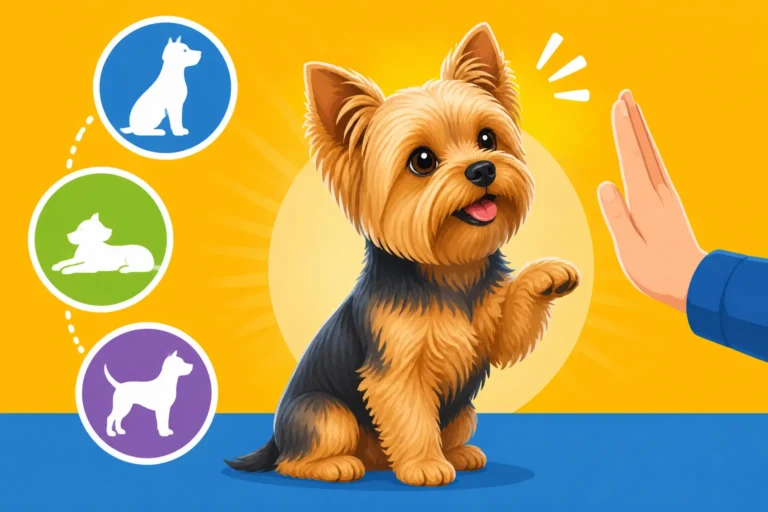
The "stay" command is almost always taught from another position. The most common and easiest starting points are "sit" and "down." If your Yorkie can reliably sit or lie down on command, they're already halfway there. This means they should be able to hold the "sit" or "down" for a few seconds before you even start asking for a "stay."
To strengthen their "sit" and "down," practice in various locations with minimal distractions. Use high-value treats (small, soft, and super yummy, like tiny pieces of boiled chicken or cheese) and plenty of verbal praise. When they sit or lie down, mark the behavior with a verbal "yes!" or a clicker, then immediately give the treat. Gradually increase the duration they hold the position before rewarding. For a deeper dive into this, check out our guide on How to Teach a Yorkie to Sit. The goal here is instant and consistent response to these foundational commands.
The Power of Positive Reinforcement
Yorkies thrive on positive reinforcement. They want to please you, especially if there's a tasty reward involved. Punishing them for not "staying" can lead to anxiety, fear, and a breakdown in trust, making future training much harder. Instead, focus on rewarding the behaviors you want to see. This means celebrating every tiny success, even if it's just holding still for one extra second.
Keep your training sessions short, fun, and upbeat, especially with a breed prone to short attention spans. Five to ten minutes, a few times a day, is far more effective than one long, boring session. Use a cheerful tone of voice, enthusiastic praise, and those irresistible high-value treats. You can find a fantastic selection of treats and other training aids on platforms like Amazon, or explore structured programs like those offered by BAXTER & Bella, which emphasize positive, force-free methods. Consistency and patience are key here, not sternness.
Leash and Harness Comfort
Before working on "stay," ensure your Yorkie is completely comfortable wearing a leash and harness. A sudden pull or an uncomfortable harness can distract them or make them associate training with discomfort. For small dogs like Yorkies, a harness is generally recommended over a collar for walks, as it reduces pressure on their delicate trachea, which can be prone to issues like Yorkshire Terrier Collapsing Trachea: Signs and Care.
Practice putting on their harness and leash in a calm environment, offering treats as you do so. Let them wear it around the house for short periods, supervised, so it becomes a normal part of their day. When they're comfortable and not bothered by their gear, you can use the leash as a gentle safety net during "stay" training, without it being a source of stress. This helps build a secure and comfortable training experience from the very beginning.
Step-by-Step Guide to Teaching Your Yorkie to "Stay"
Alright, now that your Yorkie has their foundational "sit" or "down" down pat and is comfortable in their harness, it's time to introduce the "stay" command. Remember, we're building this skill incrementally, celebrating every small victory.
Step 1: Start Small and Build Duration
Begin in a quiet, distraction-free environment, like your living room, with your Yorkie already in a "sit" or "down" position.
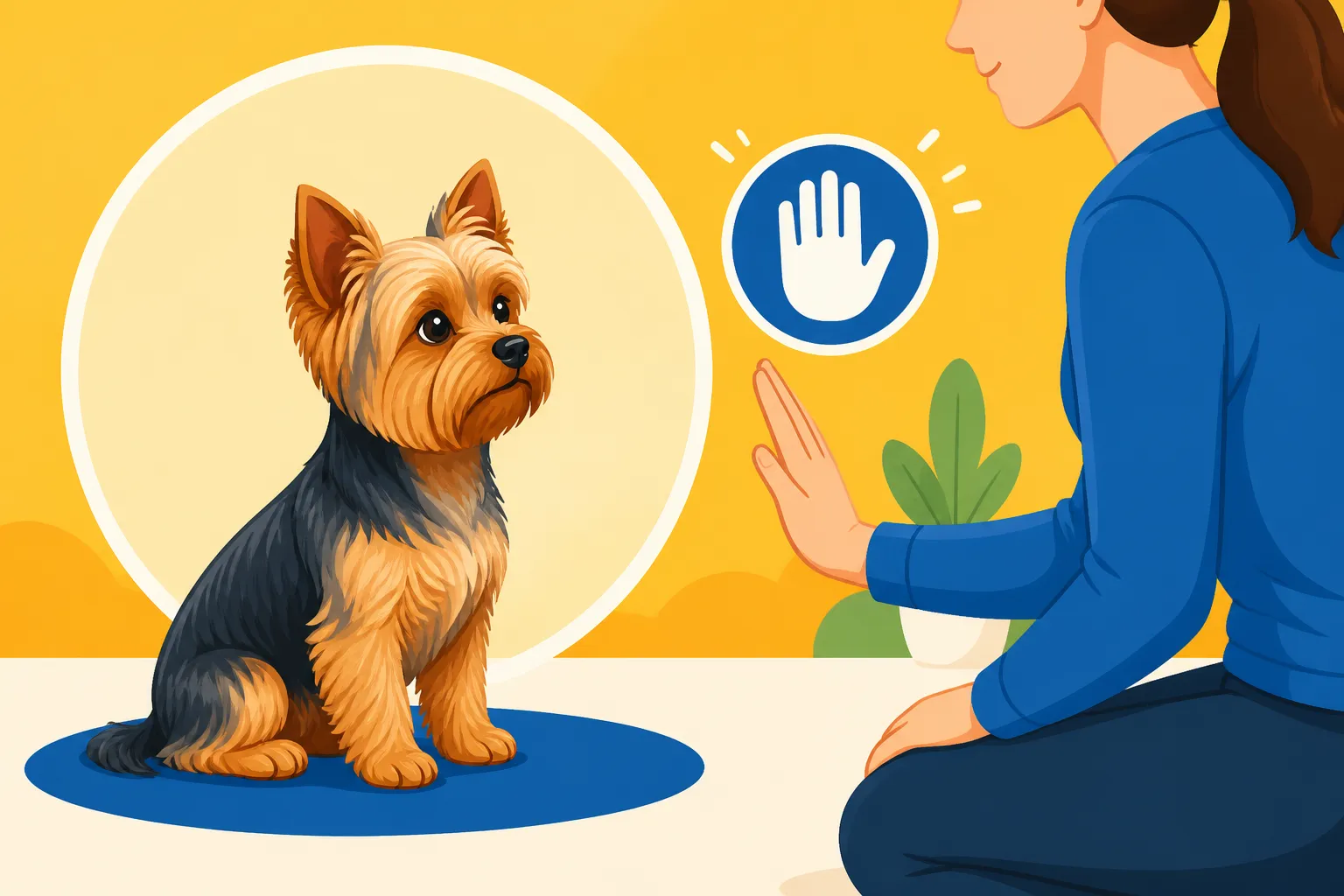
- Give the Command: Say "Stay" clearly and calmly, extending an open palm toward your Yorkie like a gentle stop sign.
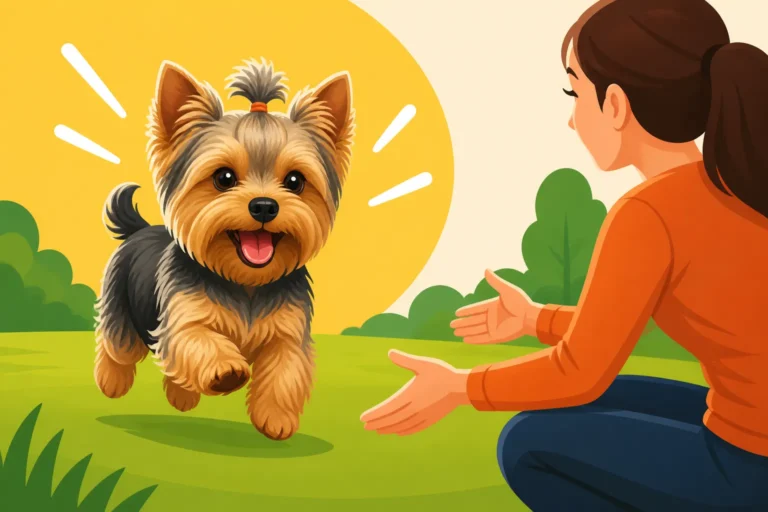
- Take One Step Back: Take one single step away from your Yorkie.
- Return and Reward: Immediately step back to your Yorkie, say your release word (like "Okay!" or "Free!") enthusiastically, and give them a treat and praise. The key here is to reward before they have a chance to move.
- Repeat: Do this several times. If your Yorkie moves, don't scold them. Simply reset them to their original position (without giving a treat) and try again. Your goal is for them to associate "stay" with holding their position and getting a reward.
Once they reliably hold for one step back, gradually increase the duration. Instead of immediately returning, pause for one second before returning and releasing. Then two seconds, then three. Always release and reward before they break the stay.
Step 2: Add Distance and Gentle Distractions
Once your Yorkie can hold a "stay" for a few seconds with you standing right in front of them, it's time to increase the challenge.
- Increase Distance: From the "sit" or "down" position, give the "Stay" command. Instead of just one step, take two steps back, then return, release, and reward. Gradually increase the number of steps you take away. You might even walk in a small circle around them.
- Introduce Mild Distractions: Start with very subtle, non-threatening distractions. Maybe you rustle a piece of paper, or drop a soft toy a few feet away. The distraction should be just enough to test their focus but not so overwhelming that they fail. If they break, make a mental note that the distraction was too much, reset, and try an easier one.
- Practice in New Environments: Once they're solid indoors, move to a slightly more stimulating environment, like a quiet backyard or a calm room with a window overlooking a quiet street. Each new environment is like starting fresh, so you'll need to go back to shorter durations and distances initially. Remember, consistency is vital in these new settings.
Step 3: Mastering the Release Word
The release word is just as important as the "stay" command itself. It tells your Yorkie when their job is done and they are free to move.
- Choose a Clear Word: Pick a word you don't use often in everyday conversation, like "Okay!" "Free!" or "Break!"
- Always Use It: Never let your Yorkie break a "stay" without hearing their release word first. If they break prematurely, gently guide them back to their spot, reset, and try again.
- Pair with Reward: When you say your release word, immediately follow it with a treat and enthusiastic praise. This reinforces that waiting for the release word leads to good things. Make it exciting! They should be eager to hear that word.
Over time, your Yorkie will learn that "stay" means "don't move until you hear this word, and then you get a reward!" This predictability builds trust and reinforces the desired behavior. Regularly practicing their "stay" in short, fun bursts, even just for 30 seconds at a time, will build a reliable command. You can even find great interactive training tools on platforms like Amazon that can help make these sessions more engaging.
Troubleshooting Common "Stay" Challenges
Even with the best intentions and the clearest steps, teaching a Yorkie to "stay" can throw up some unique challenges. Their spirited nature and small size mean they often respond differently than larger, more placid breeds. Don't get discouraged! These are common hurdles, and with a little adjustment, you can overcome them.
My Yorkie Breaks Stay Instantly
This is probably the most common frustration, right? You say "Stay," take a single step, and bam! Your Yorkie is right at your heels. This usually means you've moved too quickly or the reward isn't motivating enough.
- Adjust Your Pace: Go back to the absolute basics. Ask for a "sit" or "down," say "Stay," and simply hold your hand signal for one second without moving. Immediately return your hand, say your release word, and reward. Practice this many times.
- Increase Reward Value: Are you using their absolute favorite treat? For some Yorkies, kibble isn't exciting enough. Try tiny bits of cheese, cooked chicken, or a small training treat like those from Zuke's Mini Naturals (available on Amazon). The higher the value, the stronger the motivation to comply.
- Don't Chase or Scold: If they break, resist the urge to chase them or use a harsh tone. Calmly lead them back to their original spot, reset the command, and try again. They need to learn that breaking "stay" doesn't get them attention or a chase game; it just means restarting.
- Use a Leash: For some stubborn Yorkies, using a light leash (even indoors) can be helpful. When they break, gently guide them back with the leash, say "reset" or "no," and then immediately restart the "stay" command from their original spot. This isn't about pulling them, but gently reminding them of the boundaries.
My Yorkie Won't Even Get Into Position
If your Yorkie is struggling even to hold a "sit" or "down" for a few seconds before you introduce "stay," it's a clear sign you need to reinforce those foundational commands. Think of it this way: you can't teach them to stay in a "sit" if their "sit" itself isn't solid.
- Go Back to Basics: Spend more time specifically on How to Teach a Yorkie to Sit and "down." Make those commands 100% reliable in a distraction-free environment before reintroducing "stay."
- Make it Fun: Use a toy instead of a treat if your Yorkie is more toy-motivated. Wiggle it enticingly to lure them into position, then immediately reward with play or the toy itself.
- Break It Down: If "sit" is hard, can they do a half-sit? Reward the approximation and build up. Some Yorkies, especially puppies, might need this extra step. For specific guidance on puppy training, consult our Yorkshire Terrier Puppy Training Schedule.
Distractions Are Too Overwhelming
Yorkies have keen senses, and a sudden noise, a person walking by, or even a leaf blowing past the window can make them forget all about "stay." It's not that they're being defiant; they're just following their instincts.
- Gradual Exposure: Remember the mantra: start small. If a full-blown park is too much, try practicing near a closed window first. Then an open window with distant sounds. Then perhaps a quiet corner of a public park during off-peak hours.
- Increase Value of Reward: When adding distractions, you often need to increase the value of your reward. That tiny piece of kibble might not compete with a squirrel, but a sliver of steak might!
- Use a "Look at Me" Command: Teach your Yorkie a "look at me" command where they make eye contact on cue. This can be a brilliant tool to redirect their attention back to you when a distraction pops up during a "stay." Practice this command separately until it's rock-solid.
- Professional Help: If you're really struggling, especially with managing distractions, consider enrolling in an obedience class or consulting a professional dog trainer. Programs like BAXTER & Bella offer online resources and one-on-one coaching that can provide tailored advice for your specific Yorkie. Sometimes an outside perspective can make all the difference, especially when you feel like your Yorkie Not Listening: What to Do.
Progressive Training Stages for "Stay"
| Stage | Environment | Your Distance from Yorkie | Duration of Stay | Distractions Introduced | Reward Value |
|---|---|---|---|---|---|
| Beginner | Quiet, indoors | 1-3 steps | 1-5 seconds | None | High-value treats |
| Intermediate | Indoors, quiet yard | 3-10 steps | 5-30 seconds | Mild (e.g., gentle noise, toy) | High-value treats |
| Advanced | Varied, quiet park | Out of sight (briefly) | 30-60+ seconds | Moderate (e.g., people, birds) | Very high-value treats/praise |
| Mastery | Busy public areas | Significant distance | Several minutes | High (e.g., other dogs, kids) | Highest-value treats/life rewards |
Remember that progressing through these stages isn't linear. You might need to go back a stage if a new distraction proves too challenging. Always end on a positive note, even if it means doing an easier "stay" at the end of a session.
Final Thoughts and Maintaining the "Stay"
Teaching your Yorkshire Terrier to "stay" is a journey, not a destination. It requires ongoing practice, patience, and a deep understanding of your little companion's unique personality. It’s about building a consistent routine and reinforcing good habits over time.
Consistency and Daily Practice
Short, frequent training sessions are far more effective than long, sporadic ones. Aim for 5-10 minutes, two to three times a day. Integrate "stay" into your daily routine: ask your Yorkie to "stay" while you put their food bowl down (and then release them to eat), or while you open the door to let guests in. This makes the command practical and relevant to their life. The more they practice it in real-world scenarios, the more reliable it becomes. Consistency from everyone in the household is also crucial. Ensure every family member uses the same command, hand signal, and release word. If your Yorkie is having other behavior problems, our guide to Yorkshire Terrier Behavior Problems and Solutions might offer some additional helpful insights.
Making "Stay" a Positive Experience
Never use "stay" as a punishment or in a way that creates anxiety. Your Yorkie should associate "stay" with good things happening – praise, treats, and eventually, the freedom of their release word. Keep your tone light and encouraging. If you're feeling frustrated, it's okay to take a break and come back to it later. Their keen senses will pick up on your mood.
Remember, a reliable "stay" is a gift you give your Yorkie. It keeps them safe in potentially dangerous situations, helps manage their boundless energy, and reinforces their bond with you. It’s an act of love to invest this time in their training, and seeing their proud little faces when they nail it is one of the most rewarding parts of being a Yorkie parent. For more general advice on maintaining your Yorkie's health and happiness, don't forget to check out our comprehensive guide on How to Keep a Yorkshire Terrier Healthy.
Disclaimer
This article provides general information and recommendations regarding training your Yorkshire Terrier. Every dog is an individual, and results may vary. It is always advisable to consult with a professional dog trainer or veterinary behaviorist for personalized advice, especially if your Yorkie exhibits aggressive behavior, severe anxiety, or other significant behavioral challenges. The brand mentions (Amazon, BAXTER & Bella) are for contextual information and not direct endorsements.