Why Does My Yorkie Keep Running Away
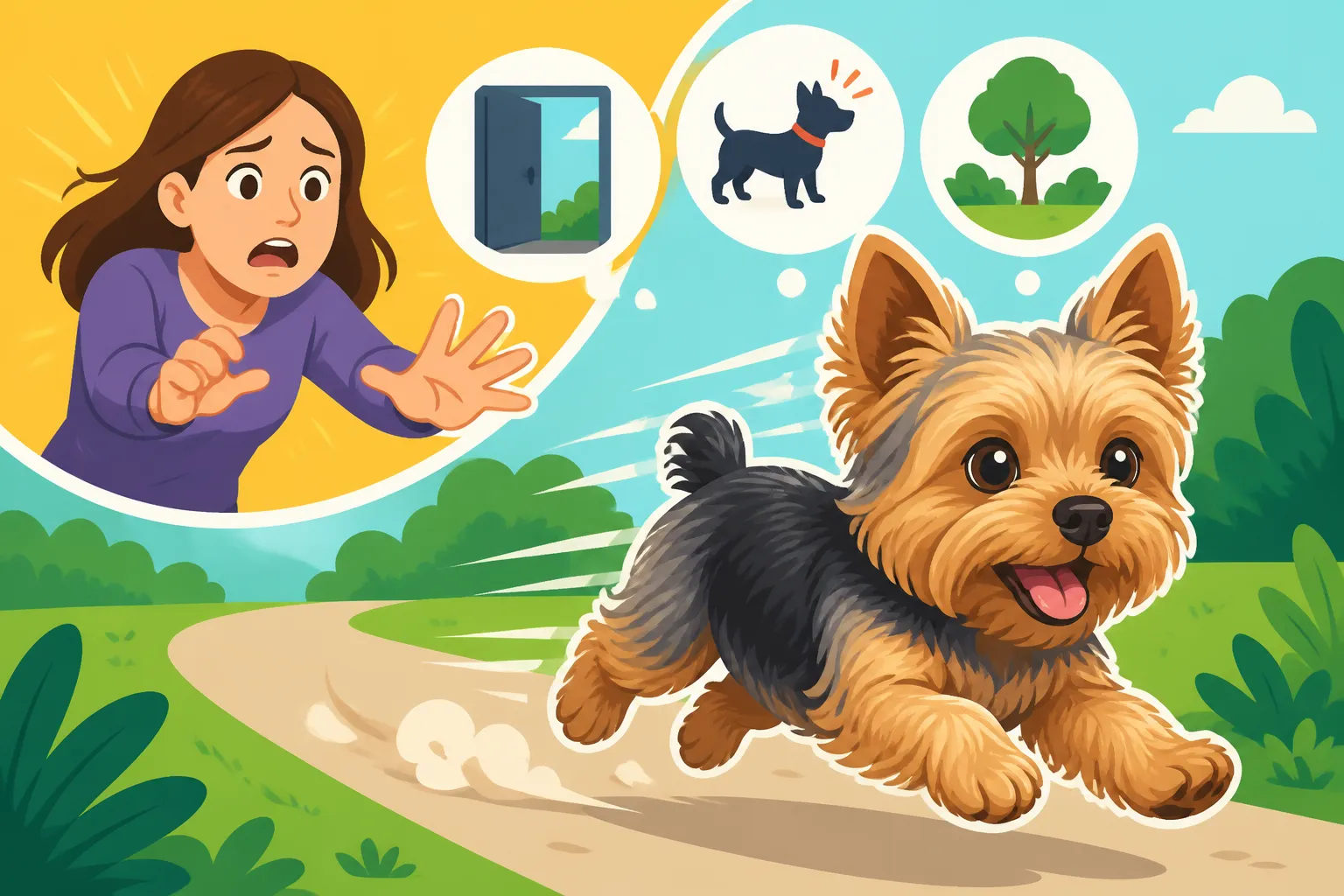
It’s a heart-stopping moment many Yorkie parents know all too well: you turn your back for a second, the door creaks open just a crack, or a gap appears in the fence, and suddenly, your tiny terror is off like a shot. That immediate surge of panic, the frantic calling of their name, the desperate dash after a little blur of fur – it’s exhausting, terrifying, and leaves you wondering why your beloved Yorkshire Terrier keeps running away. This comprehensive guide is here to help you understand the motivations behind your Yorkie's disappearing acts and provide actionable strategies to prevent future escapes, bringing peace of mind back to your home.
Understanding the Yorkie's Instinct to Roam
While your Yorkie might look like a pampered lapdog, remember their heritage. These small dogs were originally bred as working terriers, designed to hunt vermin in the mills and mines of Yorkshire, England. This means they possess a strong prey drive and an inherent curiosity that can often override their desire to stay by your side, especially if something exciting catches their attention.
The Terrier Drive and Curiosity
That tenacious "terrier-tude" isn't just for barking at the mailman; it's a deep-seated instinct to explore, chase, and investigate. For a Yorkie, the world outside your door is an endless landscape of new scents, sounds, and potential adventures. A fluttering leaf, a scurrying squirrel, or even the scent of another dog from blocks away can trigger their powerful prey drive and curiosity, sending them off on an unscheduled expedition. They're not necessarily trying to abandon you; they're simply following an impulse that's been hardwired into their breed for generations. They might dart out of an open door or slip under a fence not out of defiance, but because something has piqued their interest in a way that’s incredibly compelling to their small, energetic minds.
Small Dog, Big World: Overcoming Fear and Seeking Adventure
It’s easy to think of tiny Yorkies as delicate creatures, but many of them carry a surprisingly bold spirit. While some might be initially timid, others see themselves as pint-sized adventurers, ready to conquer the great outdoors. This duality means that a Yorkie might run away for different reasons. A timid Yorkie might bolt in a moment of fear or overstimulation, seeking an escape from something perceived as threatening. Conversely, a confident Yorkie might simply be looking for excitement, eager to explore new territories or track an interesting smell. Their small size makes the world feel vast and full of novelties, and their high energy means they often have the zoomies to act on these impulses before you even realize they’re gone.
Common Reasons Why Yorkies Bolt
Identifying why your Yorkie runs away is the first critical step toward preventing it. It’s rarely out of malice or a lack of love for you; more often, it stems from deeply ingrained instincts, unmet needs, or a lack of proper training. Understanding these triggers can help you address the root cause rather than just reacting to the escape itself.
Lack of Training and Recall Issues
One of the most frequent culprits behind a bolting Yorkie is insufficient training, particularly when it comes to recall. Yorkies are intelligent dogs, but like all small breeds, they can be a bit stubborn and have a reputation for being challenging to train if consistency isn't key. If your Yorkie hasn't learned that coming when called is always rewarding and non-negotiable, a sudden distraction can easily overpower any fledgling recall commands. They might know "come" inside the house, but the outdoor world presents a whole new level of temptation. A strong recall isn't just about yelling their name louder; it’s about building a positive association and trust that coming back to you is the absolute best choice they can make. Many owners struggle with this, and it's a common area where dedicated effort can make a huge difference. You might find guidance in articles such as How to Teach a Yorkie to Come.
Environmental Triggers and Distractions
The outside world is a wonderland of sensory input for a Yorkie, and it can quickly overwhelm their focus. Think about it:
- Prey Drive: A squirrel scampering up a tree, a rabbit hopping through the bushes, or even a bird fluttering past can instantly trigger their hunting instincts. Once that chase mode is activated, it’s incredibly hard for them to break focus.
- Novelty and Curiosity: New smells are like reading a newspaper for dogs. The scent of another dog, a recent barbecue, or even the lingering smell of a wild animal can be an irresistible invitation for exploration.
- Loud Noises or Sudden Movements: A car backfiring, a child screaming, or a sudden gust of wind rattling a fence can startle a Yorkie, causing them to bolt in fear or confusion, seeking an escape from the perceived threat.
- Other Dogs or People: If your Yorkie is highly social (or even overly reactive), the sight of another dog or an interesting person might be enough to send them dashing off to investigate or interact.
These environmental factors are powerful motivators and can make an otherwise well-behaved Yorkie forget all their training in an instant.
Seeking Companionship or Escaping Loneliness
Yorkies are deeply attached to their human companions and thrive on interaction. They are not dogs that do well being left alone for extended periods. If a Yorkie feels lonely, bored, or isn't getting enough attention, they might seek to "find" their pack by escaping the confines of your home or yard. This isn't them running away from you in anger, but rather running towards the possibility of company or stimulation, which they hope to find beyond the fence. This often manifests as separation anxiety, a common issue in many small breeds. For more insights on this, you might explore resources like Yorkshire Terrier Separation Anxiety Solutions. A Yorkie with separation anxiety might try to escape if left alone too long, believing they need to go find their missing human.
Unaddressed Needs: Hunger, Thirst, or Potty
Sometimes, the reason for a daring escape can be as simple as an unmet basic need. If your Yorkie is suddenly very hungry, thirsty, or desperately needs to go to the bathroom, and they perceive no immediate relief inside, they might try to find it elsewhere. This is particularly true for potty needs. If they haven't been let out regularly or their potty training isn't completely solid, an open door can look like the quickest path to relief, especially if they’re prone to Yorkie Potty Training Regression.
| Reason for Bolting | Underlying Motivation | Quick Solution |
|---|---|---|
| Prey Drive | Chasing small animals | Secure leashing, strong recall, physical barriers |
| Curiosity/Exploration | Investigating new smells/sights | Leash walks, mental stimulation, supervised yard time |
| Fear/Startle Response | Escaping perceived threats | Secure environment, desensitization, positive reinforcement |
| Loneliness/Boredom | Seeking companionship/activity | Increased interaction, toys, mental games, dog walker/daycare |
| Unmet Basic Needs | Hunger, thirst, potty | Consistent feeding/potty schedule, fresh water, regular outdoor access |
| Lack of Training | Doesn't understand "come" | Consistent, positive reinforcement recall training |
Practical Strategies to Prevent Your Yorkie from Running Away
Once you understand why your Yorkie might be making a break for it, you can start implementing practical, proactive strategies to prevent future escapes. This isn't just about punishment; it's about making your home a secure and stimulating environment, and ensuring your Yorkie is well-trained and understands boundaries.
Reinforcing Recall and Obedience Training
A solid recall is your absolute best defense against a bolting Yorkie. This isn't a "sometimes they listen" command; it needs to be reliable, even amidst distractions.
- Start Small and Build Up: Begin practicing "come" in a quiet, distraction-free environment, like your living room. Use high-value treats (think tiny pieces of cooked chicken or cheese) and make it a party when they respond. The moment their nose points your way, celebrate! Slowly introduce more distractions, always ensuring success before moving to the next level.
- Make Yourself More Interesting: Why should your Yorkie come to you when there’s a squirrel to chase? You need to be the most exciting thing around. Use a happy, encouraging tone, offer amazing rewards, and don't always grab them or end the fun when they come. Sometimes, call them, reward them, then let them go back to sniffing. This builds a positive association.
- Enroll in Classes or Online Courses: Sometimes, having a structured approach helps. Many local dog training facilities offer small dog classes, or you can find excellent online resources. BAXTER & Bella, for example, offers comprehensive online training programs that can guide you through building a reliable recall step-by-step, no matter where you live. Their approach focuses on positive reinforcement, which is perfect for sensitive Yorkies.
- Consistency is Key: Everyone in the household needs to use the same commands and reward system. Inconsistent training will only confuse your Yorkie and weaken their response. Remember, training is an ongoing process, not a one-time fix. For more general guidance on their behavior, consider resources like How to Train a Yorkshire Terrier.
Securing Your Home and Yard
Physical barriers are crucial, especially for such small, agile dogs. Don't underestimate a Yorkie's ability to squeeze through tight spaces or jump surprisingly high.
- Fence Check: Walk your yard perimeter diligently. Look for gaps under gates, loose fence boards, or areas where your Yorkie could dig under. Even a small hole can be an escape route for a determined Yorkie. Consider burying chicken wire or concrete blocks along the fence line if digging is an issue. Make sure your gates have secure latches that your Yorkie can't accidentally open or nudge open.
- Door Management: This is where most escapes happen. Teach your Yorkie boundary training for doors (e.g., "wait" before going outside). Install baby gates or a second barrier inside entryways, especially if you have children who might not always remember to close the door properly. Always check your surroundings before opening any exterior door.
- Leash Up: Even in a fenced yard, if you're not actively supervising, it’s safer to keep your Yorkie on a leash, especially if they have a history of escapes or you're still working on recall. For walks, ensure you have a secure, well-fitting harness. A standard collar can put pressure on their delicate trachea, and they can easily slip out of it. Look for harnesses with a secure fit, readily available on platforms like Amazon, where you can find brands like Ruffwear or Kurgo designed for small, active dogs. You can find more information on appropriate walking gear in Yorkie Leash and Harness Training.
Providing Adequate Stimulation and Exercise
A bored Yorkie is a mischievous Yorkie, and mischief often leads to escape attempts. Meeting their physical and mental needs can significantly reduce the urge to roam.
- Regular Exercise: Despite their size, Yorkies need daily exercise. This doesn't mean marathon runs, but consistent, brisk walks. Aim for at least 20-30 minutes of walking twice a day, if possible. This burns off excess energy and satisfies their need for exploration in a controlled manner. A walk around the neighborhood provides plenty of new sights and smells. You can learn more about their activity needs in Yorkshire Terrier Exercise Needs.
- Mental Enrichment: Physical exercise alone isn't enough. Yorkies are smart and need to use their brains.
- Puzzle Toys: Toys that dispense treats when manipulated keep them engaged. Brands like KONG and Nina Ottosson offer a variety of difficulty levels.
- Training Sessions: Short, fun training sessions (5-10 minutes) throughout the day can be mentally stimulating. Teach them new tricks beyond basic commands.
- Sniffing Games: Hide treats around the house and let them use their nose to find them. This taps into their natural hunting instincts in a safe environment.
- Interactive Play: Play games like fetch (with appropriate-sized toys), tug-of-war, or even just chasing a feather toy. Interactive play strengthens your bond and provides an outlet for their energy.
Using Management Tools and Technology
Beyond traditional training and physical barriers, several tools can add an extra layer of security.
- GPS Trackers: If your Yorkie is an escape artist, a miniature GPS tracker can be a lifesaver. Devices like the Tractive GPS tracker attach to their collar or harness and allow you to track their location in real-time via a smartphone app. This gives you peace of mind knowing that if they do get out, you have a much higher chance of finding them quickly. These are widely available on Amazon and other pet supply retailers.
- Long Lines for Outdoor Training: When practicing recall in an open, unfenced area, a long line (a 20-30 foot lightweight leash) allows your Yorkie to explore while still giving you control. This bridges the gap between leashed walks and off-leash reliability.
- Smart Collar/Fence Systems: For persistent escape artists with a yard, a professionally installed wireless or in-ground electronic fence system can be considered. These systems use a mild, harmless static correction or a tone to create a boundary your Yorkie learns to respect. However, these should always be used with proper training and never as a substitute for supervision, especially for small dogs who might run through a correction if highly motivated. Always ensure it's specifically designed and safely configured for small breeds.
What to Do If Your Yorkie Does Run Away
Despite your best efforts, sometimes escapes still happen. Knowing what to do in that stressful moment can significantly increase the chances of a swift and safe reunion. Panic is natural, but acting quickly and strategically is paramount.
Immediate Steps to Take
Every second counts when a small dog like a Yorkie goes missing. They are vulnerable to traffic, larger animals, and getting lost easily.
- Stay Calm (as much as possible): Your panic can transmit to your dog if they're still within earshot, potentially making them more fearful or hesitant to approach.
- Call Their Name Clearly and Happily: Don't shout angrily. Use a high-pitched, happy voice, as if you have the best treat in the world. If they associate their name with good things, they might be more inclined to respond.
- Don't Chase: For a small dog, being chased can feel like a game or a threat, and they might run faster or further. Instead, turn your body away from them, crouch down, and continue calling their name in an enticing voice. You can also pretend to run away from them in the opposite direction – this sometimes triggers their natural instinct to follow.
- Entice with Familiar Sounds/Smells: Shake a treat bag, squeak their favorite toy, or open a can of wet food. The sound might be more recognizable than your voice in a stressful situation. Leave a worn piece of your clothing or their favorite blanket/bed near the escape point – your scent can guide them back.
- Check Immediate Vicinity: Yorkies are small and can hide in surprisingly tiny spaces – under bushes, behind sheds, or in culverts. Systematically check all immediate hiding spots.
Utilizing Community and Digital Resources
If your Yorkie isn't found immediately, expand your search quickly.
- Alert Neighbors: Knock on doors, show pictures, and ask them to check their yards, garages, and under cars. Many people are happy to help in a pet emergency.
- Contact Local Shelters and Animal Control: File a lost pet report immediately with all local animal shelters, humane societies, and animal control agencies in your area, and provide a clear photo and description. Visit them in person if possible; sometimes descriptions can be vague, and seeing your dog yourself is the most reliable way.
- Post on Social Media: Utilize local lost pet groups on Facebook, Nextdoor, and other community platforms. Post clear photos, the last known location, and any distinguishing features. Sites like PetFinder, PawBoost, and the American Kennel Club's (AKC) Reunite program can also help spread the word.
- Create "Lost Dog" Posters: Print flyers with a clear photo, your contact information, and a brief, compelling description. Post them in high-traffic areas around your neighborhood, including vet offices, pet supply stores, and local community boards.
- Don't Give Up: Many lost pets are reunited with their families weeks or even months after going missing. Continue your search, update your posts, and regularly check shelters. In dire situations, you can also explore how to recruit the help of a professional pet tracker.
By understanding your Yorkie's natural instincts, addressing potential triggers, implementing consistent training, and securing their environment, you can significantly reduce the chances of your tiny escape artist making another break for it. The peace of mind that comes with a secure, happy, and well-behaved Yorkie is truly priceless.
Disclaimer
This article provides general information and advice regarding Yorkshire Terrier behavior and care. It is not a substitute for professional veterinary or behavioral consultation. Always consult with a qualified veterinarian for any health concerns or a certified professional dog trainer for specific behavioral issues. Individual results from training methods may vary.