Yorkie Leash and Harness Training
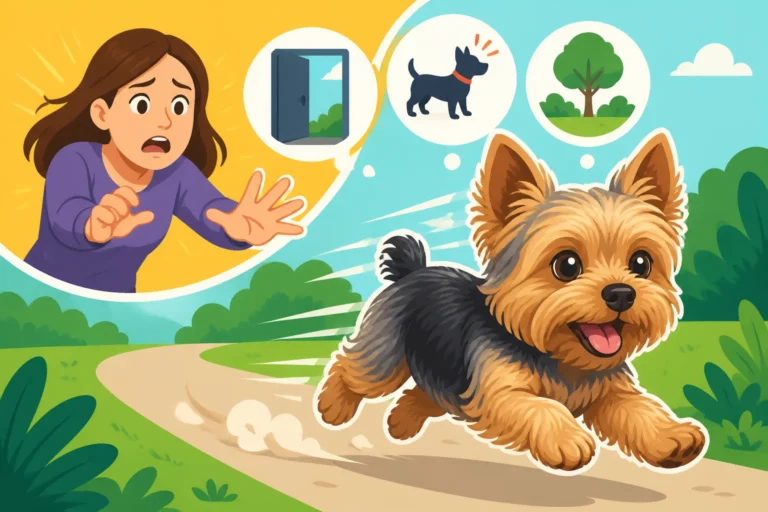
Oh, the sheer joy (and sometimes utter frustration!) of walking a Yorkshire Terrier on a leash! Many of us Yorkie parents have been there – either dragged along by a determined fluffball who suddenly thinks they’re a sled dog, or trying to coax a tiny, trembling pup to take even one step. It's not just about control; it's about safety, comfort, and creating positive experiences for your little companion. This guide is here to walk you through everything you need to know about successfully leash and harness training your Yorkshire Terrier, ensuring enjoyable strolls for both of you.
Why Leash and Harness Training is Essential for Your Yorkie
Training your Yorkie to walk politely on a leash with a harness isn't just a nicety; it's a fundamental part of their well-being and a crucial safety measure. These tiny dogs, for all their bravado, are quite delicate, and traditional collars can pose significant risks.
Protecting Your Yorkie's Delicate Trachea
One of the most compelling reasons to use a harness instead of a collar for your Yorkshire Terrier is to protect their incredibly fragile trachea. Yorkies are unfortunately prone to a condition known as Yorkshire Terrier Collapsing Trachea: Signs and Care Collars, especially those attached to a leash, put direct pressure on this vital airway. Even a slight pull from a Yorkie, who can be quite a strong little puller when they get excited, can cause irritation, coughing, or even long-term damage to the trachea.
Imagine going for a walk, and every time your little one lunges at a squirrel or gets excited meeting another dog, they let out a series of honking coughs. It's heartbreaking to witness and entirely preventable. A harness distributes pressure evenly across their chest and shoulders, completely bypassing the neck area. This simple switch can save your Yorkie a lot of discomfort and potentially serious health issues down the line. It's a small change that makes a huge difference in their daily comfort and overall health. If you're wondering Why Harnesses Are Better Than Collars for Yorkies this is the primary reason.
Enhancing Safety and Control
Beyond protecting their neck, a well-fitted harness and a properly managed leash offer significantly better control, which translates directly to your Yorkie's safety. Yorkies are intelligent, curious, and often possess a surprising amount of prey drive, given their terrier heritage. A sudden dart after a bird or an unexpected lunge into traffic can happen in a flash. With a collar, a quick pull might cause them to slip out or choke.
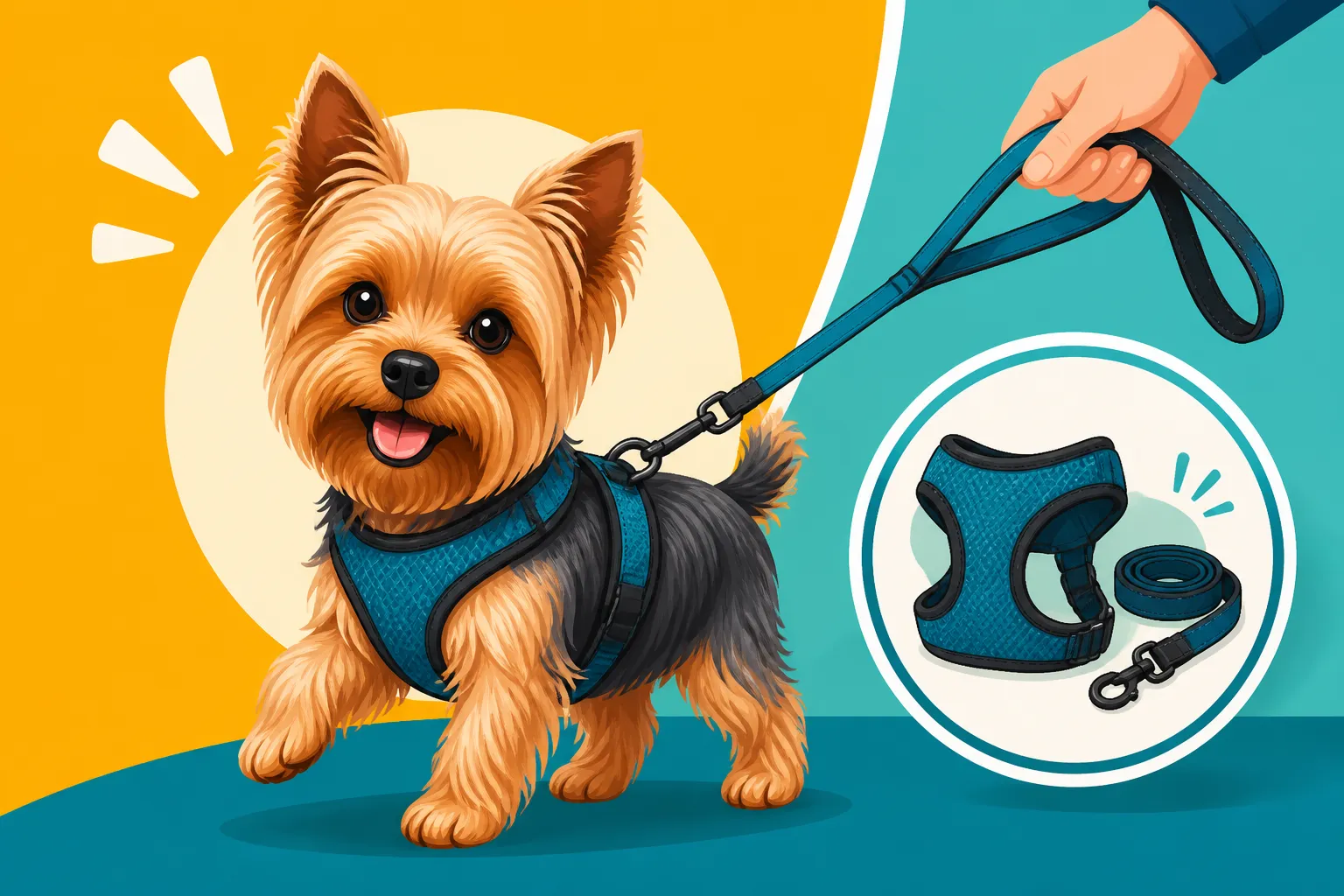
A harness, however, wraps securely around their body, making it much harder for them to escape. This secure fit gives you peace of mind, especially in busy environments like a city park or a bustling street. It also provides a better leverage point if you need to gently guide them away from something dangerous or redirect their attention. The added control means you can navigate crowded areas or unexpected encounters with greater confidence, knowing your precious pup is safely secured by your side.
Fostering Positive Socialization
Leash and harness training is also indispensable for proper socialization. A well-socialized Yorkie is a happier, more confident dog, less prone to fear-based aggression or excessive barking. Regular walks in varied environments expose your Yorkie to new sights, sounds, smells, and people, all of which are crucial for their development. However, this can only happen safely and effectively if they are comfortable and secure on their leash.
If your Yorkie is constantly struggling, choking, or getting tangled, their outdoor experiences will be stressful rather than enriching. A positive association with their harness and leash means they’ll be more eager to explore the world with you. This foundation allows you to gradually introduce them to other dogs, friendly strangers, and new places, building their confidence and helping them become well-adjusted members of your community. Think of it as opening up their world safely and pleasantly. You can learn more about how to do this in our guide on How to Socialize a Yorkie Puppy.
Choosing the Right Gear: Harnesses and Leashes for Your Yorkie
Selecting the right equipment is paramount for a successful and comfortable training experience. For Yorkies, specific considerations apply due to their small size and delicate build.
Understanding Harness Types and Benefits
Not all harnesses are created equal, especially when it comes to tiny breeds like Yorkies. The goal is to find one that is secure, comfortable, and prevents pressure on their neck.
- Vest Harnesses: These are often the best choice for Yorkies. They distribute pressure over a wide area of the chest and back, making them incredibly comfortable and virtually impossible to slip out of. They're typically made of soft, breathable fabric, which is perfect for their delicate skin and coat. Brands like Gooby or Puppia offer popular soft vest harnesses that many Yorkie owners swear by. You can find a wide variety of options and read reviews on Amazon to help you make an informed decision.
- H-Style Harnesses (Step-in or Overhead): These harnesses have straps that form an 'H' shape over the back and chest. They are generally good, but ensure the front strap sits well below the throat, resting on the chest bone, not too high up where it could still press on the trachea. A properly fitted H-style harness can be quite secure and less bulky than a vest.
- Front-Clip Harnesses: While excellent for discouraging pulling in larger dogs, these can be a bit awkward for very small breeds like Yorkies, as the leash attachment point is on the chest. However, if your Yorkie is a particularly strong puller, some petite front-clip options might be worth exploring, ensuring it fits snugly without restricting movement.
When trying on any harness, ensure you can comfortably fit two fingers under all straps. It should be snug enough that they can't back out of it, but not so tight that it restricts their movement or rubs their skin. Always prioritize comfort and safety over fashion! If you’re unsure, a vet or professional groomer can often help with fitting. For more specific recommendations, check out our guide on the Best Harness for a Yorkshire Terrier.
Selecting the Ideal Leash
The leash is your primary communication tool with your Yorkie during walks. Its length, material, and weight all play a role in the training and walking experience.
- Length: For everyday walks and training, a 4 to 6-foot leash is generally ideal. This length provides enough slack for your Yorkie to explore a little, sniff around, and feel some freedom, while still keeping them close enough for you to maintain control and safety. A 6-foot leash gives them a bit more room, which can be great for sniffy walks in quieter areas. For initial training on how to teach a Yorkie to walk on a leash, starting with a 4-foot leash can make it easier to keep them close.
- Material: Nylon and leather are the most common and durable materials. Nylon leashes are often lighter, come in various colors, and are usually more affordable. Leather leashes are incredibly durable, comfortable to hold, and become softer over time, but they can be a bit heavier and pricier. Avoid retractable leashes, especially during training, as they teach your dog that pulling extends their freedom, which is the opposite of what you want. They also offer less control and can be dangerous for small dogs.
- Weight: This is crucial for a Yorkie. A heavy, bulky leash will pull down on their small harness and can be uncomfortable, even making them reluctant to move. Look for lightweight leashes with small, lightweight clips or clasps that won't overwhelm your tiny pup. Many small dog leashes are designed with this in mind, making them comfortable for your Yorkie to wear without feeling weighed down.
A good leash should feel comfortable in your hand too. After all, you’ll be holding it for the duration of your walks. Consider one with a padded handle if you find your hands getting sore, especially during longer training sessions.
Step-by-Step Guide to Leash Training Your Yorkie
Getting your Yorkie comfortable and confident on a leash is a process that requires patience, positive reinforcement, and consistency. Rushing it will only lead to frustration for both of you.
Acclimating Your Yorkie to the Harness
Before you even think about attaching a leash, your Yorkie needs to be completely comfortable wearing their harness. This isn't usually an overnight process, especially for sensitive or young puppies.
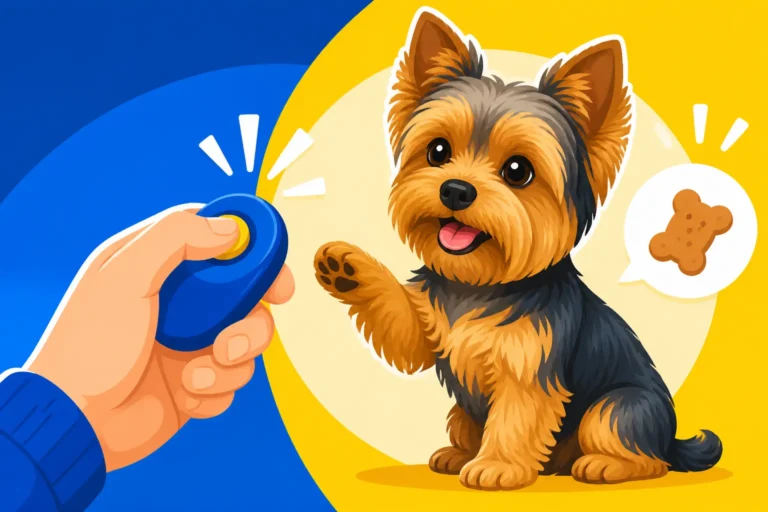
- Introduce the Harness Positively: Start by simply showing your Yorkie the harness. Let them sniff it, explore it, and even treat them just for looking at it. Don’t force it on them. The goal is for them to associate the harness with good things. You can drop treats near it, or even feed them a meal next to it for a few days.
- Short Wearing Sessions: Once they seem relaxed around the harness, try putting it on for very short periods inside your home. Distract them immediately with a favorite toy or some high-value treats (small pieces of cooked chicken or cheese work wonders for Yorkies!). Take it off after a minute or two, still rewarding them. Increase the duration gradually over several days or even a week. The idea is that the harness predicts good things and then comes off before they get annoyed.
- Making it Routine: Once they’re tolerating it well, incorporate wearing the harness into their daily routine, such as before meal times or playtime. This helps them understand it's a normal part of their day. Never leave the harness on unsupervised, especially with puppies, as it can snag on things or they might chew it. By consistently pairing the harness with positive experiences, your Yorkie will start to view it as a signal for fun activities rather than something uncomfortable.
Mastering the Leash Indoors
Once your Yorkie is a pro at wearing the harness, it’s time to introduce the leash, starting in the low-distraction environment of your home.
- Attach and Drag (Supervised!): Clip the lightweight leash to the harness and let your Yorkie drag it around the house for a few minutes, always under strict supervision. This helps them get used to the feel and weight of the leash without you holding it. Keep the sessions short and fun, again, pairing it with treats and praise.
- First Holds and Follows: Once they ignore the dragging leash, pick up the leash. Don't pull or lead them immediately. Just hold it gently. As they move around, follow them. If they walk towards you, praise and treat them. The goal here is to introduce the idea of a gentle connection.
- Encourage Movement: Use treats or a favorite toy to encourage them to take a few steps. Hold a treat near their nose and slowly move backward, saying "let's go!" or "come!" As they take a step towards you, reward instantly. Practice walking a few steps, rewarding, stopping, and repeating. Keep it upbeat and positive. This is the foundation for How to Teach a Yorkie to Walk on a Leash.
Remember, short, frequent sessions (5-10 minutes) are much more effective than one long, tedious one. Yorkies have short attention spans, especially puppies.
Moving Training Outdoors
The outdoor world is a whole new ballgame, full of exciting (and distracting!) stimuli. Transition slowly and thoughtfully.
- Start in a Quiet Area: Don’t take your Yorkie to a bustling park for their first outdoor leash walk. Choose a quiet backyard, a calm sidewalk, or a low-traffic cul-de-sac. The fewer distractions, the better.
- Keep it Positive and Short: Continue with the positive reinforcement you used indoors. Every successful step, every moment of not pulling, gets a treat and praise. Keep these initial outdoor sessions very short – just a few minutes, gradually increasing duration as they gain confidence. The idea is to make every outdoor excursion a positive, manageable experience.
- Introduce Basic Commands: Use commands like "let's go" to initiate movement and "wait" or "stop" when you pause. Reward them for responding. If they start to get overwhelmed or scared, gently pick them up, offer comfort, and try again when they're calmer. Don't force them into situations that are too much too soon. For more structured guidance, online training programs like those offered by BAXTER & Bella can be invaluable, providing step-by-step videos and support for navigating outdoor training challenges.
Troubleshooting Common Yorkie Leash Training Challenges
Even with the best intentions and gear, leash training a Yorkie isn't always smooth sailing. These little dogs have big personalities and some common hurdles.
Dealing with Pulling and Tugging
It might seem impossible that such a tiny dog can pull so hard, but Yorkies can surprise you! Pulling is a very common issue, often because they're so excited to explore or haven't learned that a loose leash is the goal. How to Stop Yorkie Leash Pulling is a frequently asked question.
- The "Stop and Go" Method: This is one of the most effective techniques. The moment your Yorkie starts to pull, stop walking immediately. Stand still like a tree. Only when the leash slackens (even for a second) do you praise them and start walking again. If they pull again, stop again. Consistency is key here. They will quickly learn that pulling gets them nowhere, but a loose leash keeps them moving forward.
- Change Direction: Another variation is to abruptly change direction when they pull. If they're pulling forward, turn and walk the other way. This constantly keeps them guessing and forces them to pay attention to your movements, rather than just pulling ahead.
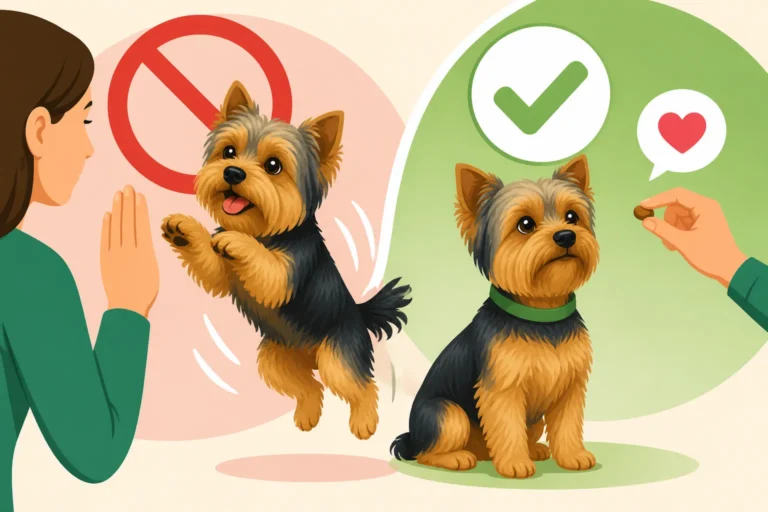
- Reward Loose Leash Walking: Actively reward your Yorkie when the leash is loose. Don't just reward them for not pulling; reward them for actively walking nicely beside you. Randomly drop treats next to your leg while the leash is slack. This reinforces the desired behavior strongly. Small, high-value treats work best.
Managing Fear and Reluctance to Walk
Some Yorkies, especially those who weren't well-socialized as puppies or who have had negative experiences, can be fearful or simply refuse to walk on a leash. This can be incredibly frustrating when you just want to take them out for a bathroom break or a short stroll.
- Build Positive Associations: If your Yorkie is fearful, their reluctance isn't stubbornness, it's genuine anxiety. Start by rebuilding positive associations. Take them to a very quiet outdoor space (your yard, a secluded path) and just let them be there while on leash, without demanding they walk. Let them sniff, explore at their own pace. Reward any curiosity or relaxation with quiet praise and treats.
- Carry and Place: Sometimes, a Yorkie might be overwhelmed by the sheer size of the world. Carry them a short distance, then put them down in a calm spot. Let them walk a few steps, reward them, then carry them again. Gradually increase the walking distance. This allows them to experience the world in manageable chunks.
- Investigate Underlying Causes: If the fear is profound or sudden, consider if there's an underlying issue. Could they have had a scary encounter? Is there a physical discomfort when they walk? A vet check-up might be warranted to rule out pain, especially if they suddenly refuse to walk. For deeper behavioral issues, consulting with a professional dog trainer who specializes in positive reinforcement, or exploring comprehensive online programs like those from BAXTER & Bella, can provide tailored strategies. Yorkies sometimes exhibit specific Yorkshire Terrier Behavior Problems and Solutions that need targeted approaches.
Overcoming Distraction and Barking
The world is a cacophony of enticing smells, sounds, and sights for a Yorkie, leading to distractions and sometimes excessive barking.
- Start with Low Distractions: As mentioned, begin training in quiet areas. Gradually introduce more distractions as your Yorkie becomes more proficient. Practice in your yard, then a quiet street, then a slightly busier street, and so on.
- "Look at That" Game: This is a fantastic way to change your Yorkie’s emotional response to distractions. When they spot something (another dog, a person, a car), before they react, point to it and say "look at that!" Then immediately give them a high-value treat. The goal is for them to associate the distraction with receiving a treat from you, rather than barking or lunging. The moment they look at the distraction and then look back at you for a treat, you've succeeded.
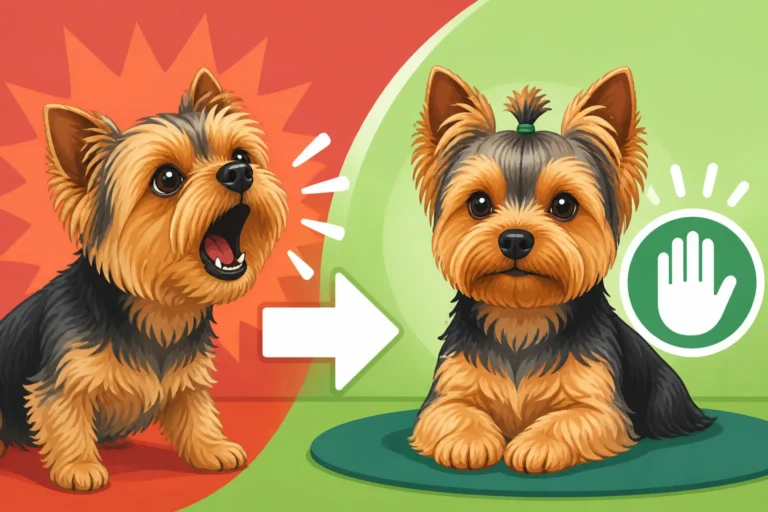
- Redirection and Engagement: If your Yorkie is barking excessively at something, try to redirect their attention to you with a happy sound, a treat, or a squeaky toy. Practice basic commands like "sit" or "watch me" in distracting environments, rewarding them heavily for focusing on you. This teaches them that focusing on you is more rewarding than reacting to the environment. If your Yorkie is prone to vocalizing, you might find our article on How to Stop a Yorkie from Barking helpful.
It’s about making you the most interesting thing in their environment. Consistency, patience, and positive reinforcement will eventually lead to a Yorkie who walks confidently and calmly by your side, even with the distractions of the outside world.
Harness and Leash Training Milestones
| Training Phase | Goal | Key Activities | Success Indicators |
|---|---|---|---|
| Phase 1: Acclimation | Yorkie comfortable with harness | Show harness, short wearing sessions with treats, positive associations | No resistance to wearing harness, happy demeanor while worn |
| Phase 2: Indoor Leash | Yorkie comfortable with leash attached indoors | Leash dragging (supervised), gentle handling, follow-me game, reward steps | Walks a few steps with loose leash indoors, minimal attention to leash |
| Phase 3: Outdoor Introduction | First short, positive outdoor walks | Quiet locations, short sessions, consistent positive reinforcement | Walks a short distance without fear, minimal pulling |
| Phase 4: Distraction Management | Walking calmly in varied environments | "Stop and Go," "Look at That" game, redirection, increasing distractions | Maintains loose leash, responds to commands, less reaction to stimuli |
Final Thoughts on Leash Training Your Yorkie
Training your Yorkie to be a confident and polite leash walker is a journey, not a destination. There will be good days and challenging ones, but with patience, consistency, and a generous supply of positive reinforcement, you and your tiny companion can achieve wonderful walks together. Remember, your Yorkie's world is significantly expanded when they can safely and comfortably explore it by your side. Celebrate every small victory, and don't be afraid to seek professional guidance if you hit a roadblock. Enjoy those adventures!
Disclaimer
This article is for general informational purposes only and does not constitute professional advice. Laws, prices and regulations vary by location and change over time. Consult a qualified professional for guidance on your specific situation.