How to Bell Train a Yorkie for Potty
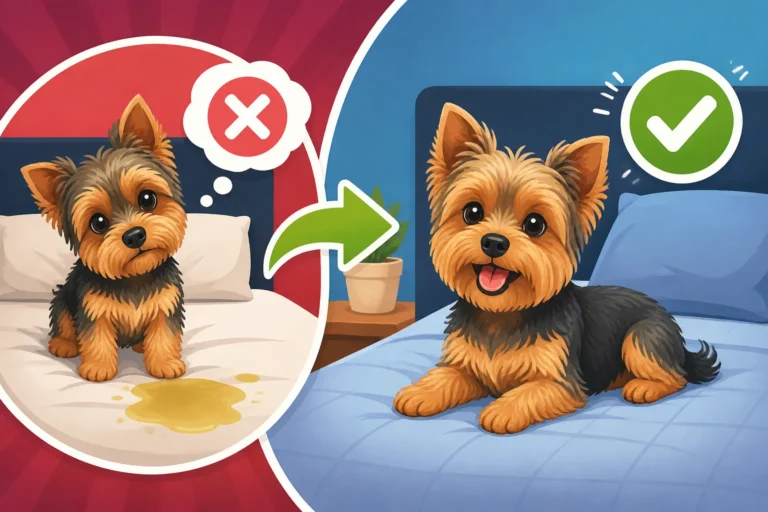
It can be incredibly frustrating when your adorable Yorkshire Terrier still has accidents in the house, even after countless trips outside and what feels like endless patience. You want to give them the freedom of the home, but the constant worry about messes can be exhausting. This comprehensive guide will walk you through the effective method of bell training, helping your Yorkie learn to clearly communicate their potty needs, leading to a much cleaner and happier home for both of you.
Understanding Why Bell Training Works for Yorkies
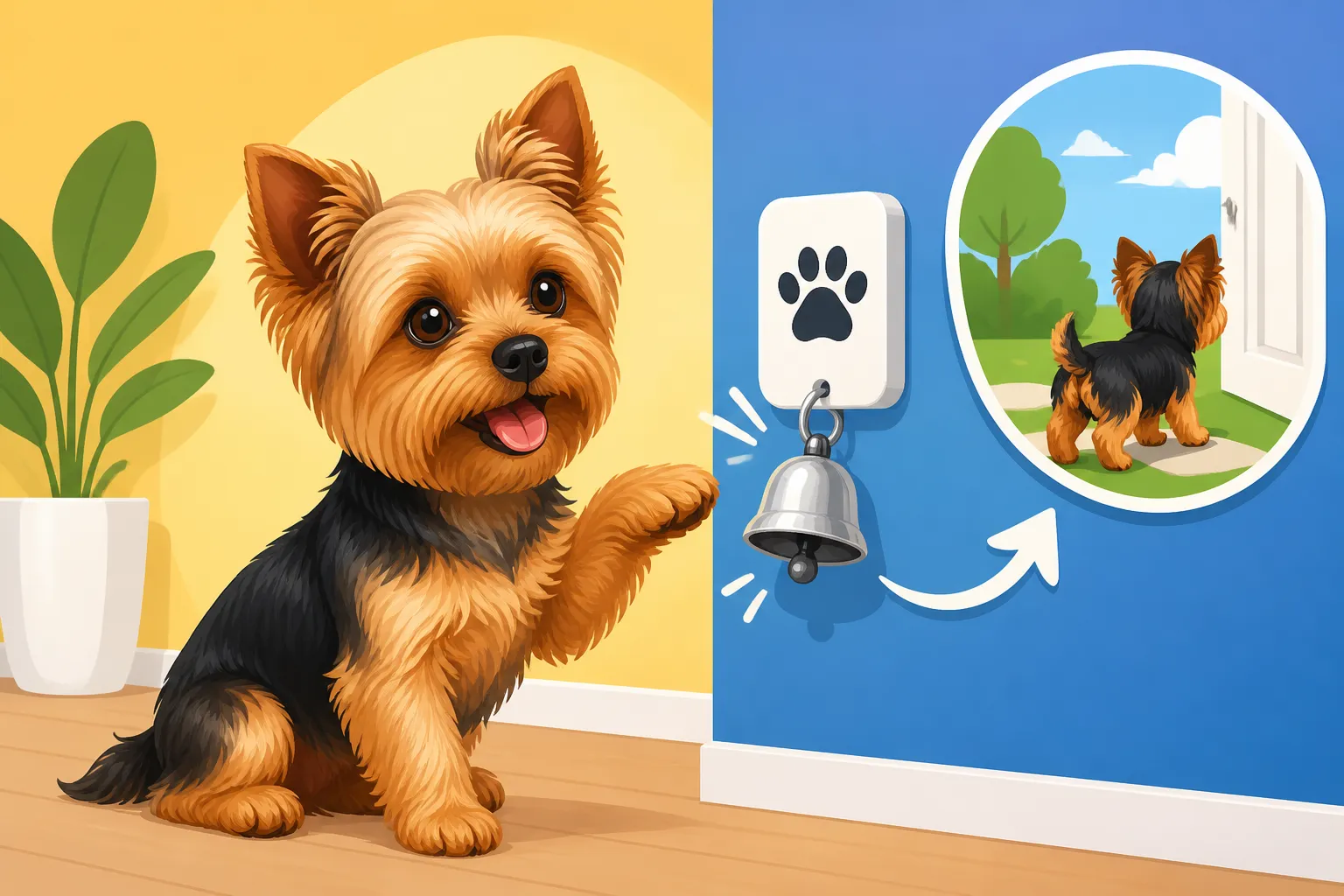
Yorkshire Terriers are intelligent little dogs, but sometimes their tiny bladders and eager-to-please nature get mixed up with a lack of clear communication. They want to tell you they need to go, but without a specific signal, they might resort to the nearest carpet. Bell training taps into their natural ability to associate sounds with actions, giving them a simple, tangible way to ask for a potty break.
The Yorkie's Communication Style
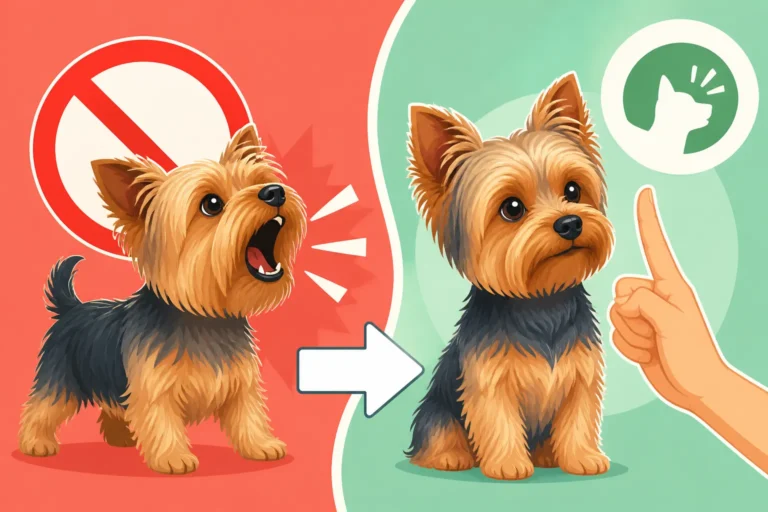
Yorkies, despite their small stature, have big personalities and are often quite vocal. They might bark to get your attention for playtime, food, or to alert you to someone at the door. However, when it comes to needing to relieve themselves, their signals can be incredibly subtle – a little sniff by the door, a slight shift in posture, or an almost imperceptible whine. These cues are easily missed, especially if you're engrossed in an activity or your Yorkie is in another room. Bell training provides a universal, undeniable signal that even the busiest owner can't ignore. It empowers your Yorkie with a clear "voice" for their potty needs, reducing anxiety for them and frustration for you. It builds a routine where they actively participate in their own training, fostering a stronger bond and understanding between you.
Consistency and Routine Reinforcement
Consistency is the absolute cornerstone of any successful dog training, and bell training is no exception. Yorkies thrive on routine; it gives them a sense of security and helps them understand what’s expected. When you consistently use the bells every single time you take your Yorkie out to potty, they quickly connect the sound of the bells with the action of going outside and relieving themselves. This repetition reinforces the behavior, making it second nature for them. Without a consistent approach, your Yorkie might become confused, wondering if the bells are just a fun toy or if they sometimes get to go outside without ringing them. This isn't about being strict, but about being predictable, which helps your smart little companion grasp the concept faster and reduces the likelihood of them trying to manipulate the system for extra outdoor time without actually needing to go.
Essential Supplies for Bell Training Success
Before you even begin the training, gathering the right tools will set you up for success. You don't need much, but the quality and type of your bells and treats can make a significant difference.
Choosing the Right Potty Bells
The market offers a variety of potty bells, and picking the right one for your Yorkie is important. You want bells that are loud enough to hear from another room but not so jarring that they scare your sensitive little companion. Most bells come as a strap with several bells attached, designed to hang from your doorknob. When choosing, consider:
- Sound: Can you hear it from your kitchen when your Yorkie rings it by the back door? Is it pleasant enough that it won't drive you crazy after hearing it multiple times a day?
- Durability: Yorkies are small, but they can be mighty with their paws and noses. Ensure the bells are well-made and securely attached to the strap. You can find durable options on platforms like Amazon, often with adjustable lengths to suit your door height and your Yorkie's reach.
- Ease of Use: Some bells are designed for pawing, others for nose-nudging. Your Yorkie might naturally prefer one over the other. Start with a basic doorknob hanging bell set, as these are generally the easiest for a small dog to interact with.
Remember, the goal is for your Yorkie to easily make the bells ring without much effort, clearly signaling their need to go.
High-Value Treats and Rewards
Yorkies are highly motivated by treats, especially when they are truly high-value. This means something they absolutely adore and don't get often. These aren't just for good behavior; they're critical for creating a strong positive association with the bells and going potty outside.
Think about small, soft, and pungent treats that can be quickly consumed. Examples include tiny pieces of cooked chicken, cheese, or specialized training treats like those from BAXTER & Bella. The key is to make the reward instantaneous and impactful. If the treat takes too long to chew, your Yorkie might lose focus on the action they just performed. A quick, delicious reward immediately after they successfully go potty outside, and after they ring the bell, will solidify the connection in their mind: "Bell ring + outside potty = super yummy treat!" This positive reinforcement is what makes the training stick. You might also want to have a separate, less exciting treat for general good behavior, reserving the high-value ones specifically for bell training.
Step-by-Step Guide to Bell Training Your Yorkie
Now that you have your supplies, let's dive into the practical steps of teaching your Yorkie to use the potty bells. This isn't a race; patience and consistency are your best friends here.
Introducing the Bells and Association
The very first step is to introduce your Yorkie to the bells and help them understand that these shiny, jingling things are linked to going outside.
Start by hanging the bells on the doorknob of the door you typically use for potty breaks. When it's time for your Yorkie to go out (after waking up, after eating, after playing, or just frequently throughout the day), follow these steps:
- Present the Bells: As you approach the door, gently take your Yorkie's paw and tap the bells with it, or simply use your finger to tap the bells, making them jingle.
- Verbal Cue: Immediately say a consistent phrase like "Potty outside!" or "Go potty!"
- Go Outside: Open the door and take your Yorkie directly to their designated potty spot.
- Reward Success: The moment your Yorkie pees or poops, praise them enthusiastically and give them one of those high-value treats you prepared. Make it a celebration!
- Return Inside: After they've done their business, bring them back inside.
Repeat this sequence every single time you take them out. Don't just wait for them to ring the bell; actively initiate the bell ringing for them. The repetition creates a strong association: bells jingle -> go outside -> potty -> treat! This is crucial for building the foundation. Remember, this isn't about teaching them to ask yet, but to associate. You can learn more about general guidance in our article on How to Potty Train a Yorkie Puppy.
Guiding Your Yorkie to Ring the Bell
Once your Yorkie understands that the bells mean "outside," the next step is to encourage them to interact with the bells themselves. This is where they start to take ownership of the communication.
- Enticement: Hold a treat near the bells, or even press it gently against the bells, so that your Yorkie's nose or paw accidentally bumps them, causing a jingle.
- Immediate Praise: The instant the bells jingle (even accidentally), say "Good bell!" or "Yes!" and immediately open the door, take them out, and follow the routine of rewarding them for going potty outside.
- Repeat and Fade: Continue this, gradually moving the treat away from the bells so they have to intentionally touch the bells to get the treat/door opening. Some Yorkies will paw the bells, others will nose-nudge. Let them figure out what's comfortable.
- No Potty, No Treat (for bell ringing): If they ring the bell, you take them out, but they don't potty, still praise them for ringing the bell and bringing them outside, but save the high-value treat for when they actually relieve themselves. If they frequently ring the bell and don't go, it might be a sign they're trying to trick you for extra outdoor fun, which we'll address in troubleshooting.
It’s important to acknowledge every jingle, especially in the early stages. Even if you suspect they don’t really have to go, take them out for a quick trip. This reinforces that ringing the bell always leads to the door opening. You'll soon see a pattern in their true needs.
Responding to the Bell Ring
This is perhaps the most critical part of bell training: your response. Your consistency in responding teaches your Yorkie that their signal is understood and effective.
- Immediate Action: When your Yorkie rings the bell, drop what you're doing (within reason) and immediately respond. Walk to the door, say your consistent phrase like "Potty outside!", open the door, and take them out. Don't delay.
- Supervised Potty Time: Take them to their designated potty spot. Stay with them and wait patiently for them to relieve themselves. Avoid turning it into playtime at this stage, or they might ring the bell just to play.
- High-Value Reward: As soon as they go potty, shower them with praise and that amazing, high-value treat. This instant gratification makes the connection stronger.
- No Punishment for Accidents: If an accident happens inside, never punish your Yorkie. They're still learning. Clean it up thoroughly with an enzymatic cleaner (you can find these on Amazon) to remove all scent traces. Punishing them will only make them fearful of going potty in front of you, which will hinder training. Instead, revisit the steps and ensure your responses are consistent. If you notice your Yorkie is consistently having accidents, you might need to increase your frequency of taking them out or reassess their feeding schedule. Our article on Yorkshire Terrier Potty Training Guide offers more general advice.
Consistency is key here. If you ignore the bell even once, your Yorkie learns that the signal isn't always reliable, which can break down the training.
Troubleshooting Common Bell Training Challenges
Bell training is usually effective, but you might encounter a few bumps along the way. Don't get discouraged; these are common and solvable.
- Ringing the Bell to Go Outside and Play: Some smart Yorkies quickly learn that ringing the bell means going outside, and they might start ringing it just for fun or attention, not to potty.
- Solution: When they ring the bell and you take them out, go directly to their potty spot. Stand still and give them 2-5 minutes to do their business. If they don't go, immediately bring them back inside without any play or interaction. The reward is for pottying, not just ringing the bell. They'll quickly learn that bell ringing for play doesn't work.
- Fear of the Bells: If your Yorkie is timid, the jingle of the bells might scare them.
- Solution: Start with quieter bells or wrap some of the bells in cloth tape to muffle the sound initially. Instead of tapping their paw to the bells, gently tap the bells yourself while offering a treat to create a positive association with the sound. You can also put a small dab of peanut butter (dog-safe, Xylitol-free) on the bells to encourage them to lick, causing a jingle.
- Not Ringing the Bells at All: Your Yorkie might still have accidents without ever touching the bells.
- Solution: Revisit the "Introducing the Bells" step with increased frequency. Go back to physically helping them touch the bells every single time before going out. Ensure your treats are truly high-value. Also, consider if their potty schedule is too infrequent for their small bladder. You might need to take them out more often than you think. Our guide on Yorkie Won't Go Potty Outside: Fixes might offer additional insights.
- Separation Anxiety Interfering: Some Yorkies struggle with being left alone, and this anxiety can impact potty training, leading to accidents when you're not there to respond to the bell.
- Solution: While bell training can't solve core separation anxiety, ensuring a reliable bell system helps when you are home. For times you're away, ensure they have a safe, confined space like a crate or playpen where accidents are less likely, and consider professional guidance for their separation anxiety. Many online courses, like those offered by BAXTER & Bella, cover behavior issues that can impact potty training.
Maintaining Bell Training and Preventing Regression
Even after your Yorkie seems to have mastered bell training, ongoing vigilance and reinforcement are key to preventing setbacks.
Gradual Independence and Fading Prompts
As your Yorkie consistently rings the bell to go potty, you can gradually start to fade out some of your direct prompting. This doesn't mean stopping rewards, but rather letting them initiate more.
- Less Hands-On: Initially, you might have been tapping their paw or nudging the bells. As they show understanding, stop doing this. Wait for them to initiate the jingle on their own.
- Slight Delay: Once they're reliably ringing the bell, you don't have to sprint to the door. A slight, short delay (a few seconds) helps them understand that ringing the bell leads to you eventually coming, not instantly. But don't make them wait too long, especially with their small bladders.
- Vary Rewards: While high-value treats are crucial initially, you can occasionally start mixing in verbal praise and enthusiastic petting as rewards, alongside the treats. Keep the high-value treats for particularly good "rings" or when they're learning a new routine.
- Trust but Verify: You'll reach a point where your Yorkie is reliably ringing the bell. Trust them, but always take them out. If they seem to be abusing the system for playtime, revisit the earlier troubleshooting steps. This phase is about building their confidence in their own communication while ensuring the system remains efficient.
Adapting to Changes and New Environments
Life isn't always static, and neither are your Yorkie's needs or environment. Successful bell training means being able to adapt.
- Moving Homes: If you move, immediately set up the bells in the new location, ideally by the new potty door. Treat it like starting bell training over for the first few days, actively showing them the bells and rewarding heavily. They will catch on much faster this time because they already understand the concept.
- Travel: When traveling to a new place (like a friend's house or a hotel), bring your bells with you. Hang them on the new door. Again, actively show your Yorkie the bells and guide them to jingle them before going out. The consistency of the bells as the signal, regardless of the door, will help them understand. Always remember to praise and reward them heavily for successfully pottying in a new environment.
- Schedule Changes: If your routine changes (e.g., you start working from home, or your work schedule changes), your Yorkie's potty schedule might shift too. Be mindful of this and adjust your outings accordingly. More frequent initial trips might be needed during a transition period. For senior Yorkies, frequent potty breaks become even more important, as discussed in our Yorkshire Terrier Senior Care Guide.
What to Do if Accidents Still Happen
Even the best-trained Yorkie can have an occasional accident. It's not a sign of failure, but a cue to reassess.
- Revisit Basics: If accidents become frequent, go back to basics. Are you taking them out often enough? Are you responding immediately to the bells? Are the treats high-value enough?
- Rule Out Medical Issues: Sometimes, frequent accidents or changes in potty habits can indicate a health problem, especially if your Yorkie suddenly starts having accidents after being perfectly trained. A sudden increase in urination could be a sign of a urinary tract infection, kidney issues, or even diabetes. It's always a good idea to consult your veterinarian to rule out any underlying medical conditions. Our article on Signs Your Yorkshire Terrier Is Sick can help you identify other potential health concerns.
- Clean Thoroughly: Always clean accidents with an enzymatic cleaner designed to neutralize pet odors. If the scent remains, your Yorkie might be drawn to "mark" that spot again. Products like Rocco & Roxie Supply Co. Stain & Odor Eliminator, widely available on Amazon, are excellent for this.
- Increase Supervision: For a short period, keep your Yorkie on a leash attached to you while indoors. This "umbilical cord" method ensures you're aware of their every move and can quickly intervene if they start to show signs of needing to go, guiding them to the bells.
Bell training can be a truly wonderful tool for improving communication with your Yorkshire Terrier and achieving a fully house-trained pet. With patience, persistence, and a lot of positive reinforcement, your little Yorkie will soon be ringing those bells like a pro!
Common Bell Training Mistakes and Solutions
| Mistake | Description | Solution |
|---|---|---|
| Inconsistent Response | Sometimes ignoring the bell, sometimes responding. | Always Respond: Every jingle means a trip outside, even if short and without play. Your Yorkie needs to trust the system. |
| Punishing Accidents | Scolding or getting angry when your Yorkie has an indoor accident. | Never Punish: Punishment teaches fear, not proper potty habits. Clean accidents thoroughly and redirect training. Focus on positive reinforcement for correct behavior. |
| Making Potty Time Playtime | Allowing extensive play during potty breaks when the bell was rung. | Keep it Business: When the bell rings, it's a quick trip to the potty spot. Reward for pottying, then immediately come back inside. Playtime can happen later, independently of bell ringing. |
| Not Using High-Value Treats | Using everyday kibble or low-interest treats as rewards for bell use and outdoor pottying. | Upgrade Treats: Reserve truly high-value, irresistible treats (like cooked chicken or specific training treats) specifically for bell ringing and successful outdoor potty. This makes the reward highly motivating. |
| Not Guiding Initial Bell Interaction | Expecting the Yorkie to spontaneously start ringing the bells without any initial demonstration or help. | Active Introduction: For the first few days/weeks, you initiate the bell ring every time before going out. Gently tap their paw on the bell or touch the bell yourself while saying your potty cue, then immediately go out. This builds the association. |
| Too Few Potty Breaks | Not taking your Yorkie out frequently enough, especially when learning. | Frequent Outings: Remember Yorkies have tiny bladders. Take them out very frequently (every 1-2 hours for puppies, after waking, eating, playing, before bed). The more opportunities to succeed, the faster they learn. Consider if your Yorkie puppy potty training schedule needs adjustment. |
| Bells Are Too Loud or Too High | Bells are startling or inaccessible for a small Yorkie. | Adjust Bells: Ensure bells are at your Yorkie's nose/chest height when standing. If the sound is too loud, muffle some bells or use a softer-sounding set. Ensure the bells are easy to jingle. |
Disclaimer
This article is for general informational purposes only and does not constitute professional advice. Laws, prices and regulations vary by location and change over time. Consult a qualified professional for guidance on your specific situation.