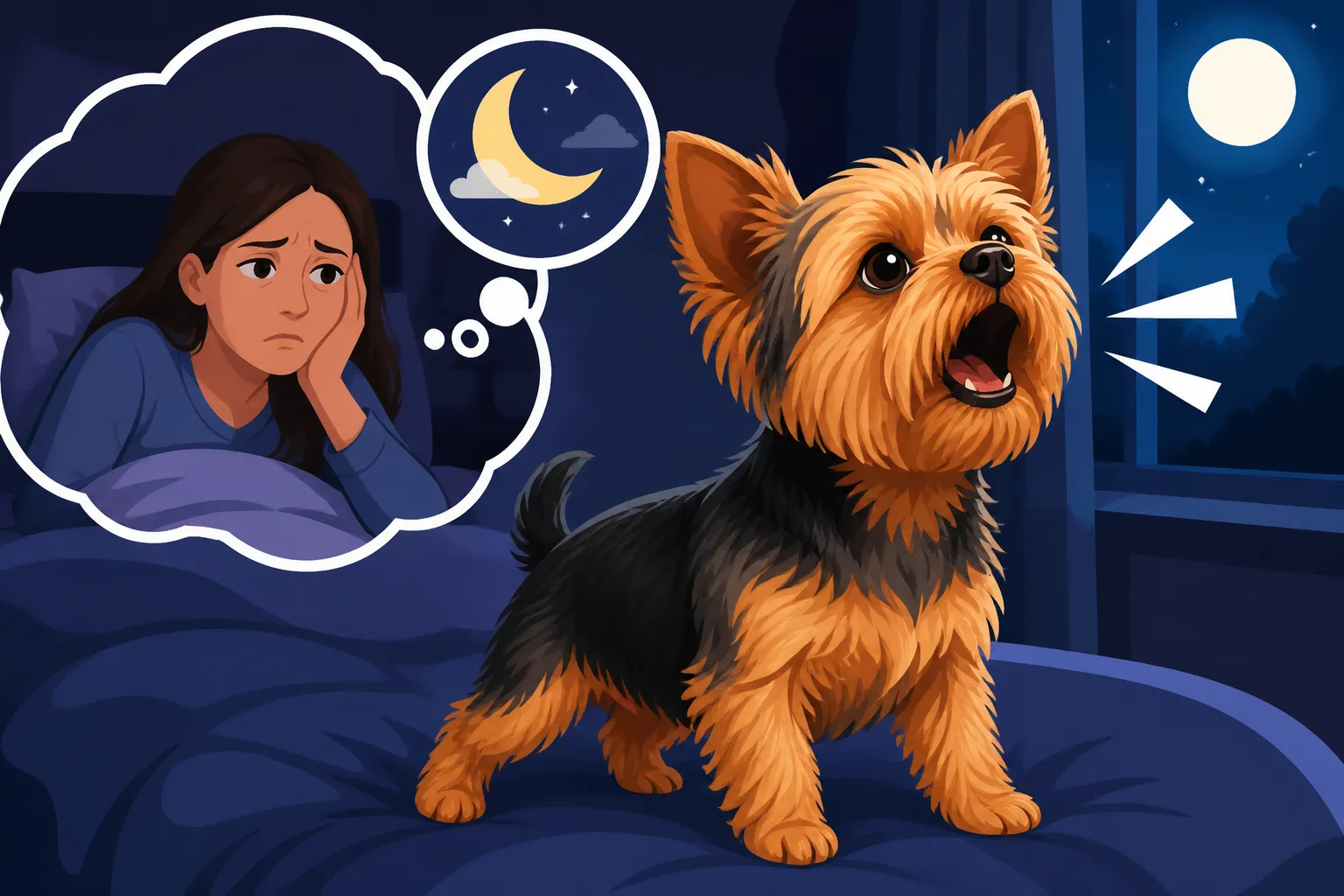
Why Does My Yorkie Keep Barking At Night
The persistent nighttime barking of your beloved Yorkshire Terrier can feel like a relentless alarm clock, turning peaceful nights into a frustrating battle against sleep deprivation. It’s not just annoying; it can be truly exhausting for you and disruptive for your neighbors. This guide is here to unravel the common mysteries behind why your Yorkie might be turning into a nocturnal noise machine and, more importantly, to provide actionable, empathetic solutions to help you both get the restful sleep you deserve.
Understanding Why Your Yorkie Barks at Night
When your tiny Yorkie starts barking into the darkness, it's rarely just for the fun of it. These little dogs are highly sensitive, intelligent, and deeply attuned to their environment and their human companions. Their barking is almost always a form of communication, a way to express a need, fear, or frustration. Pinpointing the exact reason is the first crucial step toward resolving the issue.
Separation Anxiety and Loneliness
One of the most common culprits behind nighttime barking is separation anxiety or simply loneliness. Yorkies are incredibly devoted and thrive on companionship. Being left alone in the dark, even in a familiar home, can trigger feelings of fear and isolation.
Imagine your Yorkie, used to being by your side all day, suddenly finding themselves in a quiet, dark room. For them, it might feel like being abandoned. They might bark not because they're being naughty, but because they're genuinely distressed and calling out for you. This often manifests as continuous, high-pitched barking, sometimes accompanied by whining or scratching at the crate or door. It's a cry for reassurance. For a deeper dive into managing this particular challenge, check out our guide on Yorkshire Terrier Separation Anxiety Solutions.
Unmet Needs or Discomfort
Sometimes, the reason is much more practical and immediate: your Yorkie might just need something. They can't exactly tell you in words that they need to go potty, or that their water bowl is empty.
Think about the last time your Yorkie went outside before bed. Was it truly a thorough potty break, or just a quick dash? Even if it seems like enough, a full bladder can cause discomfort, especially in older dogs. Similarly, if they're hungry or thirsty, they might bark to alert you. Temperature can also play a huge role; perhaps they're too hot or too cold, especially if they're a smaller breed known to be sensitive to temperature changes. A hard bed or an uncomfortable sleeping arrangement could also lead to restlessness and barking.
External Stimuli and Environmental Factors
Yorkies have incredibly keen hearing and a natural guarding instinct, despite their small size. What sounds like silence to you might be a cacophony of interesting, or even alarming, noises to your dog.
Raccoons rustling in the trash, distant sirens, neighborhood cats prowling, or even the subtle creaks and groans of an old house settling can all trigger a Yorkie's alert barking. They might perceive these sounds as threats or intruders and feel compelled to "warn" their family. Living in an apartment building in a city like Chicago, for instance, means constant ambient noise. Even something as simple as a squirrel running across the roof or a distant car alarm can set them off. It’s their way of saying, "Hey, did you hear that? Something's out there!"
Health Issues or Age-Related Changes
While we often jump to behavioral reasons, it's always crucial to consider your Yorkie's health. Underlying medical conditions can certainly contribute to nighttime disturbances and barking.
Pain from conditions like Yorkshire Terrier Patellar Luxation: Signs and Care or even something as common as Yorkie Dental Disease: Signs and Care can cause discomfort that makes it difficult for them to settle down. Older Yorkies, like senior humans, can also experience cognitive dysfunction syndrome (CDS), sometimes referred to as "doggy dementia." This can lead to disorientation, anxiety, and altered sleep-wake cycles, resulting in increased barking or wandering at night. If your Yorkie's barking is a new or sudden development, especially if accompanied by other changes in behavior, a vet visit is paramount.
Implementing Solutions for Quieter Nights
Once you have a better idea of why your Yorkie is barking, you can start putting strategies in place. Patience and consistency are your best friends here. Remember, your Yorkie isn't trying to annoy you; they're communicating.
Establishing a Consistent Nighttime Routine
Dogs thrive on routine, and Yorkies are no exception. A predictable evening schedule signals to your dog that bedtime is approaching and helps them mentally prepare for sleep.
This routine should ideally start an hour or two before you plan to put them down for the night. Include a final, substantial potty break where they have plenty of time to empty their bladder and bowels. A short, calm walk is also beneficial, not just for potty needs but for a little extra mental and physical release. Ensure their last meal and water access is a few hours before bedtime to minimize late-night bathroom urges. Just before bed, offer a quiet cuddle or a calming chew. This consistent winding-down period helps regulate their internal clock and reduces anxiety. Many Yorkie owners find that establishing a solid Yorkshire Terrier Daily Care Routine helps in general behavioral consistency.
Optimizing Their Sleeping Environment
Where and how your Yorkie sleeps can significantly impact their nighttime behavior. Their sleeping area should be a sanctuary, not a punishment.
If your Yorkie sleeps in a crate, ensure it’s appropriately sized – large enough to stand up, turn around, and lie down comfortably, but not so large that they can use one end as a potty area. Line it with soft, comfortable bedding. For dogs prone to anxiety, a covered crate can create a den-like feel, providing a sense of security. Consider using a white noise machine or a fan to mask external noises that might trigger barking. Some owners use calming pheromone diffusers, like those from Adaptil, which can plug into a wall outlet near their sleeping area and release synthetic dog-appeasing pheromones, helping to create a more tranquil environment. You can often find these and other calming aids on platforms like Amazon.
Addressing Separation Anxiety with Training
If loneliness or separation anxiety is the primary cause, direct intervention is necessary. This isn't a quick fix, but it's incredibly rewarding.
Start by making their sleeping area a positive place. Feed them treats in their crate, give them special toys only when they're in there. Gradually increase the time they spend alone in their sleeping area during the day, starting with just a few minutes, then slowly extending it. This helps them build positive associations and understand that being alone is okay and that you will always return. Avoid making a big fuss when you leave or return, as this can heighten their anxiety. Practicing commands like "stay" or "settle" during the day can also build their confidence. Resources like BAXTER & Bella offer excellent online training programs that can guide you through these desensitization techniques with step-by-step instructions and support. Our article on How to Crate Train a Yorkie provides more detailed strategies.
Training for Quiet and Reducing Reactivity
Teaching your Yorkie a "quiet" command can be incredibly useful for managing reactive barking, especially if they’re barking at external sounds.
This training takes time and positive reinforcement. When your Yorkie barks at a trigger, let them bark once or twice, then calmly say "quiet" and offer a high-value treat as soon as they stop. The key is to reward the silence, not the barking. Gradually increase the duration of silence required before the treat is given. This teaches them that being quiet is more rewarding than barking. For persistent barking at external stimuli, consider desensitization – exposing them to the sounds at a low volume during the day and rewarding calm behavior, gradually increasing the volume over time. Providing adequate mental stimulation during the day can also help. Puzzle toys or short training sessions can engage their minds and tire them out more effectively than just physical exercise. Our post How to Teach a Yorkie the Quiet Command has more specific steps.
Dietary Adjustments and Exercise
What and when your Yorkie eats, along with their daily activity level, can impact their sleep patterns.
Ensure your Yorkie is on a high-quality, balanced diet. Sometimes, certain ingredients can contribute to restlessness or stomach upset. Consult our guide on Best Dog Food for Yorkshire Terriers for recommendations. Avoid feeding them right before bed, as digestion can cause discomfort or lead to needing a potty break sooner. Furthermore, a tired Yorkie is a quiet Yorkie! Ensure they are getting sufficient exercise during the day. This doesn't mean hours of intense running, but regular walks, playtime, and mental games can burn off excess energy. For a small dog, even short, frequent bursts of activity are valuable. For instance, a couple of 15-20 minute walks and a few play sessions with their favorite squeaky toy can make a big difference. Our guide on Yorkshire Terrier Exercise Needs offers more tailored advice.
When to Seek Professional Guidance
While many nighttime barking issues can be resolved with consistent effort at home, there are times when professional help is not just beneficial, but necessary. Recognizing these signs can save you and your Yorkie a lot of stress.
Consulting Your Veterinarian
If your Yorkie's nighttime barking is a new behavior, or if it's accompanied by other changes like increased thirst, accidents in the house, restlessness, lethargy, or changes in appetite, your first call should always be to your veterinarian.
A medical professional can rule out any underlying health issues, such as pain, bladder infections, neurological conditions, or even early signs of cognitive decline in older dogs. They might suggest blood tests, a physical exam, or other diagnostics to get a clear picture of your dog's health. Ignoring a health issue could prolong your Yorkie's discomfort and your sleepless nights. Our article When to Take Your Yorkie to the Vet details crucial symptoms to look out for. Remember that vet visits can add up, so understanding Yorkie Vet Costs and Health Budget is wise, and considering Pet Insurance for Yorkshire Terriers might be a good idea for unexpected situations.
Enlisting a Professional Dog Trainer or Behaviorist
If medical issues have been ruled out and your at-home efforts aren't yielding results, it might be time to bring in a professional dog trainer or a certified veterinary behaviorist.
These experts have the knowledge and experience to assess your Yorkie's specific situation, identify complex behavioral patterns, and develop a customized training plan. They can observe your dog's body language, evaluate your home environment, and teach you advanced techniques for behavior modification. For instance, if your Yorkie is exhibiting severe separation anxiety, a professional behaviorist can guide you through a structured desensitization and counter-conditioning program that might be difficult to implement effectively on your own. They can help you address Yorkshire Terrier Behavior Problems and Solutions holistically. Don't feel like a failure for seeking help; it's a responsible choice that shows how much you care about your furry family member's well-being. Look for trainers who use positive reinforcement methods, as these are the most effective and humane for Yorkies.
Common Nighttime Barking Triggers and Solutions
To help you quickly identify potential causes and remedies, here’s a handy table summarizing common scenarios and initial steps.
| Barking Trigger | Common Manifestation | Initial Action Steps |
|---|---|---|
| Separation Anxiety / Loneliness | Continuous, high-pitched barking, whining, scratching | Create positive crate associations, gradual desensitization, calming pheromones. |
| Potty Urgency | Whining, then barking, sometimes frantic pacing | Longer, later potty break before bed, adjust last meal/water time. |
| Hunger/Thirst | Whining or barking, especially around meal times | Ensure proper feeding schedule; water available (unless advised otherwise by vet); avoid late-night treats. |
| External Noises | Startled barking, short bursts, directed at windows/doors | Use white noise machine, close curtains, secure windows, desensitization training. |
| Discomfort (Temperature/Bedding) | Restlessness, shifting, then barking | Adjust room temperature, provide comfortable, appropriate bedding (e.g., a cozy bed from a reputable brand on Amazon). |
| Pain/Medical Issue | New onset barking, restless, limping, other symptoms | Immediate vet visit to rule out health problems. |
| Lack of Routine/Stimulation | Barking intermittently, often seems "bored" | Establish consistent bedtime routine, ensure adequate daytime exercise and mental enrichment. |
Dealing with nighttime barking can be a real challenge, but with understanding, patience, and the right strategies, you can help your Yorkie achieve peaceful sleep, which in turn means peaceful sleep for you. Remember, a well-rested Yorkie is a happy Yorkie, and a happy Yorkie contributes to a harmonious home! For broader training advice, you might find our full guide on How to Train a Yorkshire Terrier helpful as well.
Disclaimer
This article provides general information and recommendations for addressing Yorkshire Terrier nighttime barking. It is not a substitute for professional veterinary advice or behavioral consultation. Always consult with a qualified veterinarian for any health concerns or a certified dog trainer/behaviorist for persistent behavioral issues.