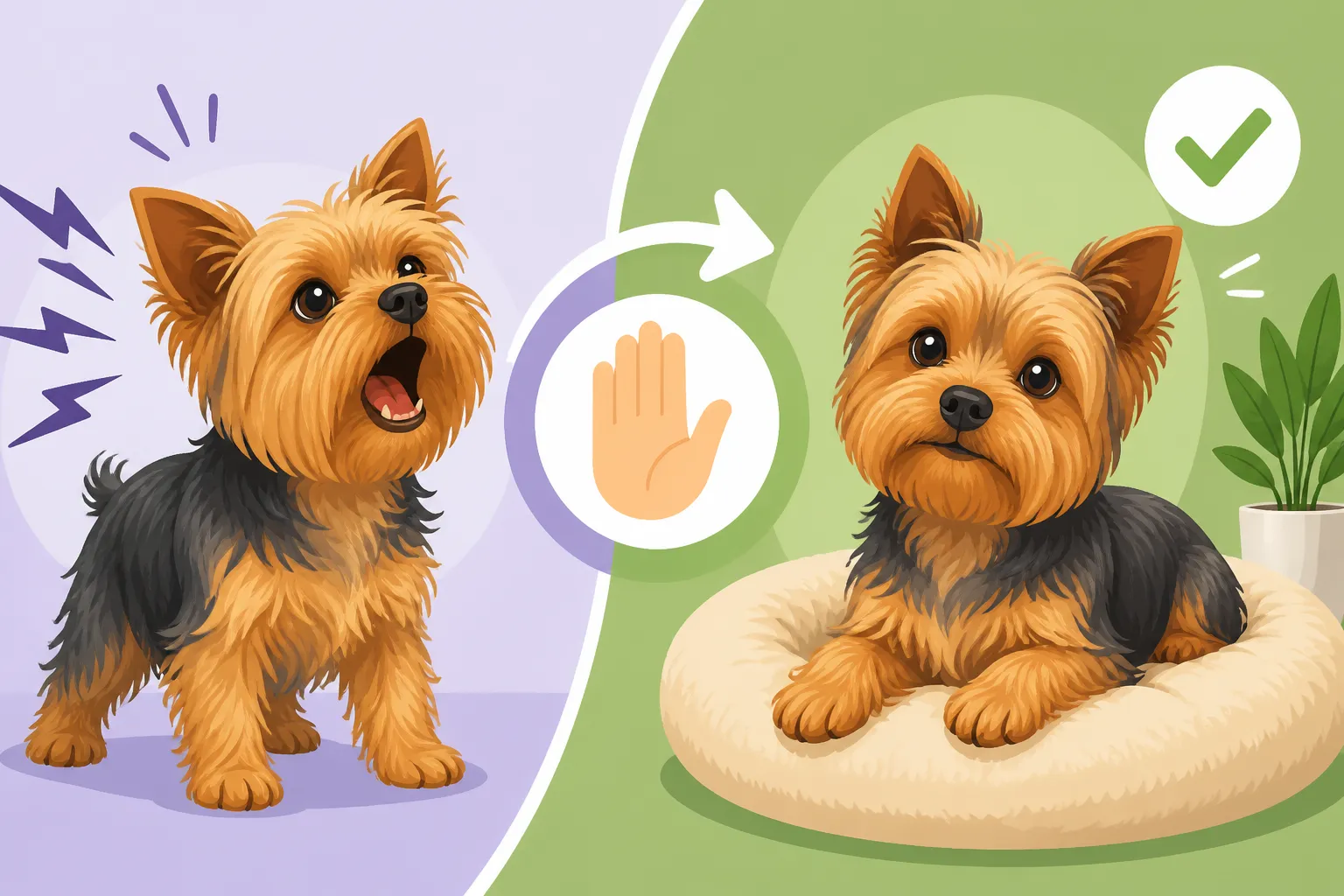
How to Stop a Yorkie from Whining
It's incredibly frustrating, isn't it? You love your little Yorkshire Terrier more than anything, but sometimes that persistent whining can truly test your patience, making you wonder what on earth they're trying to tell you. This guide is here to unravel the mystery of why your Yorkie might be whining and, more importantly, to equip you with realistic, empathetic strategies to address it, bringing a bit more peace back into your home.
Understanding Why Your Yorkie Whines
Before we can even think about stopping the whining, we need to put on our detective hats and figure out why it's happening. Whining is a form of communication, and our tiny Yorkies are masters at using their voices to express a whole range of emotions and needs. It's often misunderstood as just "being annoying," but there's always a reason behind it, whether it's a simple request or a deeper underlying issue. Understanding these root causes is the first and most crucial step in finding an effective solution, as the approach for an attention-seeker will be vastly different from one suffering from pain.
Whining Due to Physical Needs or Discomfort
One of the most common and critical reasons a Yorkie might whine is because they are experiencing a physical need or discomfort. Unlike humans who can vocalize "I'm hungry" or "my stomach hurts," dogs rely on a more limited repertoire of sounds and behaviors. Whining can be a direct plea for help, signaling that something is just not right in their tiny bodies.
Imagine your Yorkie, normally playful and energetic, suddenly starts to whimper quietly, perhaps pacing or looking at you with wide, uneasy eyes. This might not be the loud, demanding whine, but a softer, more persistent sound that indicates distress. They could be telling you they need to go outside for a potty break, especially if their whining is accompanied by sniffing around the door or scratching at it. This is a very common scenario, and it's essential to rule out this basic need first. A quick trip outside often resolves the issue, teaching your Yorkie that whining can be an effective way to communicate their need for relief. You might want to refer to our guide on Why Does My Yorkie Keep Whining for more on these various causes.
Beyond bathroom needs, pain or illness is a serious contender when it comes to whining. Yorkies, despite their small size, can be prone to certain health issues, and sometimes the only way they can express their discomfort is through vocalizations like whining, whimpering, or crying. This is particularly true if the whining is sudden, out of character, or accompanied by other subtle changes like lethargy, loss of appetite, limping, or sensitivity to touch. For instance, a Yorkie might whine if they have a toothache, an upset stomach, or more serious conditions like patellar luxation or even a collapsing trachea. If you suspect pain or illness, it's crucial to observe your dog closely for any other Signs Your Yorkshire Terrier Is Sick or to understand How to Tell If a Yorkie Is in Pain. Don't hesitate to contact your vet; a professional diagnosis can quickly alleviate both your Yorkie's suffering and your worry.
Lastly, hunger or thirst can also prompt whining. While it might seem obvious, sometimes in the rush of daily life, we might accidentally miss a feeding time or forget to refill their water bowl. A Yorkie who is overly hungry or thirsty will often vocalize their need, sometimes standing by their food bowl or nudging it with their nose. This type of whining usually stops once their needs are met. Always ensure your Yorkie has constant access to fresh water, and stick to a consistent feeding schedule. If you use puzzle feeders or slow feeders (easily found on Amazon), make sure they aren't too challenging for your pup, especially if they are particularly hungry, as frustration can also lead to whining.
Whining as an Attention-Seeking Behavior
Ah, the classic attention-seeking whine. This is perhaps the most common and, admittedly, the most exasperating type of whining for many Yorkie parents. Our little companions are incredibly intelligent and quickly learn what behaviors get a reaction from us. If whining has, even once, resulted in cuddles, treats, or playtime, they've filed that away as a successful strategy.
Imagine you're trying to work from home, or simply enjoying a quiet cup of coffee. Your Yorkie trots over, sits politely for a moment, and then lets out a soft little "mrrrow-whine." You sigh, reach down, and give them a quick pat. Bingo! Your Yorkie just learned that whining gets attention. The next time, they might whine a little louder, or for a bit longer, escalating the behavior until they get the desired response. This is a common trap we fall into because it's so hard to resist their adorable faces, but inadvertently, we reinforce the very behavior we want to stop. Over time, this can lead to a Yorkie who whines constantly whenever they're not the center of your universe, making it difficult to enjoy peaceful moments or even have guests over.
This type of whining often occurs when your Yorkie wants something specific: to be picked up, to play, to get on the furniture, or to simply be acknowledged. They're not in pain, they're not hungry, they just want you. The key to addressing attention-seeking whining is to break the association between whining and getting what they want. This involves consistently ignoring the whining itself and instead, rewarding calm, quiet behavior. It sounds simple, but it requires immense patience and consistency, especially during the "extinction burst" phase where the whining might initially get worse before it gets better, as your Yorkie tries harder to get your attention using the old, successful method.
Another aspect of attention-seeking behavior can be related to boredom or a lack of mental and physical stimulation. Yorkies are small, but they are still terriers – meaning they have intelligent minds and surprising energy levels. A bored Yorkie is a creative Yorkie, and if whining gets your attention, they'll use it. Ensuring your Yorkie gets enough exercise and mental enrichment can significantly reduce this type of whining. Think short, brisk walks, interactive puzzle toys that can be filled with treats, or even short training sessions to practice commands. A tired, mentally stimulated Yorkie is a happy, quiet Yorkie.
Whining Due to Anxiety or Fear
Anxiety and fear are powerful emotions that can manifest in various ways in dogs, and whining is a very common one. For a small breed like the Yorkshire Terrier, the world can sometimes feel overwhelming, leading to feelings of insecurity or distress that they express through vocalization. This isn't attention-seeking in the traditional sense; rather, it's a cry for reassurance and safety.
One of the most prevalent forms of anxiety-driven whining in Yorkies is separation anxiety. This occurs when a dog becomes excessively distressed when left alone or separated from their primary caregiver. The whining might start the moment you pick up your keys or put on your coat, and it can escalate into frantic barking, destructive chewing, or even accidents inside the house once you've left. A Yorkie with separation anxiety isn't trying to manipulate you; they are genuinely experiencing panic and fear. This type of whining is heartbreaking to witness and needs a very specific, careful approach to resolve. Addressing Yorkshire Terrier Separation Anxiety Solutions involves desensitization and counter-conditioning techniques, often starting with very short absences and gradually increasing duration, paired with positive associations like special toys only available when you're gone.
Fear, triggered by specific stimuli, can also cause your Yorkie to whine. This could be anything from loud noises like thunderstorms or fireworks to unfamiliar people, other animals, or even new environments. A Yorkie might whine and tremble during a storm, pressing themselves against you for comfort. Or perhaps they whine when a large dog approaches them on a walk, clearly indicating their fear. In these situations, the whining is a natural response to feeling unsafe. Your role isn't to punish the whining, but to provide comfort and, more importantly, to help them feel secure and overcome their fears through positive exposure and counter-conditioning. This might involve creating a safe "den" for them during storms, or slowly introducing them to new experiences in a controlled, positive way, always rewarding calm behavior.
Another aspect of anxiety is a general nervousness or lack of confidence. Some Yorkies, especially if they weren't properly socialized as puppies, can be prone to being overly timid or fearful. This inherent nervousness can lead to whining in various situations where they feel uncertain or overwhelmed. Early and positive socialization is key for puppies, exposing them to different sights, sounds, people, and other friendly dogs in a controlled manner. For adult Yorkies, building confidence through training, positive reinforcement, and gradual exposure can help reduce anxiety-induced whining. If you’ve made Yorkie Training Mistakes to Avoid in the past, now is the time to correct course with consistent, positive reinforcement methods.
Practical Strategies to Address Whining
Once you've zeroed in on the most likely cause of your Yorkie's whining, it's time to implement a plan of action. Remember, consistency is the name of the game here. Dogs thrive on routine and clear expectations, and changing established behaviors takes time and unwavering effort from everyone in the household.
Meeting Basic Needs and Health Checks
Before diving into behavioral training, it's absolutely paramount to ensure your Yorkie's basic needs are met and that there are no underlying health issues contributing to the whining. This isn't just about being responsible; it's about being humane. No amount of training will stop a dog from whining if they are genuinely uncomfortable or in pain.
First things first, establish and stick to a consistent daily routine for potty breaks, meals, and exercise. Yorkies, like many small dogs, can have small bladders, so frequent potty breaks are crucial. If your Yorkie whines, the very first thing you should do is take them outside, even if you just took them out an hour ago. If they go potty, praise them enthusiastically! This reinforces that communicating their need to go outside (even with a whine, initially) results in a positive outcome. If they don't go, bring them back inside calmly without fuss. A regular schedule also applies to feeding. Ensure your Yorkie receives their meals at predictable times. Small breed dogs are also prone to hypoglycemia (low blood sugar), so consistent meal times are especially important to prevent them from becoming overly hungry and distressed. Always provide fresh, clean water throughout the day. Dehydration can be uncomfortable and lead to lethargy or other signs of distress.
Secondly, if you suspect any form of pain or illness, a veterinary check-up is non-negotiable. This is not a time for guesswork. A subtle whine could be indicating anything from a dental issue (which is very common in Yorkies) to joint pain from conditions like luxating patella, or even an internal organ problem. Your vet can perform a thorough examination, run diagnostic tests if needed, and either rule out medical causes or provide the necessary treatment. Ignoring medical whining is not only cruel but can allow a condition to worsen. Trust your gut; if the whining is new, persistent, or accompanied by other concerning symptoms, always err on the side of caution and consult your vet. They can provide peace of mind or a path to recovery, making your Yorkie comfortable once again.
Training for Quiet and Calm Behavior
Once health and basic needs are covered, we can focus on the behavioral aspect. Training your Yorkie to be quiet and calm, especially when they would otherwise be whining for attention, requires a blend of ignoring unwanted behavior and profusely rewarding desirable behavior. It's a fundamental principle of dog training, often easier said than done, but incredibly effective when applied consistently. For general guidance, our article on How to Train a Yorkshire Terrier can offer helpful insights into positive reinforcement techniques.
The "ignore and reward" method is powerful. When your Yorkie starts to whine for attention, the instinct is to soothe them, pick them up, or give them a treat. Resist! Turn your back, walk away, or leave the room. Absolutely no eye contact, no talking, no touching. It feels harsh, but you're teaching them that whining does not get them what they want. The moment they stop whining – even for a second – and are quiet, immediately turn back, praise them enthusiastically, and give them attention, a toy, or a small treat. This is key: you're not rewarding the whining, you're rewarding the cessation of whining and the subsequent calm behavior. If they start whining again, immediately withdraw attention. This requires incredible patience, especially during the extinction burst, which is a common phenomenon where the dog escalates the unwanted behavior because they're confused why their old trick isn't working anymore. Stick with it; consistency is your superpower here.
Another excellent strategy is to proactively teach your Yorkie the "quiet" command. This is especially useful for those times when whining might be appropriate (like at the doorbell), but you need them to stop on command. Start by intentionally triggering a small whine or bark (perhaps by ringing the doorbell lightly or having someone knock). As soon as they make a noise, say "Speak!" (or "Bark!") and reward them. Once they understand "Speak," then introduce "Quiet." When they're barking, say "Quiet!" and hold a treat to their nose to distract them. The moment they stop barking to sniff the treat, praise them and give the treat. Gradually increase the duration they need to be quiet before getting the reward. You can learn more specific techniques in our guide on How to Teach a Yorkie to Quiet. This teaches them to respond to your command, rather than just reacting. For more structured training, consider programs like those offered by BAXTER & Bella, which provide step-by-step guidance on these commands and help build a stronger communication bond with your pup.
Managing Anxiety and Providing Enrichment
For anxiety-driven whining, a different set of strategies is needed, focusing on building confidence, reducing stressors, and providing appropriate outlets for their energy. Punishment or ignoring anxiety-based whining will only exacerbate their distress, making the problem worse.
If separation anxiety is the culprit, the goal is to gradually desensitize your Yorkie to your departures and create positive associations with being alone. Start with very short absences – just step out of sight for a few seconds and return before they start to whine. Gradually increase the duration. Provide high-value, long-lasting treats or puzzle toys (many excellent options available on Amazon) that they only get when you leave. The classic Kong filled with frozen peanut butter is a great example. These distractions can help make alone time a positive experience. Avoid overly emotional goodbyes or hellos, as this can heighten their anxiety. A calm departure and return communicate that your leaving is not a big deal. For more in-depth solutions specifically tailored to this issue, check out our article on How to Handle Yorkie Separation Anxiety at Night.
For general nervousness or fear-based whining, focus on positive exposure and creating a secure environment. If your Yorkie whines during thunderstorms, create a cozy, sound-dampened "den" for them in a quiet corner of the house. Play calming music, offer a favorite chew toy, and allow them to retreat there. Never force them into scary situations; instead, slowly introduce them to new sights and sounds in a controlled, positive way, always pairing the experience with treats and praise. Building their confidence through consistent, positive training can also help a great deal. Learning basic obedience commands and succeeding at them boosts their self-esteem, making them feel more secure in their world. If you find your Yorkie struggles with listening, our piece on Yorkie Not Listening: What to Do can provide further actionable advice.
Finally, adequate physical and mental enrichment cannot be overstated for preventing boredom-induced whining. Yorkies are small but mighty. While they might not need miles of running, they do require regular walks and playtime. Aim for at least 30 minutes of intentional exercise daily, broken into shorter sessions. Beyond physical activity, mental stimulation is crucial. Interactive toys, snuffle mats, training sessions (even just 10-15 minutes a day), or even just exploring a new scent on a walk can tire out their busy minds. A mentally stimulated Yorkie is far less likely to resort to whining out of sheer boredom or excess energy. Ensuring your Yorkie gets sufficient Yorkshire Terrier Exercise Needs helps to keep their minds engaged and reduces restless behaviors.
Long-Term Management and Prevention
Stopping existing whining is one thing, but ensuring it doesn't resurface and preventing new instances is an ongoing commitment. It’s about building a consistent lifestyle and communication foundation that reinforces good behavior and addresses needs proactively. Think of it as cultivating a happy, well-adjusted Yorkie, rather than just fixing a problem behavior.
Consistency in Training and Routine
The absolute bedrock of long-term management for any behavioral issue, especially whining, is unwavering consistency in both training and daily routines. Dogs are creatures of habit, and Yorkies, with their sharp minds, quickly pick up on patterns and expectations. A wavering approach sends mixed signals, making it impossible for your pup to understand what you want from them.
Establishing and strictly adhering to a predictable daily routine is vital. This means consistent times for waking up, potty breaks, meals, exercise, and bedtime. When your Yorkie knows what to expect, their anxiety levels drop, reducing the likelihood of whining born from uncertainty. For example, if potty breaks are always at 7 AM, 12 PM, 5 PM, and 9 PM, they learn to hold it and know relief is coming. If you’re inconsistent, sometimes taking them out at 7 AM, other times at 9 AM, they might whine at 8 AM because they’re unsure when their next opportunity will be. The same applies to feeding schedules; regular meal times help prevent the "I'm starving!" whine. This structure helps create a sense of security and control for your Yorkie, making them less likely to resort to frustrated vocalizations.
Furthermore, everyone in the household must be on the same page regarding training protocols. If one family member ignores whining while another caves in and gives attention, your Yorkie will quickly learn who the "easy target" is and continue the behavior with that person. This undermines all progress. Hold a family meeting to discuss the rules: when to ignore whining, when to reward quiet behavior, what commands to use, and how to respond to fearful situations. For attention-seeking whining, the rule is simple: if they whine, they get nothing. The moment they are quiet, they get everything (praise, play, cuddles). This consistency sends a clear, unambiguous message. Professional training programs, such as those from BAXTER & Bella, often emphasize the importance of involving all family members to ensure a unified approach, which dramatically improves success rates in addressing persistent behaviors like excessive vocalization.
Continued Socialization and Mental Stimulation
A well-adjusted Yorkie is a quiet Yorkie, and continued socialization and mental stimulation are crucial components of that adjustment. These aren't just puppy-phase activities; they are lifelong needs that contribute to your Yorkie's emotional well-being and, consequently, their behavior.
Ongoing positive socialization helps prevent fear and anxiety-based whining. This means continuing to expose your Yorkie to a variety of sights, sounds, people, and other friendly dogs throughout their life, in a controlled and positive manner. For a small breed, this is especially important, as the world can seem like a giant, scary place. Take them to dog-friendly stores, on walks in different neighborhoods, or enroll them in advanced obedience classes. Always ensure these experiences are positive, using treats and praise to create good associations. If you notice your Yorkie whines when encountering new people or dogs, don't force the interaction. Instead, create distance, offer a treat, and praise them for simply observing calmly. Gradually, you can reduce the distance as their confidence grows. This proactive approach helps them develop resilience and confidence, reducing the likelihood of anxious whining.
Mental stimulation is just as important as physical exercise for a Yorkie. Their small bodies might not need to run a marathon, but their intelligent terrier minds crave engagement. A bored Yorkie is a prime candidate for developing nuisance behaviors, including incessant whining. Incorporate daily brain games into their routine. This could be anything from puzzle feeders that make them work for their meal, teaching new tricks (even simple ones like "shake a paw" or "spin"), or playing hide-and-seek with their favorite toy. Interactive toys that dispense treats (you can find a wide variety on Amazon) are fantastic for keeping them occupied, especially when you need them to settle down independently. Even short, engaging training sessions (5-10 minutes, several times a day) can provide immense mental enrichment and strengthen your bond. Remember, a mentally tired dog is a quiet, content dog.
Proactive Management of Triggers
Finally, long-term success involves becoming adept at identifying and proactively managing the triggers that lead to your Yorkie's whining. This requires keen observation and a willingness to adjust your environment or routine to set your Yorkie up for success.
Keep a mental (or even written) log of when and why your Yorkie typically whines. Does it happen before meal times? During thunderstorms? When you grab your car keys? At the sight of another dog? Once you understand their specific triggers, you can develop strategies to either avoid them, minimize their impact, or change your Yorkie's emotional response to them. For example, if your Yorkie whines uncontrollably for food, instead of feeding them immediately, make them do a simple "sit" or "stay" command first, rewarding their quiet, calm execution before putting the bowl down. This shifts the focus from demanding to earning.
For environmental triggers like loud noises, proactive management might involve using white noise machines, calming music, or thunder shirts. If your Yorkie whines excessively at the doorbell, you might work on desensitization by ringing the bell very softly, far away from the door, and rewarding calm behavior, gradually increasing intensity and proximity. Our guide on How to Stop a Yorkie from Barking shares similar strategies for managing excessive vocalization. The goal is not to eliminate all potential triggers, which is often impossible, but to teach your Yorkie coping mechanisms and build positive associations. This proactive, understanding approach builds a more confident, less anxious Yorkie who has learned that whining isn't always the most effective way to communicate, paving the way for a more peaceful coexistence.
| Whining Cause | Common Signs | Recommended Action | Prevention & Long-Term |
|---|---|---|---|
| Physical Need/Discomfort | Pacing, sniffing, nudging bowl, limping, lethargy, loss of appetite, sensitivity to touch. | Check potty needs, offer water, consult vet for pain/illness. | Consistent potty/feeding schedule, regular vet check-ups. |
| Attention-Seeking | Whines directly at you, stops when acknowledged, starts again when ignored, often escalates. | Ignore whining, reward quiet behavior, provide mental/physical stimulation. | Consistent "ignore and reward," teach "quiet" command, enriching environment. |
| Anxiety/Fear | Whines when left alone, during storms, around new people/dogs, trembling, panting. | Desensitize to triggers, create safe spaces, provide comfort (not reinforcement). | Gradual socialization, confidence-building training, proactive trigger management. |
| Boredom/Excess Energy | Whines after long periods of inactivity, restlessness, destructive behaviors. | Increase exercise, provide interactive toys, engage in training sessions. | Daily walks, puzzle feeders, consistent play, mental games. |
Disclaimer
This article is for general informational purposes only and does not constitute professional advice. Laws, prices and regulations vary by location and change over time. Consult a qualified professional for guidance on your specific situation.