How to Train a Yorkie for Travel
Traveling with your beloved Yorkshire Terrier can feel like a daunting task, can't it? Whether it's a short drive to the vet, a cross-country road trip, or even flying to visit family, the thought of your tiny companion becoming stressed, anxious, or unwell during transit is enough to make any Yorkie parent's heart ache. The good news is that with the right preparation, patience, and positive reinforcement, you can train your Yorkie to be a calm, confident, and happy travel buddy. This comprehensive guide will walk you through everything you need to know, from desensitization techniques to essential gear, ensuring smoother journeys for both of you.
Laying the Groundwork: Acclimating Your Yorkie to Travel Concepts
Before you even think about hitting the road or taking to the skies, it's crucial to lay a solid foundation of positive associations with the idea of travel. Yorkies, despite their brave little hearts, can be sensitive to new environments and changes in routine. Skipping these initial steps often leads to a stressed-out pup and an equally stressed-out owner down the line. We want travel to be an adventure, not an ordeal!
Getting Comfortable with the Carrier or Crate
The first step in any successful travel plan for a Yorkie is ensuring they view their carrier or crate not as a prison, but as a safe, cozy den. Many people make the mistake of only bringing out the carrier when it's time for a vet visit or a big trip, which immediately creates a negative association. Instead, your Yorkie's carrier should be a regular, comfortable part of their daily life.
Start by leaving the carrier open in a quiet, accessible spot in your home. Line it with a soft blanket that smells like home, and toss in some high-value treats or their favorite toys. Encourage your Yorkie to explore it on their own terms, never forcing them inside. You can even feed them their meals in or near the carrier. This slow introduction helps build a positive connection. Consistency is key here; a good rule of thumb is to make the crate a "happy place" for at least a few weeks before you attempt to close the door. For more in-depth guidance, check out our article on Yorkshire Terrier Crate Training Guide.
Once they're happily entering and exiting, gradually introduce closing the door for short periods while you're still nearby. Praise them calmly and reward them with a treat when they remain quiet and relaxed. Slowly increase the duration, always ending on a positive note. The goal is for your Yorkie to voluntarily enter and relax in their carrier, associating it with comfort and safety, not confinement or impending stress. This preparation is vital for longer journeys where they will spend significant time in their crate.
Desensitizing to Car Rides
Car rides can be a huge source of anxiety for many dogs, Yorkies included. The motion, the strange sounds, the changing scenery – it can all be overwhelming. To prevent motion sickness and stress, gradual desensitization is your best friend. Don't just throw your Yorkie into the car for an hour-long trip; build up to it slowly.
Begin by simply putting your Yorkie in their secured car seat or carrier inside the stationary car, offering treats and praise. Don't even turn on the engine yet. Do this a few times until they seem comfortable. Next, turn on the engine for a few minutes while they're inside, still rewarding calm behavior. The idea is to make each step mundane and non-threatening. This helps them associate the car with pleasant experiences rather than immediate fear or nausea.
Once they're relaxed with the engine running, move on to very short trips around the block. Keep these initial drives under five minutes, focusing on positive reinforcement and ending with something enjoyable, like a walk in a nearby park or playtime at home. Slowly increase the distance and duration of these practice drives. If your Yorkie shows signs of stress, such as drooling, panting excessively, or whining, shorten the next trip and go back a step. You can also explore how to further How to Reduce Yorkie Anxiety in the Car for more specific tips.
Practicing Short Outings
Beyond just the car ride itself, you want your Yorkie to be comfortable with the entire "going somewhere" experience. This involves not just the journey, but also the destination and the return home. Practice short outings to various pet-friendly locations, such as a local park, a friend's house, or even just a quick trip to a coffee shop where you can sit outside.
These mini-adventures serve multiple purposes: they help your Yorkie get used to new sights, sounds, and smells, reinforce their positive association with their carrier or car seat, and teach them that "going somewhere" often means fun and new experiences, not just scary vet visits. Always bring their favorite blanket, a toy, and plenty of treats to make these excursions as enjoyable as possible. A reliable command for coming when called, perhaps reinforced with a quality training program like BAXTER & Bella's online offerings, can be incredibly helpful for safety during these outings.
Make sure these outings are short enough that your Yorkie doesn't get overwhelmed. The goal is to build positive memories and confidence, one successful trip at a time. Each positive experience chips away at potential travel anxiety and helps them understand that leaving the house can be exciting.
Essential Gear and Safety Measures for Yorkie Travel
Preparing for travel with a Yorkshire Terrier isn't just about training; it's also about having the right equipment to ensure their safety, comfort, and well-being every step of the way. From preventing injury during a sudden stop to ensuring they have familiar items, the right gear can make all the difference in a stress-free journey.
Choosing the Right Carrier or Car Seat
For small breeds like Yorkies, a secure carrier or car seat is non-negotiable for any vehicle travel. It's not just about comfort; it's about safety. In the event of a sudden stop or accident, an unrestrained pet can become a projectile, causing serious injury to themselves and other passengers.
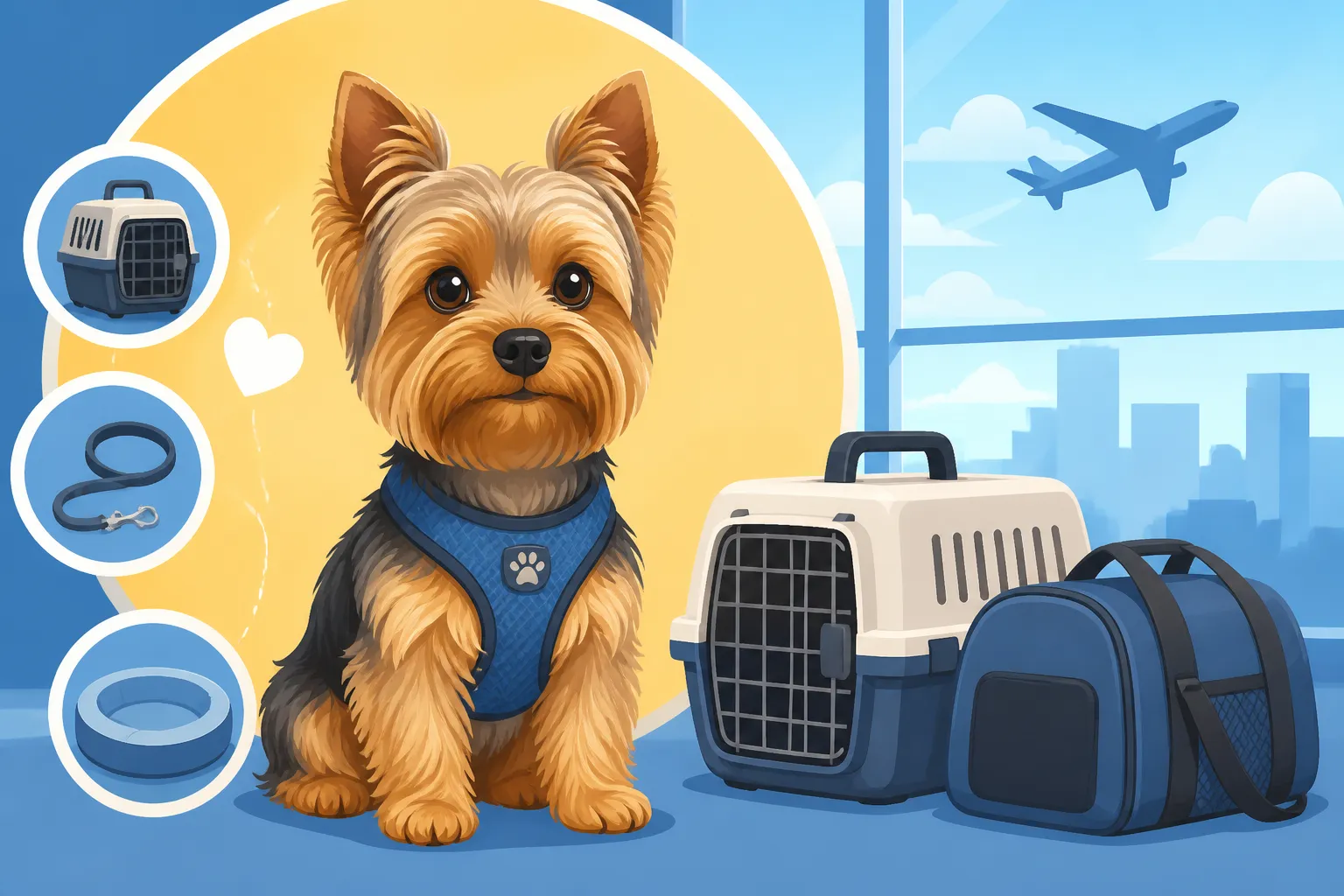
When selecting a carrier, look for one that is well-ventilated, sturdy, and appropriately sized. Your Yorkie should be able to stand up, turn around, and lie down comfortably. For car travel, a crash-tested car seat designed specifically for small dogs or a sturdy crate that can be securely buckled into the vehicle is ideal. Brands available on platforms like Amazon offer a wide range of options, from booster seats that allow your Yorkie to look out the window safely, to soft-sided carriers that are airline-approved. Be sure to measure your Yorkie and check the carrier dimensions carefully. For airline travel, always verify the specific dimensions and requirements of your chosen airline, as these can vary. More details on selecting the perfect fit can be found in our guide, Best Carrier for a Yorkshire Terrier.
For car seats, look for features like washable covers, adjustable straps, and a secure tether to attach to your dog's harness (never their collar). A good car seat will elevate your Yorkie, allowing them to see out and reduce motion sickness, while still keeping them safely contained. Remember, even short trips deserve proper safety precautions.
Travel Essentials Checklist
Once you have the primary containment sorted, it's time to gather all the other necessities that will make your Yorkie's trip as smooth as possible. A well-packed travel bag for your Yorkie is just as important as your own luggage.
Here's a checklist of must-have items:
- Food and Water: Pack your Yorkie's regular food to avoid stomach upset from a sudden diet change. Bring bottled water from home or purified water, as different tap water can sometimes cause digestive issues. Collapsible travel bowls are incredibly handy.
- Medications and First-Aid Kit: If your Yorkie is on any medication, pack plenty for the duration of your trip, plus a few extra days' worth. A small pet first-aid kit with bandages, antiseptic wipes, and tweezers is always a good idea.
- Leash, Harness, and ID Tags: Always use a secure harness instead of a collar for walks, especially when traveling, to protect their delicate trachea. Ensure their ID tags are up-to-date with your current contact information, including your cell phone number. Consider a tag with your temporary travel destination contact if you'll be gone for an extended period. Our post, Why Harnesses Are Better Than Collars for Yorkies, explains this in detail.
- Comfort Items: A familiar blanket or bed, and a few favorite toys, can provide immense comfort and a sense of security in new environments.
- Waste Bags and Cleaning Supplies: Accidents happen, especially when routines are disrupted. Be prepared with plenty of waste bags and some pet-safe cleaning wipes or spray for quick clean-ups.
- Health Records: Keep a copy of your Yorkie's vaccination records and any other important health documents. These may be required by airlines, hotels, or if an unexpected vet visit is needed.
- Treats: High-value treats are invaluable for rewarding good behavior and distracting your Yorkie during stressful moments.
| Item Type | Specific Items | Importance |
|---|---|---|
| Safety | Secure Carrier/Car Seat, Harness & Leash, ID Tags | Protection during travel, easy identification if lost. |
| Comfort | Familiar Blanket/Bed, Favorite Toys, Calming Chews | Reduces stress, provides a sense of home. |
| Nourishment | Regular Food, Water, Collapsible Bowls | Prevents stomach upset, ensures hydration. |
| Health | Medications, First-Aid Kit, Health Records | Emergency care, legal requirements for travel/accommodations. |
| Hygiene | Waste Bags, Cleaning Wipes, Portable Lint Roller | Maintains cleanliness, responsible pet ownership. |
Ensuring In-Transit Safety
Beyond the immediate gear, ensuring your Yorkie's safety during the actual transit is paramount. This goes beyond just being in a carrier; it involves thoughtful planning and attention to their unique vulnerabilities as a small breed.
During car travel, never allow your Yorkie to roam freely in the vehicle or ride with their head out the window. Loose pets are a distraction and can be seriously injured. Even a small fender bender can send them flying. Utilize a properly secured Best Car Seat for a Yorkshire Terrier or crate that is belted into the vehicle. For air travel, if your Yorkie is flying in the cabin with you, their carrier must fit under the seat in front of you. Always follow airline regulations strictly, as non-compliance can lead to your pet being denied boarding.
Always be mindful of temperature. Yorkies are very sensitive to extreme heat and cold. Never leave your Yorkie unattended in a car, even for a few minutes, especially during warm weather. The temperature inside a vehicle can skyrocket quickly, leading to heatstroke. Similarly, ensure they are adequately protected from cold drafts or freezing temperatures. If you're staying at a hotel, confirm it's pet-friendly and avoid leaving your Yorkie alone if they suffer from Yorkie Separation Anxiety: Signs and Fixes. Consider bringing a pet-sitter or dog walker if you anticipate needing to leave them alone for extended periods.
Mastering Different Modes of Travel with Your Yorkie
Once your Yorkie is comfortable with their travel gear and the concept of short outings, you can begin to fine-tune their training for specific modes of transportation. Each method presents its own unique challenges and requirements, and a well-prepared Yorkie parent knows how to navigate them all.
Nailing Car Travel Comfort
Car travel is perhaps the most common way we journey with our Yorkies, from quick errands to long road trips. Making these experiences pleasant requires more than just a car seat; it demands attention to their comfort and mental well-being throughout the ride.
Even with desensitization, some Yorkies may still experience car sickness or anxiety. To combat this, try to keep the car cool and well-ventilated. A slightly cracked window (but not enough for them to stick their head out!) can help equalize air pressure and provide fresh air. Avoid feeding a large meal right before a long car ride, as this can exacerbate motion sickness. Small, bland snacks or a calming chew might be acceptable for some dogs. If your Yorkie is consistently anxious or nauseous, consult your vet about anti-nausea medications or calming supplements. They might suggest a product like Adaptil pheromone spray for their carrier or a mild sedative if anxiety is severe.
During long drives, plan frequent stops for potty breaks and a chance to stretch legs. Aim for every 2-3 hours. Always keep your Yorkie on a leash during these breaks, as unfamiliar surroundings can be disorienting, and they might try to bolt. Offer water, a small walk, and some positive praise for good behavior. Remember, a well-hydrated and comfortable Yorkie is a happy traveler. Regularly practicing short, enjoyable car rides to fun places, like the dog park, will reinforce the positive association with the car, teaching them that car = adventure.
Navigating Air Travel Regulations and Preparation
Flying with a Yorkie can be a complex endeavor, but it's entirely possible with meticulous planning. Most Yorkies are small enough to fly in the cabin with you, which is generally the safest and least stressful option. However, regulations are strict and vary by airline.
Before you even book a flight, research airline pet policies thoroughly. This includes carrier dimensions, weight limits (often carrier + pet), fees, and required documentation. Airlines typically limit the number of pets in the cabin per flight, so book well in advance. You'll need an up-to-date health certificate from your veterinarian, issued within a specific timeframe (usually 10 days) before your flight. This certificate confirms your Yorkie is healthy enough to travel and has all required vaccinations, like those on the Yorkie Vaccination Schedule.
On the day of travel, arrive early to allow extra time for check-in and security. At the security checkpoint, you'll usually need to remove your Yorkie from their carrier and carry them through the metal detector while the carrier goes through the X-ray machine. This can be stressful for both of you, so practice being picked up and held securely beforehand. During the flight, your Yorkie must remain in their carrier under the seat in front of you. Do not take them out. Offer quiet toys or a long-lasting chew (if permitted) to keep them occupied. While it might seem counterintuitive, avoid giving sedatives unless specifically recommended and prescribed by your vet, as they can cause adverse reactions at altitude. Some airlines may even prohibit them.
Exploring Public Transportation and Pet-Friendly Places
Traveling by train, bus, or even ferry with a Yorkie can also be an option, depending on local regulations and the specific transit company. Always check their pet policy in advance. Many urban transit systems only allow small pets in carriers during off-peak hours, if at all.
When using public transportation, ensure your Yorkie is securely contained in a well-ventilated carrier. They should be calm and quiet, as excessive barking or fussing can disturb other passengers and may lead to you being asked to leave. Prior practice with their carrier, as discussed in the crate training section, will pay dividends here. A treat-stuffed KONG or a favorite chew can keep them content and quiet during the journey. The training skills learned through programs like those from BAXTER & Bella can be incredibly useful in ensuring your Yorkie is well-behaved and comfortable in new, stimulating environments.
Beyond the journey itself, consider your destination. Research pet-friendly accommodations, restaurants (with outdoor seating), and attractions. Many cities now have excellent resources for traveling with pets, and an internet search for "pet-friendly [your destination]" can yield a wealth of information. Always have a plan for potty breaks and be prepared with waste bags, no matter where you are. Respecting local rules and being a responsible pet owner ensures that more places remain open to traveling pets in the future.
Troubleshooting and Maintaining Well-being on the Road
Even the most well-trained Yorkie can experience a hiccup or two while traveling. Unexpected events, changes in environment, and simply the stress of being away from home can trigger issues. Knowing how to troubleshoot common problems and prioritize your Yorkie's well-being is key to a truly successful travel experience.
Managing Anxiety and Motion Sickness
Despite your best efforts, anxiety or motion sickness can still rear its head. Signs of anxiety in a Yorkie can include excessive panting, drooling, yawning, whining, trembling (beyond their usual shiver), or attempting to hide. If you see these signs, address them calmly.
For mild anxiety, try to speak in soothing tones, offer a comforting pet (if it doesn't overstimulate them), and redirect their attention with a favorite toy or a gentle massage. A familiar blanket or an item of your clothing in their carrier can provide a sense of security. Natural calming aids, like a thundershirt or certain pheromone sprays (e.g., Adaptil), might offer some relief. For persistent or severe anxiety, especially that which impacts their health, it's always best to consult your veterinarian. They can rule out underlying medical issues and may suggest prescription medication or stronger calming techniques. It's important to know the difference between normal travel jitters and Yorkie Emergency Symptoms to Never Ignore.
For motion sickness, prevention is the best strategy (fasting before travel, fresh air). If it still occurs, pull over safely as soon as possible. Let your Yorkie out for a short walk on a leash in a calm area. Offer a small amount of water. Clean up any messes immediately. Your vet can prescribe anti-nausea medication like Cerenia if your Yorkie is prone to severe motion sickness. Never give human medications without veterinary guidance.
Sticking to Routines and Potty Breaks
Yorkies thrive on routine, and travel can throw their schedule completely off balance. Maintaining as much of their regular routine as possible will help minimize stress and prevent accidents. This includes meal times, exercise, and, most importantly, potty breaks.
Even if you're on a tight schedule, resist the urge to skip or rush potty breaks. Yorkies have tiny bladders, and forcing them to "hold it" for too long can lead to discomfort, accidents, and even urinary tract issues. Plan your itinerary to include frequent stops, ideally every 2-3 hours for car travel. As soon as you arrive at a new destination, the first thing to do is take your Yorkie out to relieve themselves. Praise and reward them lavishly when they go potty in appropriate areas.
Try to feed them at their usual times, even if the location changes. If you typically walk them at certain times of the day, stick to those times. Consistency provides a sense of normalcy and security in unfamiliar surroundings. This also ties into how to effectively manage their needs if you typically have them on a How to Leave a Yorkie Home Alone schedule, which will need adjustments when you travel.
Preparing for the Unexpected and Vet Visits
No matter how meticulously you plan, travel always comes with an element of the unexpected. Flat tires, flight delays, or a sudden illness in your Yorkie can throw a wrench into your plans. Being prepared for these eventualities can save a lot of stress.
Always have your vet's contact information readily available, along with your Yorkie's health records. Before you leave, identify emergency veterinary clinics along your route or at your destination. A quick search for "24-hour vet near me" or using apps like Pet Emergency will provide immediate options. If your Yorkie seems unwell or has an accident, don't hesitate to seek veterinary attention. Early intervention can prevent minor issues from becoming major problems. You might find our article on Yorkshire Terrier Vet Costs and Health Budget helpful in understanding potential expenses.
Consider pet insurance. While it won't prevent emergencies, it can significantly alleviate the financial burden of an unexpected vet bill while you're away from home. Being prepared means having a backup plan for everything, from extra food and water in case of delays to knowing where to go for immediate medical help. A little foresight can make all the difference in ensuring a safe and happy journey for both you and your precious Yorkie.
Disclaimer
The information provided in this article is for general informational purposes only and is not a substitute for professional veterinary advice. Always consult with a qualified veterinarian regarding your Yorkie's health, training needs, and before making any decisions related to their care, especially concerning travel, medications, or health conditions.