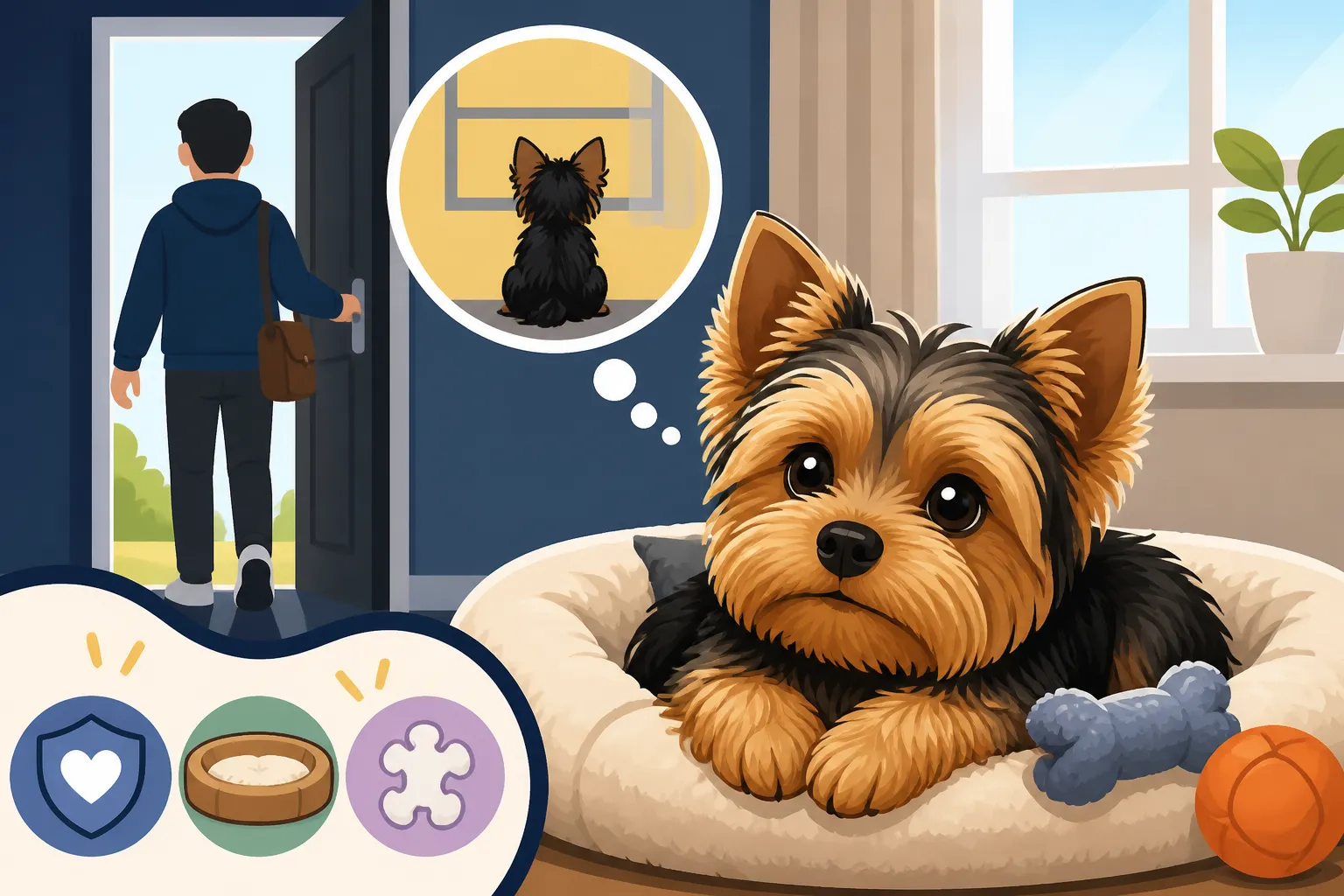
How to Leave a Yorkie Home Alone
Leaving your beloved Yorkshire Terrier home alone can be a source of real anxiety for any pet parent. Many of us grapple with the guilt, the worry about their safety, and the dread of coming home to a mess or a distressed pup. This comprehensive guide is here to equip you with practical strategies and a step-by-step approach to help your Yorkie not only cope but thrive during your absences, ensuring peace of mind for both of you.
Understanding Your Yorkie's Solo Needs and Temperament
Yorkshire Terriers are renowned for their vibrant personalities, unwavering loyalty, and often, their intense attachment to their human families. This deep bond, while endearing, can sometimes make alone time a significant challenge. It's not just about giving them food and water; it's about addressing their emotional and behavioral needs when you're not around.
The Yorkie's Social Nature and Separation Anxiety Tendencies
Yorkies were originally bred as working dogs, but they quickly transitioned into cherished companion animals, and they embrace that role wholeheartedly. They are, by nature, very social creatures who thrive on interaction and being close to their people. This isn't a flaw in their personality; it's just how they're wired! Because of this, they are particularly prone to developing separation anxiety, which manifests as excessive barking, destructive chewing, inappropriate urination or defecation, or even frantic attempts to escape when left alone. Imagine being a tiny dog in a big, quiet house all by yourself; it can be incredibly unsettling. Understanding this inherent need for companionship is the first step in helping them adapt. If you notice signs like relentless barking or whining when you leave, or destructive behavior that only occurs in your absence, it's a strong indicator that your Yorkie might be experiencing separation anxiety. Luckily, there are many proactive steps you can take to mitigate these feelings. Our guide on Yorkshire Terrier Separation Anxiety Solutions delves deeper into this topic.
Age-Specific Considerations for Alone Time
A tiny Yorkie puppy has very different needs than a well-adjusted adult or a serene senior dog when it comes to being left alone. A young puppy, especially one under four or five months, has a bladder the size of a walnut and a need for constant supervision. They simply cannot hold it for long periods, nor do they understand why you've disappeared. Leaving a young puppy alone for more than an hour or two can lead to accidents, distress, and can even hinder successful potty training. Their world is all about immediate gratification and safety in numbers.
As Yorkies mature into adulthood, they generally gain more independence and bladder control. An adult Yorkie, typically over a year old, can often handle longer periods alone, provided they've been properly trained and exercised. However, even adult Yorkies aren't built for solitude for eight hours straight every day without proper preparation and stimulation. Senior Yorkies might have their own set of challenges, like increased frequency of urination or cognitive decline, which can make them more anxious or confused when left alone. Always consider your individual dog's age, health, and personality when determining how long is truly appropriate. The Yorkshire Terrier Puppy Health Guide can offer more insights into the specific needs of young pups.
Recognizing Signs of Distress
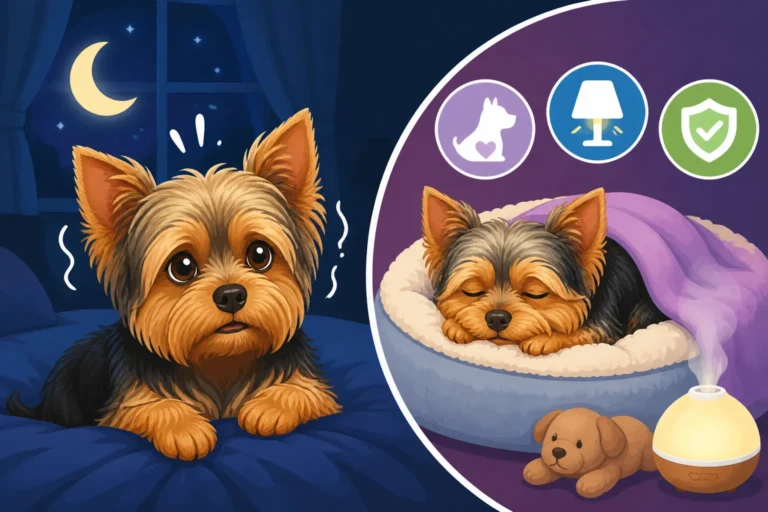
It's crucial to be able to read your Yorkie's cues to understand if they're struggling with alone time. While some signs are obvious, like coming home to chewed furniture or a puddle on the rug, others are more subtle. Excessive barking or howling, as evidenced by notes from neighbors or a pet camera, is a common cry for help. Pacing, panting, trembling, or drooling excessively can also indicate stress. Some Yorkies will try to escape, scratching at doors or windows, which can be dangerous.
Less obvious signs might include refusing to eat treats you left out for them, even high-value ones, or obsessive licking of their paws or flanks while you’re gone. When you return, a distressed Yorkie might greet you with an overly frantic display, indicating they were genuinely upset by your absence. On the flip side, a calm greeting and a relatively tidy home usually mean they managed well. Tracking these behaviors, perhaps with a pet camera, can help you tailor your approach. Our detailed guide on Yorkie Separation Anxiety: Signs and Fixes provides a comprehensive list of symptoms to watch for.
Preparing Your Home for Solo Yorkie Time
Before you even think about stepping out the door, it’s vital to create an environment that’s not just safe but also comforting and stimulating for your little companion. A well-prepared home sets the stage for a positive alone-time experience.
Creating a Safe and Secure Space
The first step in leaving your Yorkie alone is ensuring they have a designated "safe space" where they feel secure and can't get into trouble. For many Yorkies, this is a crate, but it could also be a small, dog-proofed room like a laundry room or a blocked-off area of a larger room using baby gates. The key is that this space should be free from hazards and offer a sense of den-like security. It shouldn't feel like a punishment. Place their comfy bed, a favorite blanket, and a few safe toys within this area. The ideal location is quiet but not isolated, perhaps near a window where they can observe the outside world (if it doesn't overstimulate them) or in a room where they typically spend time with you.
Consider the temperature, too. Yorkies can be sensitive to extreme heat or cold, so ensure their area is climate-controlled. If you're using a crate, make sure it's the right size – just big enough for them to stand up, turn around, and lie down comfortably. Too large, and they might use one end as a potty area; too small, and it's uncomfortable. For options, you can find a Best Crate for a Yorkshire Terrier that suits your Yorkie's needs, easily available on platforms like Amazon.
Essential Supplies for Comfort and Engagement
Once the space is secured, fill it with items that will keep your Yorkie comfortable and, more importantly, engaged. A comfortable bed is non-negotiable; something soft and washable provides a cozy spot for naps. Access to fresh water is also critical. Consider a spill-proof bowl or a water dispenser, especially for longer absences.
For mental stimulation, a variety of safe, engaging toys are paramount. Think about puzzle toys that dispense treats slowly, snuffle mats that encourage foraging, or durable chew toys. These are not just for fun; they redirect potentially destructive chewing and keep their minds active. Kong toys filled with peanut butter or yogurt and then frozen can provide a long-lasting distraction. Rotate toys to keep things interesting so they don't get bored with the same old things every day. Providing these outlets helps prevent boredom, which is often a precursor to destructive behavior or excessive barking.
Yorkie-Proofing for Safety
Yorkies are small, curious, and incredibly adept at getting into tight spaces or chewing on things they shouldn't. Before leaving them alone, you need to become a master of "Yorkie-proofing." This means looking at your home from their perspective. Get down on their level and scan for potential dangers. Are there electrical cords they could chew? Small objects they could swallow (coins, buttons, hair ties)? Toxic plants within reach? Cleaning supplies, medications, or human foods (especially chocolate, xylitol, or grapes) left on low tables or accessible cabinets?
It's not enough to just put things away; ensure cabinets are latched and trash cans are secure. If your Yorkie is a jumper or a climber, consider what might be within their reach on counters. Even seemingly innocuous items like socks or underwear can cause serious intestinal blockages. Securing valuables is a secondary benefit, but the primary goal is your Yorkie's safety. A thorough Yorkie-proofing session can prevent an emergency trip to the vet and give you true peace of mind. Remember, a Yorkie can turn an ordinary household item into a potential hazard in minutes.
Gradual Training for Alone Time Success
Training your Yorkie to be comfortable alone isn't a quick fix; it's a gradual process that builds confidence and trust. Rushing it can actually worsen anxiety, so patience and consistency are your best friends here.
Starting with Short Absences
The foundation of successful alone-time training is starting small. Don't go from never leaving your Yorkie alone to leaving them for hours. Begin by simply stepping out of the room for a minute or two. Go to the bathroom, step into another room, or even just behind a closed door within sight. When you return, don't make a big fuss. Greet them calmly. If they were quiet, offer a quiet "good job" or a small, healthy treat. Gradually increase these periods. Maybe you step outside for five minutes to check the mail, then ten minutes to walk around the block.
The goal is to desensitize them to your departure cues (grabbing keys, putting on shoes) and teach them that your leaving is not a scary, permanent event. Practice these short departures multiple times a day. It’s better to do ten 5-minute departures than one 50-minute one. The more consistently they experience your return after a brief absence, the more their confidence will grow. This slow, steady approach is critical for preventing the development of full-blown separation anxiety. You can find more structured approaches in resources like Yorkie Training Mistakes to Avoid.
Desensitization Techniques
Beyond just short absences, desensitization involves breaking down all the actions you take before leaving the house into non-threatening parts. Yorkies are incredibly observant and often pick up on subtle cues that signal your departure: grabbing your car keys, putting on your coat, or picking up your purse. These actions can trigger anticipatory anxiety even before you walk out the door.
To desensitize them, start performing these actions randomly throughout the day without actually leaving. Pick up your keys, jingle them, then put them back down and sit on the couch. Put on your coat, walk around the house for a bit, then take it off. Do this repeatedly until these cues lose their power to trigger anxiety. When you actually do leave, try to make your departure and return as low-key as possible. Avoid dramatic goodbyes or overly enthusiastic greetings. A calm "I'll be back soon" and a quiet return reinforces the idea that your absence is no big deal.
Another powerful desensitization technique involves providing a high-value, long-lasting chew or puzzle toy right before you leave. This creates a positive association with your departure, linking your exit with something enjoyable. Your Yorkie learns, "Oh, they're leaving! Time for my special treat!" rather than "Oh no, they're leaving! Panic!"
Utilizing Crate Training Effectively
Crate training can be an incredibly effective tool for managing alone time, especially for a breed like the Yorkshire Terrier who instinctively appreciates a den-like space. However, it's crucial that the crate is introduced positively and never used as a punishment. The crate should be a safe, comfortable haven, not a place of confinement. Our Yorkshire Terrier Crate Training Guide provides an in-depth look at this process.
Start by making the crate a positive place. Feed your Yorkie meals inside, toss treats in there, and let them explore it at their leisure with the door open. Once they're comfortable, practice closing the door for very short periods while you're still in the room, gradually increasing the time. Never leave them in the crate if they are actively panicking or barking excessively; this will only create a negative association. The goal is for them to associate the crate with relaxation and safety.
When you do leave the house, place them in their crate with a favorite toy or a Kong filled with a treat. This helps them connect your departure with a positive experience. Over time, many Yorkies learn to enjoy their crate time, viewing it as a cozy space for napping and quiet chewing while their humans are away. It also prevents them from getting into dangerous situations or destroying your home out of boredom or anxiety. Just be sure the crate is the appropriate size, allowing them to stand, turn, and lie down comfortably, but not so big that they can use one end as a potty area. For puppies, a gradual approach following a Yorkie Puppy Training Schedule is especially important.
Enrichment and Entertainment While You're Away
Even with the best training, a Yorkie can get bored. Providing appropriate enrichment is key to keeping their minds stimulated and preventing destructive behaviors or excessive barking when they are left alone.
Engaging Toys and Puzzle Feeders
Interactive toys are a game-changer for solo Yorkie time. These aren't just regular squeaky toys; they require your dog to engage their brain to get a reward. Puzzle feeders, for instance, dispense kibble or treats only when your Yorkie manipulates them correctly. This taps into their natural foraging instincts and provides a mental workout, keeping them occupied for extended periods. Brands offer a wide range of these, from beginner-friendly snuffle mats where they root around for hidden treats, to more complex dispensing toys. You can find many options on platforms like Amazon, from simple Kongs that can be stuffed with safe foods and frozen, to more elaborate treat-dispensing gadgets.
It's a good idea to rotate these toys, so they don't get bored. Introduce a new one every few days, and put others away. This keeps the toys novel and exciting. Always choose toys that are size-appropriate and durable enough that your Yorkie can't chew off and swallow small pieces, which could lead to a choking hazard or intestinal blockage.
Soundscapes and Visual Stimulation
Sometimes, silence can amplify a Yorkie's anxiety, making every creak and distant noise feel more jarring. Creating a calming auditory environment can make a huge difference. Try leaving on a radio station tuned to classical music or talk radio, or invest in a white noise machine or a dog-specific calming music playlist. These sounds can help mask outside noises and create a more tranquil atmosphere.
Similarly, visual stimulation can be beneficial for some Yorkies. Leaving the television on a channel like Animal Planet or even YouTube videos specifically designed for dogs can provide visual interest. Watching other animals or calming scenes can keep them engaged and distract them from your absence. However, observe your Yorkie's reaction; for some, constant movement on a screen can be overstimulating and actually increase anxiety. It's about finding what works best for your individual dog and creating a sensory environment that promotes relaxation rather than agitation.
Technology for Remote Monitoring
Modern technology offers incredible tools for staying connected and ensuring your Yorkie's well-being while you're away. Pet cameras, for example, allow you to remotely monitor your dog in real-time through your smartphone. Many even have two-way audio, so you can speak to your Yorkie and soothe them, or hear if they're barking excessively. Some advanced cameras even have treat dispensers built-in, allowing you to reward calm behavior from afar.
These devices can be invaluable for gathering information about how your Yorkie truly behaves when left alone. Are they sleeping peacefully? Pacing? Barking the entire time? This data can inform your training strategy and help you understand if adjustments are needed. Regularly checking in can also offer you significant peace of mind. Investing in a good quality pet camera can be a game-changer for many Yorkie parents.
Troubleshooting Common Challenges and Advanced Strategies
Even with the best preparation, challenges can arise. It's important to recognize when your Yorkie needs extra help and to explore advanced strategies or professional support.
Addressing Persistent Separation Anxiety
If your Yorkie's separation anxiety persists despite consistent training and environmental enrichment, it's time to take a more focused approach. The key here is not to punish the behaviors, as that will only increase their anxiety. Instead, focus on counter-conditioning and desensitization. This involves changing their emotional response to your departures. A common technique is to repeatedly practice "fake" departures—grab keys, open door, close door, immediately return—without ever truly leaving, desensitizing them to the cues.
Another effective method is teaching a "stay" command, gradually increasing the duration and distance between you and your Yorkie, even if you just step into another room. If you've exhausted basic training, consider online programs or working with a certified professional dog trainer or a veterinary behaviorist. Services like BAXTER & Bella offer comprehensive online training programs that can guide you through specific exercises to address separation anxiety, often with personalized support. They can help you implement a structured plan tailored to your Yorkie's specific needs. Severe cases might even warrant a discussion with your vet about anti-anxiety medication in conjunction with behavior modification. For more in-depth guidance, refer to Yorkshire Terrier Separation Anxiety Solutions.
Hiring Professional Help or Pet Sitters
For longer absences or if your work schedule is unpredictable, professional help can be a lifesaver. This isn't a failure on your part; it's a responsible way to ensure your Yorkie's well-being.
Consider hiring a professional dog walker to visit your Yorkie in the middle of the day. A 30-minute walk, potty break, and some playtime can break up a long day and provide much-needed physical and mental exercise. This is especially beneficial for adult Yorkies who might be home for more than 4-5 hours. Always vet potential walkers thoroughly, checking references and ensuring they have experience with small breeds like Yorkies.
For extended trips, a trusted pet sitter who can stay in your home or provide regular visits is often the best option. This allows your Yorkie to remain in their familiar environment, which minimizes stress. Alternatively, some reputable doggy daycare facilities cater to small breeds, offering supervised playtime and socialization. However, always ensure the facility is clean, safe, and has staff experienced with the delicate nature of Yorkies. This ensures they get the Yorkie Daily Care Routine they need, even when you're away.
Here's a quick comparison of professional help options:
| Service Type | Pros | Cons | Ideal For |
|---|---|---|---|
| Dog Walker | Mid-day potty breaks & exercise, minimal disruption to routine | Only brief visits, dog still alone for long stretches | Regular workdays, preventing long stretches of solitude |
| In-Home Pet Sitter | Yorkie stays in familiar environment, personalized attention, house security | More expensive, requires trust in someone in your home | Vacations, business trips, dogs with specific needs or anxiety |
| Doggy Daycare | Constant supervision, socialization, exercise | Can be overstimulating for some Yorkies, exposure to other dogs/illnesses | Highly social Yorkies, owners who want daily stimulation and interaction |
| Boarding Kennel | Professional supervision, often includes activities | Can be stressful due to new environment, less personalized attention | Short trips, no other options available, well-socialized Yorkies |
Long-Term Management and Routine Adjustments
Managing alone time for your Yorkie is often an ongoing process that requires consistent effort and flexibility. Establish a predictable daily routine as much as possible, as Yorkies thrive on structure. Knowing when to expect meals, walks, and playtime can help reduce anxiety related to your unpredictable departures.
Consider how your own behavior impacts your Yorkie. Do you shower them with attention as soon as you walk in the door? While it's tempting, a more calm and delayed greeting can prevent them from associating your return with an over-the-top celebration that makes your absence seem even more dramatic. Engage in a quick, calm interaction, then wait a few minutes before full-on cuddles and playtime.
Regular exercise before you leave can also significantly help. A tired Yorkie is more likely to settle down and nap while you're gone. Even a brisk 15-20 minute walk or an energetic play session can make a difference. Addressing underlying health issues is also vital; for instance, if your Yorkie frequently has accidents when left alone, it could be a sign of a bladder infection, not just anxiety. Always monitor for Yorkie Emergency Symptoms to Never Ignore and consult your veterinarian if you have concerns about their physical health contributing to their behavior. Patience, consistency, and a deep understanding of your Yorkie's unique needs will pave the way for successful, happy solo time.
Disclaimer
This guide offers general information and recommendations. Every Yorkshire Terrier is an individual, and their needs may vary. Always consult with your veterinarian or a certified professional dog trainer for personalized advice regarding your pet's health, behavior, and specific training requirements.