How to Stop a Yorkie from Eating Poop
It's incredibly frustrating, and let's be honest, pretty disgusting, to catch your adorable Yorkshire Terrier in the act of eating poop. You love them, you groom them, you snuggle them, and then they turn around and do something that makes you question everything. This isn't just about the "ick" factor; it's a genuine concern for their health and hygiene. This comprehensive guide is here to shed light on why your Yorkie might be engaging in this unwelcome behavior, known as coprophagia, and more importantly, what actionable steps you can take to stop it, ensuring a cleaner, healthier, and happier life for both of you.
Understanding Why Your Yorkie Eats Poop (Coprophagia)
Before we can even begin to address this behavior, it's crucial to understand the potential root causes. It's rarely out of malice or spite; usually, there's an underlying reason, whether it's medical or behavioral. Jumping straight to punishment without knowing the "why" can often make the problem worse, not better. Many Yorkie parents feel embarrassed by this issue, but please know, you are absolutely not alone. It's a common problem for many dog owners, especially with smaller breeds.
Medical Reasons for Coprophagia
Sometimes, the simplest explanation is the one we least expect: a health issue. Your Yorkie isn't just being gross; their body might be telling them something. It’s always the first place to start when you notice any new or concerning behavior.
Many smaller breeds, including Yorkshire Terriers, can be prone to certain health challenges that might indirectly lead to unusual eating habits. For instance, sometimes a Yorkie eating poop can be a sign of a deficiency, as their body attempts to re-ingest nutrients it feels it's missing. This isn't always about a "bad" food, but sometimes their system might not be absorbing nutrients effectively, or there might be an issue with their pancreas. Conditions like exocrine pancreatic insufficiency, where the pancreas doesn't produce enough digestive enzymes, can leave food undigested, making it appealing for them to consume. It's a tough situation because you're feeding them, but they're not getting what they need, leading them to seek it elsewhere. This is why addressing Yorkshire Terrier Health Problems to Know with your vet is paramount.
Additionally, internal parasites are a significant concern. Worms or other gastrointestinal parasites can steal nutrients from your Yorkie's food, leaving them feeling malnourished even if they're eating a perfectly good diet. Their instinct might then be to try and "recover" those nutrients by consuming feces. Regularly deworming your Yorkie and ensuring they have up-to-date parasite prevention is a fundamental part of responsible pet ownership. A stool sample analysis at your vet can easily rule out or confirm this possibility. Another less common, but possible, medical reason could be an overactive thyroid gland (hyperthyroidism), which can cause an increased appetite and unusual eating patterns. If your Yorkie suddenly starts eating poop and is also losing weight despite eating normally, this is definitely something to discuss with your veterinarian.
Behavioral Reasons for Coprophagia
Even when medical causes are ruled out, the urge to eat poop can persist, pointing to deeply ingrained behavioral patterns. Yorkies are intelligent and sensitive creatures, and their actions often communicate something about their emotional state or environment. It's not just about a "naughty" dog; it's about a dog trying to cope or communicate.
One of the most common behavioral reasons is simple boredom or lack of stimulation. Yorkies, despite their small size, are energetic and curious. If they're left alone for long periods without adequate toys, playtime, or mental challenges, they might turn to the most "interesting" thing available in their environment – which unfortunately could be their own waste or that of other animals. This is particularly true if they're confined to a small area without much else to do. Imagine being stuck in a room with nothing but dirt; eventually, you might start examining the dirt pretty closely. This same principle applies to your Yorkie. Providing ample mental and physical stimulation can make a huge difference, whether through interactive toys found on Amazon or regular walks.
Anxiety and stress are huge contributors to many undesirable dog behaviors, and coprophagia is no exception. A Yorkie experiencing separation anxiety, for example, might eat their own feces as a coping mechanism, particularly if they're left alone for extended periods. This might be coupled with other signs like destructive chewing, excessive barking, or inappropriate urination. Furthermore, if a Yorkie has been punished harshly for accidents inside the house, they might learn to eat their waste to "hide the evidence" and avoid further reprimand. This is a common, heartbreaking scenario where good intentions (potty training) can lead to unintended consequences. They associate the presence of poop with punishment, not the act of pooping itself. For this reason, positive reinforcement is always the way to go when learning How to Train a Yorkshire Terrier.
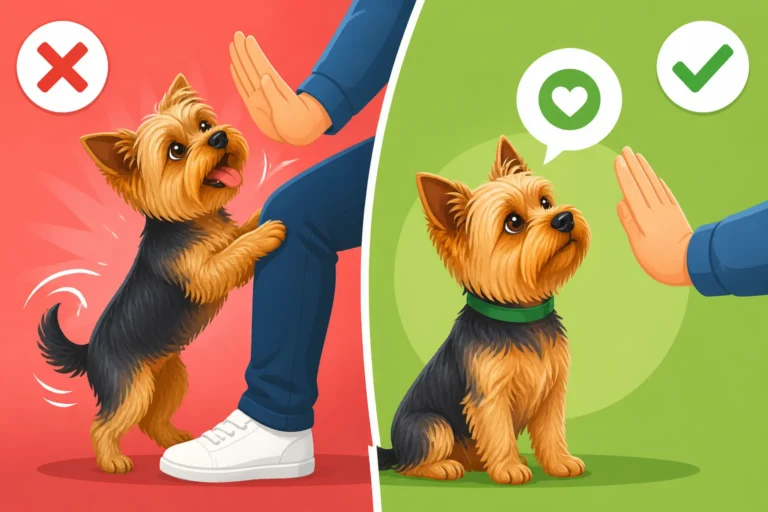
Another factor can be attention-seeking. Sometimes, if a Yorkie discovers that eating poop gets a dramatic reaction from their owner (even a negative one), they might repeat the behavior to get any kind of interaction. This is especially true for smart, sensitive breeds like Yorkies who crave their human's attention. Similarly, it can be an instinctual behavior inherited from their wild ancestors. Mother dogs often eat their puppies' feces to keep the den clean and prevent predators from detecting the scent of vulnerable pups. Some puppies, unfortunately, pick up this habit and carry it into adulthood. Finally, plain old scavenging can be a factor. Dogs are natural scavengers. If there's something edible (or seemingly edible) in their environment, their instinct might be to consume it. This is why some Yorkies might eat the feces of other animals (cats, deer, rabbits) – it often contains undigested food that smells appealing to them.
Practical Strategies to Stop Poop Eating
Once you have a better understanding of why your Yorkie might be eating poop, you can start implementing practical strategies. This isn't a one-size-fits-all solution; it often requires a multi-pronged approach combining management, diet, and training. Be patient and consistent, as changing deeply ingrained behaviors takes time and effort.
Environmental Management and Prevention
This is your first line of defense and often the quickest way to reduce the immediate problem. If your Yorkie can't access the poop, they can't eat it. It sounds simple, but it requires diligence on your part. Think of it as putting up guardrails while you work on the underlying issues.
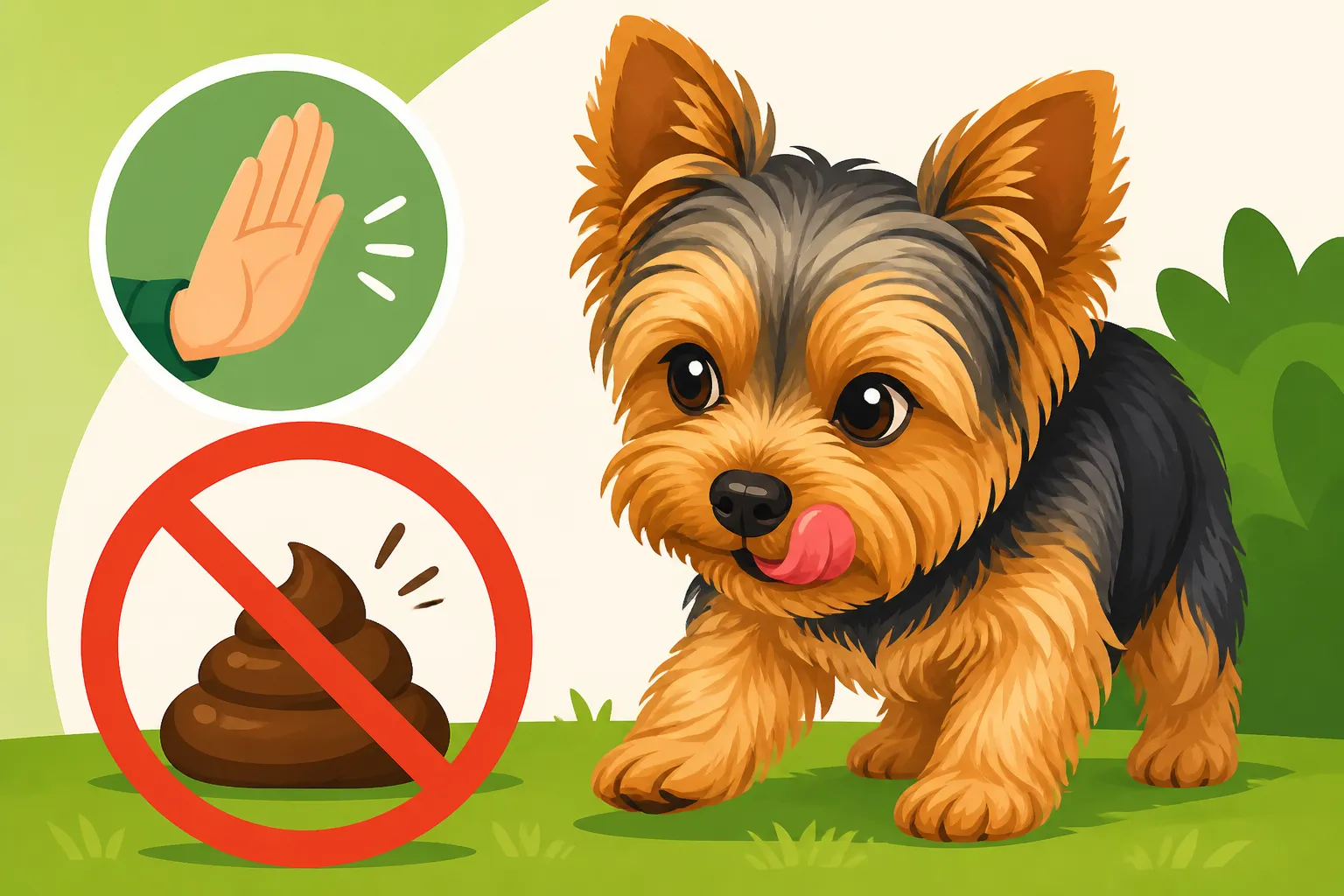
The most critical step is immediate cleanup. As soon as your Yorkie eliminates, whether indoors on a pee pad or outdoors in the yard, pick it up right away. Don't give them a window of opportunity. If you have a yard, make it a daily chore to walk around and scoop up any waste, especially if you have multiple dogs. For those living in apartments or shared spaces, this means being extra vigilant during walks. Always carry poop bags and be ready to act quickly. If you have a cat, ensuring your litter box is inaccessible to your Yorkie is also crucial. Many dogs find cat feces particularly appealing due to its high protein content. Consider a top-entry litter box or placing the litter box in a room only the cat can access, perhaps with a pet gate designed for small animals. This immediate cleanup not only prevents coprophagia but also promotes a cleaner, more hygienic environment for everyone.
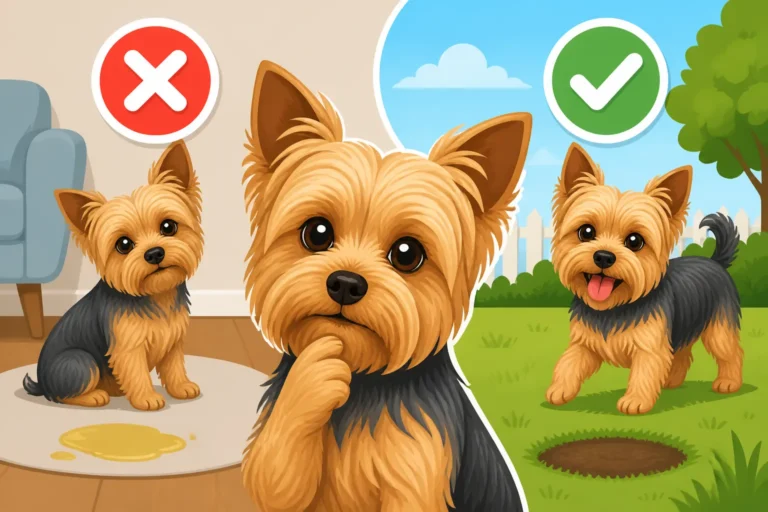
When you're out for walks, keep your Yorkie on a leash and actively supervise them. A retractable leash might seem convenient, but it can give your Yorkie too much freedom to sniff out and snatch up tempting deposits before you can react. A standard 6-foot leash gives you better control. If you spot another dog's waste, gently guide your Yorkie away from it with a "leave it" command (more on this later). Remember, even a quick lick can transfer parasites, so prevention is key. You might also consider setting up a designated potty area in your yard if you have one. This helps confine the waste to one spot, making cleanup easier and more predictable. Regularly clean and disinfect this area to remove any lingering attractive smells. Even if you don't have a yard, establishing a consistent potty schedule and routine can help reduce indoor accidents and make cleanup more manageable. This also ties into Yorkshire Terrier Potty Training Guide principles.
Dietary Adjustments and Supplements
What goes into your Yorkie's body can significantly impact what comes out and how appealing it is to them. Sometimes, a simple change in their diet can make a world of difference, especially if the coprophagia stems from nutritional deficiencies or undigested food.
First, evaluate your Yorkie's current dog food. Are you feeding a high-quality, balanced diet that is appropriate for their age, size, and activity level? Some lower-quality foods contain fillers that pass through the digestive system largely undigested, making the stool more appealing to dogs seeking nutrients. Look for foods with real meat as the first ingredient and avoid excessive corn, soy, or by-products. Brands like Royal Canin Yorkshire Terrier Adult Dry Dog Food or Hill's Science Diet Small Paws are often recommended by vets for their specific breed-size formulations and digestible ingredients. You can find many excellent options on Amazon with detailed ingredient lists to help you choose. If you've been free-feeding your Yorkie, consider switching to scheduled meals. This can improve digestion and make it easier to monitor their intake and output. Providing multiple, smaller meals throughout the day (e.g., two or three) can also aid digestion and keep their metabolism steady, reducing extreme hunger that might lead to scavenging. For a deeper dive, check out our guide on the Best Dog Food for Yorkshire Terriers.
Next, consider anti-coprophagia supplements. These supplements typically work in one of two ways: making the stool taste repulsive, or aiding digestion so the stool contains fewer appealing nutrients. Ingredients like Monosodium Glutamate (MSG), Yucca schidigera, or capsicum are sometimes used to make feces unappetizing. Digestive enzymes (like those found in pancreatic supplements) can help improve nutrient absorption, reducing the perceived need for your Yorkie to eat their own waste. Always consult your veterinarian before adding any supplements to your Yorkie's diet to ensure they are safe and appropriate for your individual dog, especially if they have sensitive stomachs. They can also help you pinpoint if a deficiency is at play, which might also be linked to Yorkshire Terrier Liver Shunt: Diet and Care.
| Strategy Category | Common Reasons Addressed | Key Actions | Notes |
|---|---|---|---|
| Environmental | Boredom, Scavenging, Past Punishment, Opportunity | Immediate cleanup, Leash control, Secure litter boxes, Designated potty areas | Most immediate impact; requires consistency. |
| Dietary | Nutritional Deficiencies, Poor Digestion | High-quality food, Scheduled meals, Anti-coprophagia supplements | Consult vet before changes; may take time to see results. |
| Behavioral | Attention-Seeking, Anxiety, Lack of Stimulation, Instinct | "Leave It" command, Positive reinforcement, Enrichment toys, Professional training | Long-term solution; builds a stronger bond. |
Training and Behavioral Modification
Once you've managed the environment and optimized their diet, it's time to tackle the behavior head-on with consistent training. This is where you teach your Yorkie what you do want them to do, rather than just preventing the unwanted behavior.
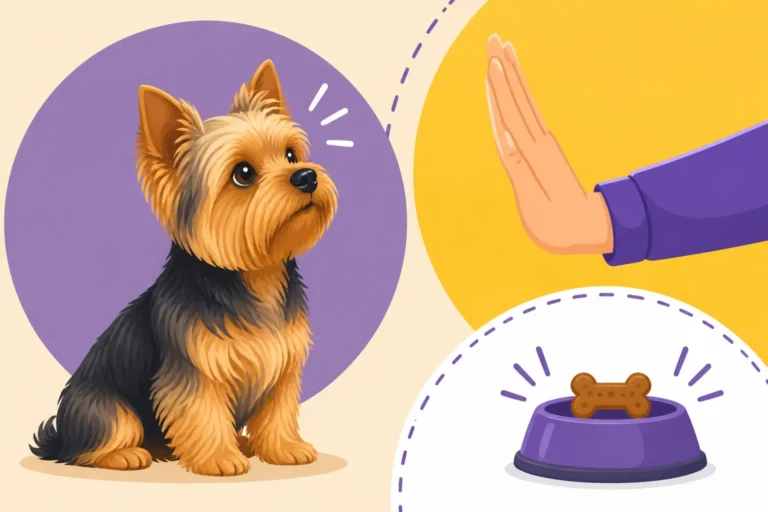
One of the most powerful commands for combating coprophagia is "Leave It." This command teaches your Yorkie to ignore something undesirable on the ground. Start practicing "Leave It" indoors with low-value items (like a regular toy) and gradually work up to higher-value items (like a tasty treat) and then eventually, to actual poop outdoors. When your Yorkie looks at the item you want them to leave alone, say "Leave It," and immediately reward them with a much better, high-value treat when they turn their attention to you instead of the item. Practice this regularly, and soon, you'll be able to use it effectively on walks or in the yard. Consistency is key with this command; everyone in the household needs to use it the same way. Check out our guide on How to Teach a Yorkie to Leave It for a step-by-step approach.
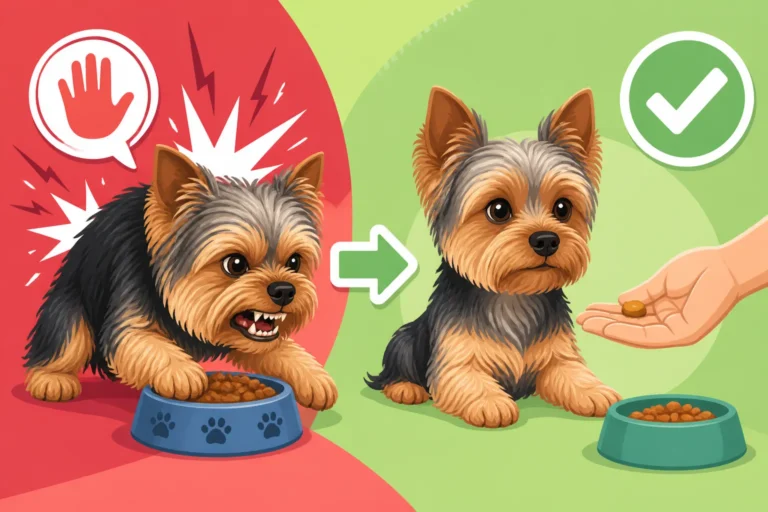
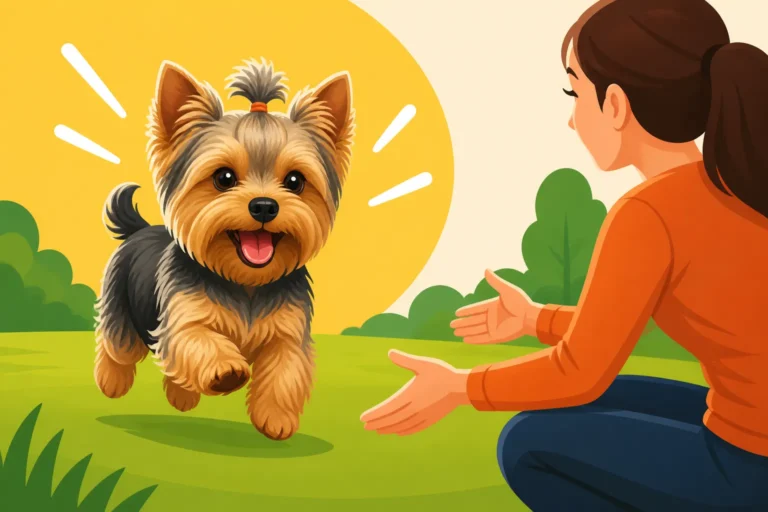
Positive reinforcement is your best friend here. Never, ever punish your Yorkie for eating poop or for having an accident inside, especially if you suspect they might be doing it to hide the "evidence." Punishment can lead to fear, anxiety, and an escalation of the problem. Instead, focus on rewarding desirable behaviors. When your Yorkie potties outside and doesn't eat their waste, lavish them with praise and a high-value treat immediately after. This teaches them that going potty and then moving on is a good, rewarding experience. You want them to associate elimination with positive outcomes, not with potential punishment or the need to consume it. Consider using treats they absolutely adore, like Zuke's Mini Naturals or freeze-dried chicken, which you can often find at local pet stores or on Amazon. For general training tips, our guide on Best Treats for Training a Yorkie can offer more ideas.
Finally, enrichment and exercise are vital, particularly if boredom or anxiety is a contributing factor. A tired Yorkie is often a well-behaved Yorkie! Ensure your dog gets enough physical activity appropriate for their age and health. This doesn't necessarily mean long hikes; short, frequent walks around the neighborhood, interactive indoor games like fetch, or puzzle toys can work wonders. Mental stimulation is just as important as physical exercise. Puzzle feeders, snuffle mats, or even short training sessions to learn new tricks can keep their minds engaged. A program like BAXTER & Bella's online puppy school often emphasizes enrichment and positive training techniques that can be incredibly helpful in curbing unwanted behaviors by building a strong foundation of good habits and mental engagement. Remember that a Yorkie's behavior often reflects their overall well-being, so a holistic approach is always best. Don't forget to review your Yorkshire Terrier Exercise Needs to ensure they're getting enough activity.
When to Seek Professional Help
While many cases of coprophagia can be resolved with diligent home management, dietary adjustments, and consistent training, there are times when professional intervention is necessary. Don't feel like a failure if you need to call in the experts; some behaviors are deeply ingrained or stem from complex issues that require specialized knowledge.
Consulting Your Veterinarian
As mentioned earlier, medical reasons can often underlie coprophagia. If you've been struggling to stop your Yorkie from eating poop, especially if it's a new behavior or accompanied by other symptoms like weight loss, changes in appetite, vomiting, or diarrhea, your first stop should always be the veterinarian. They can perform a thorough physical examination, run blood tests, and check a stool sample to rule out or identify any underlying health conditions. They'll look for things like parasites, malabsorption issues, pancreatic insufficiency, or other gastrointestinal problems that might be making your Yorkie feel the need to consume feces.
Your vet can also offer informed advice on appropriate diet changes and suitable anti-coprophagia supplements that align with your Yorkie's specific health needs. They can assess if the food you're currently feeding is adequate or if a prescription diet for sensitive stomachs or improved digestion might be beneficial. Sometimes, simply adjusting their feeding schedule or ensuring they’re getting enough fiber can make a difference. Don't hesitate to be completely open with your vet about the behavior; they've heard it all before, and their expertise is invaluable. For more about routine check-ups and costs, consider reading our guide on Yorkshire Terrier Vet Costs and Health Budget. Keeping up with regular vet visits is a core part of How to Keep a Yorkshire Terrier Healthy.
Working with a Professional Dog Trainer
If your vet has given your Yorkie a clean bill of health, but the coprophagia persists, it's highly likely to be a behavioral issue. This is when enlisting the help of a certified professional dog trainer or a canine behaviorist can be incredibly beneficial. They have the expertise to observe your Yorkie's specific behaviors, assess your home environment, and identify subtle triggers you might be missing. They can help you develop a customized training plan that addresses the root cause of the behavior, whether it's anxiety, boredom, attention-seeking, or simply a stubborn habit.
A good trainer will use positive reinforcement methods and teach you effective techniques for behavior modification. They can refine your "Leave It" command, help you implement a consistent potty training schedule, and suggest enrichment activities tailored to your Yorkie's personality. They can also provide strategies for managing anxiety, especially for issues like Yorkshire Terrier Separation Anxiety Solutions that might contribute to coprophagia. They can guide you through the process of desensitization and counter-conditioning, helping your Yorkie form new, positive associations. Many trainers offer virtual consultations or in-home visits, which can be particularly useful for observing the behavior in its natural environment. Organizations like the Certification Council for Professional Dog Trainers (CCPDT) or the Association of Professional Dog Trainers (APDT) can help you find a qualified professional in your area. Don't underestimate the power of expert guidance when facing persistent behavioral challenges.
Disclaimer
The information provided in this article is for educational and informational purposes only and does not constitute veterinary advice. Always consult with a qualified veterinarian for any health concerns or before making any changes to your pet's diet, medication, or exercise routine.