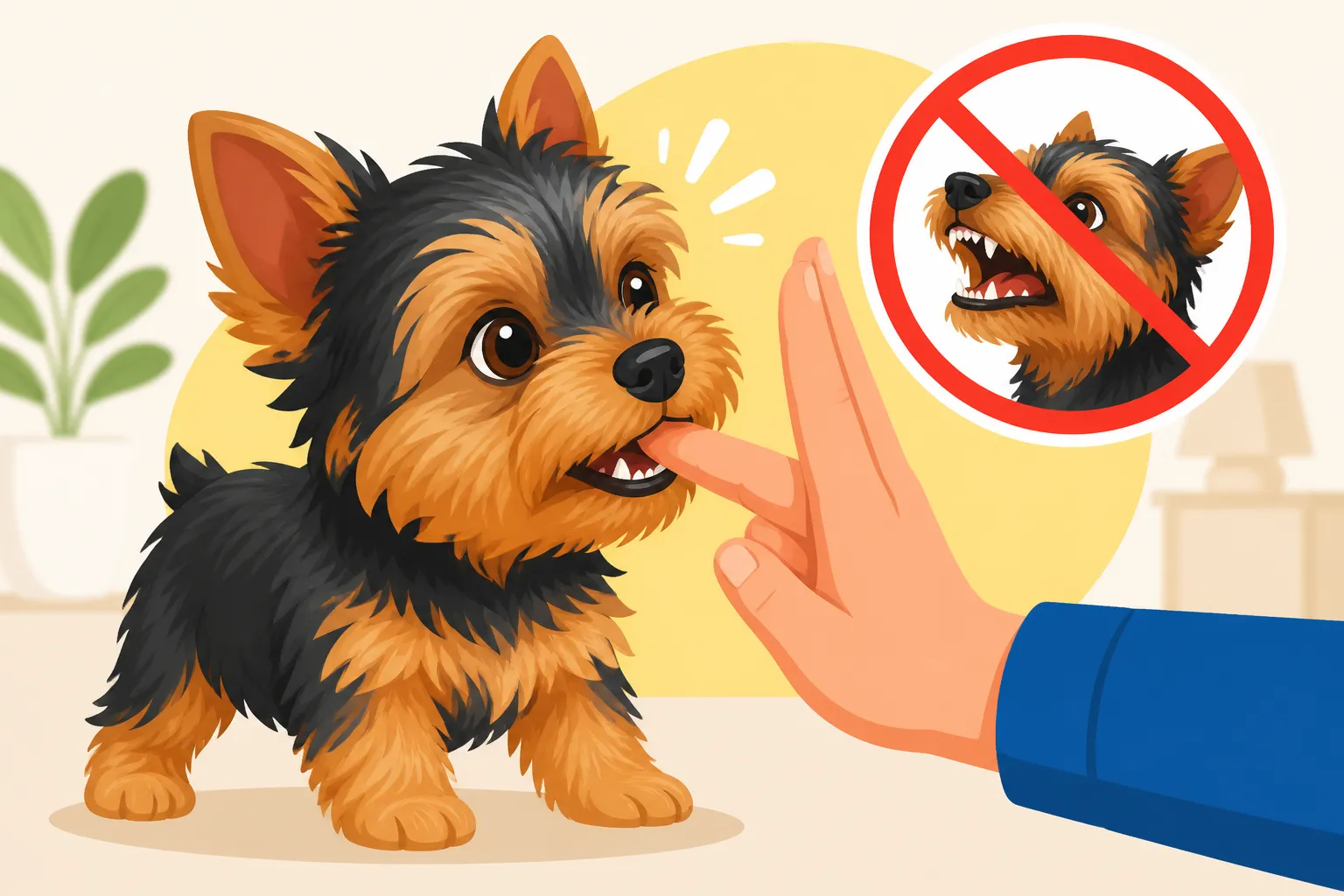
How to Stop a Yorkie from Nipping
It's incredibly frustrating, isn't it, when your adorable little Yorkshire Terrier, with all their charm and tiny stature, decides that nipping is their favorite way to communicate? Whether it's those sharp puppy teeth or a grown-up snap, it can be painful, startling, and honestly, a little disheartening. You want to enjoy your furry friend without constantly guarding your hands and ankles. This comprehensive guide will walk you through exactly why your Yorkie might be nipping and, more importantly, provide you with clear, actionable steps to stop this behavior and foster a calmer, happier relationship with your beloved companion.
Understanding Why Your Yorkie Nips
Before we can even begin to tackle the nipping, we need to put on our detective hats and figure out why it’s happening. Yorkies, despite their small size, have big personalities and often equally big reasons for their actions. It’s rarely out of malice; more often, it’s a form of communication or a natural instinct that hasn't been properly guided.
Puppy Nipping: Natural Exploration and Teething
If you're dealing with a young Yorkshire Terrier puppy, a lot of their nipping is completely normal, if a bit inconvenient. Think of their mouths as their hands; it's how they explore their world. Everything goes in the mouth!
When puppies are born, they learn bite inhibition from their littermates and mother. If they bite too hard during play, a littermate will yelp, and play will stop, teaching them that hard bites lead to less fun. If a mother dog is nipped too hard, she'll correct the puppy. When they come home with us, it's our job to continue this education. Those needle-sharp puppy teeth are also undergoing significant changes, as they lose their baby teeth and grow in their adult set, usually between 4 to 6 months of age. This teething process can be quite uncomfortable, and just like human babies, they seek relief by chewing and yes, sometimes nipping. They're not trying to hurt you; they're trying to soothe their aching gums. Understanding this phase is crucial for effective intervention. You can learn more about this in our guide on Yorkie Puppy Biting Phase Explained.
Adult Nipping: Underlying Causes
Nipping in an adult Yorkie is a different ballgame and usually signals a more specific underlying issue. It’s important not to dismiss it as "just a Yorkie thing," because it almost always has a root cause that needs addressing.
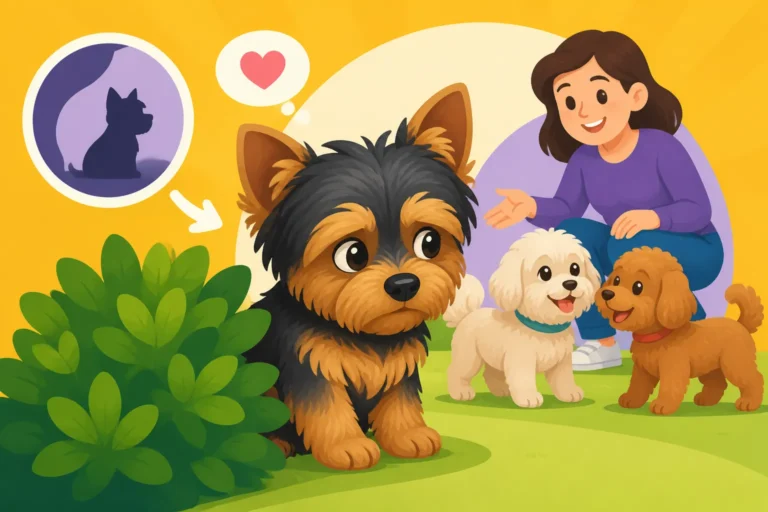
One common reason for adult nipping is fear or anxiety. A Yorkie might nip if they feel cornered, threatened, or overwhelmed. This could be in response to a new person, a loud noise, or even an unfamiliar situation. They might be trying to say, "Back off, I'm scared!" Similarly, some Yorkies might nip as a form of protective behavior, whether it's protecting their human, their space, or even a favored toy. This isn't aggression for aggression's sake, but rather a perceived need to defend themselves or their resources.
Another prevalent cause is attention-seeking. Yorkies are smart and learn quickly what gets a reaction. If nipping, even if it's a negative reaction from you (like a yelp or pulling your hand away), results in attention, they've learned that it's an effective tool. They might nip your pant leg, your hand as you walk by, or even playfully "attack" your feet because it reliably gets you to look at them, talk to them, or interact in some way.
Pain or discomfort can also manifest as nipping. If your Yorkie suddenly starts nipping, especially when handled in a certain area, it's absolutely essential to rule out medical issues. They might be trying to tell you, "Ouch, that hurts!" This is particularly true for small breeds prone to conditions like Yorkshire Terrier Patellar Luxation: Signs and Care or dental problems. A visit to the vet should always be your first step if there’s a sudden change in behavior like this.
Lastly, some adult Yorkies might nip out of sheer over-excitement or a lack of impulse control. During intense playtime, or when they're particularly jazzed up, they might forget their manners and revert to puppy-like nipping. This isn't malicious, but it still needs to be managed to prevent accidental injury and reinforce appropriate play boundaries.
Effective Strategies to Curb Nipping Behavior
Now that we have a better grasp of why your Yorkie might be nipping, let's dive into the practical strategies to help them understand that teeth on skin is a no-go. Consistency, patience, and positive reinforcement are your best friends here.
Teaching Bite Inhibition to Puppies
For young puppies, the goal isn't necessarily to stop all nipping immediately, but to teach them how hard they can bite. This is called bite inhibition, and it's a crucial life skill.
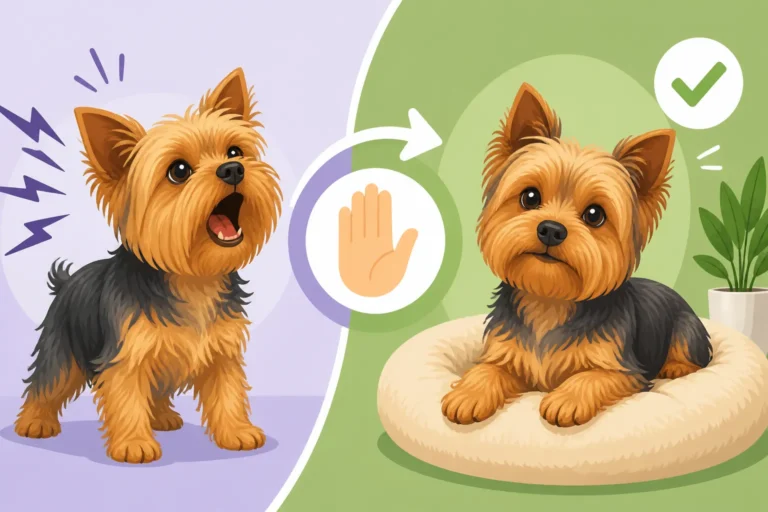
When your Yorkie puppy nips you too hard, immediately say "ouch!" in a high-pitched, surprised tone. Then, withdraw your hand and completely disengage from play for about 10-20 seconds. If they follow you and try to nip again, get up and leave the room for a short "time out" of 30-60 seconds. This mimics what a littermate would do (yelp and stop playing) and teaches your puppy that hard bites make the fun stop. Once they're calmer, you can re-engage. You'll likely notice over time that their bites become softer, even when excited.
Redirection is another powerful tool. Always have appropriate chew toys readily available. When your puppy starts to nip your fingers or clothes, immediately offer them a suitable toy instead. Praise them enthusiastically when they chew on the toy. Toys like KONGs filled with peanut butter or durable rubber chews from reputable brands found on Amazon can be excellent for this purpose. This teaches them what they can chew on. Remember, their gums are aching, so providing safe, satisfying outlets for chewing is vital.
The key to all of this is consistency. Every single person in the household needs to use the same methods. If one person allows nipping and another doesn't, your Yorkie will become confused, and the behavior will be harder to extinguish. Reinforce good behavior with praise and treats, making it clear that gentle play (or playing with toys) is what gets them positive attention.
Managing and Modifying Adult Nipping
Dealing with nipping in an adult Yorkie requires a slightly different approach, focusing more on behavioral modification and addressing the root cause.
If your adult Yorkie is nipping for attention, the most effective strategy is to completely ignore the behavior. This means no eye contact, no speaking, no touching, and absolutely no reaction (even a negative one like a gasp). Turn your back, cross your arms, and become a "boring tree." The moment they stop nipping and calm down, then you can give them attention and praise. This teaches them that nipping gets them nowhere, but calm behavior gets them what they want. It’s hard to do, especially when those tiny teeth are digging in, but it’s incredibly powerful.
For fear-based nipping, the goal is to build confidence and create positive associations. This often involves desensitization and counter-conditioning. For example, if your Yorkie nips when strangers approach, start by having a stranger stand far away, out of nipping range, and toss high-value treats towards your Yorkie. Gradually decrease the distance over many sessions, always stopping before your Yorkie shows signs of fear. Never force an interaction, as this can worsen the fear. It might also be beneficial to ensure your Yorkie is walked on a secure Why Harnesses Are Better Than Collars for Yorkies to provide a sense of security and better control during walks.
If you suspect pain is the cause, as mentioned earlier, a veterinary visit is non-negotiable. A Yorkie who is suddenly irritable or nippy might be experiencing discomfort from conditions such as Yorkshire Terrier Dental Disease: Signs and Care or other health issues. Only a vet can properly diagnose and treat this, which will often resolve the nipping behavior.
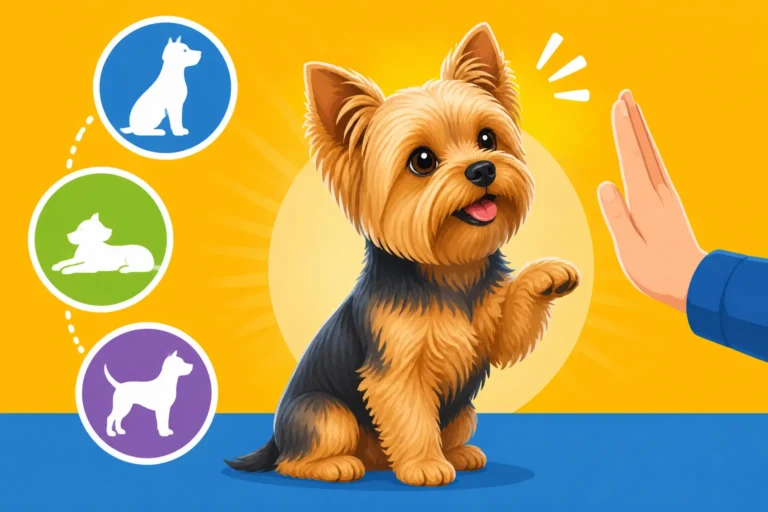
For over-excitement nipping, focusing on impulse control training can be very helpful. Teach commands like "leave it" and "wait." Practicing these commands during playtime can help your Yorkie learn to control their urges. When playtime gets too rough, immediately stop the game. Resume only when your Yorkie is calm. Consider enrolling in an online training program like those offered by BAXTER & Bella, which can provide structured lessons and support for impulse control and other behavioral challenges.
When dealing with more persistent or concerning nipping in adult Yorkies, don't hesitate to seek professional help. Certified professional dog trainers or veterinary behaviorists specialize in these issues and can offer tailored advice and training plans.
Here’s a quick overview of common nipping scenarios and their solutions:
| Nipping Scenario | Common Reason | Recommended Solution |
|---|---|---|
| Puppy nipping hands/feet | Exploration, teething, play | "Ouch!" method, redirection to chew toys, consistent disengagement |
| Adult nipping for attention | Learned behavior to get a reaction | Ignore completely, reward calm behavior |
| Adult nipping when handled | Pain, discomfort, fear of handling | Vet check immediately, gentle handling, positive association |
| Adult nipping at strangers | Fear, anxiety, protective instincts | Desensitization, counter-conditioning, controlled introductions |
| Adult nipping during play | Over-excitement, lack of impulse control | Stop play immediately, teach "leave it" and "wait," calm re-engagement |
| Adult nipping over toys/food | Resource guarding | Management (separate eating areas), professional guidance if severe |
Tools and Resources to Support Your Training Efforts
Successfully stopping nipping isn't just about techniques; it's also about having the right tools and knowing when to leverage external help. Equipping yourself properly can make a significant difference in your journey.
Essential Training Aids
Having a variety of safe, engaging, and appropriate chew toys is non-negotiable, especially for puppies or adult Yorkies who still need an outlet for their natural chewing instincts. Look for durable rubber toys, dental chews, or even puzzle toys that dispense treats. Brands like KONG, Nylabone, and Benebone offer excellent options that are widely available on Amazon and built to withstand enthusiastic chewing. These toys are critical for redirection; when your Yorkie wants to nip, a high-value toy should always be presented as an acceptable alternative.
Another useful tool can be a bitter apple spray. This non-toxic spray has an unpleasant taste that can deter your Yorkie from nipping specific objects, like furniture legs or your pant cuffs. It's a temporary deterrent and should be used in conjunction with positive training, not as a standalone solution. Always test it on an inconspicuous area first to ensure it doesn't stain.
For managing over-excitement or fear-based nipping during walks, a well-fitting harness is invaluable. Unlike collars, a harness distributes pressure evenly across the chest, reducing strain on your Yorkie's delicate trachea and giving you better control without causing discomfort or inadvertently creating negative associations with their neck. This can be especially important for breeds like Yorkies who can be prone to conditions such as Yorkshire Terrier Collapsing Trachea: Signs and Care. A front-clip harness can also help to reduce pulling, giving you more control over your Yorkie's interactions with the environment.
Finally, high-value treats are a powerful motivator for positive reinforcement. Small, soft, and easy-to-chew treats that your Yorkie absolutely loves will greatly assist in rewarding calm behavior and successful redirection. Be sure to check out our list of Best Treats for Training a Yorkie for some excellent suggestions.
The Importance of Consistency and Patience
I can't stress this enough: consistency and patience are the bedrock of all successful dog training, and especially so when dealing with nipping. Your Yorkie won't stop nipping overnight. It's a process, and there will be setbacks. One day you might feel like you've turned a corner, and the next, your little rascal is back to their old habits. Don't get discouraged!
Every member of your household must be on the same page, using the same commands, the same redirection techniques, and the same rules. If one person allows your Yorkie to nip during play, it completely undermines the efforts of everyone else, sending mixed signals to your clever canine. Hold a family meeting, discuss the plan, and ensure everyone understands their role.
Celebrate the small victories. Every time your Yorkie chooses a toy over your hand, or responds to your "ouch!" with a softer bite, that's progress. These tiny wins add up. Remember that building new habits and breaking old ones takes time, especially for behaviors that might be deeply ingrained. A consistent daily routine for training and management will yield far better results than sporadic efforts. Consider a resource like BAXTER & Bella's online puppy school, which emphasizes consistent, positive training from the start, providing structure for new behaviors and nipping prevention.
When to Seek Professional Help
While many nipping issues can be resolved with consistent home training, there are definitely times when it’s wise, and even critical, to call in a professional. Recognizing these red flags can prevent escalation and ensure your Yorkie gets the best possible support.
Identifying Red Flags
You should seriously consider professional intervention if:
- The nipping is aggressive or breaks skin repeatedly: While puppy nips can be sharp, they usually don't break the skin with intent. If your adult Yorkie's nipping results in punctures, deep scratches, or is accompanied by growling, snarling, or lunging, this indicates a more serious behavioral issue that needs expert assessment.
- The nipping is sudden and unexplained in an adult dog: If your previously calm Yorkie suddenly starts nipping, especially with no obvious trigger, this is a major red flag. As discussed earlier, sudden behavioral changes often point to an underlying medical condition. Rule out health issues with your vet first, but if physical causes are cleared, a behaviorist can help unravel the sudden shift.
- Your home training efforts are not working: Despite your consistent efforts with the strategies outlined above, if the nipping behavior is not improving or is actually worsening, it’s a clear sign that you need external expertise. Sometimes, an outside perspective can identify nuances you might be missing.
- The nipping causes significant fear or stress in your household: If you or other family members (especially children) are becoming genuinely afraid of your Yorkie, or if the nipping is creating a constant state of anxiety, it’s time to seek help. Your home should be a safe and happy place for everyone, including your pet.
Types of Professionals Who Can Help
Knowing who to call is just as important as knowing when to call. Not all dog trainers are created equal, and for nipping, you need someone with specific expertise.
- Certified Professional Dog Trainers (CPDT-KA or KPA CTP): These trainers have gone through rigorous certification processes and have a deep understanding of dog behavior and learning theory. They can provide hands-on guidance, help you refine your techniques, and offer personalized training plans. Look for trainers who use positive reinforcement methods, as force-based methods can exacerbate fear and aggression, especially in a small breed like a Yorkie. You might find a great local trainer by checking out resources like the Association of Professional Dog Trainers (APDT) or the Karen Pryor Academy.
- Veterinary Behaviorists (DACVB): For more complex or severe cases, particularly those involving aggression, fear, or a sudden onset of behavioral issues, a board-certified veterinary behaviorist is the gold standard. These are veterinarians who have specialized in animal behavior and can prescribe medication if necessary, in conjunction with behavior modification plans. They understand the intricate interplay between medical conditions and behavior. They can be found through the American College of Veterinary Behaviorists (ACVB). Learning How to Choose a Vet for a Yorkie that can also recommend such specialists is a great starting point for comprehensive care.
Never feel ashamed or embarrassed to ask for help. Seeking professional guidance is a sign of a responsible and caring pet parent who wants the best for their Yorkie. They can help you implement a detailed plan to transform your nipping Yorkie into a well-mannered companion, improving their quality of life and strengthening your bond. For more complex behavioral challenges, reviewing comprehensive guides like Yorkshire Terrier Behavior Problems and Solutions can offer further insights.
Disclaimer
This article is for general informational purposes only and does not constitute professional advice. Laws, prices and regulations vary by location and change over time. Consult a qualified professional for guidance on your specific situation.