How to Litter Box Train a Yorkie
If you're a Yorkshire Terrier parent, you know the struggle: those tiny bladders, the sometimes fickle nature of a Yorkie when it comes to braving the elements, or perhaps living in an apartment where frequent outdoor potty breaks aren't always feasible. It can feel like an endless battle to keep your home accident-free. This comprehensive guide is here to walk you through the ins and outs of litter box training your beloved Yorkie, offering practical steps and empathetic advice to make the process smoother for both of you.
Why Litter Box Training Can Be a Game-Changer for Your Yorkie
When we think of litter box training, our minds often jump to cats. But for small breeds like Yorkshire Terriers, a dedicated indoor potty solution can be incredibly beneficial, alleviating common frustrations and enhancing their quality of life. It’s not just about convenience for you; it's about comfort and safety for them.
Understanding Your Yorkie's Potty Training Challenges
Let's be real, Yorkies present some unique hurdles when it comes to traditional potty training. Their adorable size comes with a proportionally tiny bladder, meaning they need to relieve themselves far more frequently than larger dogs. This often leads to exasperating accidents if you're not constantly vigilant or can't get them outside every hour or two, especially during their puppy phase. If you've ever found yourself asking, "Why Is My Yorkie So Hard to Potty Train?", you're not alone. Many owners grapple with this.
Beyond the small bladder, Yorkies are sensitive little souls. They have a thin coat and can be very susceptible to cold or wet weather. Imagine being tiny and having to step out into a blustery winter day or a sudden downpour just to do your business! Many Yorkies will simply refuse, opting for a discreet spot indoors instead. Furthermore, if you live in an urban environment or an apartment, the journey to a suitable outdoor potty spot might be a long one, making frequent trips difficult and potentially unsafe, especially if there are larger dogs around or inclement weather. These factors contribute significantly to the challenges of traditional outdoor house-training, making an indoor alternative a very attractive option.
The Benefits of Indoor Potty Solutions
Embracing an indoor potty solution, like a litter box, offers a multitude of benefits that extend far beyond simply keeping your carpets clean. First and foremost is the sheer convenience. No more scrambling to get dressed and leash up your pup at 3 AM because they suddenly need to go. With an indoor setup, your Yorkie has a designated, accessible place to relieve themselves anytime, day or night. This is a huge relief for senior Yorkies who might have less bladder control, or for puppies who are still mastering the art of holding it.
Safety is another critical advantage. For small breeds like Yorkies, venturing outdoors comes with potential risks, from larger predatory birds to bigger, boisterous dogs that could accidentally injure them. Severe weather, be it scorching summer pavement or icy winter sidewalks, also poses a threat. An indoor litter box keeps your precious pup safe and comfortable, regardless of external conditions. It provides a consistent environment, which can be particularly helpful for building confidence in a shy or nervous Yorkie. For those of us living in apartments, the indoor potty can be a lifesaver, eliminating the need for constant elevator trips or dashes downstairs, and giving your Yorkie a reliable spot even when you’re not home. For a broader overview of training, you might find our general guide on How to Train a Yorkshire Terrier helpful.
Essential Supplies for Setting Up Your Yorkie's Litter Box Haven
Before you embark on this training journey, gathering the right tools is crucial. Think of it like preparing for a new baby – you wouldn’t just wing it, right? Having the appropriate litter box, the right kind of "litter," and effective cleaning supplies will set you up for success and make the transition much smoother for your Yorkie.
Choosing the Right Litter Box
The market offers a surprising variety of indoor potty solutions, and picking the right one for your Yorkie is key. You'll want something that is easily accessible but also contains the "mess."
- Low-Entry Boxes: These are excellent for puppies, senior Yorkies, or those with mobility issues. A low entry means they can step in and out comfortably without struggling. Look for options designed for small dogs or even shallow cat litter boxes.
- High-Sided Boxes: Once your Yorkie is a bit older and more agile, a box with higher sides can be beneficial for containing any splashes or enthusiastic digging. Just ensure the entry point is still manageable for their small stature.
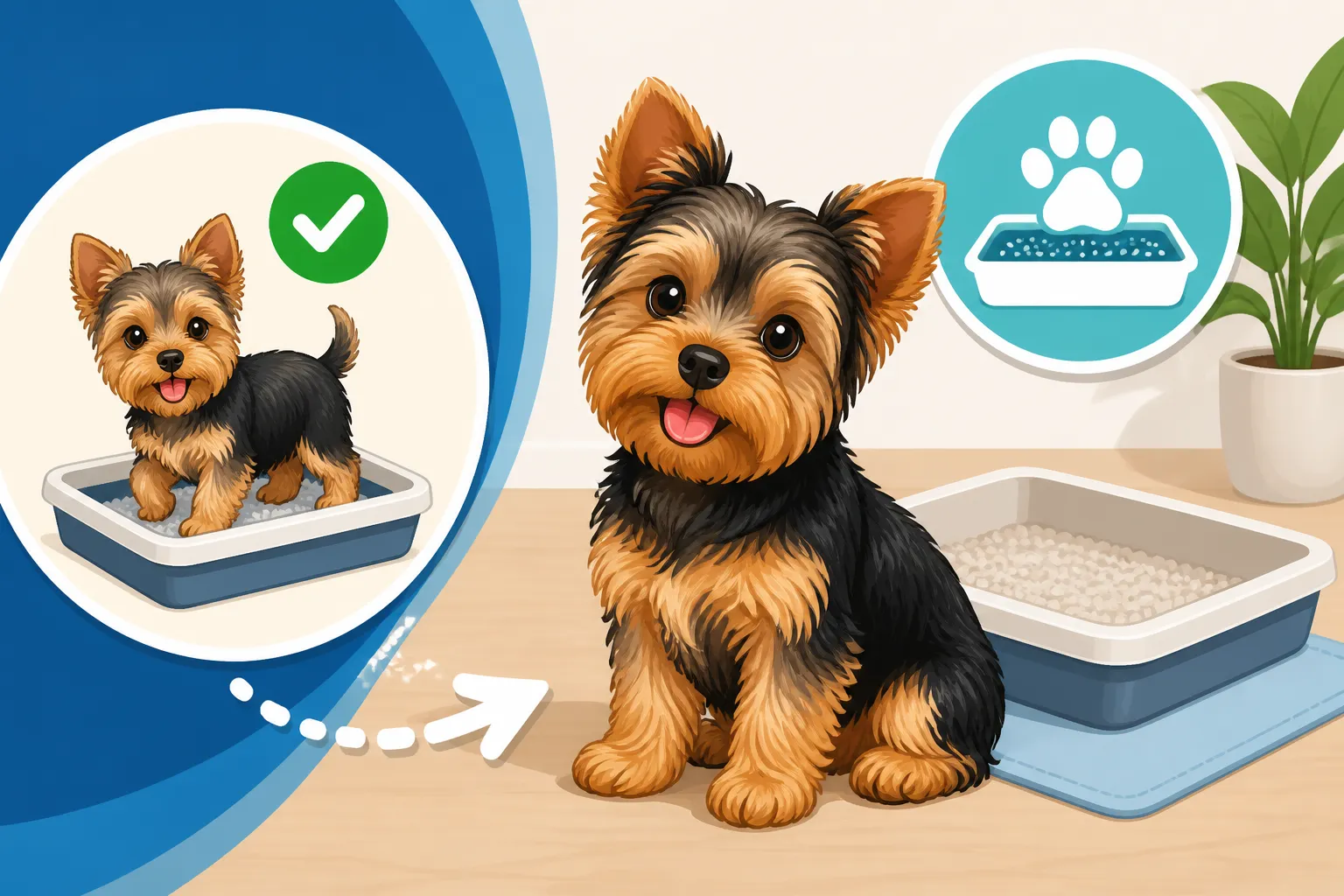
- Open vs. Covered: While covered boxes offer privacy and can help contain odors, some Yorkies might feel confined or intimidated by them. An open tray is often a good starting point, allowing them to feel less enclosed. Many owners find a simple, open plastic litter pan works perfectly. You can find a wide range of options on platforms like Amazon, from basic pans to more elaborate self-cleaning systems.
- Size Matters: Ensure the box is large enough for your Yorkie to comfortably stand, turn around, and do their business without feeling cramped. A box that's too small might lead to "overshoots" or avoidance.
Selecting the Best Litter Material
This is where the term "litter box" can be a little misleading for dogs, as traditional clay cat litter isn't usually recommended. Instead, you'll be choosing between a few dog-specific options.
- Puppy Pads (Pee Pads): These are the most common starting point for indoor potty training. They're absorbent, often have an attractant scent, and are easy to dispose of. You can place them directly in the litter box or start with them on the floor and gradually move them into the box.
- Artificial Grass Pads: Many Yorkies seem to instinctively prefer the texture of grass, making artificial turf pads a fantastic option. They often come with a tray underneath to collect liquid and can be washed and reused. They mimic the outdoor experience, which can be very helpful for transition.
- Pellet-Based Dog Litters: These are usually made from recycled paper, wood, or other natural materials. They absorb urine and often have good odor control. Ensure you choose a brand specifically formulated for dogs, as some cat litters can contain ingredients harmful if ingested. Brands like "Secondnature" or "Fresh Step" offer dog-friendly pellet options.
- Reusable Washable Pads: These eco-friendly options are highly absorbent and can be washed and reused, cutting down on waste. They often feature multiple layers for maximum absorbency and leak protection.
A helpful tip: if your Yorkie is already using puppy pads, you can start by placing a pad inside the new litter box. This helps them associate their existing potty spot with the new container. Our article on Pee Pad vs Outdoor Training for Yorkies dives deeper into these different methods.
| Litter Box Material/Type | Pros | Cons | Ideal For |
|---|---|---|---|
| Puppy Pads | Highly absorbent, often scented with attractant, easy disposal, widely available. | Can be messy if not changed frequently, not eco-friendly, some dogs chew them. | Puppies, initial training, owners who prioritize convenience. |
| Artificial Grass Pads | Natural feel for dogs, often reusable and washable, good for outdoor simulation. | Requires regular cleaning, can retain odors if not cleaned well, higher initial cost. | Dogs who prefer grass texture, apartment dwellers, eco-conscious owners. |
| Pellet-Based Dog Litters | Good odor control, absorbent, environmentally friendly options available. | Some dogs may not like the texture, requires scooping solid waste, occasional full litter changes. | Dogs transitioning from outdoor, owners wanting a more traditional "litter" experience. |
| Reusable Washable Pads | Eco-friendly, cost-effective long-term, highly absorbent, good for containing liquid. | Requires regular washing, can be more expensive upfront, may need multiple pads for rotation. | Eco-conscious owners, long-term indoor potty solution, good for containing large volumes. |
Other Must-Have Training Tools
Beyond the box and the litter, a few other items will make your training journey much easier.
- High-Value Treats: Positive reinforcement is key! Have plenty of your Yorkie’s favorite, small, soft treats readily available. These are crucial for rewarding them immediately after they use the litter box correctly.
- Enzyme Cleaner: Accidents will happen, especially in the beginning. A good enzymatic cleaner is essential for neutralizing odors and discouraging your Yorkie from returning to the same "accident" spot. Regular cleaners might mask the smell to us, but a dog's keen nose will still pick it up. Brands like Nature's Miracle or Rocco & Roxie are highly recommended.
- Leash and Harness: Even if you’re litter box training, short, positive trips outside are still beneficial for socialization and exercise. A comfortable harness is always better than a collar for a Yorkie's delicate neck.
- Training Resources: Sometimes, having a structured approach can make all the difference. Online puppy training programs, like those offered by BAXTER & Bella, can provide step-by-step guidance, video tutorials, and even personalized coaching to help you navigate potty training and other behavioral aspects. Their comprehensive curriculum can be an excellent supplement, especially for first-time Yorkie owners.
A Step-by-Step Guide to Successful Yorkie Litter Box Training
Patience and consistency are your best friends when it comes to any form of potty training, and litter box training a Yorkie is no exception. It’s all about creating positive associations and a predictable routine.
Establishing a Consistent Routine
Dogs thrive on routine, and your Yorkie will learn much faster if they understand when and where they're expected to go.
- Placement is Key: Choose a quiet, accessible spot for the litter box. It should be somewhere your Yorkie can easily get to without obstacles, but not in a high-traffic area where they might feel disturbed. A corner of a room, a bathroom, or a laundry room are often good choices. If you live in a multi-level home, consider having a box on each floor.
- Regular Potty Breaks: Just like outdoor training, schedule frequent trips to the litter box. Take your Yorkie there immediately upon waking up, after meals, after playing sessions, and before bedtime. For puppies, this might mean every hour or two. For adult Yorkies, every 3-4 hours might suffice, but always observe their cues.
- Use a Cue Word: As you take your Yorkie to the litter box, use a consistent cue word like "potty" or "go pee." This helps them associate the word with the action and location.
- Stay with Them: In the beginning, stay with your Yorkie in the litter box area. Don't just put them in and walk away. Their attention span is short, and they might get distracted. Praise them calmly if they investigate the box.
Remember, consistency is vital, especially during those early weeks. A solid Yorkie Potty Training Regression plan can help if you experience setbacks.
Guiding and Rewarding Good Behavior
Positive reinforcement is the most effective way to train a Yorkie. They want to please you, especially when delicious treats are involved!
- Immediate Rewards: The moment your Yorkie successfully uses the litter box, offer enthusiastic praise and a high-value treat immediately. Timing is everything. If you wait too long, they won't associate the reward with the act of using the box.
- Happy Dance and Encouragement: Make a big deal out of it! A cheerful "Good potty!" or a little happy dance can reinforce that they've done something wonderful. This positive association makes them want to repeat the behavior.
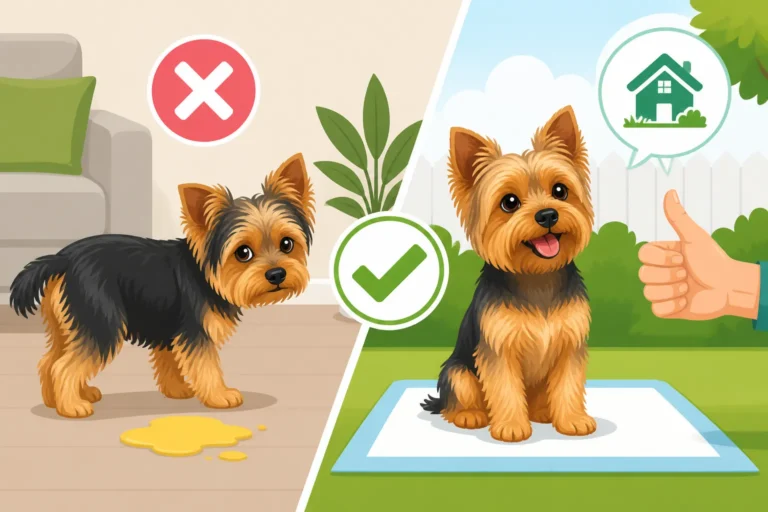
- Avoid Punishment: Never punish your Yorkie for accidents. They won't understand why they're being reprimanded, and it can lead to fear, anxiety, and even hiding their potty habits from you, which makes training much harder. If you catch them in the act of having an accident, calmly interrupt them, pick them up, and immediately take them to the litter box. If they finish there, praise and reward. If not, just clean up thoroughly with an enzymatic cleaner.
- Clean Up Thoroughly: As mentioned, always use an enzymatic cleaner for any accidents outside the box. This removes all traces of odor, preventing your Yorkie from being drawn back to that spot for future eliminations.
For specific guidance on nurturing good habits, consider exploring our article on Yorkshire Terrier Behavior Problems and Solutions, which often touches on early training and positive reinforcement.
Transitioning from Puppy Pads (if applicable)
Many Yorkie owners start with puppy pads due to their ease of use. If your Yorkie is already pad-trained, transitioning them to a dedicated litter box can be straightforward.
- Place the Pad in the Box: Start by placing a fresh puppy pad directly inside the litter box. This helps your Yorkie associate the familiar pad with the new container.
- Gradual Reduction (Optional): Once they are consistently using the pad in the box, you can try gradually reducing the size of the pad over a few days, or even cutting holes in it, so they get used to the feel of the actual litter material beneath. Eventually, remove the pad entirely, relying on the chosen litter material.
- Positive Reinforcement is Still Key: Continue to praise and reward enthusiastically every single time they use the litter box, whether with a pad or with the new litter material.
This transition helps your Yorkie generalize their potty spot to the new setup. For those focusing solely on outdoor training, we have a detailed guide on How to Potty Train a Yorkie Puppy that might be useful for comparison.
Overcoming Common Hurdles in Litter Box Training
Even with the best intentions and diligent efforts, you might encounter some bumps in the road. Yorkies, despite their charm, can be notoriously stubborn. Understanding why these issues arise and how to address them calmly and effectively is crucial for maintaining progress and not getting discouraged.
Dealing with Accidents
Accidents are almost inevitable during potty training, but how you react to them makes all the difference. Getting frustrated or punishing your Yorkie will only set you back, eroding trust and potentially making them fearful of you.
- Don't Punish: We cannot stress this enough. If you find an accident after the fact, simply clean it up with an enzymatic cleaner. Your Yorkie won't connect your anger to an event that happened minutes or hours ago. They'll just learn to be afraid of you.
- Catch Them in the Act: If you see your Yorkie starting to squat or pee outside the box, immediately but calmly interrupt them with a clap or a gentle "ah-ah!" Then, gently pick them up and carry them directly to their litter box. If they finish their business in the box, that's when the praise and treats come out.
- Re-evaluate Your Routine: Frequent accidents might indicate that your potty schedule isn't frequent enough. Are you taking them to the box often enough? Are you missing their potty cues? Watch for signs like sniffing, circling, or suddenly leaving the room. For young puppies, increase the frequency of their scheduled trips.
- Confine and Supervise: During the initial training phase, keep your Yorkie in a puppy-proofed area or use a playpen when you can't actively supervise them. This reduces the opportunities for accidents in inappropriate places. When they are out and about, keep them tethered to you or within sight so you can quickly intercept any budding accidents. You can learn more about managing their space in our How to Crate Train a Yorkie article.
Addressing Reluctance and Rejection
Sometimes, a Yorkie might simply refuse to use the litter box, even when given every opportunity. This can be baffling, but there are usually underlying reasons.
- Cleanliness: Yorkies are fastidious. If the litter box isn't clean enough for their liking, they will avoid it. Just like us, they don't want to use a dirty restroom. Scoop solid waste frequently (daily, or even more often) and completely change the litter material regularly (every few days to weekly, depending on the material).
- Location Issues: Is the box in a high-traffic area? Is it too close to their food or bed? Is there something scary nearby (like a noisy appliance)? Try moving the box to a more secluded, quiet spot.
- Material Dislike: Perhaps your Yorkie doesn't like the texture of the litter material. If you're using pellets, try an artificial grass pad. If you're using pads, maybe they prefer a more solid surface. Experiment with different options to see what your Yorkie prefers. You might even find that your Yorkie just refuses to go "indoors" at all – in which case, our article on Yorkie Won't Go Potty Outside: Fixes might offer alternative solutions.
- Health Concerns: A sudden aversion to the litter box, especially if accompanied by increased frequency or straining, could indicate a medical issue like a urinary tract infection (UTI) or bladder stones. If you suspect a health problem, a vet visit is imperative.
- Size or Comfort: Is the box too small? Is the entry too high? Ensure the box itself is comfortable and easy for your Yorkie to use.
Maintaining Consistency and Patience
Litter box training is a marathon, not a sprint. It takes time, especially with small breeds that can be a bit stubborn. Your Yorkie isn't trying to spite you; they're just learning, and sometimes they learn at their own pace.
- Be Patient: Frustration on your part will be counterproductive. Every dog is an individual, and some will pick it up faster than others. Stick to your routine, continue with positive reinforcement, and understand that setbacks are normal.
- Don't Give Up: There will be days when you feel like you're taking two steps back. Don't throw in the towel. Reassess your methods, adjust your schedule, and remember why you chose litter box training in the first place.
- Celebrate Small Wins: Did your Yorkie almost make it to the box? Did they go once inside the box today after several accidents? Acknowledge these small victories. They build momentum.
- Family Involvement: Ensure everyone in the household is on the same page regarding the training routine, cue words, and rewarding behavior. Inconsistency from different family members can confuse your Yorkie and prolong the training process. Establishing a clear How to Set a Yorkie Potty Schedule is vital for everyone involved. For nighttime challenges, specifically, our guide on Nighttime Potty Training for Yorkie Puppies offers tailored advice.
Disclaimer
The information provided in this article is for general informational purposes only and is not a substitute for professional veterinary advice. Always consult with a qualified veterinarian or certified dog trainer regarding any health concerns or specific training challenges your Yorkshire Terrier may experience.