Why Does My Yorkie Keep Chewing Furniture
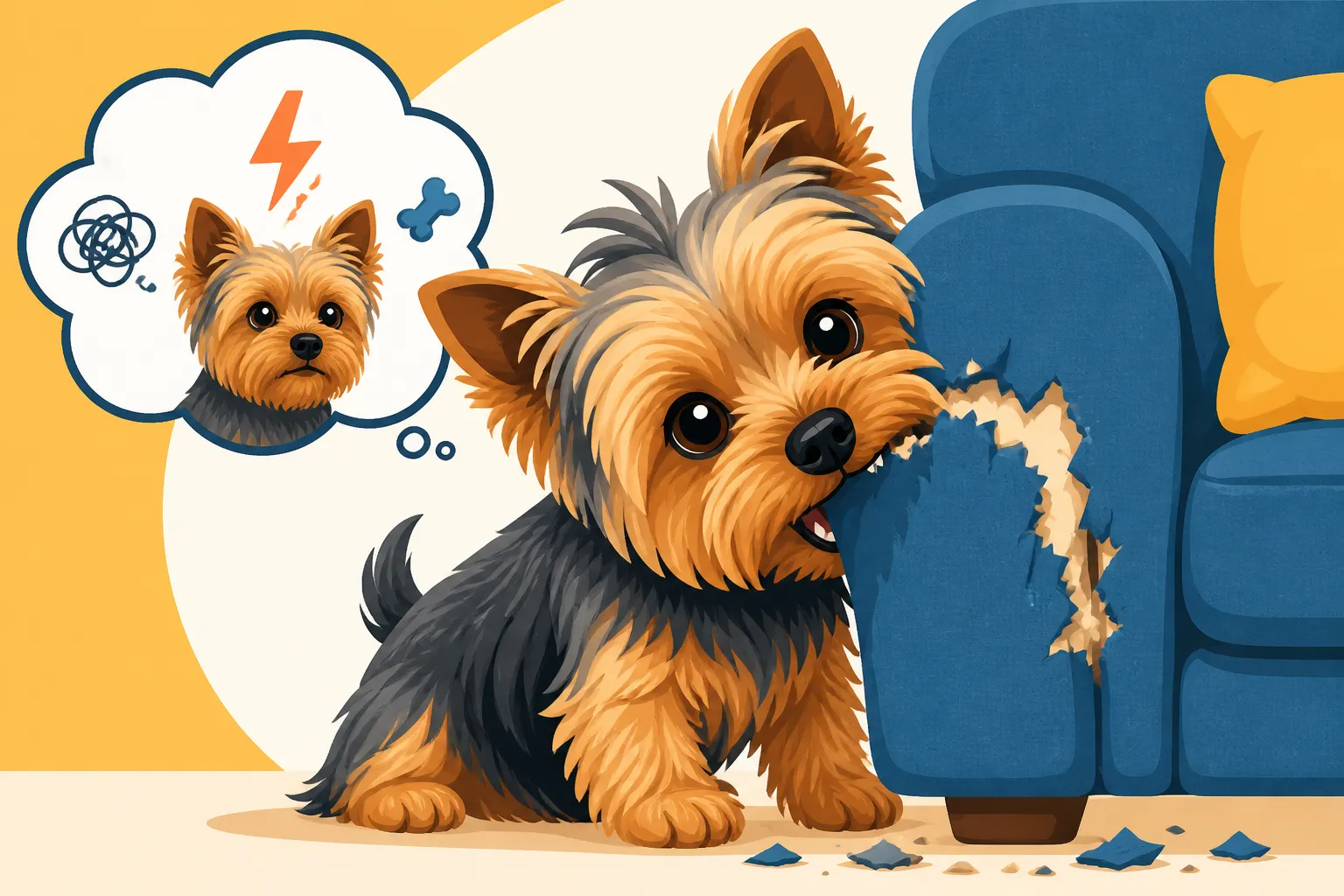
There are few things as frustrating as walking into your living room only to find your beloved Yorkshire Terrier has decided your favorite armchair, table leg, or even the baseboards are their new chew toy. It’s disheartening, costly, and often leaves you wondering, "Why in the world is my Yorkie doing this?!" You’re not alone in this struggle, and this comprehensive guide is here to shed light on the common reasons behind this destructive chewing and, more importantly, equip you with actionable strategies to stop it for good.
Understanding Why Your Yorkie Chews Furniture
Before we can tackle the problem, we need to understand why your Yorkie is turning your furniture into a dental floss substitute. Yorkies, despite their small size, are still dogs with instincts and needs. Chewing isn't always just "bad behavior"; it's often a sign that something deeper is going on.
Teething Troubles for Puppies
If you have a young Yorkshire Terrier puppy, especially one between 3 and 7 months old, teething is almost certainly a major culprit. Just like human babies, puppies experience discomfort as their sharp puppy teeth fall out and their permanent adult teeth emerge. This process can be quite painful, and chewing provides relief by massaging their gums.
They don't discriminate between their designated chew toy and your antique mahogany chair leg – anything that offers satisfactory counter-pressure becomes fair game. This is a critical period for establishing good chewing habits. If you don't provide appropriate outlets during this phase, your puppy learns that furniture is an acceptable chewing object, a habit that can be incredibly difficult to break later on. It’s less about malice and more about instinctual pain relief and exploration. Providing a variety of textures and appropriate chew toys during this time is paramount.
Boredom and Lack of Mental Stimulation
Yorkies are intelligent, energetic little dogs. If they’re left alone for long periods without sufficient physical activity or mental engagement, boredom can quickly set in. A bored Yorkie is a creative Yorkie, and that creativity often manifests in destructive ways – including chewing on your furniture. Imagine being cooped up all day with nothing to do; you'd probably find a way to entertain yourself, too!
They might start exploring their environment with their mouths, which can lead to gnawing on furniture out of pure idle curiosity or a desperate attempt to burn off pent-up energy. Regular walks, interactive play sessions, and puzzle toys are crucial for keeping their minds and bodies active. A quick stroll around the block isn't always enough for these spunky little dogs; they often need structured playtime to feel fulfilled.
Anxiety and Stress Behaviors
Another significant reason for furniture chewing, particularly in adult Yorkies, can be anxiety. Dogs often cope with stress or unease by chewing, as it can be a self-soothing mechanism. Separation anxiety is a common issue for many companion breeds, and Yorkies are no exception. If your Yorkie chews primarily when you're not home, or shortly after you leave, and it's coupled with other signs like barking, whining, pacing, or accidents inside the house, it's highly likely to be separation anxiety.
Other stressors, such as changes in routine, a new pet, moving to a new home, or even loud noises like thunderstorms, can trigger anxiety-induced chewing. They might try to create a sense of control or release nervous energy by focusing on an object, and unfortunately, that object might be your couch cushion. It's heartbreaking to think your little buddy is suffering, but recognizing the signs is the first step toward helping them feel more secure. For more insights, you might want to read our guide on Yorkie Separation Anxiety: Signs and Fixes.
Hunger or Nutritional Deficiencies
While less common, sometimes a Yorkie might chew furniture if they're not getting enough food, or if their diet is lacking in certain nutrients. This isn't usually the primary reason for furniture chewing, but it's worth considering, especially if your Yorkie is showing other signs of hunger or unusual eating habits.
Ensure your Yorkie is on a high-quality, balanced diet appropriate for their age and activity level. If you suspect a nutritional issue, it’s always best to consult with your veterinarian. They can help rule out any underlying health problems and recommend a suitable dietary plan. It’s rare, but sometimes a dog might ingest non-food items due to a condition called pica, which can sometimes be linked to nutritional imbalances.
Taking Immediate Action: Stopping Furniture Chewing Now
Once you've got a handle on why your Yorkie might be chewing, it's time to implement strategies to stop the behavior. This often requires a multi-pronged approach combining deterrence, redirection, and managing their environment.
Bitter Sprays and Deterrents
One of the quickest ways to make your furniture less appealing is to use bitter-tasting deterrents. These sprays are designed to be safe for pets but taste absolutely terrible to them, making whatever they're sprayed on undesirable.
Products like Grannick's Bitter Apple Spray or Chew Guard are readily available, often found on platforms like Amazon or at your local pet store. You simply spray a small amount on the furniture your Yorkie is targeting. Be consistent with application, especially at first. The idea is to create a negative association with chewing that particular item. Make sure to do a small patch test first on an inconspicuous area of your furniture to ensure it doesn't cause any discoloration or damage. Remember, this is a deterrent, not a solution for the underlying cause.
Redirection with Appealing Chew Toys
The most effective immediate strategy is redirection. Whenever you catch your Yorkie chewing on furniture, calmly interrupt the behavior and immediately offer an appropriate, highly enticing chew toy. The key is consistency.
Have a variety of textures and types of chew toys on hand. Some Yorkies prefer softer, plush toys, while others love tougher, rubber-based options. Dental chews that help clean their teeth are also a great option. For teething puppies, frozen chew toys or a cold, damp washcloth can provide extra relief. When they chew on the appropriate toy, praise them enthusiastically! This teaches them what they should be chewing on. You can find excellent selections of durable and engaging toys online, and for guidance on choices, our post on Best Toys for Yorkshire Terriers might be helpful.
Creating a Puppy-Proofed Zone
Prevention is often the best medicine. While you're working on training and addressing the root causes, limit your Yorkie's access to tempting furniture. This might mean using baby gates to block off certain rooms or keeping them in a designated "puppy-proofed" area when you can't actively supervise them.
A playpen or a crate can be invaluable tools for this. A crate, when used properly as a safe den, can prevent destructive chewing when you're busy or away for short periods. Ensure the area is cleared of any items that could be chewed, and instead, filled with approved toys, a comfy bed, and water. This is especially important for puppies and for Yorkies prone to anxiety when left alone. For more detailed advice on this, check out our Yorkshire Terrier Crate Training Guide.
Long-Term Strategies for Preventing Future Chewing
While immediate actions can stop the behavior in the short term, addressing the underlying issues and implementing consistent training is vital for lasting results.
Structured Exercise and Mental Stimulation
As mentioned earlier, a tired Yorkie is often a well-behaved Yorkie. Ensure your dog is getting enough physical exercise daily. This doesn't mean just letting them run around the yard; it means structured walks, playing fetch, or engaging in active games.
Mental stimulation is just as important, if not more so, for intelligent breeds like Yorkies. Puzzle toys that dispense treats, sniff walks where they can explore scents, and short training sessions throughout the day can exhaust them mentally. Teaching new tricks, even simple ones, provides a fantastic mental workout. Even 10-15 minutes of focused training can be as tiring as a long walk. Consider incorporating some of the tips from our article on How Much Exercise Does a Yorkie Need to tailor a routine for your furry friend.
Consistent Training and Redirection
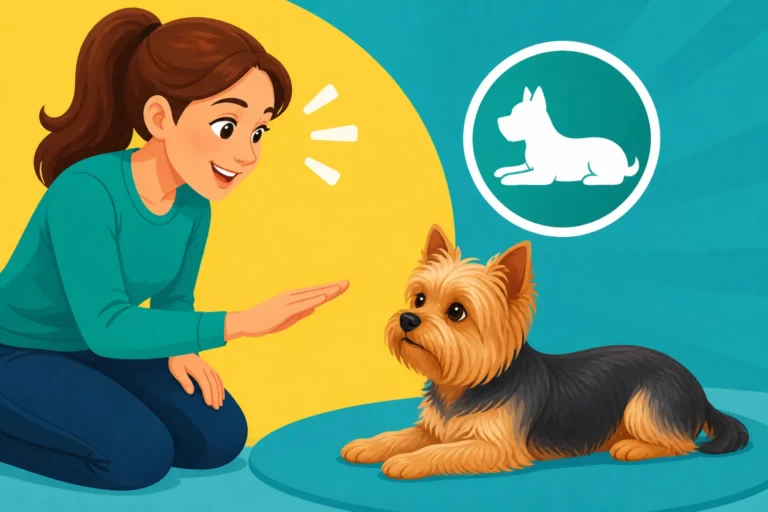
Training isn't just for puppies; it’s an ongoing process that reinforces good habits. When it comes to chewing, consistency is king. Every single time your Yorkie attempts to chew on furniture, interrupt and redirect them to an appropriate chew toy.
Table: Common Chewing Causes and Solutions
| Cause | Common Signs | Long-Term Solution |
|---|---|---|
| Teething (Puppies) | Increased chewing 3-7 months, sore gums, drooling | Provide varied textures of chew toys, frozen toys, dental chews. |
| Boredom | Chewing when unsupervised, lack of daily activities | Increase daily exercise, mental games, puzzle toys, interactive play. |
| Anxiety/Stress | Chewing when left alone, barking, pacing, accidents | Address anxiety with routine, desensitization, vet consultation. |
| Exploration/Habit | General chewing, no specific trigger, learned behavior | Consistent redirection, management, deterrents, structured training. |
Use positive reinforcement – lavish praise and treats when they choose the correct item. Avoid punishment, as it can confuse your Yorkie and potentially lead to fear or more secretive chewing. If your Yorkie is particularly stubborn, online resources like those offered by BAXTER & Bella can provide structured puppy training and behavior guides that walk you through these steps systematically. This approach is much more effective than scolding, which doesn't teach them what to do, only what not to do.
Providing Appropriate Chew Options
This might seem obvious, but it's crucial to offer a diverse range of appropriate chew toys. What one Yorkie loves, another might ignore. Experiment with different materials, shapes, and sizes. Look for durable options that are specifically designed for strong chewers, if applicable, even for a small breed like a Yorkie.
- Rubber Chews: Brands like KONG offer excellent rubber toys that can be stuffed with treats, making them highly engaging.
- Nylon Chews: Nylabone products come in various shapes and flavors and are built to last.
- Dental Chews: These help clean teeth while satisfying the urge to chew. Just make sure they're size-appropriate and digestible.
- Puzzle Toys: These require your Yorkie to problem-solve to get a treat, providing mental stimulation.
Rotate toys regularly to keep things interesting. Don't leave all toys out all the time; bring out a "new" one every few days to maintain novelty. A well-curated collection of chew toys is an investment in your furniture's longevity and your Yorkie's happiness!
Addressing Separation Anxiety
If anxiety is the underlying cause, this will require a more dedicated approach. Mild cases might improve with increased exercise and mental stimulation before you leave, and by making your departures and arrivals low-key. For moderate to severe cases, you may need to implement desensitization and counter-conditioning techniques.
This involves gradually increasing the time your Yorkie is left alone, starting with just a few seconds, and associating your departure with something positive, like a special, high-value chew toy that they only get when you leave. In some instances, working with a professional dog trainer or a veterinary behaviorist might be necessary to develop a tailored plan. They can help identify the triggers and guide you through the process, potentially even recommending calming aids or medication if the anxiety is severe. Understanding the subtleties of Yorkie Separation Anxiety Solutions can be a turning point.
When to Seek Professional Help
While many chewing issues can be resolved with consistent effort at home, there are times when bringing in a professional is the best course of action. Don't feel ashamed or defeated if you need to; seeking help shows you're a responsible pet parent!
Consulting Your Veterinarian
If the chewing suddenly starts or dramatically increases, or if your Yorkie is ingesting large pieces of furniture, a vet visit is a crucial first step. They can rule out any underlying medical conditions, such as dental pain (beyond normal teething), nutritional deficiencies, gastrointestinal issues, or extreme anxiety that might require medication.
A veterinarian can also provide referrals to certified professional dog trainers or veterinary behaviorists if they determine the issue is purely behavioral or complex. They can assess your Yorkie's overall health, ensuring there are no physiological reasons contributing to the destructive chewing. For any concerning or sudden changes in behavior, our guide on When to Take Your Yorkie to the Vet can offer more clarity.
Working with a Certified Dog Trainer or Behaviorist
For persistent or severe chewing problems, especially those linked to separation anxiety, aggression, or deep-seated behavioral issues, a professional dog trainer or a veterinary behaviorist can offer invaluable guidance. They can observe your Yorkie's behavior in their environment, identify specific triggers, and develop a customized training plan that you can follow.
A good trainer will use positive, force-free methods and empower you with the tools and knowledge to continue the training effectively. They can teach you how to read your Yorkie's body language, improve your communication, and build a stronger bond based on trust and understanding. Look for trainers certified by reputable organizations, such as the Certification Council for Professional Dog Trainers (CCPDT) or the Karen Pryor Academy. These experts have the experience to tackle even the most challenging cases, turning your furniture-chewing woes into a distant memory.
Disclaimer
This article is intended for informational purposes only and does not constitute professional veterinary advice. Always consult with a qualified veterinarian or certified dog behaviorist for any concerns regarding your pet's health or behavior.