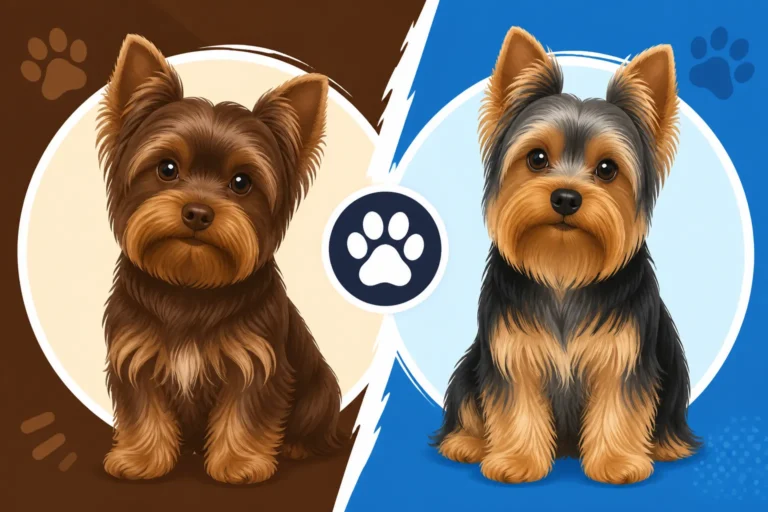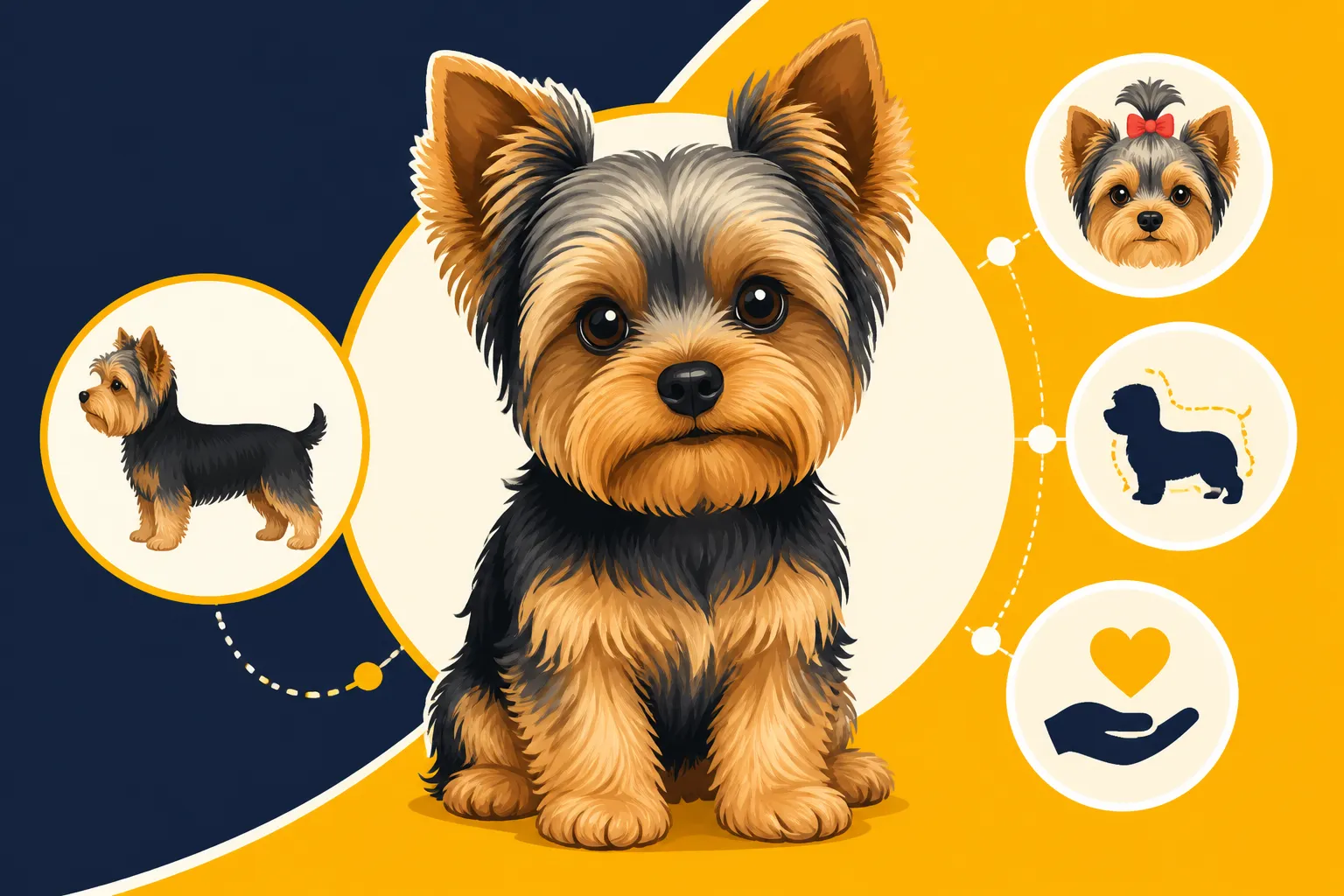
Mini Yorkshire Terrier Explained
Many prospective Yorkshire Terrier owners often hear terms like "Mini Yorkie" or "Teacup Yorkie" and wonder if they're a distinct, official breed. This common misconception can lead to confusion about what to expect in terms of size, specific care requirements, and potential health challenges these tiny companions might face. This comprehensive guide aims to clear up the mystery surrounding the "Mini Yorkshire Terrier," explaining what this descriptive term truly signifies, highlighting their unique characteristics, and providing essential advice on how to best care for these adorable, diminutive pups to ensure they lead healthy, happy, and fulfilling lives.
Demystifying the "Mini Yorkshire Terrier" Label
When you hear someone talk about a "Mini Yorkshire Terrier," it’s important to understand that you're not actually hearing about a separate, officially recognized breed. The term "mini" or "teacup" for a Yorkshire Terrier is simply a descriptive label used to indicate a Yorkie that falls below the breed standard weight. This can be a bit of a marketing tactic by some breeders, and it’s crucial for potential owners to be well-informed about what this really means for the dog's health and well-being.
Is "Mini Yorkie" an Official Breed?
Let's get this straight from the start: the "Mini Yorkshire Terrier" is not a recognized breed by major kennel clubs like the American Kennel Club (AKC), the Canadian Kennel Club (CKC), or the Fédération Cynologique Internationale (FCI). These organizations uphold strict breed standards, and for the Yorkshire Terrier, that standard typically specifies a weight range of no more than seven pounds (3.2 kg). A dog marketed as a "mini" or "teacup" Yorkie is simply a Yorkshire Terrier that is smaller than this established standard.
Sometimes, a smaller Yorkie might be the runt of a litter, naturally falling below the average weight. Other times, it's the result of breeders intentionally breeding the smallest dogs together, often from litters of runts, to produce exceptionally tiny offspring. While the idea of an even tinier Yorkie can be incredibly appealing, this practice, especially when done without stringent health screening and ethical considerations, can lead to significant health problems down the line. It's a key point to remember that just because a dog is labeled "mini" doesn't mean it comes from a distinct lineage or has special breeding other than being intentionally or accidentally undersized.
Standard Yorkshire Terrier Size Versus "Mini"
To fully grasp what a "mini" Yorkie implies, it's helpful to compare it against the official breed standard. A standard Yorkshire Terrier, as defined by the AKC, should weigh no more than seven pounds. Most healthy adult Yorkies will fall somewhere between four and seven pounds, standing about seven to eight inches tall at the shoulder. They're already small dogs, full of big personality in a compact package.
A "mini" Yorkie, on the other hand, is generally understood to weigh significantly less, often in the range of two to four pounds, and sometimes even less. While undeniably adorable and delicate in appearance, this drastically reduced size comes with a unique set of challenges. The allure of a tiny, purse-sized companion is strong, but it's essential to understand that an extremely small size can often be synonymous with increased fragility and a higher propensity for certain health issues. This isn't just about aesthetics; it's about the fundamental physiology of a creature engineered to be smaller than nature often intended for optimal health.
Genetic Factors and Health Implications of Miniature Size
The creation of "mini" or "teacup" dogs isn't always a natural occurrence, and understanding the genetic factors behind their small stature is crucial for any potential owner. This diminutive size often comes with a trade-off in terms of health and robustness, making these tiny pups more susceptible to certain conditions that are less common or less severe in their standard-sized counterparts.
Understanding the Genetics of Small Stature
When a Yorkie puppy is naturally smaller than its littermates, it's often referred to as the "runt." Runts can be perfectly healthy, simply being the smallest sibling. However, the intentional breeding of "mini" Yorkies usually involves selectively breeding these smaller-than-average dogs together over generations. The goal is to consistently produce offspring that are significantly under the standard breed weight. This process can sometimes involve breeding dogs with underlying genetic issues that contribute to their small size, rather than healthy, albeit small, specimens.
Furthermore, the gene pool for extremely small dogs can become quite limited, increasing the likelihood of inheriting undesirable traits or genetic predispositions to illness. While the Yorkshire Terrier breed does have some common genetic conditions regardless of size, like those discussed in our guide on Common Yorkshire Terrier Genetic Conditions, selecting for extreme smallness can exacerbate these or introduce new vulnerabilities. It’s a delicate balance between desirable traits and maintaining genetic diversity and health.
Increased Health Risks Associated with Small Size
The truth is, while charming, being exceptionally small puts these dogs at a higher risk for a variety of health problems. Their tiny bodies are simply more fragile and less resilient than those of their larger relatives. One of the most immediate concerns is their delicate bone structure. A fall from a sofa, a clumsy step by a human, or even rough play can easily lead to broken bones or serious injuries. Their internal organs are also proportionally smaller and more susceptible to issues.
Conditions like hypoglycemia, or dangerously low blood sugar, are particularly prevalent in very small breeds because they have less body mass and fat reserves to maintain stable blood glucose levels. You can learn more about this in "Yorkshire Terrier Hypoglycemia: Signs and Care". Other issues, such as liver shunts (portosystemic shunts) and collapsing tracheas, can be more common or severe in "mini" Yorkies due to their delicate internal systems. These issues necessitate a much higher level of vigilance and specialized care than for a standard Yorkie, demanding owners who are prepared for the potential medical journey.
Common Health Concerns Specific to Mini Yorkies
Owners of "mini" Yorkshire Terriers need to be especially diligent about their dog's health. While all Yorkies can face certain health challenges, the reduced size of mini Yorkies often means these issues are more frequent, more severe, or require more immediate attention. Understanding these specific risks is the first step in providing proactive and effective care.
Hypoglycemia and Blood Sugar Management
Hypoglycemia, or low blood sugar, is a significant concern for tiny Yorkies, especially puppies and those adult "mini" Yorkies weighing under four pounds. Their small size means they have minimal glycogen stores in their liver, which are crucial for maintaining stable blood sugar levels. They burn calories quickly and can deplete their reserves rapidly, leading to a sudden drop in blood glucose. Symptoms can appear quickly and include lethargy, weakness, wobbliness, tremors, confusion, and in severe cases, seizures or collapse.
To prevent this, frequent, small meals throughout the day are absolutely vital. A "mini" Yorkie might need to eat three to four times a day, sometimes even more as a puppy. High-quality, calorie-dense food formulated for small breeds is essential. Many owners even carry a tube of Nutri-Cal or a similar high-calorie supplement (often available on Chewy) to administer immediately if they notice signs of hypoglycemia. If your Yorkie shows these symptoms, prompt action is critical. Our article on "Yorkie Hypoglycemia: Emergency Signs" provides more in-depth information on what to do in such a situation. This isn't just a minor inconvenience; severe hypoglycemia can be life-threatening if not addressed swiftly.
Fragile Bones and Joint Issues
One of the most heartbreaking realities of owning a "mini" Yorkie is their extreme fragility. Their tiny, delicate bones are much more prone to fractures than those of larger dogs or even standard-sized Yorkies. A simple jump off a chair, a playful tumble, or even being stepped on accidentally can result in a broken leg or other severe injury. This means owners must be incredibly careful, always supervising their tiny companions, especially around children or other pets.
Beyond fractures, "mini" Yorkies are also highly susceptible to common joint problems like patellar luxation, where the kneecap slips out of place. While it's a known issue in Yorkshire Terriers of all sizes, it can be more pronounced and lead to more significant lameness in smaller dogs. Another condition, Legg-Calve-Perthes disease, which affects the hip joint, can also be a concern. These joint issues can cause pain, difficulty walking, and may require surgical intervention. Protecting their joints from impact and providing a safe, padded environment is paramount. For more detailed information, check out "Yorkshire Terrier Patellar Luxation: Signs and Care" and "Yorkie Knee Problems Explained".
Dental Disease and Tracheal Collapse
Due to their diminutive skull and jaw size, "mini" Yorkshire Terriers often suffer from severe dental crowding. This creates an environment where food particles and bacteria can easily accumulate, leading to rapid plaque and tartar buildup. Consequently, dental disease often progresses much faster and becomes more severe in "mini" Yorkies compared to standard-sized dogs. Symptoms like bad breath, painful eating, and loose teeth can appear at a surprisingly young age. Regular professional dental cleanings and diligent at-home dental care, including daily brushing with a toothbrush and pet-specific toothpaste (which you can find readily on Chewy), are absolutely essential to prevent serious oral health problems. This is an ongoing battle for many small breed owners, as we discuss in "Yorkshire Terrier Dental Disease: Signs and Care".
Another significant respiratory concern for "mini" Yorkies is tracheal collapse. Their tiny, delicate tracheas (windpipes) are more susceptible to weakening and collapsing, especially under stress, excitement, or when pressure is applied to their neck. This leads to a characteristic dry, hacking cough that often sounds like a goose honk. While it can affect any Yorkie, the smaller the dog, the more vulnerable their airway generally is. Using a harness instead of a collar is critically important to avoid putting pressure on their trachea, a topic we cover in depth in "Why Harnesses Are Better Than Collars for Yorkies". For more on this specific health challenge, read our guide on "Yorkshire Terrier Collapsing Trachea: Signs and Care".
Daily Care and Lifestyle for Your Tiny Companion
Caring for a "mini" Yorkshire Terrier goes beyond simply providing food and shelter; it requires a tailored approach to ensure their delicate bodies thrive. Their unique needs mean that slight adjustments to diet, exercise, and environmental safety can make a world of difference in their overall health and happiness.
Nutrition and Feeding Considerations
Given their propensity for hypoglycemia, the feeding routine for a "mini" Yorkie is perhaps one of the most critical aspects of their daily care. Instead of two large meals a day, these tiny pups often need three to four small meals spaced out throughout the day to keep their blood sugar stable. The type of food is equally important. Look for high-quality, calorie-dense formulas specifically designed for small breed puppies or adults. Brands like Royal Canin X-Small, Hill's Science Diet Small Paws, or Merrick Lil' Plates are excellent choices, offering the concentrated nutrition a tiny metabolism needs. Many of these specialized foods are easily accessible through retailers like Chewy.
It’s also crucial to monitor their intake closely. While they need frequent meals, overfeeding can quickly lead to obesity, which puts undue stress on their already fragile joints and organs. Avoiding table scraps and human foods, especially those that can be toxic to dogs, is paramount. Small treats suitable for their tiny mouths, used sparingly, are fine. Always ensure fresh water is available. For more guidance on portion control and choices, refer to "How Much to Feed a Yorkshire Terrier" and "Best Dog Food for Yorkshire Terriers".
Exercise and Play for Mini Yorkies
Despite their small size, "mini" Yorkies are still terriers at heart, meaning they have a surprising amount of energy and a playful spirit. However, their exercise needs differ significantly from larger dogs. Strenuous or prolonged activity can be too much for their tiny bodies and fragile joints. Instead, focus on short, supervised play sessions and gentle indoor exercise. Chasing a toy down a hallway, playing fetch with a tiny ball, or a short romp in a secure, safe yard are usually sufficient to meet their physical and mental stimulation needs.
When venturing outdoors, always keep them leashed and be acutely aware of their surroundings. Large dogs can accidentally injure a "mini" Yorkie, and predators like hawks or even larger domestic animals can pose a serious threat. Protection from extreme weather is also key; their small body mass makes them prone to getting cold quickly in winter or overheating in summer. Small, soft toys that won't overwhelm their tiny mouths are perfect for playtime. You'll find a fantastic selection of appropriate toys on Chewy that are safe and engaging for mini breeds.
Grooming and Environmental Safety
The fine, silky coat of a Yorkshire Terrier, whether standard or mini, requires regular grooming to prevent matting and keep it healthy. Daily brushing is ideal to maintain their long hair and prevent tangles. Their tiny size doesn't exempt them from the full grooming routine, which includes bathing with gentle, breed-appropriate shampoo, nail trims, and ear cleaning. For a complete overview, consult our "Yorkshire Terrier Grooming Guide".
Environmental safety is perhaps the most critical aspect of caring for a "mini" Yorkie. Their delicate nature means you need to create a home environment that minimizes risks. Think low-impact: prevent them from jumping off high furniture, consider ramps or pet stairs for beds and sofas, and use gates to block off stairs. Be constantly aware of where your tiny dog is, especially when walking around the house. Children should be taught how to handle them gently, and interactions with larger pets should always be supervised. As previously mentioned, a harness is a non-negotiable item for walking to protect their fragile trachea. Read more about this in "Why Harnesses Are Better Than Collars for Yorkies". It's about creating a safe bubble where they can thrive without constant danger.
Temperament and Training Insights
While their physical size may be diminished, the personality of a "mini" Yorkshire Terrier is anything but small. These pint-sized companions often embody the feisty, confident, and intelligent spirit characteristic of the breed, sometimes even to an amplified degree. Understanding their inherent temperament and approaching their training with patience and consistency is key to fostering a well-adjusted and happy tiny friend.
Personality Traits of Smaller Yorkies
"Mini" Yorkies are often described as having an extra dose of sass and courage, frequently acting as if they are much larger than they actually are. They can be incredibly brave, sometimes to their own detriment, readily challenging larger dogs or unfamiliar situations without realizing their physical vulnerability. This can be charming, but it also means owners need to be extra vigilant in protecting them.
Because of their delicate nature and small size, some "mini" Yorkies can be prone to anxiety. They might become overly attached to their owners, leading to separation anxiety if not properly managed. This strong bond often means they'll follow you from room to room, earning them the nickname "Velcro dogs." This can also manifest as "small dog syndrome," where a tiny dog exhibits aggressive or overly dominant behaviors because they haven't been adequately socialized or trained due to their small size allowing owners to overlook behavioral issues. Early and consistent interaction with various people and safe animals is crucial to prevent these behaviors. For more on the breed's general disposition, you might find our article on "Yorkshire Terrier Temperament and Personality" insightful.
Training and Socialization for a Mini Yorkie
Training a "mini" Yorkie requires consistency, positive reinforcement, and a deep understanding of their unique challenges. Potty training, in particular, can be a hurdle. Their tiny bladders mean they need to go outside or to a potty pad much more frequently than larger dogs. Accidents are common, and patience is paramount. Establishing a strict schedule and rewarding success lavishly will go a long way. Our comprehensive "Yorkshire Terrier Potty Training Guide" offers detailed strategies that are particularly helpful for these small dogs.
Early socialization is another non-negotiable aspect of raising a well-adjusted "mini" Yorkie. Exposing them to a variety of sights, sounds, people, and safe, calm dogs from a young age helps them develop confidence and prevents fear-based behaviors or aggression. Enroll them in puppy classes, or arrange controlled, positive interactions. Crate training is also highly recommended, providing them with a safe den and aiding in both potty training and managing separation anxiety. This tiny dog needs to feel secure, and proper socialization helps them navigate the big world around them without fear. To learn more about this crucial process, check out "How to Socialize a Yorkshire Terrier".
Ethical Sourcing and Responsible Ownership
The appeal of a "mini" Yorkshire Terrier is undeniable, but it's vital for prospective owners to approach acquiring one with utmost responsibility and ethical consideration. Because the term "mini" or "teacup" is not an official breed designation, it's often exploited by unscrupulous breeders looking to capitalize on demand, sometimes at the expense of the dogs' health and welfare.
Finding a Responsible Breeder
When you're looking for a "mini" Yorkie, the first and most important rule is to avoid any breeder who specifically advertises "teacup" or "mini" Yorkies as if they are a distinct, special, or rare type that commands a significantly higher price. Reputable breeders focus on health, temperament, and adherence to the breed standard, not on breeding for extreme smallness. An ethical breeder will prioritize the health of their breeding stock and puppies above all else.
A responsible breeder will:
- Have a deep knowledge of the breed's health issues, including those common to smaller Yorkies.
- Provide health clearances for the parents for conditions like patellar luxation, liver shunts, and eye diseases.
- Be transparent about the puppy's lineage and health history, and never hide information about a puppy being a runt.
- Allow you to visit their facility, meet the puppy's parents, and see where the puppies are raised.
- Ask you many questions to ensure you are a suitable owner.
- Offer a health guarantee and a contract.
- Never let puppies go to new homes before 8-12 weeks of age, as younger puppies are much more prone to hypoglycemia and other issues.
Avoid pet stores, online puppy mills, or breeders who won't allow visits. For guidance on identifying a good breeder, our article on "How to Find a Reputable Yorkie Breeder" is an excellent resource. Always prioritize health and ethical practices over a specific, desired size.
Adopting a Mini Yorkie from a Rescue
If your heart is set on a smaller Yorkie but you're concerned about supporting potentially unethical breeding practices, consider adopting from a breed-specific rescue organization. Many Yorkshire Terrier rescues frequently have smaller Yorkies, including those labeled "mini" or "teacup," who find themselves in need of new homes. These dogs may be surrendered due to owners being unable to cope with their specialized care needs, or they may come from situations where their small size was a contributing factor to neglect or abuse.
Rescue organizations often have an extensive network and can provide invaluable insights into a dog's history and temperament. They typically vet their dogs thoroughly, providing necessary medical care, vaccinations, and spay/neuter services before adoption. Many rescue dogs also spend time in foster homes, allowing foster parents to assess their personality and specific needs, helping to ensure a good match for your family. Adopting a rescue Yorkie means giving a deserving dog a second chance at a loving home, and it can be a incredibly rewarding experience. To learn more about how this process works, take a look at "Yorkie Rescue: How to Adopt".
Mini vs. Standard Yorkshire Terrier: Key Differences
Understanding the nuances between a standard Yorkshire Terrier and one affectionately called "mini" is essential for responsible ownership. Here's a quick comparison of what you might expect.
| Feature | Standard Yorkshire Terrier | "Mini" Yorkshire Terrier (under 5 lbs) |
|---|---|---|
| Weight (Adult) | 4-7 lbs (AKC breed standard maximum) | Typically 2-4 lbs |
| Height (Adult) | 7-8 inches at the shoulder | Often 5-7 inches at the shoulder |
| Official Breed? | Yes, officially recognized by kennel clubs | No, a descriptive term for size |
| Health Risks | General Yorkie health issues | Higher risk of hypoglycemia, fragile bones, tracheal collapse, severe dental issues, sensitivity to anesthesia |
| Energy Level | Moderate; enjoys walks & playtime | Moderate, but shorter bursts of energy; often satisfied with indoor play |
| Feeding | 2-3 balanced meals per day | 3-4 very small, frequent meals/day to prevent hypoglycemia |
| Environmental Needs | Secure home, safe from large drops | Requires extra care for safety from drops, accidental injury, careful supervision around children/other pets |
| Grooming Needs | Regular brushing, professional grooming | Intensive regular grooming to prevent matting and eye issues |
| Lifespan | 11-15 years generally | Can be shorter or require more intensive vet care due to heightened health risks |
Disclaimer
The information provided in this article is for general informational purposes only and does not constitute veterinary advice. Always consult with a qualified veterinarian for any health concerns or before making any decisions about your pet's health or treatment.