Chocolate Yorkie vs Standard Yorkie: Differences
It’s easy to feel a bit overwhelmed when you start diving into the fascinating world of Yorkshire Terriers, especially when it comes to their beautiful coats. Many aspiring Yorkie parents find themselves utterly charmed by the classic "blue and tan" look, but then they stumble upon images or hear whispers of something called a "Chocolate Yorkie." This often leads to a flurry of questions: Is it a different breed? Is it healthier or less healthy? What are the actual differences? Don't worry, you're not alone in this delightful confusion, and this guide is here to clear up all those curly questions about Chocolate Yorkies versus their Standard counterparts.
Understanding the "Standard" Yorkshire Terrier Coat
When we talk about a "Standard" Yorkshire Terrier, we're primarily referring to the breed's appearance as recognized by major kennel clubs, most notably the American Kennel Club (AKC). This standard sets out very specific criteria for what a Yorkie's coat should look like, encompassing both color and texture. It's not just about aesthetics; these standards are often tied to the breed's historical development and health lineage.
The Classic Blue and Tan
The hallmark of a standard Yorkshire Terrier is its striking "blue and tan" coat. Now, when the standard says "blue," it doesn't mean a vibrant sky blue! It's actually a dark steel blue, sometimes appearing almost black in certain lights, but it should never be a silver-blue or have any black mixed in with the tan areas. This blue color runs along the body, from the back of the head to the tip of the tail, creating a stunning contrast.
The "tan" part of the equation refers to the rich, golden-tan areas found on the head, legs, and chest. On the head, this tan should be deepest at the sides, lighter at the ear roots, and should not extend down the neck. The tan on the legs should go up above the elbows and stifles (knees). Interestingly, Yorkie puppies are not born with this distinct blue and tan. They typically start life black and tan, and the "blue" coloration gradually develops and replaces the black as they mature, a process that can take up to two or three years to fully set in. This color development is a fascinating genetic trait that breeders look for.
Coat Texture and Maintenance
Beyond color, the standard also dictates the texture of a Yorkshire Terrier's coat. A true standard Yorkie should have a single coat, meaning no undercoat, which is typically fine, silky, and falls straight down on either side of the body, much like human hair. This coat, when properly cared for, can grow quite long, sometimes trailing on the ground, making them look incredibly elegant. The texture is crucial because it helps make them "hypoallergenic" compared to many other breeds, as they tend to shed less.
This luxurious coat, however, isn't maintenance-free. It requires diligent daily brushing to prevent mats and tangles, especially if it's kept long. Regular bathing with appropriate shampoos and conditioners, followed by careful drying, is also essential. Many Yorkie owners opt for a professional groomer to maintain their pet's coat, perhaps choosing a practical "puppy cut" or a "teddy bear cut" to reduce daily upkeep. You can find a vast array of specialized brushes, combs, and shampoos suitable for a Yorkie's delicate coat on platforms like Chewy, making it easier to manage their grooming needs at home. Understanding your Yorkie's coat is a big part of knowing Yorkshire Terrier Grooming Guide.
Delving into the "Chocolate" Yorkshire Terrier
The term "Chocolate Yorkie" stirs up a lot of excitement and, sometimes, confusion. These dogs are captivating with their rich brown hues, but it's important to understand what truly defines them and how they differ, or don't differ, from their standard counterparts.
The Genetic Basis of Chocolate
At its core, a "Chocolate Yorkie" is still a Yorkshire Terrier, but with a specific genetic variation that alters its coat color. Unlike the standard blue and tan, chocolate coloration is caused by a recessive gene that modifies the black pigment (eumelanin) into brown. This means that for a Yorkie to express a chocolate coat, it must inherit two copies of this recessive gene, one from each parent. If it only inherits one, it will be a carrier but will appear as a standard blue and tan. This is why chocolate Yorkies are less common and often considered "rare" by some, though their numbers are growing as breeders specifically work with these lines.
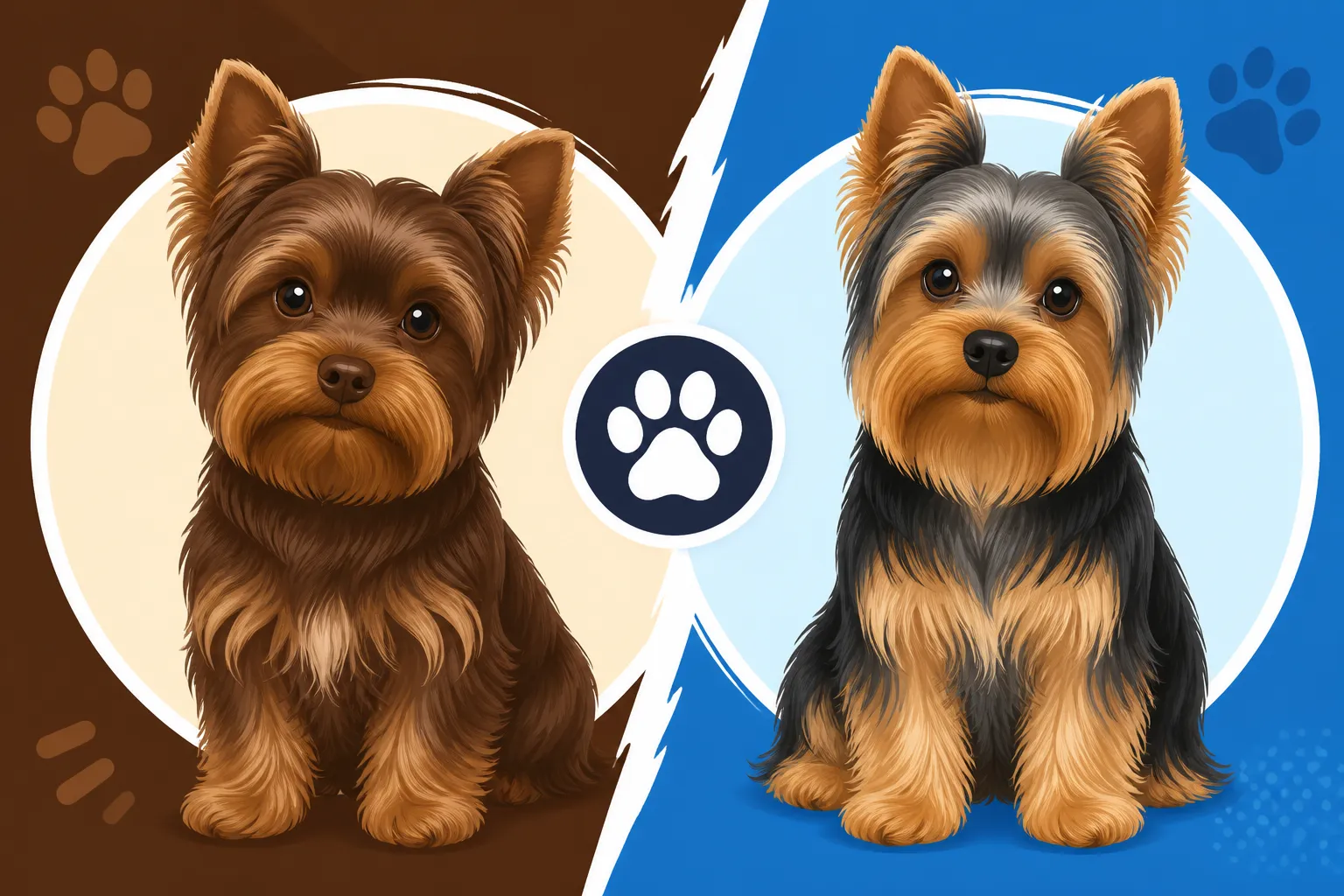
These chocolate-colored Yorkies can present in several ways. Some might be solid chocolate, while others exhibit a chocolate and tan pattern, much like the standard blue and tan, but with all the black areas replaced by various shades of brown. It's vital to note that while they are genetically Yorkshire Terriers, their color falls outside the strict AKC breed standard for conformation showing. However, they can often still be registered with the AKC as a Yorkshire Terrier, though their color will be listed as "chocolate" or "brown" and they won't be eligible for conformation shows where the traditional blue and tan is required. It's a nuance that often trips up new owners, so always ask a breeder for clarification on registration details.
Appearance and Traits of a Chocolate Yorkie
The appearance of a Chocolate Yorkie can vary quite a bit, just like a box of chocolates! You might see shades ranging from a light, creamy milk chocolate to a deep, dark bittersweet cocoa. Their noses, paw pads, and eye rims will also typically be liver (brown) rather than black, which is another tell-tale sign of the chocolate gene at play. Some might even have lighter eyes, appearing amber or green, rather than the dark brown eyes typical of standard Yorkies. Their coat texture should ideally remain the same as a standard Yorkie—fine, silky, and single-coated.
In terms of temperament and size, there's absolutely no inherent difference between a Chocolate Yorkie and a Standard Yorkie. Their personalities, energy levels, and general breed characteristics like their feisty terrier spirit, loyalty, and intelligence remain consistent across all color variations. Whether they're chocolate, parti, or standard blue and tan, they are still Yorkies through and through. They require the same kind of love, training, and care as any other Yorkshire Terrier. For instance, their exercise needs and predisposition to Yorkshire Terrier Separation Anxiety Solutions are universal to the breed, irrespective of their coat color. You'll find the same great range of toys and beds suitable for their size and playfulness on sites like Chewy, ensuring they stay happy and engaged.
Key Differences Beyond Color
While the most obvious difference between a Chocolate Yorkie and a Standard Yorkie is, of course, their coat color, there are other distinctions that prospective owners should be aware of. These often relate to breed standards, breeding practices, and sometimes even price.
Breed Standard Recognition and Registration
This is perhaps the biggest and most significant difference. The American Kennel Club (AKC) and other major kennel clubs worldwide maintain very specific breed standards for the Yorkshire Terrier. For color, the AKC standard unequivocally states "dark steel blue, not silver blue, extending from the back of the head to the root of the tail, and rich tan on the head and legs." This means that only Yorkshire Terriers displaying this traditional blue and tan coloration are recognized as conforming to the breed standard and are eligible to compete in AKC conformation shows.
Chocolate Yorkies, while genetically purebred Yorkshire Terriers, fall outside this specific color standard. Therefore, they cannot be shown in AKC conformation events. However, they can often still be registered with the AKC. The AKC will simply note their color as "chocolate" or "brown" on their registration papers. This is a crucial distinction: registered doesn't always mean breed-standard compliant for show purposes. This lack of conformation recognition can sometimes lead to misunderstandings, where some less scrupulous breeders might try to market "rare" colors at exorbitant prices without full transparency about their show eligibility. An ethical breeder, regardless of whether they breed for standard or non-standard colors, will be clear about this. For more on what constitutes a purebred Yorkie, you might want to look into the Yorkshire Terrier Breed Standard Explained.
Health and Temperament Considerations
It's a common misconception that "rare" colors somehow imply a different set of health issues or temperament traits. This is generally not true for Chocolate Yorkies. The gene responsible for the chocolate color simply affects pigment; it does not introduce new health conditions specific to that color. Both Standard and Chocolate Yorkies are susceptible to the same Common Yorkshire Terrier Genetic Conditions and health concerns typical of the breed, such as Yorkshire Terrier Patellar Luxation: Signs and Care, Yorkie Eye Problems Explained, or Yorkie Breathing Problems Explained like collapsing trachea.
The most important factor influencing a Yorkie's health and temperament, regardless of its coat color, is responsible breeding. A reputable breeder, whether they specialize in standard blue and tan or chocolate variations, will prioritize health testing for their breeding stock, genetic screening, and proper socialization for their puppies. They will be transparent about their dogs' health history and provide health guarantees. Conversely, breeders focused solely on producing "rare" colors for profit, without attention to health, can inadvertently perpetuate genetic issues. So, while a chocolate coat is visually distinct, it’s not an indicator of robust health or a challenging temperament. Always look for a breeder who provides a Yorkshire Terrier Puppy Health Guide and focuses on the well-being of their dogs.
Cost and Availability
When it comes to cost, Chocolate Yorkies can sometimes be priced differently than standard blue and tan Yorkies. Historically, because the chocolate gene is recessive and less common, some breeders have marketed Chocolate Yorkies as "rare" and charged a premium. This perception of rarity can drive up prices, even though, genetically speaking, they are still purebred Yorkies. However, the market for "designer colors" or non-standard colors has grown, and with it, more breeders are intentionally working to produce these variations. This means that while they might still sometimes be more expensive, the price difference might not always be as dramatic as it once was, and it certainly doesn't signify superior quality or health.
A standard blue and tan Yorkie from a reputable breeder might cost anywhere from $1,500 to $3,500 or even more, depending on lineage, location, and the breeder's reputation. Chocolate Yorkies could fall into a similar range, or sometimes even higher if they come from a breeder specializing in non-standard colors. It's important to remember that a higher price tag for a "rare" color doesn't guarantee a healthier or better-tempered dog. Always prioritize the breeder's ethics, health testing, and puppy care over the novelty of a coat color. Don't forget to budget for their initial supplies too; a Yorkie Supplies Shopping List from a store like Chewy will help you prepare for your new arrival, regardless of their color. If you are curious about specific pricing, researching Yorkie Puppy Price by Bloodline can give you a better idea of what to expect.
Comparison: Chocolate Yorkie vs. Standard Yorkie
To help you visualize the key distinctions, here’s a quick comparison:
| Feature | Standard Yorkshire Terrier | Chocolate Yorkshire Terrier |
|---|---|---|
| Primary Coat Color | Dark Steel Blue and Rich Tan | Various Shades of Brown (Milk, Dark, Liver) often with Tan |
| Nose & Paw Pad Color | Black | Liver (Brown) |
| Eye Color | Dark Brown | Dark Brown, Amber, or Green |
| AKC Conformation Show | Eligible (conforms to breed standard) | Not eligible (color outside breed standard) |
| AKC Registration | Yes, as "Blue & Tan" | Yes, as "Chocolate" or "Brown" |
| Genetic Basis | Dominant genes for black pigment, modified by tan points | Recessive gene modifying black pigment to brown |
| Health Predispositions | Same as breed standard (e.g., patellar luxation, dental) | Same as breed standard (e.g., patellar luxation, dental) |
| Temperament | Typical Yorkie personality (feisty, loyal, intelligent) | Typical Yorkie personality (feisty, loyal, intelligent) |
| Grooming Needs | High; single, silky coat requires regular brushing | High; single, silky coat requires regular brushing |
| Typical Cost | Moderate to High | Moderate to High, sometimes premium for "rarity" |
Making an Informed Choice: Which Yorkie is Right for You?
Deciding between a Chocolate Yorkie and a Standard Yorkie ultimately comes down to a combination of factors, but it's crucial to approach this decision with the right priorities in mind. The allure of a unique coat color is understandable, but it should never overshadow the fundamental aspects of responsible pet ownership.
Prioritizing Health and Temperament
Above all else, the health and temperament of your future Yorkie should be your paramount concern. A dog that is physically sound and has a stable, well-socialized personality will bring infinitely more joy and companionship into your life than one chosen solely for its aesthetic appeal. Whether you opt for a traditional blue and tan or a charming chocolate, your focus should be on finding a puppy from parents with excellent health clearances and a proven good disposition.
Responsible breeders will screen for common Yorkshire Terrier health problems to know, such as patellar luxation, dental disease, and liver shunts, among others. They will also ensure their puppies are raised in a stimulating environment, fostering positive early socialization that contributes to a confident and friendly adult dog. Remember, the true essence of a Yorkshire Terrier – their spirited nature, unwavering loyalty, and intelligence – transcends any specific coat color. Understanding Yorkshire Terrier Temperament and Personality is key, as these traits are universal to the breed.
The Role of a Reputable Breeder
This point cannot be stressed enough: the breeder you choose is far more important than the color of the puppy. A truly reputable breeder, whether they specialize in standard blue and tan or non-standard colors like chocolate, will prioritize the health, well-being, and genetic integrity of their lines. They will be transparent about their breeding practices, openly share health testing results for the parent dogs, and offer a health guarantee.
When you're looking for a Yorkie, regardless of color, ask detailed questions. Inquire about the parents' health, temperament, and age. Ask about the puppy's early socialization, vet visits, and vaccination schedule. A good breeder will welcome these questions and be eager to provide information. They'll also typically have a waiting list and want to vet you to ensure their puppies go to good homes. Avoid breeders who push for quick sales, refuse to let you meet the puppy's parents, or cannot provide health clearances. You can find more detailed advice on How to Find a Reputable Yorkie Breeder to guide your search.
Lifestyle and Personal Preference
Once you've ensured you're looking at healthy, well-tempered puppies from responsible breeders, then your personal preference for color can certainly come into play. There’s nothing wrong with being drawn to the striking uniqueness of a Chocolate Yorkie! If that rich brown hue captures your heart, and you've found a reputable breeder who produces them ethically, then go for it.
Consider your lifestyle: do you want a show dog? If so, a standard blue and tan is your only option for conformation. If you're looking for a loving companion, then color is purely aesthetic. Also, remember that all Yorkies, regardless of color, have specific care needs. They require regular grooming, a consistent feeding schedule, and plenty of love and attention. Ensure your home is ready for a tiny, energetic companion. Planning for How to Prepare Your Home for a Yorkie and getting essential supplies from places like Chewy will be the same whether your new family member is blue and tan or chocolate brown. The joy a Yorkie brings into your life is boundless, regardless of the shade of their beautiful coat.
Disclaimer
Please note that this article is intended for informational purposes only and does not constitute professional veterinary advice. Always consult with a qualified veterinarian for any health concerns or before making any decisions about your pet's care.