Yorkshire Terrier vs Chihuahua
Choosing between a charming Yorkshire Terrier and a spirited Chihuahua can feel like an impossible task. Both breeds are undeniably adorable, small in stature, and fiercely loyal, but they also come with their own unique quirks and needs that can be a real head-scratcher for potential owners. You might be picturing cozy cuddles with one, while simultaneously imagining adventurous walks with the other, leading to endless indecision. This comprehensive guide will meticulously break down the key differences and similarities between these two beloved toy breeds, helping you navigate the delightful dilemma and ultimately find the perfect furry companion for your home and lifestyle.
Tracing Their Roots: Where Did These Tiny Titans Come From?
Before diving into their personalities and daily care, it’s always fascinating to look at the origins of a breed. Understanding their historical purpose can often shed light on their inherent traits and behaviors, helping us grasp why they do the things they do today. These small dogs have surprisingly robust histories, each shaped by distinct environments and human needs.
The Yorkshire Terrier's English Roots
The Yorkshire Terrier, affectionately known as a Yorkie, hails from the industrial towns of Yorkshire, England, in the mid-19th century. They weren't bred for royalty or companionship initially, but rather as working-class dogs. Believe it or not, these dainty pups were employed in textile mills and coal mines to catch rats and other vermin. Their small size allowed them to squeeze into tight spaces, making them excellent pest control. This working heritage instilled in them a feisty, tenacious spirit, despite their elegant appearance.
Over time, their beautiful long, silky coats and confident demeanor caught the eye of Victorian ladies, and they transitioned from working dogs to fashionable companions. It’s this blend of a plucky, intelligent terrier and a refined lapdog that defines the Yorkie’s unique charm. They carry themselves with an air of self-importance, often oblivious to their diminutive size, a direct nod to their ratting ancestors who had to be fearless.
The Chihuahua's Ancient Mexican Heritage
Contrast that with the Chihuahua, a breed steeped in mystery and ancient history, believed to be descendants of an older Central and South American companion dog called the Techichi. Evidence of small dog breeds resembling Chihuahuas has been found in ancient Toltec and Aztec civilizations, dating back as far as the 9th century AD. They were considered sacred animals, often buried with their owners to guide them in the afterlife, and held significant religious importance.
These dogs were much more than just companions; they were integral to the spiritual and cultural lives of the people. While their exact lineage is a subject of ongoing debate among historians and dog enthusiasts, it’s clear they have been cherished companions for centuries. Their long history of human interaction has resulted in a deep-seated desire for close companionship, often forming incredibly strong bonds with one specific person. Their ancient status as revered creatures also contributes to their often bold and self-important attitude.
A Tale of Two Statues: Physical Traits and Appearance
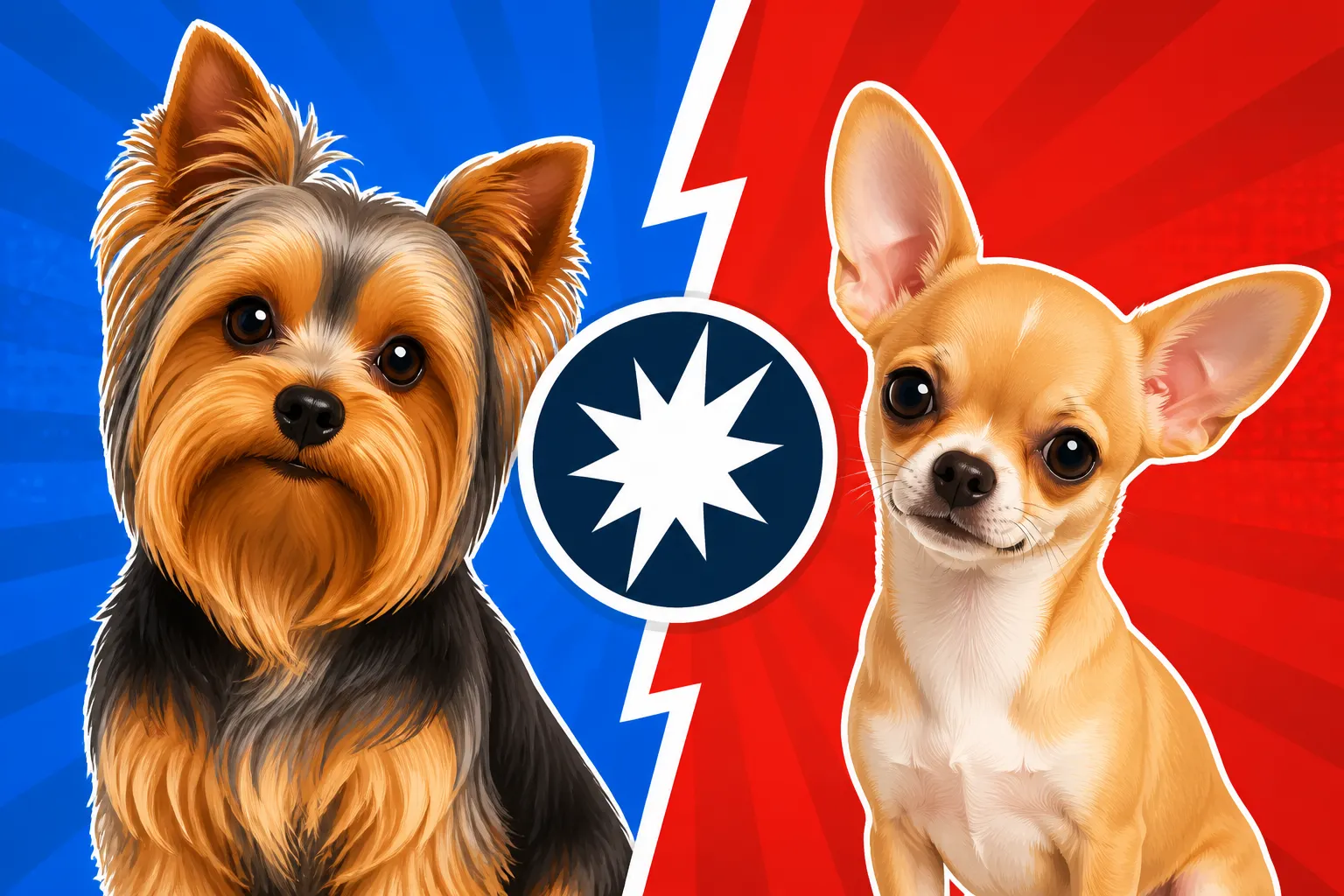
When you see a Yorkshire Terrier and a Chihuahua side-by-side, their small size is the most obvious commonality. However, a closer look reveals distinct differences in their build, coat, and overall presentation. Each has a unique aesthetic that appeals to different tastes, and these physical traits also dictate their grooming and care needs.
Size, Weight, and General Build
Yorkshire Terriers are typically a bit sturdier than Chihuahuas. The breed standard for a Yorkie generally states they should weigh no more than seven pounds, with most falling between four and seven pounds. They have a compact, well-proportioned body with a level back and a high-set tail carried slightly above the topline. Their heads are rather small and flat on top, with a moderate muzzle, and they have dark, intelligent eyes. They possess a confident, almost elegant carriage that belies their small size.
Chihuahuas, on the other hand, are the smallest dog breed in the world, usually weighing between two and six pounds. They have a distinct "apple" head or a "deer" head shape. The apple head is characterized by a rounded skull, prominent eyes, and a short, pointed muzzle. The deer head has a flatter skull, longer muzzle, and larger ears, making them look a bit more like a tiny deer. Chihuahuas often have a more delicate bone structure compared to Yorkies, making them quite fragile, especially as puppies. Their bodies are slightly longer than they are tall, and they carry their tail in an upward curve or loop.
Coat Types and Color Variations
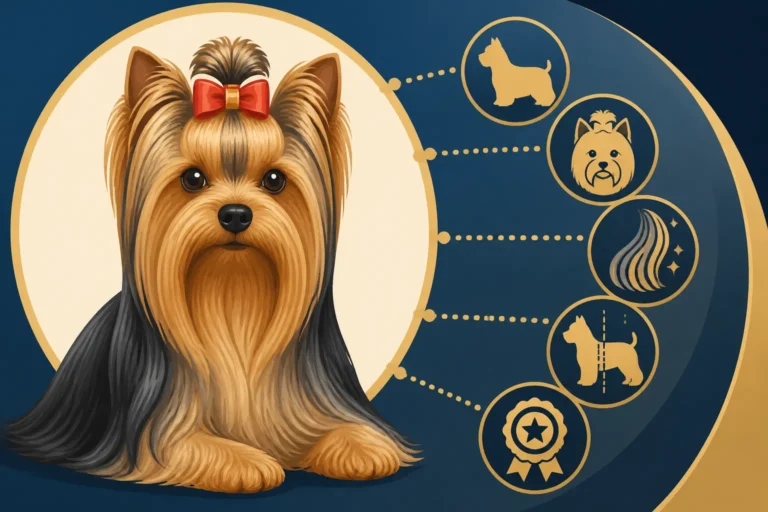
The most striking physical difference lies in their coats. Yorkshire Terriers are famous for their long, flowing, silky coats that resemble human hair rather than typical dog fur. This luxurious coat is consistently steel blue on the body and tail, and a rich, bright tan on the head and chest. Yorkie puppies are born black and tan, and their adult colors gradually develop over the first year or two. This unique coat is considered "hypoallergenic" by many, as it sheds minimally, but it requires significant maintenance. If you’re looking for a dog that won’t leave tumbleweeds of fur around your home, this is a definite plus, though it comes with a dedicated grooming schedule.
Chihuahuas, however, offer more variety in their coats. They come in two distinct types: smooth-coat (short-haired) and long-coat. Smooth-coat Chihuahuas have a soft, glossy coat that lies close to the body, often with a ruff on the neck and a plumed tail. Long-coat Chihuahuas have soft, slightly wavy or flat long hair, with feathering on the ears, legs, and tail. Both varieties come in a vast array of colors and patterns, including solid black, white, fawn, chocolate, cream, gold, and various combinations with markings like sables, brindle, and tri-color. While smooth-coat Chihuahuas require less grooming, long-coats need regular brushing to prevent tangles and mats. Neither breed is truly hypoallergenic, but Yorkies tend to be better tolerated by allergy sufferers due to their hair-like coat.
Personalities in Miniature: Temperament and Personality
This is where the choice often becomes clear for many prospective owners. While both breeds are small, their personalities are as distinct as their historical backgrounds. Understanding their typical temperaments is crucial for ensuring a harmonious fit with your family and lifestyle.
The Spirited Yorkie Persona
Yorkshire Terriers are often described as big dogs in small bodies. They are incredibly confident, intelligent, and often very vocal. A typical Yorkie is bold, curious, and full of life, always ready for an adventure or a good play session. They thrive on human companionship and will often follow their favorite person from room to room. Despite their glamorous appearance, they possess a true terrier spirit – they can be stubborn, tenacious, and sometimes a bit mischievous. Don't be fooled by their dainty size; they can be quite feisty and will stand their ground even against much larger dogs. This is where their ratting past really shines through; they are fearless and have a strong prey drive.
Because they are so attached to their people, Yorkies can be prone to separation anxiety if not properly trained and accustomed to alone time. They love to be the center of attention and can become demanding if their needs aren't met. It’s important to treat a Yorkie like a dog, not a fragile accessory, to prevent "small dog syndrome," where they believe they run the household. For more on their delightful yet sometimes challenging nature, check out our guide on Yorkshire Terrier Temperament and Personality.
The Confident Chihuahua Charm
Chihuahuas are known for their lively, alert, and often fiercely loyal nature. They are also highly intelligent and possess a vibrant personality. Like Yorkies, they tend to bond very strongly with one or two primary caregivers, often becoming "velcro dogs" who demand constant closeness. Chihuahuas are incredibly confident, sometimes to the point of being bossy or assertive. They are not afraid to express their opinions, which often comes out as insistent barking or growling when they feel threatened or want something.
Many Chihuahuas have a strong protective instinct and can be wary of strangers, often displaying a "guard dog" mentality despite their size. They are quick to alert their owners to anything unusual, making them excellent tiny watchdogs. They are quite adaptable and can be perfectly content as apartment dwellers, as long as they get sufficient mental stimulation and affection. While they are often seen as lapdogs, they do have a playful side and enjoy short bursts of activity and interactive games.
Interaction with Families, Children, and Other Pets
When it comes to family dynamics, both breeds have considerations. Yorkies can be wonderful family dogs, but they often do best in homes with older, considerate children who understand how to interact gently with small dogs. Their small size makes them vulnerable to accidental injury, and their terrier temperament means they might snap if handled roughly. They can get along with other dogs and even cats if properly socialized from a young age, but their high prey drive means small rodents or birds might not be safe. Introducing a Yorkie puppy to an existing pet early can make a big difference, especially if you’re looking at products from places like Chewy to help with enrichment and training.
Chihuahuas also fare best in homes with older children who are respectful and gentle. Due to their delicate build, they are not ideal playmates for toddlers who might unintentionally cause harm. They can be quite selective about their canine companions, often preferring other Chihuahuas or similarly small, gentle breeds. When properly socialized, they can coexist peacefully with other pets, but their confident and sometimes jealous nature means they might try to assert dominance or demand all the attention. Early and consistent socialization is key for both breeds to ensure they grow into well-adjusted adults.
Navigating Training and Socialization
Training a small dog often comes with unique challenges, and both Yorkies and Chihuahuas are no exception. Their intelligence is undeniable, but their stubborn streak can make them tricky students. Consistency, patience, and positive reinforcement are absolute necessities when working with these tiny but mighty breeds.
Potty Training and Housebreaking
Let's be real: potty training small dogs can be notoriously challenging, and both Yorkies and Chihuahuas are often cited as being difficult to housebreak. Their small bladders mean they need to go frequently, and their tiny "accidents" can often go unnoticed on a rug. The key here is consistency and routine. Frequent potty breaks, especially after waking up, eating, and playing, are essential. Using pee pads can be a helpful tool, particularly for apartment living or in bad weather, but be mindful not to let it hinder outdoor training.
For Yorkies, establishing a strict schedule and rewarding success generously is paramount. Many owners find success with Yorkshire Terrier Potty Training Guide strategies that emphasize positive reinforcement. Chihuahuas can also be stubborn, and they often dislike going out in cold or wet weather, which can complicate outdoor training. Many Chihuahua owners opt for litter box training or indoor potty areas. Remember, patience is not just a virtue, it's a necessity when housebreaking these little ones!
Managing Barking and Stubbornness
Both breeds have a reputation for being vocal. Yorkies, with their terrier roots, are quick to bark at perceived threats, strangers at the door, or even just to get attention. This can become an issue if not managed early. Techniques for How to Stop a Yorkie from Barking often involve identifying the trigger and redirecting their attention or using desensitization methods. Their intelligence means they learn quickly, but their stubbornness can make them resistant if they don't see the point or if they've learned that barking gets them what they want.
Chihuahuas are also prone to excessive barking, often due to their protective nature or anxiety. They are quick to sound the alarm, which can be a blessing or a curse depending on your living situation. Both breeds can exhibit a stubborn streak, often leading to what some call "small dog syndrome" – where they believe they are the alpha and can get away with anything. Early obedience training and consistent boundaries are crucial to ensure they understand their place in the family hierarchy and become well-mannered companions. Enrolling in puppy classes or working with a professional trainer can be incredibly beneficial.
Early Socialization is Key
For both Yorkies and Chihuahuas, early and ongoing socialization is absolutely critical. Because of their small size and sometimes cautious nature, they can easily become fearful or aggressive if not properly exposed to a variety of people, places, sounds, and other dogs from a young age. A well-socialized Yorkie or Chihuahua will be more confident, adaptable, and less prone to anxiety or reactive behaviors.
Start socialization as soon as your puppy has received their initial vaccinations. Introduce them to gentle, vaccinated dogs, calm strangers, and new environments. Carry them in a dog carrier or harness (like one you might find on Chewy) to expose them to the world safely before they are fully vaccinated. Without proper socialization, both breeds can become timid, fearful, or even aggressive out of insecurity, especially when encountering unfamiliar situations or large dogs. Consider our How to Socialize a Yorkshire Terrier guide for detailed steps on nurturing a well-adjusted pup.
Health and Lifespan: What to Expect
Caring for any dog means being aware of their potential health challenges, and toy breeds like Yorkies and Chihuahuas are no exception. While they generally enjoy long lifespans, they are prone to certain genetic and acquired conditions that owners should be mindful of.
Common Health Concerns for Each Breed
Yorkshire Terriers are known for a few common health issues, many of which are related to their small size and genetic predispositions. Some of the most frequently seen conditions include:
- Patellar Luxation: This is a condition where the kneecap slips out of place, causing lameness. It's common in many small breeds. For more in-depth information, see our article on Yorkshire Terrier Patellar Luxation: Signs and Care.
- Tracheal Collapse: This is a progressive condition where the trachea (windpipe) weakens and flattens, leading to a chronic cough, especially when excited or pulling on a collar. Using a harness instead of a collar can help prevent this. You can find excellent harnesses for Yorkies on Chewy. Read about Yorkshire Terrier Collapsing Trachea: Signs and Care for prevention and treatment options.
- Portosystemic Shunt (Liver Shunt): A congenital condition where blood bypasses the liver, leading to a buildup of toxins. This can be serious and requires careful management.
- Dental Disease: Small breeds are highly susceptible to dental problems due to overcrowding of teeth and genetic factors. Regular dental care is crucial. This is a big one, so make sure to review our Yorkshire Terrier Dental Care Guide.
- Hypoglycemia: Especially in puppies, low blood sugar can be a concern. This is why consistent feeding is so important.
Chihuahuas share some of these issues and have their own set of predispositions:
- Patellar Luxation: Just like Yorkies, Chihuahuas can also suffer from luxating patellas.
- Hypoglycemia: Again, particularly in puppies and very tiny adults, low blood sugar is a risk.
- Hydrocephalus: A condition where cerebrospinal fluid builds up in the brain, more common in apple-head Chihuahuas.
- Molera (Soft Spot): Many Chihuahuas are born with an incomplete skull closure, a soft spot on their head similar to a human baby's fontanelle. While many close up over time, some remain, requiring careful handling.
- Dental Disease: Like Yorkies, Chihuahuas are highly prone to dental issues.
- Heart Problems: Conditions like patent ductus arteriosus and mitral valve disease can be observed.
Being proactive with regular vet check-ups, a balanced diet, and preventive care can go a long way in managing these potential health challenges. Learning about Common Yorkshire Terrier Genetic Conditions can help prepare you for what might lie ahead with a Yorkie.
Lifespan Expectations and Senior Care
Both breeds typically enjoy impressive lifespans, often living into their teens. Yorkshire Terriers usually live between 11 to 15 years, while Chihuahuas can often live even longer, ranging from 14 to 16 years, with many living past 18! This means you are committing to a long and loving relationship when you bring one of these tiny companions into your life.
As they age, both breeds will require specialized senior care. This might include dietary adjustments, joint supplements (often recommended for patellar luxation prevention or management), and more frequent vet visits to monitor for age-related conditions like arthritis, vision loss, or kidney issues. Providing a comfortable, warm bed, easy access to food and water, and continuing gentle exercise will help your senior dog stay happy and healthy for as long as possible. Our Yorkshire Terrier Senior Care Guide offers valuable insights for maintaining your aging Yorkie's quality of life.
| Feature | Yorkshire Terrier | Chihuahua |
|---|---|---|
| Origin | Yorkshire, England (19th century) | Mexico (Ancient civilizations) |
| Original Purpose | Ratting in textile mills | Revered companion, spiritual guide |
| Weight | 4-7 pounds | 2-6 pounds |
| Head Shape | Small, flat on top, moderate muzzle | "Apple" head (rounded) or "Deer" head (flatter) |
| Coat Type | Long, silky, fine hair | Smooth (short) or Long (soft, wavy) |
| Coat Colors | Steel blue body/tail, tan head/chest (standard) | Wide variety of colors and patterns |
| Shedding | Minimal (hair-like coat) | Varies (smooth coats shed more, long less) |
| Temperament | Confident, feisty, intelligent, tenacious | Alert, lively, fiercely loyal, sometimes sassy |
| Barking Tendency | High (alert barking, attention-seeking) | High (protective, alert barking) |
| Trainability | Intelligent but can be stubborn | Intelligent but can be stubborn |
| Potty Training | Can be challenging, requires consistency | Can be challenging, dislikes cold weather |
| Child Friendliness | Best with older, gentle children | Best with older, gentle children |
| Lifespan | 11-15 years | 14-16+ years |
| Grooming Needs | High (daily brushing, regular professional trim) | Moderate (long coats need regular brushing) |
| Exercise Needs | Moderate (short walks, indoor play) | Low-Moderate (short walks, indoor play) |
Grooming, Exercise, and Nutritional Needs
While their small size might suggest minimal care, both Yorkies and Chihuahuas have specific requirements that prospective owners must be prepared for. Neglecting these areas can lead to health issues, behavioral problems, and an unhappy pup.
Coat Care and Grooming Routines
The Yorkshire Terrier's glamorous coat is its defining feature, but it comes with a significant grooming commitment. That long, silky hair needs daily brushing to prevent mats and tangles. Without it, their coat can quickly become a matted mess, leading to skin irritation and discomfort. Regular professional grooming every 4-6 weeks is often recommended to keep their coat healthy, trimmed, and manageable. Many owners opt for a "puppy cut" or "teddy bear cut" to shorten the coat, making daily care easier. Beyond brushing, Yorkies need regular baths with a gentle, moisturizing shampoo, as well as routine eye and ear cleaning. Our comprehensive Yorkshire Terrier Grooming Guide offers a wealth of information for maintaining their beautiful coat.
Chihuahuas, depending on their coat type, have varying grooming needs. Smooth-coat Chihuahuas are relatively low-maintenance, requiring weekly brushing to remove loose hair and keep their coat shiny. They shed moderately year-round. Long-coat Chihuahuas, however, need more frequent brushing, typically 2-3 times a week, to prevent tangles and maintain the feathering on their ears and tail. Both types benefit from regular nail trims, ear cleaning, and occasional baths. While their grooming needs are generally less intense than a long-haired Yorkie, consistency is still key.
Exercise Requirements and Mental Stimulation
Neither Yorkies nor Chihuahuas are high-energy dogs, but they still require daily exercise and mental stimulation to stay healthy and happy. Short, daily walks (20-30 minutes) are usually sufficient for both breeds. For Yorkies, these walks fulfill their natural curiosity and provide opportunities for sniffing and exploring. For Chihuahuas, walks can help burn off excess energy and keep them mentally engaged. Remember that due to their small size, they can tire easily and are sensitive to extreme temperatures. In colder climates, a cute sweater or coat (again, Chewy is great for these!) is essential to keep them warm.
Beyond walks, both breeds thrive on indoor play sessions. Interactive toys, puzzle feeders, and short games of fetch can provide excellent mental stimulation and help prevent boredom, which can lead to destructive behaviors. Yorkies, with their intelligent terrier minds, particularly enjoy learning new tricks and can excel in canine sports like obedience or agility at a scaled-down level. Chihuahuas also enjoy brain games and can be surprisingly agile.
Nutritional Considerations
Proper nutrition is paramount for both breeds, especially given their small size and propensity for hypoglycemia, particularly in puppies. High-quality dog food formulated for small breeds is recommended, providing the right balance of nutrients in appropriately sized kibble. Look for foods that list meat as the first ingredient and avoid excessive fillers.
Because of their delicate digestive systems and small mouths, finding the right food can sometimes be a challenge. Both breeds can be prone to picky eating. For Yorkies, specifically, our Best Dog Food for Yorkshire Terriers provides excellent recommendations. It's also crucial to monitor portion sizes to prevent obesity, which can exacerbate conditions like patellar luxation. Consistent feeding schedules, especially for puppies, help prevent blood sugar drops. Fresh water should always be available. Discuss any dietary changes or concerns with your veterinarian to ensure your tiny companion is getting all the nutrients they need.
Is a Yorkie or Chihuahua Right for You? Making the Final Decision
Choosing between a Yorkshire Terrier and a Chihuahua ultimately comes down to your personal lifestyle, preferences, and what you’re looking for in a canine companion. Both are wonderful dogs, but their nuances make them better suited for different homes.
Matching a Breed to Your Lifestyle
If you're drawn to a dog with a luxurious, silky coat that sheds minimally and you're prepared for the commitment of daily grooming and regular professional care, a Yorkie might be your perfect match. You appreciate a confident, spirited companion who will be a loyal shadow and isn't afraid to voice their opinions. You have time for consistent training and socialization to channel their terrier tenacity into positive behaviors. A home with older, respectful children or adults would be ideal for a Yorkie. If you're a first-time owner, understand that their stubborn streak can be a challenge, but their intelligence also makes them highly trainable with patience. You can also explore options for insuring your new furry friend, as Pet Insurance for Yorkshire Terriers can help offset unexpected vet costs.
On the other hand, if you prefer a dog with less intense grooming needs (especially a smooth-coat Chihuahua) and a wider variety of coat colors, a Chihuahua could be for you. You value a fiercely loyal and protective companion who will bond deeply with you, potentially becoming your tiny, devoted bodyguard. You're ready to provide a safe, warm environment, as they can be quite delicate. Like Yorkies, they thrive in homes with older children or adults who understand their fragility and need for consistent boundaries. If you're someone who is home often and enjoys a constant companion curled up on your lap or following you around, a Chihuahua might just steal your heart.
Making the Final Decision
Ultimately, both Yorkshire Terriers and Chihuahuas offer immense love and companionship in a small package. The "best" breed isn't about superiority but about compatibility. Take an honest look at your living situation, your daily routine, your patience for training, and your willingness to commit to their specific grooming and health needs.
- Consider their vocal nature: Both breeds are prone to barking. Is your living situation conducive to a dog that might be a bit yappy?
- Evaluate their fragility: These are small dogs. Are there young children or larger, boisterous pets in your home that might accidentally injure them?
- Think about grooming: Are you prepared for the daily upkeep of a Yorkie's long coat, or do you prefer the lower-maintenance short coat of a Chihuahua?
- Reflect on personality: Do you prefer the independent yet sassy terrier spirit of a Yorkie, or the devoted, sometimes feisty charm of a Chihuahua?
Connecting with reputable breeders or rescue organizations for both breeds can provide you with opportunities to meet individual dogs and learn more about their specific temperaments. Sometimes, seeing them in person and observing their interactions can clarify which breed truly resonates with you. Either way, you're choosing a dog with a huge personality packed into a pint-sized body, ready to fill your life with joy, laughter, and endless affection.
Disclaimer
Please remember that this article provides general information and recommendations. Every dog is an individual, and their temperament, health, and needs can vary regardless of breed. Always consult with a qualified veterinarian or professional dog trainer for personalized advice regarding your pet's health and behavior.