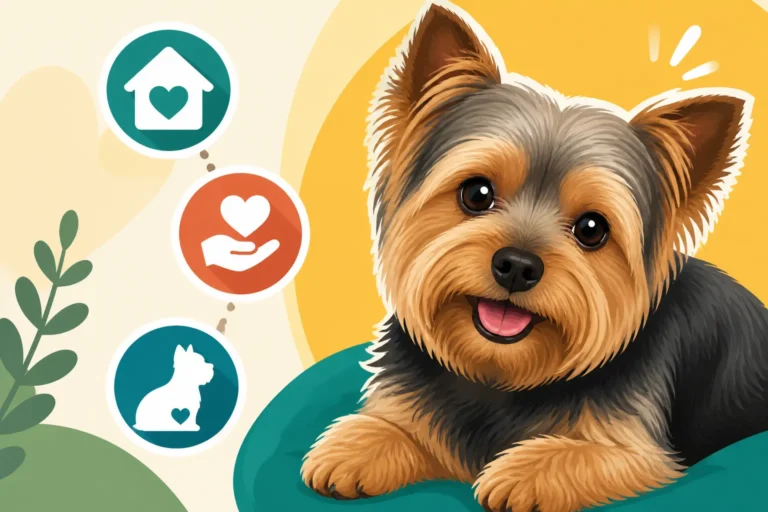
Yorkshire Terrier vs Shih Tzu
Choosing between a Yorkshire Terrier and a Shih Tzu can feel like an impossible decision, especially when you’re dreaming of welcoming a tiny, loving companion into your home. Both breeds are undeniably adorable, known for their compact size and endearing personalities, but they each bring a distinct set of traits to the table. This comprehensive guide will meticulously break down the differences and similarities between Yorkies and Shih Tzus, helping you navigate the nuances of their temperaments, grooming needs, health considerations, and more, so you can confidently determine which pint-sized pup is the perfect fit for your lifestyle.
Temperament and Personality Comparison
When it comes to the heart of any dog breed, their temperament and personality are often the most crucial factors in deciding if they’ll be a good match for your household. Both Yorkies and Shih Tzus are beloved for their affectionate nature, but they express it in wonderfully different ways, influenced by their historical roles and inherent traits.
Yorkshire Terrier Temperament
Yorkshire Terriers, despite their dainty appearance, carry the spirited heart of a true terrier. They were originally bred to hunt rats in textile mills, and that feisty, confident, and sometimes bossy attitude still shines through today. A Yorkie is often described as a "big dog in a small package." They are incredibly brave and don't back down easily, which can sometimes lead to them challenging much larger dogs if not properly socialized. They are fiercely loyal to their families, often forming a strong bond with one primary caregiver, though they extend their affection to everyone in the household. Their intelligence is undeniable, making them quick learners, but their independent streak means they can also be quite stubborn. Expect a Yorkie to be vocal; they are prone to barking at strangers, other animals, and anything they perceive as a threat to their territory, even if that territory is just your lap. This can be a charming trait for some, and a potential challenge for others, especially those living in apartments with close neighbors. For a deeper dive, check out our guide on Yorkshire Terrier Temperament and Personality.
Shih Tzu Personality
In stark contrast, the Shih Tzu, whose name means "little lion," was bred purely for companionship, historically pampered by Chinese royalty. This background is evident in their laid-back, outgoing, and undeniably charming disposition. Shih Tzus are true lap dogs, content to spend hours curled up beside their favorite people. They thrive on human interaction and are generally very friendly towards strangers and other pets, though early socialization is always beneficial. While they have a playful side, they lack the intense prey drive and independent spirit of the Yorkie. They are known for their sweet, affectionate, and sometimes comical personalities, often making people laugh with their antics. Unlike the vigilant Yorkie, a Shih Tzu is less likely to be a guard dog, often greeting newcomers with a wagging tail rather than a bark. They are generally more docile and patient, making them excellent companions for those seeking a calm, loving presence.
Social Dynamics and Compatibility
Considering how these two breeds interact with their environment and the beings within it is key. A Yorkie's natural suspicion of strangers and their protective instincts mean they require consistent socialization from a young age to ensure they grow into well-adjusted adults. Without it, they might become overly yappy or nippy when encountering new people or situations. They can get along with other dogs and even cats, but their bold nature means they might try to dominate larger animals, so supervision is crucial. Their robust personalities also mean they do best in homes where their human companions understand how to set clear boundaries and provide consistent training. They truly believe they are in charge, and without firm, positive guidance, they will happily take the reins of the household.
Shih Tzus, on the other hand, are generally much more adaptable and easygoing in social settings. Their primary goal is to be loved and to give love, making them excellent choices for multi-pet households or families that frequently host guests. They typically do well with other dogs, and their gentle nature means they often coexist peacefully with cats. While socialization is still important for a Shih Tzu puppy to ensure they are confident, it’s often about building their self-assurance rather than curbing an innate feistiness. They are less prone to separation anxiety than Yorkies, though they certainly prefer company. Their patient and forgiving demeanor also makes them a bit more tolerant of clumsy affection from children, provided the children are taught to interact gently with a small dog.
Physical Characteristics and Grooming Needs
Beyond their personalities, the physical attributes of a Yorkshire Terrier and a Shih Tzu also present significant differences, especially when it comes to their striking coats and the level of care they require to stay looking their best.
Size, Weight, and Appearance
Both Yorkies and Shih Tzus fall into the toy breed category, meaning they are small dogs, but there are subtle distinctions in their build and overall look. A Yorkshire Terrier is typically smaller and more finely boned. According to the American Kennel Club (AKC) breed standard, Yorkies usually weigh no more than 7 pounds (about 3.2 kg) and stand around 7-8 inches (18-20 cm) tall at the shoulder. They have a compact, well-proportioned body, a small, flat head, and V-shaped ears that stand erect. Their most distinctive feature is their long, silky, straight coat, which is traditionally steel blue and tan. This coat hangs elegantly to the floor when kept long, giving them a very refined, almost regal appearance. Their expressions are usually bright, intelligent, and inquisitive, often reflecting their curious and bold nature.
Shih Tzus tend to be a bit sturdier and heavier than Yorkies, though still very much a toy breed. The AKC standard for Shih Tzus specifies a weight range of 9-16 pounds (4-7.2 kg) and a height of 8-11 inches (20-28 cm) at the shoulder. They have a robust, solid body, a broad, round head, and characteristically large, dark eyes. Their muzzle is short, giving them a distinct "smushed" face, and their ears are long and droopy, blending into their lavish coat. The Shih Tzu’s tail curls proudly over their back, often adorned with a plume of hair. Their coat comes in a vast array of colors and patterns, and while long and flowing, it has a softer, often slightly wavy texture compared to the Yorkie’s straight silk. Their overall appearance is one of happy, cuddly charm.
Coat Type and Grooming Demands
This is where the distinction between the two breeds truly becomes apparent for most owners. Both breeds have hair rather than fur, which often means they are considered more suitable for people with allergies, but this also means their coats require significant maintenance.
The Yorkshire Terrier's long, silky coat, while beautiful, is high-maintenance. It's often compared to human hair because it grows continuously and lacks an undercoat. This type of coat is prone to tangles and mats if not brushed daily. Many Yorkie owners opt for a "puppy cut" or a shorter, more manageable style to reduce the daily grooming burden, but even then, regular brushing is essential. Without diligent care, mats can quickly form, causing discomfort and even skin issues. Beyond brushing, Yorkies need regular baths, often weekly or bi-weekly, using a good quality dog shampoo and conditioner to keep their coat clean and prevent dryness. Their topknot also needs to be tied up to keep hair out of their eyes, which is not just for aesthetics but to prevent irritation and improve their vision. For tips on at-home care, check out our guide on How to Groom a Yorkshire Terrier at Home.
The Shih Tzu’s luxurious double coat is equally, if not more, demanding. It’s long, dense, and requires daily brushing to prevent matting, especially around the ears, legs, and tail. The Shih Tzu's shorter muzzle can also lead to tear staining, which requires daily cleaning to prevent unsightly marks and potential skin irritation. Like Yorkies, many Shih Tzu owners choose to keep their dogs in shorter cuts, such as a "teddy bear cut" or a "kennel cut," to simplify grooming. However, even with a shorter cut, regular bathing and brushing are non-negotiable. Their facial hair also often needs to be trimmed or tied up to keep it out of their eyes. Because of their coat type, they can get quite hot in warm weather, so grooming plays an important role in their comfort. When stocking up on grooming essentials, many owners turn to retailers like Chewy for a wide selection of brushes, shampoos, and conditioners specifically designed for long-haired breeds.
Shedding and Hypoallergenic Qualities
Both Yorkshire Terriers and Shih Tzus are often touted as "hypoallergenic" breeds, which is a common misconception. No dog breed is truly 100% hypoallergenic, as allergies are triggered by dander (dead skin cells), saliva, and urine, not just hair. However, both breeds do shed minimally compared to many other dogs.
Yorkies, with their human-like hair, shed very little. Instead of shedding seasonally, their hair tends to fall out like human hair, often getting caught in their longer strands or during brushing. This means less loose hair floating around your home, which can be a significant plus for allergy sufferers. Regular grooming helps to remove these loose hairs before they can disperse.
Shih Tzus also shed very little for similar reasons. Their long, thick coat tends to trap any loose hair, which then comes out during brushing. This is why consistent, daily brushing is so crucial for Shih Tzus – it not only prevents mats but also helps to control any potential allergens. For individuals with mild pet allergies, both breeds can be good choices, but it's always recommended to spend time with the specific dog you are considering adopting to see if it triggers an allergic reaction.
Health and Lifespan Considerations
Just like humans, purebred dogs can be predisposed to certain health conditions. Understanding these potential issues for both Yorkshire Terriers and Shih Tzus is vital for responsible pet ownership and can help you prepare for the financial and emotional commitments involved in their care.
Common Health Concerns for Yorkies
Yorkshire Terriers are generally robust for their size, but they do have a propensity for several genetic and acquired health problems. One of the most common orthopedic issues is Yorkshire Terrier Patellar Luxation: Signs and Care, where the kneecap slips out of place, causing lameness. Another significant concern for Yorkies is tracheal collapse, a condition where the windpipe weakens and collapses, leading to a persistent cough, often referred to as a "goose honk" cough. You can learn more in our guide on Yorkshire Terrier Collapsing Trachea: Signs and Care.
Dental disease is also rampant in small breeds like Yorkies. Their tiny mouths can become overcrowded, leading to plaque and tartar buildup, gum disease, and tooth loss if not properly cared for. Regular veterinary dental cleanings and at-home dental care are crucial. Liver shunts (Portosystemic Shunt) are another serious genetic condition where blood bypasses the liver, preventing toxins from being filtered out. Yorkies, especially puppies, can also be prone to hypoglycemia (low blood sugar), which can be life-threatening if not addressed quickly. This is particularly relevant for very small or "teacup" Yorkies. Regular vet check-ups are paramount for detecting these issues early.
Typical Health Challenges for Shih Tzus
Shih Tzus, with their unique brachycephalic (short-nosed) facial structure, have their own set of common health concerns. Respiratory problems are frequent due to their compressed airways, which can lead to snoring, snorting, and difficulty breathing, especially in hot or humid weather. Heatstroke is a serious risk for Shih Tzus, so extreme care must be taken to keep them cool.
Eye problems are also very common in Shih Tzus. Their large, prominent eyes are susceptible to injuries, cataracts, corneal ulcers, and dry eye. Their short snout also means their eyes are less protected, making them more vulnerable. Yorkie Eye Problems Explained is a good read, as many of these eye issues can affect both breeds. Like Yorkies, Shih Tzus are prone to dental disease due to their small jaws. Additionally, they can suffer from hip dysplasia, a condition more commonly associated with larger breeds, and ear infections due to their long, floppy ears trapping moisture and debris. Regular cleaning of their ears is essential.
Lifespan and Senior Care
Both breeds generally enjoy a relatively long lifespan compared to larger dogs, typically ranging from 10 to 16 years, with many living even longer with proper care. A Yorkshire Terrier's average lifespan is often cited as 11-15 years, while a Shih Tzu's is typically 10-16 years. Good nutrition, regular exercise, preventative veterinary care, and a loving environment are key to maximizing their years. For an in-depth look at this, our guide on How Long Do Yorkshire Terriers Live offers valuable insights.
As both breeds age, they may face age-related health issues, including arthritis, declining vision or hearing, and cognitive dysfunction. Senior Yorkies and Shih Tzus will benefit from softer beds, easily accessible food and water bowls, and a consistent routine. Your veterinarian may recommend specific diets or supplements to support joint health or address other age-related conditions. Regular senior check-ups, often twice a year, become even more crucial to monitor their health closely and catch any problems early. Creating a comfortable, safe, and predictable environment is key to ensuring their golden years are as happy and healthy as possible.
Training and Intelligence
When it comes to training, both Yorkshire Terriers and Shih Tzus can present unique challenges and rewards. Their inherent intelligence and specific personality traits dictate how quickly and effectively they pick up commands and house rules.
Trainability and Intelligence Levels
Yorkshire Terriers are highly intelligent dogs, capable of learning a wide array of commands and tricks. Their intelligence, combined with their terrier tenacity, means they excel in obedience and even dog sports like agility. However, their independent and sometimes stubborn nature can make training a test of patience and consistency. Yorkies respond best to positive reinforcement methods, where desired behaviors are rewarded with treats, praise, or toys. Harsh corrections or punishment can make them shut down or become more resistant. Early socialization and puppy classes are incredibly beneficial to harness their intelligence and channel their energy positively. Without consistent training, their "big dog" personality can lead to unwanted behaviors like excessive barking or territorial aggression.
Shih Tzus are also intelligent, though perhaps in a different way. They are keenly observant and capable of learning commands, but they might not have the same eager-to-please drive as some breeds. Their primary motivation is often comfort and companionship, so if a command isn't immediately rewarding or doesn't seem to serve their personal interests (like getting more cuddles), they might take a "what's in it for me?" attitude. They are generally more docile and less stubborn than Yorkies, making them quite receptive to gentle, consistent training. Like Yorkies, positive reinforcement works best, leveraging their love for treats and affection. Their intelligence often manifests in clever ways to get attention or manipulate situations for their own comfort, so owners need to be smart and consistent to avoid inadvertently teaching them bad habits.
Potty Training and Behavioral Quirks
This is often the biggest hurdle for owners of both small breeds, and honestly, it can be a source of significant frustration. Both Yorkies and Shih Tzus are notoriously difficult to potty train. Their small bladders mean they need to go frequently, and their tiny size makes it easy for them to "disappear" to relieve themselves indoors without you noticing. Our guide on Why Is My Yorkie So Hard to Potty Train explores this challenge in depth.
For Yorkies, their stubbornness can play a role. They might understand where to go but decide they prefer to go on a soft rug rather than brave the cold outdoors. Consistency, a strict schedule, and positive reinforcement are absolutely vital. Crate training can be very effective, as dogs generally don't like to soil their sleeping areas. Pee pads can be a helpful tool, especially for apartment dwellers or during inclement weather, but they can also prolong outdoor training if not phased out strategically.
Shih Tzus, while less stubborn, can also struggle with potty training due to their small size and sometimes less urgent need to please their owner in this particular aspect. Their luxurious coats can also hide accidents, making them harder to detect quickly. The same principles apply: a consistent routine, immediate rewards for outdoor success, and careful supervision indoors. Patience is truly a virtue when potty training either of these charming but challenging breeds.
Dealing with Stubbornness and Barking
Both breeds can exhibit behaviors that test an owner's patience, though for different reasons.
Yorkies, due to their terrier heritage, can be quite stubborn and prone to excessive barking. They are alert and vocal, often barking at passersby, doorbells, or anything new in their environment. This can be exacerbated by "small dog syndrome" where their owners inadvertently allow them to get away with behaviors they wouldn't tolerate from a larger dog. Addressing barking requires understanding the trigger and then applying consistent training. The "quiet" command, desensitization to triggers, and ensuring they get enough mental and physical stimulation can help. Their stubbornness means you need to be more persistent than they are, using firm but gentle leadership.
Shih Tzus are generally less prone to excessive barking than Yorkies, but they will certainly bark to alert you to visitors or if they are bored or seeking attention. Their stubbornness is usually expressed more passively, like simply choosing to ignore a command rather than actively defying it. They can also be prone to "demand barking" if they learn that barking gets them what they want. For Shih Tzus, managing barking often involves ignoring attention-seeking barks and rewarding quiet behavior. Both breeds benefit immensely from early and consistent training, clear boundaries, and plenty of positive interaction to shape their behavior in desirable ways.
Exercise Requirements and Activity Levels
Understanding the energy levels and exercise needs of a potential pet is crucial for ensuring a harmonious relationship. While both Yorkies and Shih Tzus are small, their activity preferences differ, stemming from their original purposes.
Daily Exercise Needs
Despite their energetic personalities, Yorkshire Terriers are a small breed and do not require extensive exercise. About 20-30 minutes of daily activity, broken into a couple of short walks or play sessions, is usually sufficient. This might include a brisk walk around the block, some playtime in a secure yard, or engaging in indoor games like fetch or hide-and-seek. Yorkies love to explore and can be quite curious, so varied walks where they can sniff and investigate their surroundings are often more mentally stimulating than just a quick trot. Because of their small size and delicate bones, care must be taken during exercise to protect them from accidental injury, especially from larger dogs or boisterous children. While they enjoy going outside, they are not built for long hikes or strenuous activities.
Shih Tzus are even less demanding when it comes to exercise. They are perfectly content with short, leisurely strolls and plenty of indoor playtime. Around 15-20 minutes of light exercise per day is typically enough to keep them happy and healthy. Their brachycephalic (short-nosed) structure means they can easily overheat and have difficulty breathing during strenuous activity, especially in warm weather. Therefore, short walks in the morning or evening are preferable, and extended play should always be supervised to prevent overexertion. Mental stimulation through puzzle toys and interactive games is also important to keep their minds engaged, as they are intelligent dogs who can get bored.
Indoor vs. Outdoor Activities
Both breeds are primarily indoor dogs, thriving on human companionship and relatively protected from the elements.
Yorkies, while loving their outdoor walks, are not suited to living outdoors or being left unsupervised for extended periods in a yard. Their small size makes them vulnerable to predators, and their fine coat doesn't offer much protection against extreme temperatures. They love to play indoors, chasing toys, engaging in tug-of-war, or simply shadowing their human companions from room to room. Indoor obstacle courses or games that tap into their terrier intelligence can be highly engaging. They are perfectly happy being active within the confines of a home or apartment, as long as they get their daily dose of outdoor sniffing and a chance to stretch their legs.
Shih Tzus are truly designed for indoor living. Their short snouts make them particularly susceptible to heatstroke, and their long coats can become easily tangled and dirty outdoors. A securely fenced yard is appreciated for supervised potty breaks and a bit of sunbathing, but they are not the type of dog to spend hours romping outside. Indoor playtime is their preferred mode of exercise, whether it's chasing a soft toy, wrestling gently with a family member, or engaging in calm cuddle sessions. Their affectionate nature means they prefer being wherever their humans are, making them excellent companions for those who enjoy a more sedentary lifestyle.
Suitability for Apartment Living
Here’s where both the Yorkshire Terrier and the Shih Tzu truly shine. Both breeds are exceptionally well-suited for apartment living, making them ideal companions for urban dwellers or those with smaller homes.
Yorkies, despite their sometimes-loud barks, are small enough to adapt easily to apartment life. As long as their exercise needs are met with daily walks and indoor play, they do not require a large yard. However, their tendency to bark at sounds or strangers can be a consideration for apartment residents with shared walls. Training to curb excessive barking is essential. Their portable size also means they are easy to transport, whether in a carrier for public transit or a bag for a quick trip to a pet-friendly cafe.
Shih Tzus are arguably one of the best apartment dogs out there. Their low exercise requirements and generally quiet nature (compared to a Yorkie) mean they fit perfectly into smaller living spaces. They are content with short walks and indoor play, and their primary desire is to be close to their family. Their gentle demeanor and adaptability make them excellent companions for singles, couples, or seniors living in apartments, as they don't demand much space or high-intensity activities. Their easygoing nature means they're less likely to be disruptive neighbors, provided they receive enough attention and enrichment. For a wide range of essential pet supplies suited for apartment living, from cozy beds to mental stimulation toys, pet parents often find what they need on Chewy.
| Feature | Yorkshire Terrier | Shih Tzu |
|---|---|---|
| Temperament | Confident, feisty, loyal, sometimes stubborn, vocal | Affectionate, outgoing, playful, calm, charming |
| Size/Weight | Up to 7 lbs (3.2 kg), 7-8 inches (18-20 cm) | 9-16 lbs (4-7.2 kg), 8-11 inches (20-28 cm) |
| Coat Type | Long, silky, straight hair, no undercoat | Long, dense double coat, soft, often wavy |
| Grooming Needs | Daily brushing, regular baths, topknot maintenance | Daily brushing, regular baths, facial hair care |
| Shedding | Minimal (hair falls out like human hair) | Minimal (hair trapped in coat) |
| Hypoallergenic? | Considered 'low-allergen' | Considered 'low-allergen' |
| Health Concerns | Patellar luxation, tracheal collapse, dental disease, liver shunts, hypoglycemia | Brachycephalic syndrome, eye problems, dental disease, hip dysplasia, ear infections |
| Lifespan | 11-15 years | 10-16 years |
| Exercise Needs | 20-30 minutes daily (short walks, indoor play) | 15-20 minutes daily (light walks, indoor play) |
| Barking Tendency | High (alert, territorial) | Moderate (alert, attention-seeking) |
| Potty Training | Can be challenging, requires consistency | Can be challenging, requires consistency |
| Good with Kids | Better with older, respectful children | Generally good with gentle children |
| Apartment Living | Excellent (needs barking managed) | Excellent |
Family and Living Environment Suitability
The ideal home for a Yorkie might not be the same as for a Shih Tzu, even with their many similarities as toy breeds. Their distinct personalities and physical needs make them better suited to different family dynamics and living situations.
Compatibility with Children and Other Pets
When it comes to children, it’s often said that Yorkies are generally better suited for homes with older, more considerate children who understand how to interact gently with a small dog. Their delicate bones make them vulnerable to accidental injury from rough play, and their terrier temperament means they might nip if they feel threatened or handled roughly. A Yorkie's bold nature means they may not tolerate being poked or pulled and might react defensively. Proper socialization from a young age is crucial for a Yorkie to be comfortable around kids. With patient, supervised interactions, they can be wonderful family members, but their small size always demands caution.
Shih Tzus, owing to their patient and docile nature, are generally considered to be quite good with children, provided the children are taught to be respectful and gentle. They are more tolerant of a child's enthusiastic affection and less likely to react defensively than a Yorkie. However, like Yorkies, their small size means they are still delicate and can be easily injured by rough handling. Supervision is always essential to ensure both the dog's and the child's safety. Many families find the Shih Tzu's calm demeanor and desire for cuddles make them an excellent choice for a family pet, particularly those with slightly older children.
As for other pets, Yorkies can coexist with other dogs and cats, but their feisty spirit often means they'll try to assert dominance, even over much larger animals. Proper introductions and supervision are key to preventing conflicts. They often do well with a canine companion of a similar size or temperament who won't be intimidated by their bossy streak. Shih Tzus, on the other hand, are typically very amiable and generally get along well with other dogs and cats. Their easygoing nature means they’re more likely to accept a new pet into the household with minimal fuss. They appreciate companionship, so having another calm, gentle pet can be a bonus for a Shih Tzu.
Living in Apartments vs. Houses
As discussed in the exercise section, both breeds are exceptionally well-suited for apartment living due to their small size and relatively low exercise needs. However, the nuances of their personalities can subtly shift which might be a better fit for a specific apartment environment.
A Yorkshire Terrier can thrive in an apartment, provided their barking tendency is managed through consistent training. If you have neighbors in close proximity, a Yorkie's habit of alerting you to every sound could become an issue. They need daily walks and indoor play, but a large yard isn't a necessity. The biggest consideration for apartment living with a Yorkie will often be managing their vocal nature and ensuring they don't develop separation anxiety, which can also manifest as barking when left alone. For guidance on this, our post on Yorkshire Terrier Separation Anxiety Solutions might be helpful.
A Shih Tzu is an almost perfect apartment dweller. Their generally calmer disposition and lower barking tendencies make them less likely to disturb neighbors. Their minimal exercise requirements are easily met with short walks around the block or indoor games. They are content to be near their human companions and don't require extensive outdoor space. For individuals or families in apartments looking for a loving, low-key companion, a Shih Tzu often fits the bill beautifully without many of the potential noise concerns a Yorkie might bring.
First-Time Owners and Seniors
For first-time dog owners, the choice between these two breeds really comes down to what kind of temperament they are prepared to handle.
The Yorkshire Terrier, while small and adorable, can be a challenge for an inexperienced owner. Their terrier personality, stubbornness, and potential for excessive barking and "small dog syndrome" require a confident, consistent approach to training and socialization. A first-time owner who is prepared to commit to consistent positive reinforcement training and firm leadership can certainly succeed with a Yorkie, but it will require dedication. They are not a "set it and forget it" breed. Learning How to Train a Yorkshire Terrier effectively is crucial for a first-timer.
The Shih Tzu is often recommended as a better choice for first-time dog owners. Their more docile and adaptable nature makes them generally easier to train and manage. They are less demanding in terms of exercise and often more forgiving of minor training inconsistencies. Their primary desire to be a loving companion makes them eager to please, even if sometimes a bit leisurely about it. For someone new to dog ownership, the Shih Tzu’s affectionate and relatively low-maintenance personality (beyond grooming) can be a more rewarding and less overwhelming experience.
For seniors, both breeds can be wonderful companions, but again, the Shih Tzu often has a slight edge. Their lower energy levels, eagerness for lap time, and generally calm demeanor make them ideal for seniors looking for a devoted friend. The Yorkie can also be a great companion for seniors, but their more active and vocal nature might be a bit much for some. Both breeds are portable, making them easy to take to the vet or on outings, and their deep bond with their owners makes them excellent emotional support animals.
Disclaimer
This article is intended for informational purposes only and does not constitute veterinary advice. Always consult with a qualified veterinarian for any health concerns or before making any decisions about your pet's health or care.