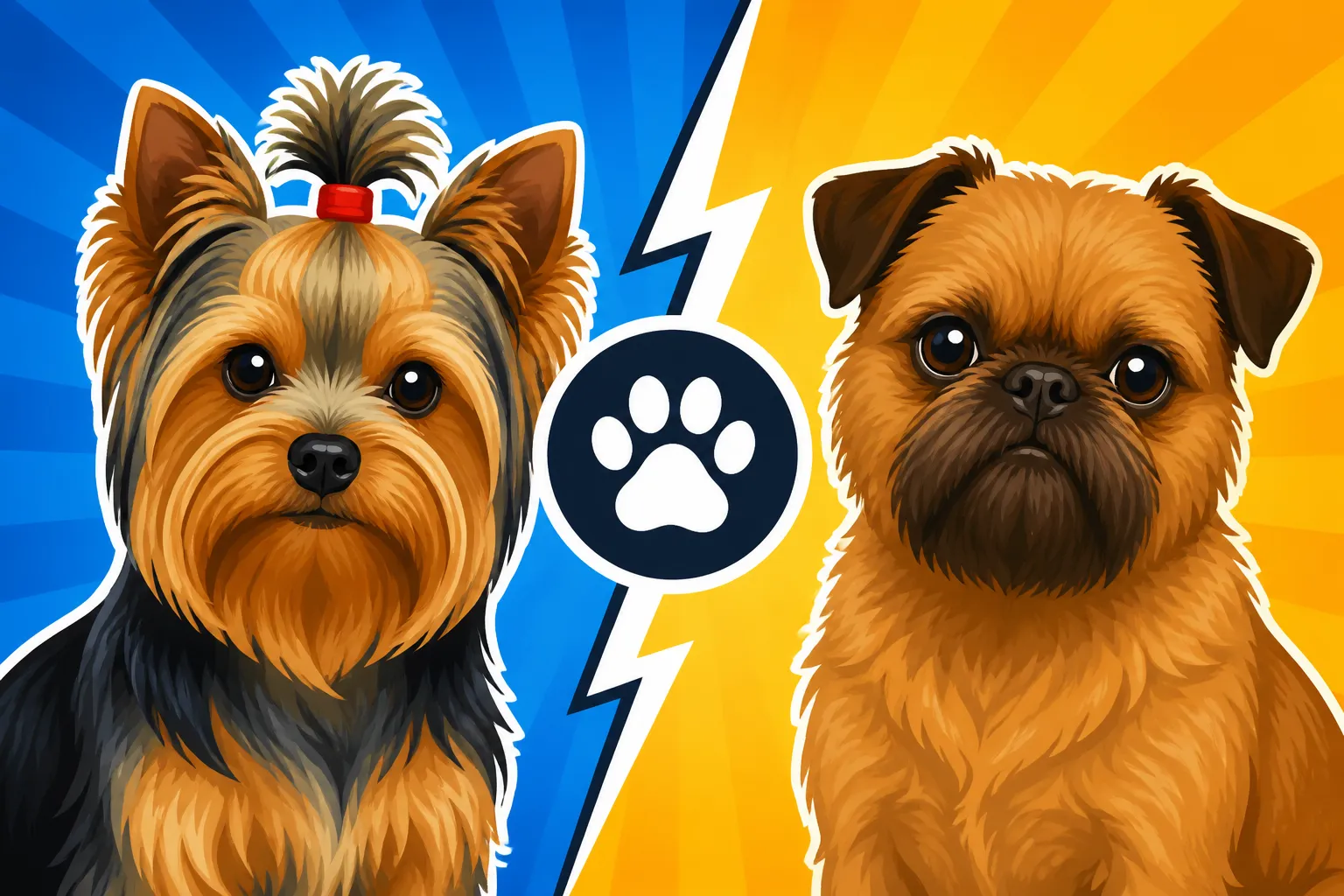
Yorkshire Terrier vs Brussels Griffon: Which Is Better
Deciding between two wonderful toy breeds like the Yorkshire Terrier and the Brussels Griffon can feel like an impossible task, especially when you're dreaming of bringing a furry companion into your home. It’s easy to get caught up in their undeniable cuteness, but understanding their distinct personalities, care needs, and health considerations is key to ensuring a happy match. This guide will walk you through a detailed comparison, helping you discover which of these delightful dogs truly aligns with your lifestyle.
Unpacking Their Unique Temperaments and Personalities
When it comes to small dogs, it's often surprising how much personality can be packed into a tiny package. Both Yorkshire Terriers and Brussels Griffons are renowned for their big attitudes, but the flavor of that attitude is quite different. Understanding these core temperamental distinctions is often the most critical factor in choosing the right companion.
The Spirited Yorkshire Terrier
Yorkshire Terriers are, without a doubt, a breed that demands attention and respect. They carry themselves with an air of self-importance, often oblivious to their miniature stature. Many owners affectionately describe them as having a "big dog in a small body" syndrome, and it's a remarkably accurate assessment. They are confident, often bold, and possess a tenacious spirit that traces back to their ratting terrier ancestry. This means they can be quite independent and, if not properly guided, even a bit bossy.
These little dynamos are incredibly loyal to their chosen people, often forming a strong, singular bond that can sometimes border on possessiveness if not socialized correctly. They thrive on companionship and being part of family activities, but they aren't typically the type to sit quietly on your lap all day long. They love to be involved, to explore, and to make their opinions known, whether through a sassy glance or a determined bark. If you're looking for a dog with a vibrant, take-charge personality who will always keep you on your toes and make you laugh, the Yorkie might just be your soulmate. For a deeper dive, check out our article on Yorkshire Terrier Temperament and Personality.
The Expressive Brussels Griffon
In contrast, the Brussels Griffon is often described as a true "velcro dog." They are incredibly sensitive, intensely loyal, and famously devoted to their humans. Unlike the Yorkie's bold independence, Griffons often crave constant companionship and are happiest when they are physically close to their owners. They are known for their intelligent, almost human-like expressions, which range from questioning gazes to outright comical grimaces, earning them the nickname "dog with a human face."
Brussels Griffons tend to be more playful and clownish than Yorkies, often delighting in silly antics to entertain their family. They are highly intelligent but can also be quite sensitive, meaning they respond best to gentle, positive reinforcement training methods. Because of their strong need for companionship, they are very prone to developing Yorkshire Terrier Separation Anxiety Solutions if left alone for extended periods. If you're someone who is home a lot, desires a dog that will be your constant shadow, and enjoys a pet with a wonderfully quirky, expressive personality, a Brussels Griffon could be an ideal match.
Physical Traits and Grooming Demands
While both breeds are undeniably small and adorable, a closer look reveals significant differences in their physical appearance and, consequently, their grooming needs. These distinctions are not just aesthetic; they impact the daily care and maintenance you'll need to provide.
Yorkshire Terrier's Silky Coat and Petite Frame
Yorkshire Terriers typically weigh between 4 to 7 pounds and stand about 7-8 inches tall at the shoulder. Their most defining physical characteristic is their long, flowing, silky coat, which is often described as resembling human hair rather than traditional dog fur. This luxurious coat, usually a beautiful steel blue and tan, is considered low-shedding and is often thought to be a good option for people with allergies, though no dog is truly 100% hypoallergenic. The texture is fine and delicate, prone to tangling if not meticulously cared for.
Caring for a Yorkie's coat is a significant commitment. Daily brushing is absolutely essential to prevent mats and tangles, especially if you choose to keep their coat long. Many owners opt for a shorter "puppy cut" to reduce the intensity of grooming. Regular bathing, usually every 2-3 weeks with a gentle shampoo, is also necessary to keep their coat clean and healthy. Don't forget their delicate teeth; Yorkies are notoriously prone to dental issues, so daily brushing and appropriate dental chews, which you can easily find at retailers like Chewy, are crucial. For a complete overview, delve into our Yorkshire Terrier Grooming Guide.
Brussels Griffon's Distinctive Look and Coat Varieties
Brussels Griffons are also small dogs, typically weighing between 8 to 12 pounds and standing about 7-10 inches tall. What truly sets them apart visually is their distinctive, often comical facial structure, characterized by a short nose, prominent chin, and large, expressive eyes. They come in two primary coat types: rough and smooth. The rough-coated Griffon has a dense, wiry coat with a characteristic "beard" and "mustache" that gives them their unique, often grumpy-yet-lovable expression. The smooth-coated Griffon has a short, glossy coat, similar to a Pug's.
Grooming demands vary depending on the coat type. Rough-coated Griffons require regular hand-stripping (not clipping) to maintain the texture and color of their coat, typically every 3-4 months, in addition to weekly brushing to remove loose hair and prevent mats in their facial furnishings. Smooth-coated Griffons are much lower maintenance, needing only weekly brushing and occasional baths. Both types require regular nail trims and ear cleaning. Like Yorkies, they are also prone to dental problems, so a consistent dental hygiene routine is important.
Here's a quick comparison of their physical traits and grooming:
| Feature | Yorkshire Terrier | Brussels Griffon |
|---|---|---|
| Size & Weight | 4-7 lbs, 7-8 inches tall | 8-12 lbs, 7-10 inches tall |
| Coat Type | Long, silky, fine hair | Rough (wiry) or Smooth (short, glossy) |
| Shedding | Low (less dander) | Low to moderate (depends on coat type) |
| Grooming Frequency | Daily brushing, regular professional trims | Weekly brushing, rough coats need hand-stripping |
| Facial Features | Small, delicate face, alert expression | Short nose, prominent chin, "beard" (rough coat) |
| Allergy-Friendly? | Often considered "hypoallergenic" (low dander) | Less so than Yorkies, smooth coats shed more |
Health and Lifespan Considerations
Understanding the potential health challenges of any breed is paramount before bringing them into your home. Both Yorkshire Terriers and Brussels Griffons are generally healthy dogs, but like all purebreds, they are predisposed to certain genetic and breed-specific conditions. Being aware of these can help you provide preventative care and recognize signs of trouble early on.
Common Health Concerns in Yorkshire Terriers
Yorkshire Terriers are known for a few key health issues that potential owners should be mindful of. One of the most prevalent is Yorkshire Terrier Patellar Luxation: Signs and Care, where the kneecap slips out of place, causing limping or difficulty walking. Another common concern is Yorkshire Terrier Tracheal Collapse: Signs and Care, a progressive weakening of the windpipe that can lead to a distinctive honking cough, especially under excitement or exertion.
Beyond structural issues, Yorkies can also be prone to certain metabolic and neurological conditions. Yorkshire Terrier Hypoglycemia: Signs and Care (low blood sugar) is particularly common in puppies and smaller adults, often linked to irregular feeding or stress. Liver shunts, specifically portosystemic shunts, are another serious genetic condition where blood bypasses the liver, leading to a buildup of toxins. Regular vet check-ups are essential, and early diagnosis is crucial for managing these conditions. A well-cared-for Yorkie typically lives for 11 to 15 years, so understanding their potential health challenges contributes significantly to their overall lifespan. For a broad overview, you might find our article on Yorkshire Terrier Health Problems to Know very helpful.
Brussels Griffon Health Vulnerabilities
Brussels Griffons also have their share of breed-specific health concerns, some of which are unique to their distinctive physical structure. As a brachycephalic (short-nosed) breed, they can suffer from brachycephalic airway syndrome, which includes narrowed nostrils and an elongated soft palate, leading to breathing difficulties, especially in hot weather or during strenuous exercise. You might notice them snorting, snoring, or having trouble catching their breath.
Their large, prominent eyes make them susceptible to various Yorkie Eye Problems Explained and injuries, including cataracts, progressive retinal atrophy, and corneal ulcers. Additionally, like Yorkies, they can also experience patellar luxation. A less common but severe neurological condition seen in Griffons is syringomyelia, a disorder of the brain and spinal cord that can cause pain and neurological symptoms. The average lifespan for a Brussels Griffon is typically 10 to 15 years. Responsible breeding practices and vigilant veterinary care are vital for both breeds to ensure the longest, healthiest life possible for your beloved pet.
Training, Exercise, and Living Environment
Bringing a new dog into your home means integrating them into your daily life. How well a breed's needs for training, exercise, and living space align with your own lifestyle can make all the difference in a harmonious relationship. Both Yorkies and Brussels Griffons are small, adaptable dogs, but their specific requirements do vary.
Training the Clever Yorkshire Terrier
Yorkshire Terriers are intelligent dogs, but their intelligence often comes with a strong will and a dash of stubbornness. This can make training them a rewarding but sometimes challenging endeavor. They respond best to consistent, positive reinforcement methods, but you need to be firm and clear with your commands, otherwise, their independent streak might lead them to believe they are in charge. Potty training can be a particular frustration for Yorkie owners, as these small dogs have tiny bladders and can be resistant to harsh training. Patience and consistency, perhaps using pee pads or frequent outdoor breaks, are key.
Their exercise needs are moderate. While they love a good walk or playtime in a secure yard, they don't require hours of strenuous activity. Daily walks, indoor games, and mental stimulation through puzzle toys are usually sufficient. Due to their small size and delicate bone structure, they are not suited for homes with very young, boisterous children who might accidentally injure them. However, they can thrive as Are Yorkshire Terriers Good Family Dogs with respectful older children. Yorkies are wonderfully adaptable to apartment living, provided they get their daily walks and mental engagement. Our guide on How to Train a Yorkshire Terrier offers comprehensive tips for success.
Engaging the Affectionate Brussels Griffon
Brussels Griffons are also intelligent and generally eager to please their owners, which can make them relatively easy to train with the right approach. However, their sensitive nature means they absolutely do not tolerate harsh corrections or scolding. Positive reinforcement, gentle coaxing, and making training feel like a fun game will yield the best results. They are often quick learners and can excel in obedience and even dog sports like agility, but their attention span might be shorter if they don't feel engaged.
Their exercise needs are also moderate. They enjoy walks, but they are also very content with indoor playtime, chasing toys, and engaging in interactive games with their family. Because they are so attached to their humans, their primary form of "exercise" is often simply being with you and participating in your daily activities. As previously mentioned, their strong need for companionship makes them prone to separation anxiety, so if you have a demanding work schedule, this might not be the ideal breed for you. They are excellent Yorkshire Terrier as Apartment Dogs and generally do well with older, considerate children and even other pets, as long as they are introduced properly.
Making Your Decision
Choosing between a Yorkshire Terrier and a Brussels Griffon ultimately comes down to understanding which breed's unique blend of personality, physical care, and health considerations best fits your life. Both are incredible companions, but they offer different experiences.
If you're drawn to a dog with a bold, feisty, and somewhat independent spirit who will be fiercely loyal to you and keep you constantly entertained with their confident antics, the Yorkshire Terrier might be calling your name. Be prepared for a significant grooming commitment, particularly if you love their long, flowing coat, and remember their potential for specific health issues like patellar luxation and tracheal collapse.
On the other hand, if you dream of a devoted, sensitive, and comically expressive "velcro dog" who thrives on constant companionship and will shower you with affection, the Brussels Griffon could be your perfect match. You'll need to be mindful of their brachycephalic traits and potential eye issues, but their adaptable and loving nature makes them a wonderful addition to many homes, especially where someone is usually present.
No matter which delightful breed you lean towards, remember that responsible ownership involves providing proper nutrition (many owners find great specialized foods on Chewy), regular veterinary care, consistent training, and, most importantly, endless love and attention. Reflect on your daily routine, your patience level for grooming and training, and how much time you can truly dedicate to your furry friend. The right choice will bring years of joy and companionship.
Disclaimer
The information provided in this article is for general informational purposes only and is not a substitute for professional veterinary advice. Always consult with a qualified veterinarian for any health concerns or before making any decisions related to your pet's health or treatment.