Biewer Terrier vs Yorkshire Terrier
Choosing between two adorable, spirited toy breeds like the Biewer Terrier and the Yorkshire Terrier can feel like a wonderfully challenging puzzle. Many prospective pet parents find themselves utterly charmed by both, but also a little overwhelmed trying to figure out the real differences beyond just a pretty coat. It’s a common frustration to see them lumped together, when in reality, while closely related, they each bring their own unique nuances to the table. This guide aims to unravel those distinctions, helping you understand what makes each breed special and which might be the perfect fit for your family.
A Tale of Two Terriers: Understanding Their Shared Heritage
When you look at a Biewer Terrier and a Yorkshire Terrier side-by-side, it's easy to see the family resemblance. They both possess that undeniably charming terrier spark, those bright, intelligent eyes, and a confident strut that belies their small stature. This isn't just a coincidence; the Biewer Terrier actually originated from the Yorkshire Terrier, making them cousins in the canine world. Understanding this shared lineage is key to appreciating their similarities and recognizing where their paths diverged.
The Yorkshire Terrier's Esteemed History
The Yorkshire Terrier, affectionately known as the Yorkie, boasts a rich and fascinating history that dates back to the mid-19th century in — you guessed it — Yorkshire, England. These plucky little dogs were originally bred by working-class weavers and miners to catch rats in mills and mines. Despite their diminutive size, they were renowned for their tenacity, courage, and keen hunting instincts. Over time, their striking beauty, luxurious long coats, and charming personalities captured the hearts of Victorian ladies, transforming them from working dogs into fashionable companions for the elite. This transition cemented their status as a beloved lapdog, though they never truly lost that feisty, confident terrier spirit. Their lineage is well-documented, a testament to decades of careful breeding and development, establishing them as one of the most popular toy breeds globally. If you're curious about their journey, our comprehensive Yorkshire Terrier History and Origins guide dives deep into their past.
The Biewer Terrier's Recent Recognition
The Biewer Terrier's story is much more recent, beginning in Germany in the late 1980s. It all started with Gertrude and Werner Biewer, Yorkshire Terrier breeders who, quite unexpectedly, had a puppy born with unique white markings on its traditional blue and gold coat. This "parti-color" Yorkie, as it was initially called, was the result of a recessive gene in their breeding line. Enchanted by this striking new look, the Biewers decided to selectively breed these parti-colored puppies, eventually creating a distinct line. For years, they were known as Biewer Yorkshire Terriers, but as their popularity grew, particularly in America, there was a movement to recognize them as a separate breed. This came to fruition when the Biewer Terrier achieved full recognition by the American Kennel Club (AKC) in 2021, a monumental step that officially distinguished them from their Yorkshire Terrier ancestors. This journey from a spontaneous genetic variation to an internationally recognized breed highlights a fascinating chapter in canine history and underscores the dedicated efforts of breeders to develop and standardize their unique traits.
Head-to-Tail Differences: Appearance and Physical Traits
While their shared ancestry means a lot of physical commonalities, the Biewer Terrier and Yorkshire Terrier do have distinct appearance standards that set them apart. These differences, though sometimes subtle, are important for understanding what defines each breed and what to expect when you bring one into your home. It’s not just about the color, though that’s often the first thing people notice!
Coat Color and Texture Variations
This is arguably the most obvious and defining difference between the two breeds.
-
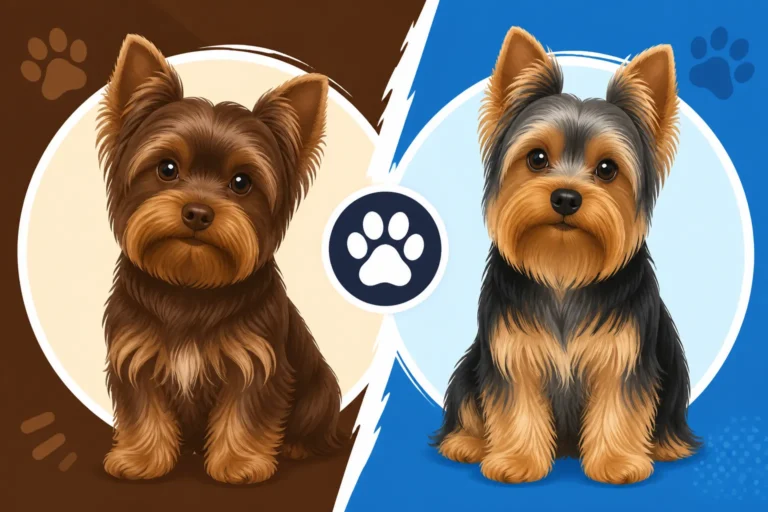
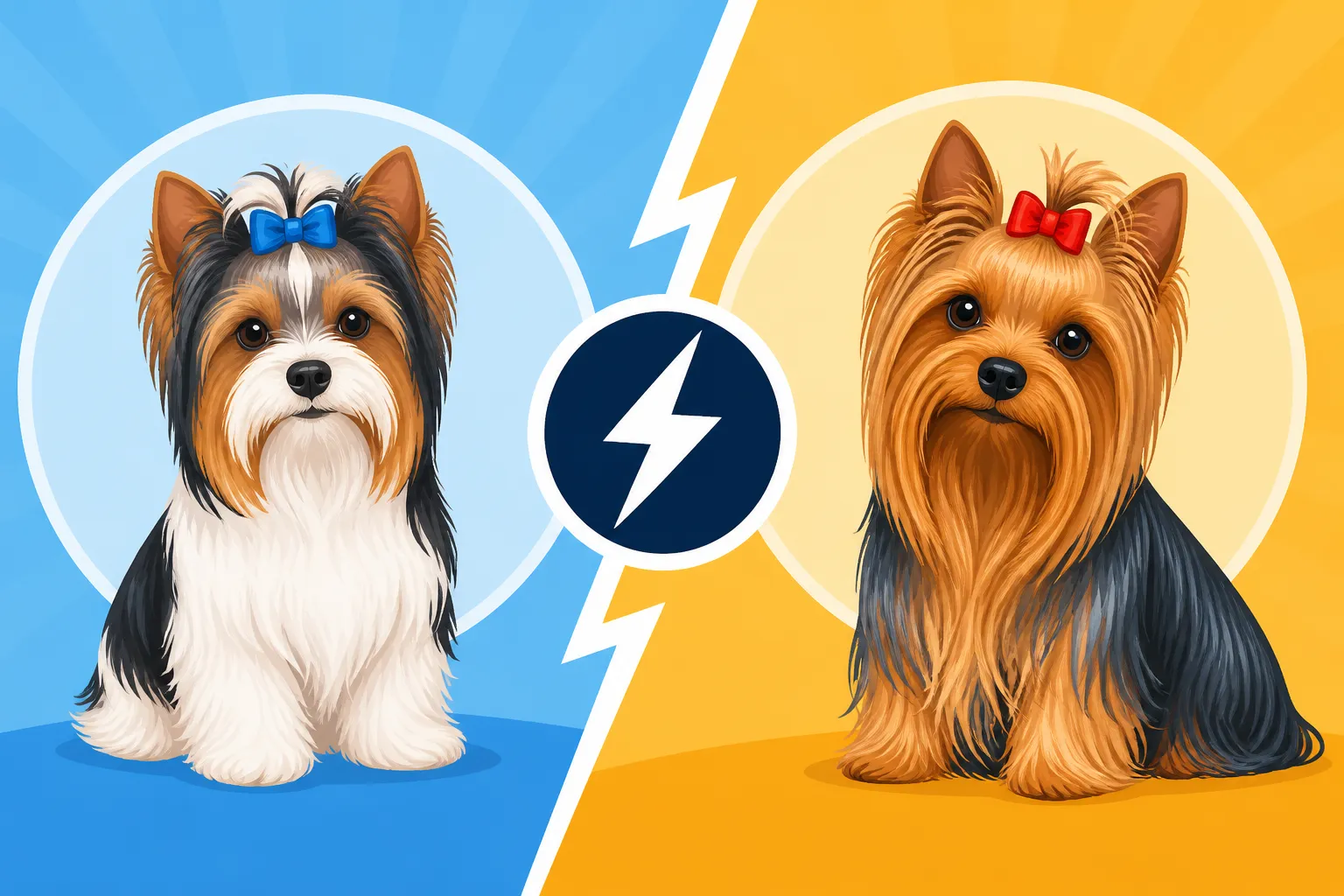
Yorkshire Terrier Coat: The traditional Yorkshire Terrier is known for its classic blue and tan (or blue and gold) coat. This means a steel blue on the body and tail, and a rich, golden tan on the head, chest, and legs. The coat is long, silky, and fine, resembling human hair more than typical dog fur. It doesn't have an undercoat, which is why they are often considered a good choice for people with allergies, though no dog is truly 100% hypoallergenic. The standard calls for specific color distribution, and deviation from this (like significant white markings) would disqualify a Yorkie from the show ring, though it doesn't affect them as a wonderful pet. Many owners opt for a Yorkie Puppy Cut: What to Know to make daily grooming more manageable.
-
Biewer Terrier Coat: This is where the Biewer truly shines with its unique tri-color pattern. The Biewer Terrier’s coat is typically white, black, and tan (or gold). Specifically, you'll see patches of blue/black and white on the body, with gold/tan markings on the head. The desired pattern usually involves a symmetrical head coloring of white, black/blue, and gold/tan. Like the Yorkie, their coat is long, silky, and flowing, also lacking an undercoat. This means similar grooming requirements and allergen-friendly qualities. The vibrant contrast of colors is their hallmark, a visual treat that instantly differentiates them from their solid blue and tan relatives. Both breeds require diligent grooming to keep their long coats healthy and free from mats. Many pet parents find great grooming tools and products from places like Chewy, which offers a wide selection for maintaining their beautiful hair.
Size and Build: Subtle Distinctions
While both are firmly in the "toy breed" category, there can be slight variations in their size and overall build.
-
Yorkshire Terrier Size: According to the American Kennel Club (AKC) breed standard, Yorkshire Terriers typically weigh no more than 7 pounds (about 3.2 kg). Their height is generally around 7-8 inches (18-20 cm) at the shoulder. They possess a compact, well-proportioned body, giving them a sturdy yet elegant appearance. This small stature means they can thrive in apartments and are easy to travel with, but it also makes them quite delicate, requiring careful handling. Our Yorkshire Terrier Size, Weight, and Appearance guide offers more details on what to expect as your puppy grows.
-
Biewer Terrier Size: The Biewer Terrier also falls into a similar size range. The breed standard for the Biewer typically states a weight of 4 to 8 pounds (1.8-3.6 kg) and a height of 7 to 11 inches (18-28 cm) at the shoulder. This slightly larger range in height can mean some Biewers might appear a touch more "leggy" than some Yorkies, though individual variations exist within both breeds. They also have a delicate, compact build, reflecting their shared heritage. Both breeds, due to their small size, are susceptible to injuries if not handled properly, especially as puppies or around larger dogs and active children.
Distinctive Facial Features
Beyond coat color, there are also some subtle differences in their facial characteristics.
-
Yorkshire Terrier Facial Features: Yorkies often have a more defined, sharp expression, with bright, dark, medium-sized eyes that are not prominent. Their ears are typically small, V-shaped, and carried erect, though sometimes they might droop slightly in puppies before fully standing. Their black nose and scissor bite are also characteristic. The hair on their head is usually long and can be tied up in a topknot to keep it out of their eyes, a classic Yorkie look.
-
Biewer Terrier Facial Features: Biewers share many of these characteristics, including bright, expressive eyes and a black nose. Their V-shaped ears are also small and typically carried erect. However, some enthusiasts note that Biewers can sometimes have a softer, perhaps slightly more "puppy-like" expression compared to the more intense terrier gaze often seen in Yorkies. This difference is subtle and can vary greatly from dog to dog, even within the same litter. Both breeds, however, share that endearing quality that makes you want to scoop them up for a cuddle, and both are known for developing Yorkie Eye Problems Explained if not properly cared for.
Here’s a quick table to summarize the key physical distinctions:
| Feature | Yorkshire Terrier | Biewer Terrier |
|---|---|---|
| Origin | Yorkshire, England (Mid-19th Century) | Germany (Late 1980s, descended from Yorkies) |
| AKC Recognition | 1885 | 2021 |
| Primary Coat Color | Blue and Tan/Gold (steel blue body, tan head/legs) | Tri-color: White, Black/Blue, and Tan/Gold (patches) |
| Coat Texture | Long, silky, fine, no undercoat | Long, silky, fine, no undercoat |
| Weight | Typically up to 7 lbs (3.2 kg) | 4 to 8 lbs (1.8-3.6 kg) |
| Height | 7-8 inches (18-20 cm) at shoulder | 7-11 inches (18-28 cm) at shoulder |
| Facial Expression | Often more defined, sharp, traditional terrier look | Can be a slightly softer, more "puppy-like" expression |
Personality and Temperament: More Alike Than Different?
When it comes to personality, the Biewer Terrier and Yorkshire Terrier are often described with very similar adjectives: confident, intelligent, lively, and affectionate. Given their shared genetic blueprint, this isn't surprising. However, just like human siblings, subtle differences can emerge, often influenced by breeding practices and individual temperament rather than strict breed lines. Understanding these nuances can help you anticipate how each might fit into your household. For a general overview of Yorkie behavior, check out our Yorkshire Terrier Temperament and Personality article.
Energy Levels and Playfulness
Both of these spirited terriers are far from couch potatoes, despite their small size. They pack a surprising amount of energy and zest for life into their compact frames.
-
Yorkshire Terrier Energy: Yorkies are known for their lively and energetic nature. They love to play, whether it's chasing a toy, zooming around the house, or exploring the backyard. Don't let their size fool you; they can keep up on walks and enjoy mental stimulation through games and training. A sedentary lifestyle does not suit a Yorkie. They thrive on interaction and engagement, and if they don't get enough physical and mental exercise, they might channel that energy into less desirable behaviors like excessive barking or mischievous chewing. Regular short walks and indoor play sessions are usually sufficient to meet their needs.
-
Biewer Terrier Energy: Biewer Terriers also exhibit a playful and energetic disposition. Many owners describe them as having a joyful, even whimsical, nature. They are eager to participate in family activities and enjoy games just as much as their Yorkie cousins. Like Yorkies, they require daily exercise, which can be easily managed with a couple of short walks or some spirited indoor play. They are often described as having a zest for life, bringing a bright, cheerful energy to their homes. While they enjoy being active, they are also perfectly content to curl up on your lap for a good cuddle session once their energy is spent.
Social Nature and Family Dynamics
How these little dogs interact with their human families and other pets is a significant consideration for any potential owner. Both breeds are generally very social, but their terrier roots mean they can also have a strong personality.
-
Yorkshire Terrier Social Nature: Yorkies are known for forming strong bonds with their human companions. They are often described as "velcro dogs," wanting to be wherever their people are. This intense loyalty is endearing, but it can sometimes lead to Yorkshire Terrier Separation Anxiety Solutions if not properly managed from a young age. They can be good with respectful older children, but due to their delicate size, they are generally not recommended for homes with very young, boisterous children who might accidentally injure them. With proper socialization, Yorkies can get along with other dogs and even cats, though their natural terrier instincts might lead them to chase smaller critters. They are confident and can sometimes develop "small dog syndrome" if not given appropriate boundaries.
-
Biewer Terrier Social Nature: Biewers tend to be very outgoing and friendly. They are often characterized as having a gentle and amiable disposition, sometimes even a bit more laid-back than some Yorkies, though this is a generalization. They adore their families and thrive on companionship, also being prone to separation anxiety if left alone for extended periods without proper training. Like Yorkies, they are best suited for families with older, respectful children. Their playful and curious nature often makes them good companions for other pets, provided they are introduced properly and supervised. Many Biewer owners find them to be exceptionally sweet and eager to please, making them wonderful additions to most family settings. They enjoy being the center of attention and will happily engage with anyone willing to give them affection.
Trainability and Common Behavioral Quirks
Training is crucial for any dog, and these intelligent terriers are no exception. Their smarts can be a double-edged sword: quick to learn, but also quick to learn bad habits if not guided properly. Our Are Yorkshire Terriers Easy to Train article provides more context.
-
Yorkshire Terrier Trainability: Yorkies are intelligent dogs, which means they are capable of learning quickly. However, they can also be stubborn, a classic terrier trait! Consistency, positive reinforcement, and patience are key. Early socialization and puppy classes are highly recommended to help them grow into well-adjusted adults. Yorkshire Terrier Potty Training Guide is a common challenge for many Yorkie owners due to their small bladders and sometimes strong-willed nature, but it is certainly achievable. Common behavioral quirks include barking (especially at strangers or perceived threats), resource guarding, and sometimes nipping if not taught bite inhibition early on. They have a strong protective instinct despite their size.
-
Biewer Terrier Trainability: Biewer Terriers are also highly intelligent and generally eager to please, which can make them quite trainable. Their playful nature can make training sessions enjoyable, as long as they are kept positive and engaging. Like Yorkies, consistency is paramount, especially for How to Potty Train a Yorkie Puppy. While they can be stubborn at times, many Biewer owners report that their dogs respond well to training methods that utilize treats and praise. They are often described as being more amenable to learning and less prone to intense stubbornness than some of their terrier relatives. Early socialization is just as important for Biewers to ensure they are confident and well-behaved in various situations. They can also be prone to barking if not trained to "quiet" on command, but their overall temperament often leans towards a more agreeable disposition, which can be a bonus for first-time dog owners.
Health Considerations and Lifespan
Understanding the health profiles of both breeds is vital for responsible pet ownership. While generally robust for their size, both Biewer Terriers and Yorkshire Terriers are predisposed to certain genetic conditions. Knowledge is power when it comes to keeping your furry family member healthy and happy for years to come. For a broader look at Yorkie health, check out Yorkshire Terrier Health Problems to Know.
Breed-Specific Health Concerns
Given their close genetic relationship, it’s not surprising that many of the health issues seen in Yorkshire Terriers can also appear in Biewer Terriers.
-
Common Yorkshire Terrier Health Issues: Yorkies are susceptible to several conditions, some of which are common in many small breeds. These include patellar luxation (slipping kneecaps), tracheal collapse (a weakening of the windpipe common in toy breeds), portosystemic shunt (liver shunt), Legg-Calve-Perthes disease (a hip joint disorder), hypoglycemia (low blood sugar, especially in puppies), and dental disease. Their delicate bones also make them prone to fractures. Regular vet check-ups are critical for early detection and management. Brands like Royal Canin often formulate specific diets for small breeds like Yorkies, addressing common sensitivities or promoting overall health. You can find these specialized foods at pet stores and online retailers like Chewy.
-
Common Biewer Terrier Health Issues: Biewer Terriers share many of these same predispositions, including patellar luxation, tracheal collapse, and dental issues. Hypoglycemia can also be a concern in Biewer puppies, mirroring their Yorkie ancestors. Progressive retinal atrophy and other eye conditions, as well as Legg-Calve-Perthes disease, have also been observed in the breed. Due to their relatively recent separation and smaller gene pool initially, responsible breeding is paramount to minimize the incidence of these genetic conditions. Prospective owners should always inquire about health clearances from a breeder. Both breeds can benefit from specific pet insurance plans designed for small dogs, helping to mitigate the costs associated with these potential health challenges.
Grooming Needs and Coat Maintenance
Both breeds are known for their beautiful, flowing coats, which, while stunning, require significant upkeep. If you're not prepared for regular grooming, these might not be the breeds for you.
-
Yorkshire Terrier Grooming: The Yorkie's single, silky coat grows continuously and is prone to matting if not brushed daily. Many owners opt for professional grooming every 4-6 weeks to keep the coat trimmed and manageable, or learn to do it themselves. Regular bathing (about once a week to every two weeks) with a high-quality dog shampoo is essential to keep their hair clean and free of tangles. Furthermore, keeping the hair trimmed around their eyes and ears prevents irritation and infections. Dental care, including daily brushing, is also critical to prevent Yorkie Dental Disease Prevention, a common problem in the breed. Trimming nails and cleaning ears are also part of the routine.
-
Biewer Terrier Grooming: The Biewer Terrier, with its identical coat type (long, silky, and single-layered), requires the same intensive grooming regimen as the Yorkie. Daily brushing is a must to prevent mats and tangles, especially if the coat is kept long. Regular baths using gentle shampoos and conditioners are necessary to maintain coat health and cleanliness. Professional grooming appointments for trims and tidy-ups are highly recommended, or you can learn the techniques for at-home care. Don't forget their teeth! Regular dental hygiene, whether through brushing, dental chews, or professional cleanings, is just as important for Biewers. Ensuring you have the right grooming tools, from brushes to nail clippers, is essential for both breeds. Many of these items, from specialized shampoos to detangling sprays, are readily available at online stores like Chewy.
General Lifespan Expectations
Both the Biewer Terrier and the Yorkshire Terrier typically enjoy long lifespans, especially with proper care and nutrition.
-
Yorkshire Terrier Lifespan: A healthy Yorkshire Terrier typically lives for 11 to 15 years, with many living even longer. Factors influencing their lifespan include genetics, diet, exercise, preventative veterinary care, and overall lifestyle. Providing a balanced diet, consistent exercise, and regular vet check-ups can significantly contribute to their longevity. For more information on maximizing their years with you, read How Long Do Yorkshire Terriers Live.
-
Biewer Terrier Lifespan: With similar genetic makeup and health considerations, the Biewer Terrier generally has a comparable lifespan, usually ranging from 12 to 15 years. Again, a healthy lifestyle that includes a nutritious diet, appropriate exercise, routine veterinary care, and a loving environment is key to helping them live a full and vibrant life. While "Teacup Yorkies" and "Mini Biewers" are sometimes marketed, it's important to remember that these exceptionally small dogs can have reduced lifespans and increased health risks due to their diminutive size. Sticking to healthy, standard-sized representations of either breed is usually the safest bet for a long-lived companion.
Deciding Between a Biewer and a Yorkie
So, you've learned about their histories, their looks, and their personalities. Now comes the big question: which one is right for you? Honestly, for many people, the decision often comes down to personal preference in aesthetics, particularly the coat color. However, there are a few other subtle points to ponder that might sway your choice.
What to Consider for Your Lifestyle
Both breeds are fantastic companions, but their specific needs and traits mean one might integrate into your daily life more seamlessly than the other.
-
Grooming Commitment: Are you prepared for daily brushing and regular professional grooming? If the answer is no, then neither a Yorkie nor a Biewer might be the best fit, unless you plan to keep their coat clipped very short, which still requires maintenance. Their long, silky hair, while beautiful, is a major commitment. If you love the idea of bows and topknots, and enjoy the grooming process, then either breed will bring you joy. Consider the time and financial investment in grooming products and services. Many owners find value in subscription services or bulk purchases for grooming supplies from Chewy to keep costs manageable.
-
Energy and Play: Both are energetic and playful little dogs who thrive on interaction. If you're looking for a dog that's content with minimal engagement, they might not be the right choice. They love to be involved in family activities and appreciate mental stimulation. If you're an active senior looking for a walking companion, or a family that enjoys indoor games, both breeds will happily oblige.
-
Temperament Nuances: While both are loving and confident, some anecdotal evidence suggests Biewers might have a slightly softer, more playful demeanor, while Yorkies can sometimes lean towards being more fiercely independent or "terrier-like." This is a broad generalization, and individual personality varies greatly. However, if you are looking for a dog that might be slightly more overtly eager to please, a Biewer might have a marginal edge for some individuals. For a general overview of Yorkie temperament, consider Yorkshire Terrier Temperament and Personality.
-
Availability and Cost: Given the Biewer Terrier's more recent recognition and slightly smaller breeding population, they might be harder to find and potentially more expensive than Yorkshire Terriers, depending on your region and the breeder. Always factor in the initial purchase price, as well as the ongoing costs of food, grooming, and vet care.
Finding a Reputable Breeder or Rescue
Regardless of whether you choose a Biewer or a Yorkie, the importance of finding a reputable source cannot be overstated. This is crucial for ensuring you bring home a healthy, well-socialized puppy or adult dog.
-
For Breeders: A reputable breeder for either a Biewer or a Yorkie will prioritize the health and temperament of their dogs above all else. They should be transparent about their breeding practices, be willing to answer all your questions (and ask you plenty in return!), and provide health clearances for the parents of the puppies. They should also allow you to visit their facility, meet the puppy's parents, and see the environment where the puppies are raised. Be wary of breeders who offer multiple breeds, cannot provide health documentation, won't allow visits, or pressure you into a quick sale. The AKC websites for both the Yorkshire Terrier and Biewer Terrier can provide lists of registered breeders. For additional guidance, read our How to Find a Reputable Yorkie Breeder guide, as many of the principles apply to Biewers too.
-
For Rescues: Adopting from a breed-specific rescue organization is another wonderful option. You can find both Yorkshire Terrier rescues and Biewer Terrier rescues that specialize in placing dogs in loving homes. Rescues often have a thorough adoption process, including applications and home visits, to ensure a good match. While you might not get a puppy, adopting an adult dog can be incredibly rewarding, as they often come with some basic training and their personality is already established. This can also be a more cost-effective option than buying from a breeder. Check local shelters and national breed-specific rescue groups for available dogs.
Ultimately, both the Biewer Terrier and the Yorkshire Terrier are charming, intelligent, and loving dogs who make incredible companions. Your choice will likely come down to which aesthetic you prefer and perhaps a slight leaning towards one temperament over the other, but either way, you're choosing a loyal, lively, and utterly adorable friend. Just remember to be prepared for all the joy – and the grooming!
Disclaimer
Please note that the information provided in this guide is for general informational purposes only and does not constitute professional veterinary advice. Always consult with a qualified veterinarian or animal health professional for any concerns about your pet's health or specific medical conditions. Individual dogs may vary in temperament and health.