Parti Yorkshire Terrier: What to Know
It can be incredibly confusing when you first hear about a "Parti Yorkshire Terrier." Many people have a very specific image in their minds of what a Yorkie looks like – that classic blue and tan coat we all adore. So, when someone mentions a Parti Yorkie, with their distinct white, black, and tan markings, it’s easy to wonder if they’re even a real Yorkshire Terrier at all, or just some kind of mix. This guide is here to clear up all that confusion and help you understand everything there is to know about these beautiful, uniquely colored members of the Yorkie family.
Understanding What a Parti Yorkshire Terrier Truly Is
When we talk about a Parti Yorkshire Terrier, we're talking about a purebred Yorkshire Terrier with a very specific, tricolor coat pattern: white, black, and tan. For years, these dogs were considered "undesirable" within the show ring, as the breed standard traditionally only recognized blue and tan. This led to a lot of misunderstanding and even efforts to hide or cull Parti-colored puppies. It’s a sad chapter in the breed's history, born from a lack of scientific understanding about genetics.
The truth is, the Parti color is caused by a recessive gene that has always been present in the Yorkshire Terrier gene pool. It's not a new mutation, nor is it the result of crossbreeding. Both parents must carry this recessive gene for a Parti-colored puppy to be born. It’s much like how blue eyes can pop up in a family where most members have brown eyes, if both parents happen to carry the recessive gene for blue eyes. So, rest assured, a Parti Yorkie is as much a purebred Yorkshire Terrier as their blue and tan siblings, possessing all the same delightful traits and characteristics that make us love this breed so much.
The History of Parti Yorkie Recognition
For a long time, if a Yorkshire Terrier puppy was born with white markings, it was automatically assumed to be a fault or an indication of impure breeding. Breeders who produced Parti Yorkies often faced stigma, and these puppies were rarely registered or shown. It wasn't until the early 2000s that diligent breeders and advocates began to push for official recognition. They provided DNA evidence, tracing the lineage of these dogs back to officially recognized blue and tan champions, proving their purebred status.
This movement culminated in 2000 when the American Kennel Club (AKC) officially recognized the Parti Yorkshire Terrier as a legitimate color variation within the breed standard. This was a monumental win, not just for the breeders who championed these dogs, but for the breed as a whole. It meant that these beautiful dogs could finally be registered and compete in AKC events, although some limitations still apply regarding show ring entry based on color. Despite this, the recognition helped dispel myths and allowed more people to appreciate the unique beauty of the Parti Yorkie. Understanding this history helps us appreciate just how far we've come in celebrating the diversity within our beloved breeds.
Genetic Basis of the Parti Coat Color
The gene responsible for the Parti coloring is known as the piebald gene, or the s locus gene. This recessive gene, when inherited from both parents, prevents pigment from developing in certain areas of the dog's coat, resulting in patches of white. The other traditional Yorkie colors – black and tan – remain, but they are broken up by these striking white areas. It's a simple genetic explanation for what many once believed to be a complicated mystery.
This isn't about a diluted color or a mutation; it's just a different expression of the genes already present. Think of it like a paint-by-numbers canvas where some sections are left white, while others are filled with the usual blue and tan. The base colors are there, but the white acts as a distinct overlay. This genetic understanding is why responsible breeders who specialize in Parti Yorkies can consistently produce them, always ensuring they maintain the health and temperament standards of the breed. It also confirms that the Parti isn't "less" of a Yorkie; it's simply a different, equally charming, visual presentation of the same wonderful dog.
Distinguishing Features and Appearance
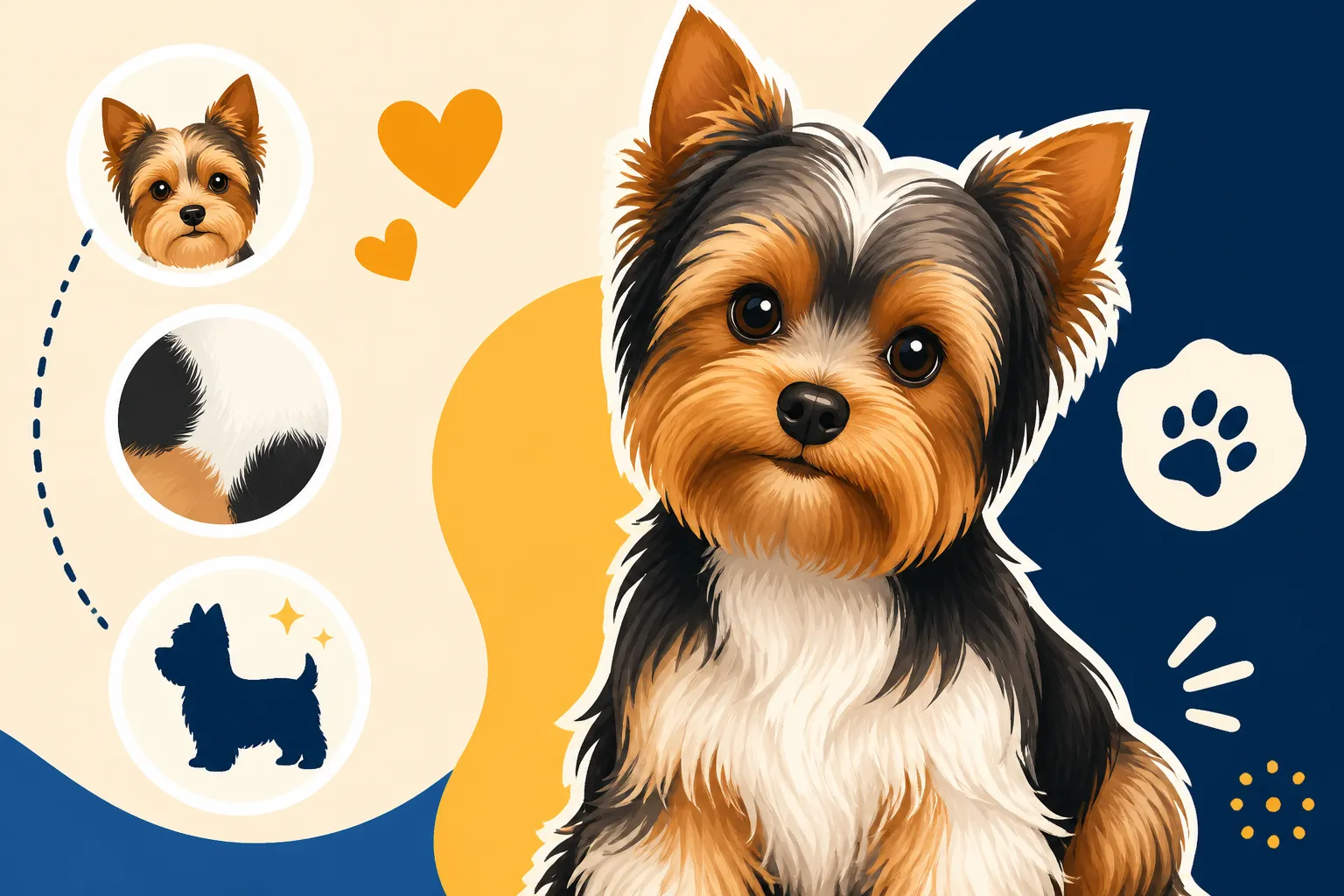
The most obvious distinguishing feature of a Parti Yorkshire Terrier is, without a doubt, its coat. While traditional Yorkies are known for their luxurious, long, silky blue and tan hair, Parti Yorkies showcase a captivating combination of white, black, and tan. This tricolor pattern is truly unique to each dog, making no two Parti Yorkies look exactly alike. It’s part of what makes them so special and often draws a lot of attention and compliments.
Imagine a little dog with a pristine white chest and legs, patches of deep black on their back, and the familiar rich tan markings on their face and ears, sometimes even on their legs. The distribution of these colors can vary wildly, from mostly white with splashes of color to mostly black and tan with significant white areas. This unpredictability in their coat pattern is what many owners find so charming. It's like unwrapping a surprise with every litter!
Coat Colors and Patterns
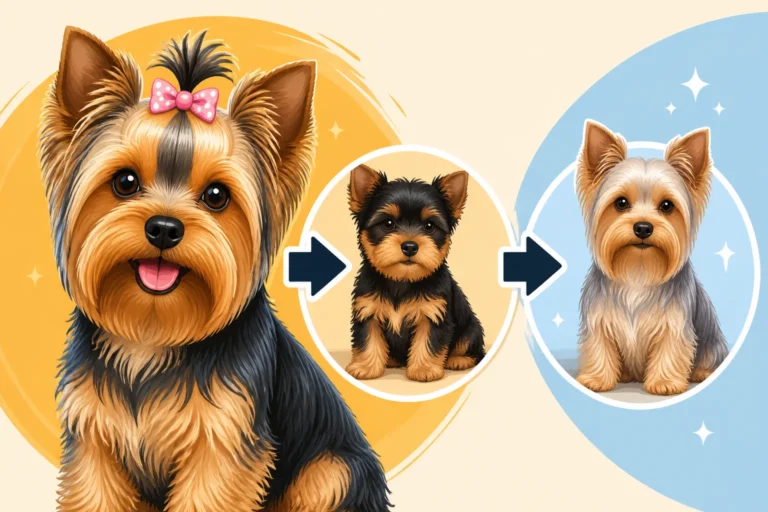
The typical Parti Yorkie will have a dominant white base, broken up by patches of black and tan. The tan usually appears on the face, ears, and sometimes on the legs and around the tail. The black patches are usually more prominent on the body and back. Sometimes, the black areas might mature into a dark blue or steel gray, much like a traditional Yorkie's "blue" coloring. This transition can happen as they age, just as a classic Yorkie puppy's black coat lightens to blue.
Here's a simple breakdown of the common color placements:
| Color | Common Placement | Description |
|---|---|---|
| White | Chest, belly, legs, often a blaze on the face | The dominant base color, creating distinct patches. |
| Black | Back, sides, head, sometimes mixed with white | Deep, dark patches, which may mature to blue/grey. |
| Tan | Face, ears, muzzle, eyebrows, sometimes legs | Rich, golden-brown accents, typical Yorkie markings. |
These color combinations can manifest in various ways. You might see a Parti Yorkie with a perfect white "collar" and a blanket of black on their back, or one with mostly white legs and a smattering of black and tan spots. Some might have a striking white blaze up their forehead, while others have more symmetrical black and tan markings on their face, framed by white. This individualistic beauty is a huge draw for those looking for a Yorkie that stands out from the crowd.
Size, Weight, and General Appearance
Aside from their unique coat, Parti Yorkshire Terriers adhere to the same breed standards as their blue and tan counterparts when it comes to size, weight, and overall appearance. They are still the small, elegant, and compact dogs we know and love. A fully grown Parti Yorkie typically weighs between 4 to 7 pounds and stands about 7 to 8 inches tall at the shoulder. There are no size differences due to their coat color; if you encounter a "Teacup Parti Yorkie," this term merely refers to a smaller-than-average individual, not a distinct breed or variation.
Their build is still proportionate, with a level back and a high-set tail that is typically docked to a medium length, though this practice is becoming less common in some regions. Their heads are small and rather flat on top, with a medium-sized muzzle and dark, sparkling eyes that convey intelligence and curiosity. The V-shaped ears are usually carried erect, and their movement is confident and sprightly. In essence, a Parti Yorkie is physically identical to any other Yorkshire Terrier, just dressed in a different, equally beautiful, outfit. You might find a gorgeous brush, shampoo, or even a cozy bed for your Parti Yorkie by looking at reputable online pet suppliers like Chewy, which carries a wide range of accessories perfectly suited for these small, stylish companions.
Temperament and Health of Parti Yorkies
One of the most reassuring things to know about Parti Yorkshire Terriers is that their unique coat color has absolutely no bearing on their temperament or their overall health. They are, at their core, Yorkshire Terriers through and through. This means they possess all the feisty, confident, affectionate, and sometimes stubborn personality traits that make the breed so endearing to countless owners. If you're looking for a dog with a big personality in a tiny package, a Parti Yorkie won't disappoint.
They are known for being alert and bold, often acting like they're much larger than they actually are. They can be protective of their families and homes, making them surprisingly good little watchdogs – although sometimes their enthusiasm for barking can be a bit much! Like all Yorkies, they thrive on companionship and love being at the center of attention. They're intelligent and eager to please (most of the time!), which makes them quite trainable, though their independent streak can sometimes make potty training a bit of a challenge. If you're struggling with house training, you might find some great tips in a guide about Yorkshire Terrier Potty Training Guide or for Why Is My Yorkie So Hard to Potty Train.
Personality Traits Shared with Traditional Yorkies
Parti Yorkies share the characteristic "terrier-tude" of their standard-colored relatives. They are curious, energetic, and love to explore. Despite their small size, they have a surprising amount of stamina and enjoy regular walks and playtime. They are also incredibly loyal and form strong bonds with their human families. It’s not uncommon for a Parti Yorkie to follow their favorite person from room to room, just wanting to be near them. This can sometimes lead to Yorkshire Terrier Separation Anxiety Solutions if not properly managed, so it's important to teach them to be comfortable on their own from a young age.
They can be playful and mischievous, often delighting in games of fetch or chasing toys around the house. Their intelligence means they need mental stimulation to prevent boredom, which can sometimes lead to unwanted behaviors like excessive barking or chewing. Engaging them with puzzle toys or learning new tricks can be really beneficial. They generally do well with older, considerate children and other pets, especially if socialized from a young age. Early socialization is key to helping them develop into well-adjusted adults, allowing them to confidently navigate new environments and interact positively with strangers and other animals. You can learn more about this in our article on How to Socialize a Yorkshire Terrier.
Common Health Concerns in Yorkshire Terriers
Just like any purebred dog, Yorkshire Terriers, including Parti Yorkies, are prone to certain genetic and acquired health conditions. The Parti gene itself does not introduce any new health problems, nor does it make them more susceptible to existing ones. It's purely an aesthetic difference. Therefore, Parti Yorkies face the same health challenges as any other Yorkshire Terrier.
Some of the most common health issues seen in the breed include:
- Patellar Luxation: This is a common orthopedic problem where the kneecap slips out of place. It can range from mild to severe and may require surgery. If you notice your Yorkie skipping a step or holding up a leg, it could be a sign of this. You can find more information about Yorkshire Terrier Patellar Luxation: Signs and Care.
- Tracheal Collapse: Due to their small size and delicate respiratory systems, Yorkies are prone to tracheal collapse, which can cause a distinctive "honking" cough. This is a serious condition that requires veterinary attention. Our guide on Yorkshire Terrier Collapsing Tracheia: Signs and Care offers a deeper dive into this issue.
- Portosystemic Shunt (Liver Shunt): A congenital condition where blood bypasses the liver, leading to a buildup of toxins in the body. Symptoms can include stunted growth, behavioral changes, and seizures.
- Hypoglycemia: Especially in puppies and smaller adult Yorkies, low blood sugar can be a concern. This is why proper feeding schedules and vigilance are crucial. Learn more in Yorkshire Terrier Hypoglycemia: Signs and Care.
- Dental Disease: Yorkies are notoriously prone to dental problems, including plaque buildup, tartar, and gum disease, which can lead to tooth loss and other systemic issues. Regular dental care is non-negotiable. Check out Yorkshire Terrier Dental Care Guide for prevention tips.
- Eye Problems: Conditions like cataracts and Progressive Retinal Atrophy (PRA) can affect their vision. Regular vet check-ups can help monitor for these issues.
It is absolutely crucial to choose a reputable breeder who screens their breeding dogs for these genetic conditions, regardless of coat color. A responsible breeder will be transparent about the health history of their dogs and will provide health clearances. This proactive approach is the best way to ensure you're bringing home a healthy puppy. You can also explore options for pet insurance to help manage potential veterinary costs, as discussed in our Yorkshire Terrier Vet Costs and Health Budget article.
Caring for Your Parti Yorkshire Terrier
Caring for a Parti Yorkshire Terrier is essentially the same as caring for any other Yorkshire Terrier. Their needs for nutrition, grooming, exercise, and training remain consistent across the breed. However, because of their distinctive coat, some owners might feel a little extra pressure to keep those white areas pristine! But don’t worry, with a consistent routine, it's quite manageable.
These little dogs thrive on routine and consistency. Establishing a daily schedule for feeding, potty breaks, walks, and playtime will contribute significantly to their well-being and happiness. Being small means they can sometimes be more fragile, so supervision, especially around larger dogs or young children, is always a good idea. Creating a safe and enriching home environment where they feel secure and loved is paramount for any Yorkie, Parti or otherwise.
Grooming Requirements for a Parti Coat
The long, silky coat of a Yorkshire Terrier, whether it's blue and tan or Parti-colored, requires regular attention to keep it free of mats and looking its best. The white areas on a Parti Yorkie's coat can show dirt more easily, so you might find yourself needing to do a bit more spot cleaning or more frequent baths, especially if your pup loves to explore outdoors.
Here's a breakdown of essential grooming tasks:
- Brushing: Daily brushing is a must to prevent mats and tangles, especially if you keep their coat long. Use a soft slicker brush and a metal comb to work through the hair gently. Pay close attention to areas behind the ears, under the legs, and around the belly, as these are common spots for mats. You can find excellent brushes and combs tailored for Yorkie coats on Chewy, making your daily grooming routine much smoother.
- Bathing: Bathe your Parti Yorkie every 2-4 weeks, or as needed, using a high-quality dog shampoo and conditioner designed for silky coats. Be sure to rinse thoroughly to avoid skin irritation. For particularly dirty white patches, a whitening shampoo can sometimes help, but always ensure it's safe for dogs and won't cause dryness.
- Hair Trimming: Many owners opt for a "puppy cut" or "teddy bear cut" to keep the coat shorter and more manageable, reducing the risk of matting and making daily care easier. Regular trims around the face, paws, and sanitary areas are crucial, even if you keep the body coat long. This includes trimming hair that could get into their eyes, which can cause irritation. Our Yorkshire Terrier Grooming Guide offers detailed instructions for various cuts and overall coat care.
- Nail Trimming: Trim your Yorkie's nails every 2-3 weeks to prevent them from becoming too long and causing discomfort or paw problems. If you're unsure how to do this safely, ask your vet or a professional groomer for a demonstration.
- Ear Cleaning: Check and clean your Yorkie's ears weekly to prevent wax buildup and infections. Use a veterinarian-approved ear cleaner and cotton balls, never cotton swabs, which can push debris deeper into the ear canal.
- Dental Care: This is paramount for Yorkies. Brush their teeth daily with dog-specific toothpaste and a small toothbrush. Regular professional dental cleanings at the vet are also essential to prevent severe dental disease. Don't underestimate the importance of oral hygiene for their overall health. You can find dental kits and specialized toothbrushes on platforms like Chewy to make this daily task easier.
Nutritional Needs and Diet
Feeding your Parti Yorkshire Terrier a high-quality, balanced diet is fundamental for their health, energy levels, and coat condition. Due to their small size, Yorkies are prone to hypoglycemia, especially as puppies, so consistent meal times are important. Generally, two to three small meals a day are recommended for adult Yorkies.
Look for a dog food specifically formulated for small breeds, as these typically have appropriately sized kibble and a nutrient balance suited for their higher metabolism. Ingredients should include a good quality animal protein source (like chicken, lamb, or fish) as the first ingredient, healthy fats (like omega-3 and omega-6 fatty acids for that beautiful coat), and digestible carbohydrates. Avoid foods with excessive fillers, artificial colors, and by-products.
The amount you feed will depend on your dog's age, activity level, and metabolism. Always follow the guidelines on the dog food packaging and consult with your veterinarian to determine the best portion size for your individual Parti Yorkie. Treats should be given in moderation to avoid weight gain, which can exacerbate conditions like patellar luxation. For more in-depth information on nutrition, explore our guide on Best Dog Food for Yorkshire Terriers or How Much to Feed a Yorkshire Terrier. Many high-quality dog food brands can be found on Chewy, allowing you to compare options and read reviews from other small breed owners.
Exercise and Mental Stimulation
Despite their small stature, Parti Yorkies have a surprising amount of energy and require daily exercise to stay healthy and happy. They don't need extensive hikes or long runs, but regular short walks and indoor playtime are crucial. Aim for at least 20-30 minutes of moderate activity each day.
- Walks: Two to three short walks a day are usually sufficient. These walks provide not only physical exercise but also valuable mental stimulation through sniffing new smells and seeing new sights. Always use a harness instead of a collar for your Yorkie to protect their delicate trachea. Learn more about why harnesses are better in our article Why Harnesses Are Better Than Collars for Yorkies.
- Playtime: Engage your Parti Yorkie with interactive toys, games of fetch, or even hide-and-seek. Their intelligence means they enjoy challenges. Puzzle toys that dispense treats can keep their minds active and prevent boredom, especially if they are left alone for periods.
- Training: Ongoing training, beyond basic obedience, also serves as great mental stimulation. Teaching new tricks or participating in dog sports like agility (miniature versions, of course!) can be incredibly rewarding for both you and your Yorkie. A mentally stimulated Yorkie is often a well-behaved Yorkie.
Remember, a tired Yorkie is usually a happy Yorkie, but ensure their exercise is appropriate for their size and age. Over-exertion can be harmful, especially for puppies or senior Yorkies. Pay attention to their cues and adjust their activity levels accordingly.
Is a Parti Yorkie Right for You?
Deciding whether a Parti Yorkshire Terrier is the right addition to your family involves considering all the typical aspects of Yorkie ownership, with the added understanding of their unique aesthetic. If you're drawn to their striking tricolor coat and appreciate their purebred status, then a Parti Yorkie might be a fantastic choice. However, it's vital to remember that underneath that beautiful coat, they are still very much a Yorkshire Terrier in every other regard.
This means they come with the same charming personality, the same potential health considerations, and the same grooming and care commitments as any other Yorkie. They're not a "designer breed" in the sense of being a mix, but rather a recognized color variation within the beloved Yorkshire Terrier breed.
Pros and Cons of Parti Yorkie Ownership
Let's weigh some of the advantages and disadvantages, which largely mirror those of any Yorkshire Terrier, but with a specific nod to the Parti aspect:
Pros:
- Unique Appearance: Their tricolor coat is eye-catching and distinctive, making them stand out in a crowd. If you love a unique aesthetic, this is a huge plus.
- Purebred Status: Officially recognized by the AKC since 2000, confirming their purebred lineage, which means you're getting a true Yorkshire Terrier with all the expected breed traits.
- Typical Yorkie Temperament: They possess the same loyal, affectionate, intelligent, and spirited personality that Yorkie enthusiasts adore.
- Great Companions: Their desire for companionship makes them wonderful lap dogs and devoted family members.
- Apartment Friendly: Their small size makes them well-suited for apartment living, provided they get enough indoor exercise and mental stimulation.
Cons:
- High Grooming Needs: Their long, silky coat requires daily brushing and regular professional grooming or diligent home care, which can be time-consuming and costly. The white patches may also require extra cleaning.
- Potential Health Issues: Like all Yorkies, they are predisposed to certain genetic health problems, necessitating careful breeder selection and ongoing veterinary care. Our Common Yorkshire Terrier Genetic Conditions guide provides more details.
- Vocal Nature: Yorkies can be prone to excessive barking, especially if not trained and socialized properly.
- Stubborn Streak: Their terrier intelligence can sometimes be coupled with a stubbornness that makes training challenging for first-time owners. You might want to read How to Train a Stubborn Yorkie for help.
- Fragile Nature: Their small size makes them susceptible to injuries from falls or rough play, requiring careful supervision.
Finding a Reputable Parti Yorkie Breeder
If you've decided a Parti Yorkshire Terrier is the dog for you, the next critical step is finding a reputable breeder. This is paramount for ensuring you bring home a healthy, well-socialized puppy with a stable temperament. Do not fall for ads that market "rare" or "teacup" Parti Yorkies at exorbitant prices without proper health testing or registration.
Here's what to look for:
- AKC Registration: Ensure the breeder provides AKC registration papers for their puppies, confirming their purebred status.
- Health Clearances: A responsible breeder will conduct health screenings for common Yorkie ailments like patellar luxation, liver shunts, and eye conditions on the parent dogs. They should be transparent and willing to share these results with you.
- Transparency and Questions: A good breeder will be open to answering all your questions, and they will also ask you many questions to ensure their puppies are going to good homes.
- Visit the Kennel (if possible): Observe the living conditions of the puppies and their parents. They should be clean, well-fed, and socialized. The parents should have good temperaments.
- Limited Litters: Avoid breeders who seem to have multiple litters available all the time. Responsible breeders focus on quality, not quantity.
- References: Ask for references from other puppy buyers or their veterinarian.
- Health Guarantee and Contract: A reputable breeder will offer a health guarantee and provide a written contract outlining responsibilities for both parties.
Choosing a Parti Yorkie means embracing the full spectrum of what makes this breed so special, with the added bonus of a truly one-of-a-kind coat. They bring immense joy, laughter, and companionship, and with proper care and love, they will be a cherished member of your family for many years to come.
Disclaimer
Please note that the information provided in this article is intended for educational and informational purposes only and does not constitute veterinary advice. Always consult with a qualified veterinarian for any health concerns or before making any decisions about your pet's health or treatment.