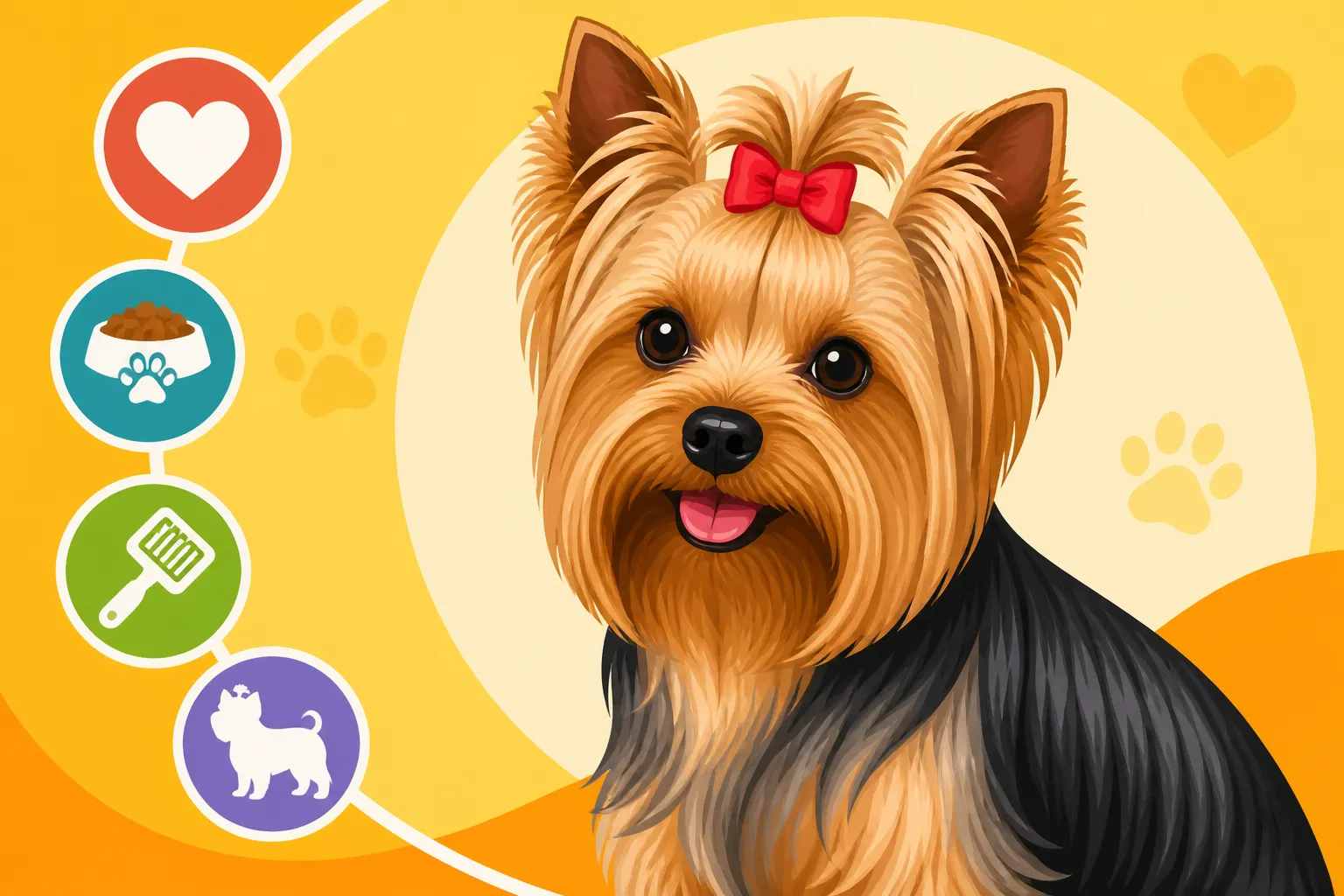
Standard Yorkshire Terrier: Facts and Care
Bringing a Yorkshire Terrier into your life is an absolute joy, but it can also come with a bit of confusion, especially when you start hearing terms like "teacup" or "mini" being thrown around. Many prospective owners get caught up in the allure of these unofficial sizes, often not realizing that what they really want, and what's officially recognized and generally healthier, is a standard Yorkshire Terrier. This comprehensive guide is here to cut through the noise, clarify what a truly standard Yorkie is, and provide you with all the essential facts and care tips to ensure your spunky companion thrives.
What Exactly is a Standard Yorkshire Terrier?
When you delve into the world of Yorkshire Terriers, it's easy to get lost in the various descriptors you might encounter. But let's be absolutely clear from the outset: there is only one recognized size and type of Yorkshire Terrier according to major kennel clubs like the American Kennel Club (AKC). This is the "Standard" Yorkshire Terrier, and understanding what that means is crucial for any responsible owner.
Dispelling "Teacup" and "Mini" Myths
The terms "teacup," "mini," "toy," or even "micro" Yorkie are marketing terms, not official breed classifications. They're often used by breeders to describe exceptionally small Yorkies, usually weighing significantly less than the established breed standard. While these tiny pups might seem incredibly cute and desirable, it's vital to understand the significant health risks associated with breeding for such diminutive sizes.
These unofficial classifications often come from irresponsible breeding practices that prioritize extreme smallness over health and genetics. Pups bred to be "teacups" are frequently prone to severe health issues, including fragile bones, exacerbated hypoglycemia, open fontanels (soft spots on the skull), heart defects, and various organ problems. Their tiny bodies are simply more vulnerable. If you're encountering a breeder advertising these "sizes" at exorbitant prices, consider it a major red flag. For more insights into these smaller variations, you might find our article on Teacup Yorkie: What to Know helpful, as it delves deeper into the realities of these tiny pups. Always remember, when you seek a Yorkshire Terrier, you're looking for a standard one.
Official Breed Standard Characteristics
The AKC breed standard for the Yorkshire Terrier explicitly states that they should weigh no more than seven pounds. There is no minimum weight specified, but the maximum is a firm guideline. While there's no official height given, a standard Yorkie typically stands about 6 to 7 inches tall at the shoulder. They are compact, well-proportioned dogs with an erect, confident carriage.
Their most distinctive feature is their beautiful, long, silky coat. The official color combination is dark steel blue (not silvery blue) on the body and tail, and a rich, bright tan on the head, chest, and legs. The tan should be darker at the roots and lighten towards the tips, without any black hairs intermingled. Puppies are born black and tan, and their true adult coloring develops over the first year or two, a fascinating process that can sometimes lead to delightful variations. Their small, V-shaped ears are typically erect, though some may have floppy ears, which is considered a minor fault in the show ring but perfectly normal for a beloved pet. Their dark, sparkling eyes are full of intelligence and curiosity, truly reflecting their lively personalities.
Essential Facts About Standard Yorkie Temperament and Personality
Beyond their adorable looks, what truly defines a Standard Yorkshire Terrier is their larger-than-life personality. These aren't dainty lap dogs meant only for quiet cuddles; they are terriers through and through, with all the spunk, confidence, and cleverness that implies.
Big Personality in a Small Package
Yorkies are renowned for their bold, feisty, and often bossy demeanor. They genuinely believe they are much larger than their seven-pound frame suggests! This translates into a fearless attitude, a strong sense of self-importance, and a tendency to be highly alert. They are incredibly curious and love to explore, always wanting to be in the thick of whatever is happening. This "terrier tenacity" means they can be quite vocal, readily barking at strangers, perceived threats, or even just a leaf blowing across the yard. This makes them excellent little watchdogs, but it can also be a point of frustration for owners if not managed. For tips on managing their vocal nature, read our guide on How to Stop a Yorkie from Barking.
Their intelligence is undeniable; they pick up new commands and tricks quickly. However, this intelligence is often coupled with a stubborn streak, meaning they require consistent, positive reinforcement-based training. They thrive on mental stimulation, enjoying puzzle toys and interactive games that challenge their clever minds. Don't underestimate their need for engagement just because they're small – a bored Yorkie can quickly become a mischievous one, finding their own ways to entertain themselves, which might not always align with your household rules!
Companionship and Family Life
Yorkshire Terriers form incredibly strong bonds with their human companions. They are often described as "velcro" dogs, preferring to be by your side, on your lap, or at your feet almost constantly. This deep devotion makes them wonderful companions for individuals, couples, or seniors looking for a loyal, affectionate friend. They thrive on interaction and can become quite sad or anxious if left alone for extended periods without proper training.
While their protective nature makes them devoted family members, their small size and sometimes bossy tendencies mean they are generally better suited for families with older, more considerate children who understand how to interact gently with a small dog. Toddlers, even well-meaning ones, can accidentally injure a delicate Yorkie. Introducing a Yorkie to other pets needs careful management; while many coexist peacefully with cats or other dogs, their terrier prey drive can sometimes surface with smaller, rodent-like pets. Early and consistent socialization is key to ensuring your Yorkie grows into a well-adjusted, confident companion. Our article on How to Socialize a Yorkie Puppy offers valuable advice for getting them off to a good start. Without proper socialization, some Yorkies can develop what's often called "small dog syndrome," where they act aggressively or fearfully due to a lack of exposure.
Comprehensive Care for Your Standard Yorkshire Terrier
Caring for a Standard Yorkshire Terrier involves specific routines tailored to their unique coat, size, and health predispositions. It's an ongoing commitment, but one that rewards you with a healthy, happy companion.
Grooming the Silky Coat
The Yorkie's beautiful, flowing coat is often compared to human hair – and it demands similar care! It's single-coated, meaning it doesn't have an undercoat like many other breeds, which is why they are often considered suitable for allergy sufferers. However, this also means their hair grows continuously and is prone to matting and tangling.
Daily brushing is not an option; it's an absolute necessity for Yorkies with longer coats. Using a high-quality pin brush and a steel comb can help remove loose hairs and prevent knots from forming, especially in friction areas like behind the ears, under the legs, and around the harness. Regular bathing, typically every 1-3 weeks, is also important to keep their coat clean and healthy. Use a gentle, dog-specific shampoo and conditioner to maintain the silkiness and prevent dryness. Brands like Earthbath or Bio-Groom offer excellent options for sensitive skin and coats, often available at retailers like Chewy.
Many owners opt for professional grooming every 4-6 weeks to keep their Yorkie's coat in top condition, or they learn how to do various cuts at home. Whether it's a practical puppy cut or a stylish top knot, regular trimming around the eyes, paws, and sanitary areas is crucial. The famous Yorkie Top Knot Tutorial is a must-read for anyone wanting to keep their Yorkie's face clear and protected. For a full rundown, check out our comprehensive Yorkshire Terrier Grooming Guide. Proper grooming not only keeps them looking fabulous but also helps prevent skin issues and discomfort.
Nutrition and Exercise Needs
Due to their small size, Yorkies have a fast metabolism and can be prone to hypoglycemia (low blood sugar), especially as puppies. This means regular, high-quality meals are essential. Puppy Yorkies often need to eat small amounts more frequently throughout the day. As adults, two meals a day are usually sufficient. Look for premium small-breed dog foods with high-quality protein as the first ingredient. Many popular brands like Royal Canin and Hill's Science Diet offer breed-specific formulas designed for the unique needs of toy breeds, easily found on platforms like Chewy. Portion control is critical to prevent obesity, which can put strain on their delicate joints. Always consult your vet for specific feeding recommendations based on your Yorkie's age, weight, and activity level.
Despite their energetic personalities, Standard Yorkies don't require extensive exercise. Short daily walks (15-20 minutes, once or twice a day) combined with indoor play sessions are usually sufficient to meet their physical needs. They love to chase toys, play fetch, and explore their surroundings safely. Remember, due to their small size, they are susceptible to injuries if played with too roughly or allowed to jump from high places. Always supervise outdoor playtime to protect them from larger dogs or potential hazards.
Dental health is another paramount concern for Yorkies. They are notoriously prone to dental disease, which can lead to pain, infection, and other systemic health issues if ignored. Daily tooth brushing with dog-specific toothpaste is the gold standard. Incorporate dental chews and water additives, like those offered by Greenies or PlaqueOff, which you can conveniently find on Chewy. Regular professional dental cleanings by your veterinarian are often necessary to maintain optimal oral hygiene. Our article on Yorkie Dental Disease Prevention provides excellent strategies to keep their pearly whites healthy.
Health and Wellness Considerations
While generally robust, Standard Yorkshire Terriers are predisposed to certain health conditions that owners should be aware of. Some common issues include patellar luxation (slipping kneecaps), tracheal collapse (a weakening of the windpipe), portosystemic shunt (a liver condition), and various eye problems like cataracts or dry eye. Being vigilant for symptoms and working closely with your veterinarian is crucial for early detection and management. For a comprehensive overview of potential health concerns, refer to our detailed guide on Yorkshire Terrier Health Problems to Know.
Regular veterinary check-ups are non-negotiable, typically once a year for adult Yorkies and more frequently for puppies and seniors. These visits allow your vet to monitor their overall health, administer necessary vaccinations, and perform preventative screenings. Maintaining a healthy weight, providing a balanced diet, and ensuring proper joint support (e.g., specific joint supplements or a ramp for beds/couches to avoid jumping) are proactive steps you can take. Our guide on How to Protect a Yorkie's Joints offers practical tips to safeguard their mobility. By taking these preventative measures and staying informed, you can significantly contribute to their longevity. For more on maximizing their time with you, see Yorkie Lifespan: How to Maximize It.
Here's a quick comparison of Standard Yorkie characteristics versus the general idea of "Teacup/Mini" Yorkies:
| Feature | Standard Yorkshire Terrier (AKC Recognized) | Unofficial "Teacup/Mini" Yorkie (Not Recognized) |
|---|---|---|
| Weight | Up to 7 pounds | Often 2-4 pounds |
| Height | 6-7 inches at the shoulder (approx.) | Significantly smaller, sometimes under 6 inches |
| Temperament | Bold, confident, intelligent, often feisty. Highly affectionate with family. | Can be overly timid or aggressive due to fear; highly fragile and prone to stress. |
| Health Risks | Predisposed to patellar luxation, tracheal collapse, dental disease, liver shunts. | High risk of hypoglycemia, open fontanels, fragile bones, organ failure, severe dental issues, often shorter lifespan. |
| Breeding Focus | Health, temperament, adherence to breed standard. | Extreme smallness, often with disregard for genetic health. |
| Care Needs | Regular grooming, high-quality nutrition, moderate exercise, consistent vet care. | Intensive care due to fragility, specialized diet to prevent hypoglycemia, constant supervision. |
| Ethical Sourcing | Reputable breeders with health clearances, clear contracts. | Often from backyard breeders or puppy mills focusing on profit over health. |
Training and Socialization for a Well-Adjusted Yorkie
Training a Yorkshire Terrier, while rewarding, definitely requires patience and consistency. Their intelligence makes them quick learners, but their stubborn terrier nature means they'll test boundaries if you let them.
Potty Training Challenges and Solutions
Ah, potty training a Yorkie! This is often cited as one of the most challenging aspects of owning this breed. Their small bladders mean they need to relieve themselves frequently, and their sometimes-stubborn personalities can make housebreaking feel like an uphill battle. It's not uncommon for Yorkies to have accidents in the house well beyond the typical puppy stage.
The key to success is an incredibly consistent routine. Take your Yorkie out frequently – every 1-2 hours for puppies, immediately after waking up, after meals, and before bed. Praise and reward them enthusiastically every single time they eliminate outside. Crate training can be a highly effective tool, as dogs naturally prefer not to soil their sleeping area. Consider bell training or using designated potty pads as an interim solution, especially if you live in an apartment or have cold weather. However, if using pee pads, be consistent in transitioning them to outdoor potty breaks to avoid confusion. For a detailed roadmap, our article on Yorkshire Terrier Potty Training Guide is an invaluable resource. Remember, patience and consistency are your greatest allies here.
Behavioral Training and Mental Stimulation
Early and consistent obedience training is vital for a Standard Yorkie. Without it, their bold personalities can quickly lead to "small dog syndrome," where they act like tiny tyrants. Basic commands like "sit," "stay," "come," and "leave it" lay the foundation for a well-behaved dog. Positive reinforcement, using high-value treats and enthusiastic praise, works best with these intelligent dogs. They thrive on feeling like they're pleasing you and earning rewards.
Beyond basic commands, focus on managing common Yorkie behaviors. Their natural inclination to bark, for example, can be channeled or redirected with specific training. Teaching a "quiet" command is incredibly useful. They also benefit greatly from mental stimulation, which can be just as tiring as physical exercise. Engage them with puzzle feeders, interactive toys, or short training sessions to learn new tricks. This helps prevent boredom, which can lead to destructive chewing or excessive barking. Our comprehensive guide on How to Train a Yorkshire Terrier covers all the essentials you'll need to develop a strong, positive relationship with your clever companion.
Remember, a well-trained and socialized Yorkie is a joy to live with, a testament to their incredible potential when guided by a loving and firm hand.
Disclaimer
The information provided in this article is for general informational purposes only and is not intended as a substitute for professional veterinary advice, diagnosis, or treatment. Always seek the advice of your veterinarian or other qualified health provider with any questions you may have regarding a medical condition or the health and welfare of your pet.