Yorkshire Terrier Size, Weight, and Appearance
One of the most common things I hear from new Yorkshire Terrier parents, or even those just considering bringing one into their lives, is a genuine confusion about their size, weight, and even what a "true" Yorkie should look like. You might see tiny pups on social media marketed as "teacups" or hear about Yorkies that are much larger than expected. It's easy to feel lost in a sea of conflicting information and sometimes, misinformation. This guide is here to cut through that noise, offering you a comprehensive, realistic look at the Yorkshire Terrier's physical characteristics, from the breed standard to the fascinating variations you might encounter, and what it all means for your furry friend.
Understanding the Official Yorkshire Terrier Breed Standard
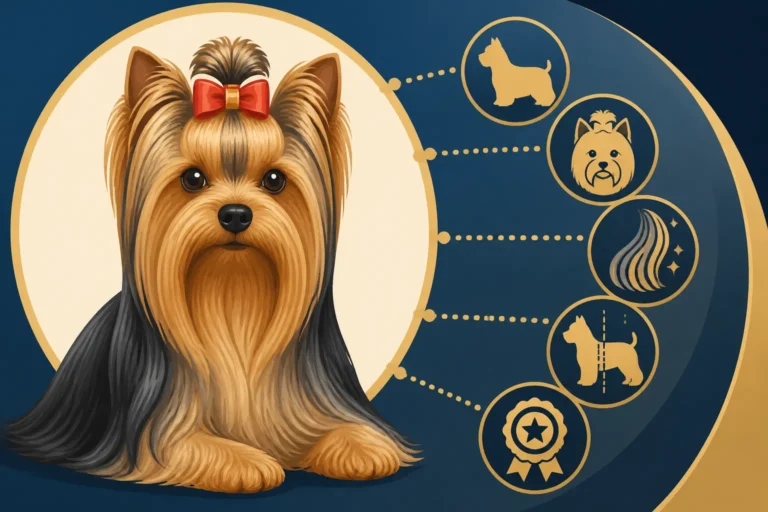
When we talk about a "Yorkshire Terrier," we're often picturing a very specific dog. But what exactly defines that picture? The American Kennel Club (AKC) sets the standard, which is essentially the blueprint for what an ideal Yorkshire Terrier should embody in terms of physical traits, temperament, and movement. This standard isn't just about winning ribbons in the show ring; it's a guide to maintaining the health, function, and integrity of the breed. It helps ensure that these adorable little dogs remain true to their heritage. Many people are surprised to learn how precise these guidelines are, particularly when it comes to things like size and coat.
AKC Guidelines for Size and Weight
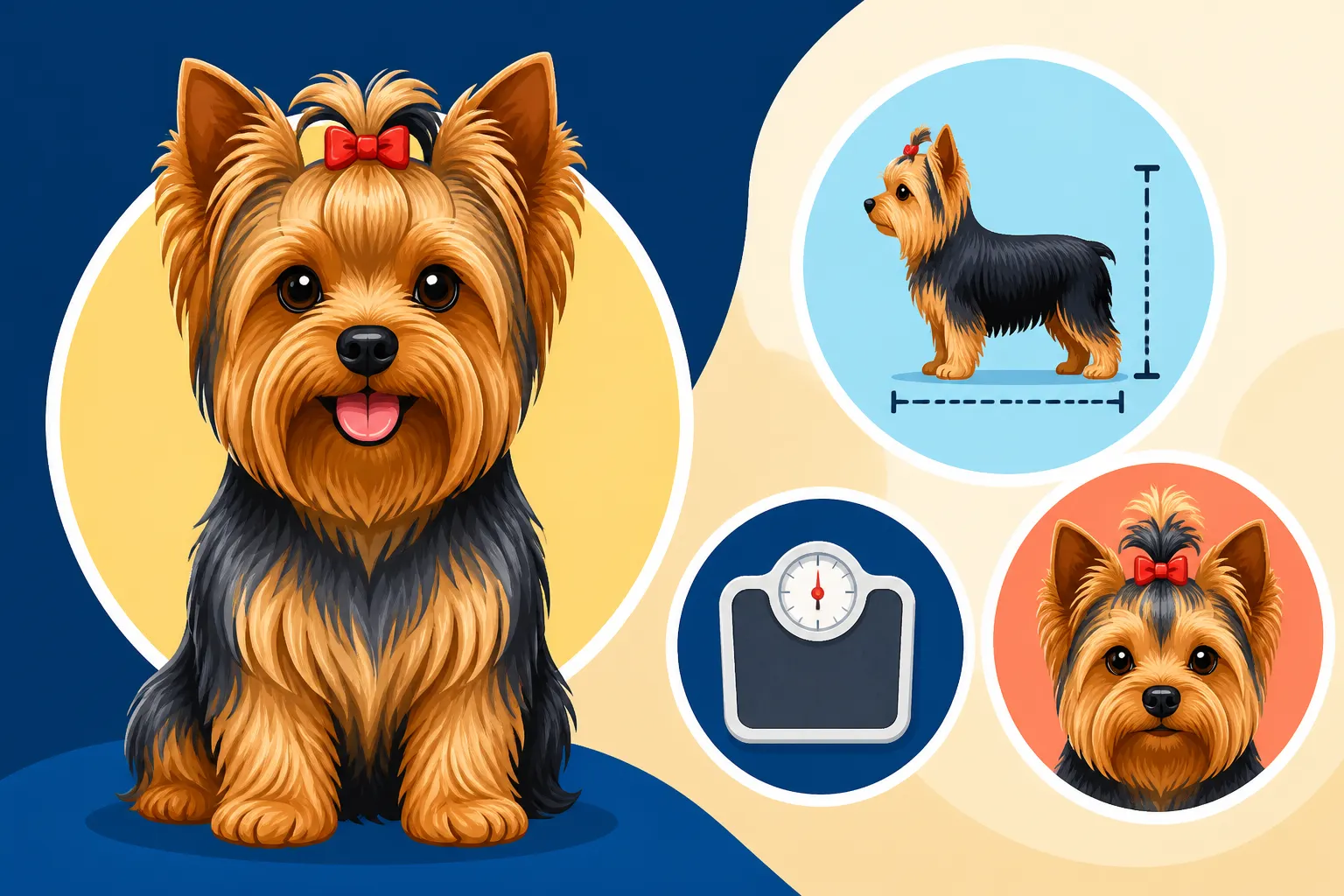
The AKC breed standard for the Yorkshire Terrier is quite clear on size: "Weight not to exceed seven pounds." That's it. There's no minimum weight, and there's no mention of "teacup" or "mini" sizes. This single statement is often where a lot of the confusion begins for pet owners. If you’ve ever seen a Yorkie that weighs 9 or 10 pounds, you might wonder if they’re even a purebred. The truth is, while the ideal is under seven pounds, variations happen. Responsible breeders strive for the standard, but genetics can be wonderfully unpredictable. For instance, my neighbor’s Yorkie, Barkley, is a strapping 8.5 pounds of pure muscle and affection. He’s perfectly healthy, just a bit outside the show ring ideal. It's a reminder that the standard is a goal, not a rigid prison for every individual dog.
Ideal Coat Color and Texture
The Yorkshire Terrier’s coat is one of its most defining features, often described as a magnificent, flowing cascade of hair. The AKC standard specifies a "steel blue" from the back of the neck to the tail, and a rich, bright "tan" on the head, chest, and legs. This isn't just any blue; it's a dark, steely blue, not a silvery or light gray. And the tan should be vibrant, not faded or dull. What's more, the texture is paramount: it should be "fine, silky, and glossy," resembling human hair, not woolly or cottony. This fine texture is what makes their coat surprisingly low-shedding compared to many other breeds, though it requires significant grooming. Many new owners are often surprised by how the coat changes from a darker puppy coat to the adult blue and tan, a process that can take up to two years. It's a gradual transformation, like watching a masterpiece slowly reveal itself.
Head, Eye, and Ear Proportions
Beyond the coat, a Yorkie's head, eyes, and ears contribute significantly to their distinctive, intelligent expression. The AKC standard calls for a "small, flat head, not too prominent or round." This means no "apple head" like some Chihuahuas might have. Their eyes should be "medium in size, dark in color, sparkling with a keen, intelligent expression, and placed to look straight forward." Red or light-colored eyes are considered a fault. As for ears, they should be "small, V-shaped, carried erect, not too far apart." Typically, their ears are cropped in some countries and regions, though this practice is becoming less common globally. In many places, natural ears are preferred, and they stand proudly erect, framed by their tan hair. It's this combination of features that gives the Yorkie their characteristic mischievous yet alert look.
Tail Set and Overall Conformation
The tail, too, plays a role in the Yorkie's overall elegant silhouette. Traditionally, the tail is docked to a medium length and carried "a little higher than the level of the back." Again, tail docking is a controversial practice that is banned in many countries and is becoming less common even where legal. When undocked, a Yorkie's tail will typically curl over their back, often with a jaunty little plume of hair. Regardless of whether it's docked or not, the tail carriage contributes to the dog's confident and self-assured appearance. The overall conformation of a Yorkie should be compact and well-proportioned, giving the impression of a sturdy, well-put-together dog despite their small size. They should move with a smooth, free gait, reflecting their terrier heritage. It’s not just about static looks; it’s about how all these parts come together in motion, making them truly agile and spirited little companions.
The Reality of Yorkshire Terrier Sizes Beyond the Standard
It's common to hear terms like "teacup Yorkie" or "mini Yorkie," and these can be quite confusing, especially if you're trying to understand what kind of dog you're getting. While the AKC standard is very clear that a Yorkie should not exceed seven pounds, the reality is that there's a spectrum of sizes even within purebred litters. It’s also true that some breeders intentionally breed for extremely small sizes, often marketing them with these popular, yet unofficial, labels.
What "Teacup" and "Mini" Actually Mean
Here’s the honest truth: "teacup" and "mini" are not official breed designations. They are marketing terms. A "teacup Yorkie" is simply a Yorkshire Terrier that falls on the absolute smallest end of the size spectrum, often weighing as little as 2-4 pounds. A "mini Yorkie" might refer to a dog that’s still quite small but perhaps a pound or two heavier than a teacup, usually 4-6 pounds. These terms are used to make the dogs sound more appealing or unique, and sometimes, to justify a higher price tag. They play into the desire for an incredibly tiny companion, but it's essential to understand that these dogs are just smaller-than-average Yorkshire Terriers, and their extreme smallness can sometimes come with a cost to their health. It’s crucial to know that responsible breeders focus on health and temperament within the breed standard, not on creating the smallest possible dog.
Health Implications of Undersized Yorkies
While undeniably adorable, extremely small Yorkies, often dubbed "teacups," can face a host of significant health challenges that larger, standard-sized Yorkies typically don't. Their delicate bone structure makes them more prone to fractures from even minor falls or jumps. They can be incredibly fragile, requiring constant vigilance to prevent injury. Hypoglycemia, or dangerously low blood sugar, is a major concern, especially in puppies and very small adults, necessitating frequent, small meals. They often struggle with keeping warm due to their tiny body mass. Conditions like hydrocephalus (water on the brain), open fontanels (soft spots on the skull that don't close), and severe dental issues due to overcrowding in their tiny mouths are also more prevalent. These little ones often have shorter lifespans, and the constant veterinary care required can be emotionally and financially draining. If you're considering a truly tiny Yorkie, it's vital to research thoroughly and be prepared for potential challenges. You might want to read more about specific issues like Yorkshire Terrier Hypoglycemia: Signs and Care.
Size Variations in Standard-Bred Yorkies
Even within a litter from well-bred, standard-sized parents, you can see a range of sizes. This is just how genetics works! You might have a pup that matures to a lean 5 pounds and another from the same litter that reaches a robust 7 pounds, or even slightly over the 7-pound AKC maximum. These variations are perfectly normal and do not mean a dog is unhealthy or "not a real Yorkie." Many beloved pet Yorkies comfortably fall into the 8-10 pound range and lead long, active, and healthy lives. The key is balance and proportion, not just the number on the scale. For example, my late Yorkie, Pippa, was a delightful 9 pounds, a sturdy little adventurer who loved her hikes. She was technically "oversized" by AKC show standards, but she was healthy, strong, and every bit a Yorkshire Terrier in spirit and appearance. It's often the case that breeders might have a smaller show-quality female, for instance, and a slightly larger pet-quality male in a litter. It's really about finding a healthy dog from a reputable breeder, rather than fixating on an exact numerical weight.
Decoding Yorkshire Terrier Weight Ranges by Age
Understanding your Yorkie's weight as they grow is a crucial part of their care. It helps you monitor their health, ensures they're getting proper nutrition, and can alert you to potential issues. Yorkshire Terriers are tiny, but they go through significant growth spurts in their first year. Observing these changes can be both fascinating and a little nerve-wracking for new owners, who often wonder if their pup is growing "correctly."
Puppy Growth Milestones and Expected Weights
Yorkie puppies are born incredibly small, and their growth in the first few months is rapid. While there's no universally fixed chart that applies to every single puppy, there are general expectations. By 8 weeks (when they typically go to their new homes), most Yorkie puppies weigh between 1.5 to 3 pounds. From there, they'll continue to gain weight, usually reaching about 75% of their adult weight by 6 months. Most Yorkies will do the majority of their growing in height and length by about 8-10 months, though they might continue to fill out a bit until they are about 12-18 months old. Here’s a general idea, but remember, every pup is an individual!
| Age | Approximate Weight Range (Standard Yorkie) | Considerations |
|---|---|---|
| 8 weeks | 1.5 – 3 pounds | First vet visit, beginning socialization. |
| 3 months | 2.5 – 4 pounds | Active growth phase, prone to hypoglycemia if not fed regularly. |
| 4 months | 3 – 5 pounds | Starting to show adult coat color changes. |
| 6 months | 4 – 6 pounds | Nearing adult height, filling out, puppy energy still high. |
| 9 months | 5 – 7 pounds | Most growth in height/length complete, continue to mature. |
| 12 months | 5 – 7 pounds (or slightly over) | Officially considered an adult, though still developing mentally. |
| 18 months+ | 5 – 7 pounds (or slightly over) | Full physical maturity reached. |
This table provides a general guideline, but it's important to discuss your individual pup's growth with your veterinarian. Small fluctuations are normal, but significant deviations might warrant a check-up. For more insights into early development, you can check out our guide on the Yorkshire Terrier Puppy Health Guide.
Factors Influencing Adult Weight
Several factors play a role in determining a Yorkie’s eventual adult weight. Genetics are, without a doubt, the primary driver. If a puppy's parents were on the larger side (e.g., both 7 pounds), their offspring are more likely to also be 7 pounds or slightly more. Conversely, if both parents were smaller, the puppies might also be smaller. Nutrition is another critical factor; a high-quality diet, fed in appropriate portions, supports healthy growth. Overfeeding, even as a puppy, can contribute to excess weight later on. Activity level also plays a part, though usually more in maintaining weight rather than determining ultimate size. Lastly, spaying or neutering can sometimes influence metabolism, leading to a tendency for weight gain if not managed with diet and exercise. It's a complex interplay, but a good breeder can often give you an educated guess about a puppy's potential adult size based on their lineage.
Healthy Weight Management and Overweight Concerns
Keeping your Yorkie at a healthy weight throughout their life is paramount for their well-being. An ideal weight helps prevent a myriad of health issues, from joint problems like Yorkshire Terrier Patellar Luxation: Signs and Care to heart disease and diabetes. It's easy to let those soulful eyes convince you they need another treat, but those extra calories add up quickly in such a tiny dog. Even half a pound over their ideal weight can put significant strain on their small frames and organs. Regularly weigh your Yorkie, check their body condition (you should be able to feel their ribs easily without seeing them, and they should have a discernible waist), and adjust their food intake as needed. High-quality kibble from brands like Royal Canin or Hill's Science Diet, designed for small breeds, provides balanced nutrition. If you're concerned about your Yorkie's weight, your vet can help you determine an ideal target and create a feeding plan. You might also find our article on Yorkie Weight: Healthy Range by Age incredibly helpful for tailored advice.
A Deep Dive into Yorkshire Terrier Coat Types and Colors
The Yorkshire Terrier's coat is truly a marvel – a signature feature that sets them apart. It's not just about aesthetics; the coat's quality and type are intrinsically linked to the breed's standard and their unique care needs. Many people fall in love with the long, flowing mane, but are often surprised to learn about the various stages and potential variations.
The Iconic Blue and Tan Coat Explained
As mentioned earlier, the AKC standard specifies a very particular "steel blue" and "rich tan" color combination. What's fascinating is that Yorkie puppies are not born with this adult coloring. They typically arrive in the world a dark black and tan, often looking quite different from their mature counterparts. The "blueing" process, where the black fur gradually transitions to the steel blue, is a slow transformation that can take anywhere from 12 months to 2-3 years to fully develop. It's similar to how human hair changes color with age, but on a much more predictable timeline. The tan markings, which are usually a bright golden tan, typically appear on the head (with lighter tan around the ears and muzzle), chest, and legs. This distinct pattern and the "steel blue" are the hallmarks of a purebred Yorkshire Terrier. A truly well-colored Yorkie is a sight to behold, with the contrasting colors making their features pop. This color combination is also considered low-shedding, which is a big plus for many allergy sufferers.
Understanding Coat Texture: Silk vs. Cottony
Beyond color, the texture of a Yorkie's coat is perhaps even more critical according to the breed standard. The ideal is a "fine, silky, and glossy" texture, much like human hair. This type of coat falls smoothly, drapes elegantly, and has a natural sheen. It's also surprisingly easy to maintain (relatively speaking for a long coat) because it's less prone to matting than a cottony coat, and easier to brush through. A "cottony" or "woolly" coat, on the other hand, is considered a fault in the show ring. This type of coat tends to be thicker, duller, and more prone to tangles and mats. It doesn't have the same elegant drape or sheen as the silky coat. While a cottony coat doesn't impact a pet Yorkie's health or happiness, it does mean a more intensive grooming routine to prevent painful matting. Breeders strive for the silky coat, as it's a key identifier of the breed's unique qualities. If you have a Yorkie with a cottony coat, investing in good quality brushes and detangling sprays, perhaps from brands like Chris Christensen or Espree, found readily at retailers like Chewy, will be essential.
Common "Non-Standard" Yorkie Colors
While the traditional blue and tan is the only color recognized by the AKC for show purposes, you might encounter Yorkies with other colorations, often referred to as "non-standard" or "designer" colors. These include:
- Parti Yorkie: These dogs have white, black, and tan markings. They are purebred Yorkshire Terriers, but carry a recessive gene for piebaldism (white spotting). They're absolutely stunning and have gained popularity in recent years, but cannot be shown in AKC conformation events.
- Chocolate Yorkie: Instead of the blue/black, these Yorkies have a rich brown body coat and tan markings. This also results from a recessive gene.
- Golden Yorkie: These dogs have a predominantly golden or blonde coat, often with lighter points. They lack the dark blue or black pigment entirely.
- Black Yorkie: While puppies start black, some Yorkies may retain a predominantly black coat into adulthood, sometimes with tan points, without fully blueing out.
It's crucial to understand that while these colors are beautiful and these dogs are still purebred Yorkshire Terriers, their color genetics make them fall outside the breed standard. This means they cannot compete in AKC conformation shows, but they can still be registered and participate in other AKC events like obedience or agility. For pet owners, these unique colors offer a wonderful variety, but it’s vital to ensure you’re still getting a healthy dog from a responsible breeder, regardless of their coat color. A breeder focused solely on "rare" colors might sometimes overlook health or temperament.
Distinguishing Facial Features and Expressions
A Yorkie’s face is undeniably charming, often described as expressive, intelligent, and even a little mischievous. These features are not just cute; they're also part of the breed standard and contribute to their overall health and well-being. Paying attention to these details helps us understand the true essence of the breed.
Eye Color, Shape, and Placement
The eyes are often said to be the windows to the soul, and for a Yorkie, they certainly convey a lot of personality. The AKC standard calls for "medium in size, dark in color, sparkling with a keen, intelligent expression, and placed to look straight forward." This dark eye color is important because it protects the eyes from harsh sunlight. Light-colored eyes, or eyes that appear watery or dull, are not typical for the breed and can sometimes indicate health issues or simply be a deviation from the standard. The shape is usually almond-like, giving them an alert, inquisitive look. Proper eye placement, looking straight forward, contributes to good vision and depth perception. Tear staining, while common in many small breeds, should be monitored. Excessive tear production could point to allergies or blocked tear ducts, so keep an eye out for that. Regular cleaning around the eyes with a damp cloth or a specialized tear stain remover is often necessary to maintain their pristine appearance and prevent irritation.
Ear Set and Grooming for Appearance
A Yorkie's ears are one of their most defining and adorable features. They should be "small, V-shaped, carried erect, not too far apart." These perky, upright ears give them an alert, curious demeanor. Sometimes, especially in larger Yorkies or those with softer ear cartilage, one or both ears might flop over. This is often called "soft ears" and isn't a health concern, but it does deviate from the breed standard. For puppies, it's common for their ears to go up and down during teething (around 3-6 months) as calcium is diverted to their growing teeth. Some breeders might tape a puppy's ears to help them stand erect, a practice that's generally considered safe if done correctly and for a limited time.
Proper ear grooming is also essential. The hair on a Yorkie's ears should be trimmed short, particularly on the outer edges and tips, to emphasize their V-shape and help them stand up. Long, untrimmed hair can weigh the ears down, making them flop. This also helps with hygiene, as excessive hair inside the ear canal can trap moisture and debris, leading to ear infections. A good grooming routine includes regular checks of the inner ear for redness, odor, or discharge.
Muzzle and Bite Structure
The Yorkie's muzzle is another key characteristic. It should be "not too long," giving the face a balanced, compact look. The bite is also specified as a "regular or scissor bite," meaning the upper incisors just slightly overlap the lower incisors when the mouth is closed. This is the healthiest bite structure for dogs, allowing for efficient chewing and reducing dental problems. An undershot bite (lower jaw protrudes) or an overshot bite (upper jaw protrudes significantly) is considered a fault. While slight variations usually don't cause major problems for pet Yorkies, severe malocclusions can lead to difficulty eating, premature wear of teeth, and increased risk of dental disease. Given how prone Yorkies are to dental issues, maintaining good oral hygiene and having their bite checked by a vet regularly is extra important. Brushing your Yorkie's teeth a few times a week, using a small dog toothbrush and enzymatic toothpaste from brands like Virbac or Petrodex (available on Chewy), is a great preventative measure. You can learn more about this in our guide on Yorkshire Terrier Dental Care Guide.
Grooming's Impact on Yorkshire Terrier Appearance
Grooming is not just about keeping your Yorkie looking good; it's a vital part of their health and comfort. The type of coat they have, whether it’s the long, flowing show coat or a practical shorter cut, directly impacts their daily life and your routine. Many new Yorkie owners underestimate the commitment involved in maintaining that beautiful, silky coat.
The Long Show Coat vs. Practical Pet Cuts
The iconic image of a Yorkshire Terrier, especially in the show ring, is a dog with a floor-length, flowing, silky coat, often tied up in a top knot with a bow. Achieving and maintaining this look is an immense undertaking, requiring daily brushing, conditioning, and often wrapping the hair to protect it from breakage and dirt. For the average pet owner, this is simply not feasible or practical. Most pet Yorkies sport shorter, more manageable cuts.
Some popular pet cuts include:
- The Puppy Cut: This involves trimming the body hair to a uniform short length (usually 1/2 to 1 inch), giving the dog a youthful, teddy bear-like appearance. It's incredibly low maintenance and keeps them cool. Our article on the Yorkie Puppy Cut: What to Know delves deeper into this style.
- The Teddy Bear Cut: Similar to the puppy cut but often leaving the face and head hair a bit longer and rounded, enhancing the "teddy bear" look.
- The Kennel Cut: This is an even shorter overall cut, often for maximum practicality, especially for active dogs or during hot weather.
These practical cuts reduce the risk of matting, keep your Yorkie cleaner, and significantly cut down on daily grooming time. While they might not look like a show dog, they'll be far more comfortable and easier to care for, which is the most important thing for a happy pet.
Maintaining Coat Health for Optimal Appearance
Regardless of the cut, maintaining the health of your Yorkie’s coat is crucial for their overall well-being and appearance. Even with a short cut, regular brushing (daily for longer coats, a few times a week for shorter ones) is essential to remove loose hair, prevent tangles, and distribute natural oils. Using a good quality pin brush and a metal comb is highly recommended. Bathing typically every 2-4 weeks with a shampoo and conditioner formulated for dogs, especially those with sensitive skin, helps keep their skin and coat clean and healthy. Over-bathing can strip natural oils, leading to dry, itchy skin, so find a balance that works for your individual dog. After bathing, thoroughly drying their coat to prevent matting and skin irritation is key. Regular professional grooming appointments, perhaps every 4-8 weeks, can also take the burden off your shoulders and ensure your Yorkie’s coat is always in top condition. Groomers often use high-quality products, like those from Bio-Groom or Earthbath, which are also often available on Chewy.
Tear Stains and Facial Grooming
Tear stains are a common concern for many Yorkie owners, especially those with lighter-colored facial hair. These reddish-brown stains are caused by porphyrin, a pigment found in tears, and can be exacerbated by yeast and bacteria. While mostly cosmetic, severe or persistent staining can sometimes indicate underlying issues like allergies, blocked tear ducts, or even dental problems that affect tear drainage. Regular cleaning of the area around the eyes with a damp cloth is a good first step. There are also many tear stain removers on the market, some of which are effective, but always check ingredients and consult your vet if the staining is excessive or accompanied by other symptoms like redness or discharge. Keeping the hair around their eyes trimmed short can also help prevent tears from accumulating on the fur, reducing the environment for staining. It's a small detail, but a clean, bright face really highlights their expressive eyes and adds to their overall sparkling appearance.
Why Appearance Matters: Health and Identification
While the primary focus of pet ownership is undoubtedly love and companionship, understanding your Yorkie's appearance goes beyond mere aesthetics. Their physical traits can offer vital clues about their health, lineage, and even their breed identity, which can be particularly important in certain situations.
Recognizing Healthy vs. Unhealthy Appearance Cues
A Yorkie's appearance can be a surprisingly good indicator of their overall health. A healthy Yorkie will have bright, clear eyes, a glossy, well-maintained coat, and a lean, muscular body condition. Their ears should be clean, their nose moist, and their gums pink. Any deviation from these norms can be a red flag. For instance, a dull, flaky coat might suggest nutritional deficiencies or skin problems. Excessive shedding or bald patches could point to allergies, parasites, or hormonal imbalances. Red, irritated eyes or excessive tear stains might indicate infections or allergies. A bloated belly could be a sign of worms or a more serious internal issue. Limping or a reluctance to move might suggest joint problems or injury. Even subtle changes in their normal appearance should prompt a closer look and, if persistent, a visit to the veterinarian. Being attuned to these visual cues allows you to catch potential health problems early, which can make all the difference. Our guide on Signs Your Yorkshire Terrier Is Sick offers a more detailed look at what to watch for.
Identifying Purebred vs. Mixed Breed Yorkies
Sometimes, people adopt a dog they believe to be a purebred Yorkshire Terrier, only to find later that their furry friend has some unexpected traits. While genetic testing can definitively confirm lineage, a dog's appearance can offer strong clues. If a dog has floppy ears, a curly tail, a coarse or cottony coat, or an adult weight significantly over 7 pounds, they might not strictly adhere to the Yorkshire Terrier breed standard. This doesn't mean they aren't wonderful dogs, but it does mean they might be a mix, or simply a purebred Yorkie that falls outside the ideal show conformation. For example, a Yorkie with a wiry, non-shedding coat might actually be a mix with a terrier like a Cairn Terrier, or a Poodle mix (like a Yorkiepoo). Understanding the breed standard helps you make informed decisions, especially if you're looking for specific traits or health predispositions associated with the purebred lineage. If you’re sourcing a puppy, always look for a reputable breeder who provides health clearances and allows you to meet the parents.
The Role of Appearance in Breed Identification and Rescue
In rescue situations, appearance plays a crucial role in identifying a dog's breed or primary breed mix. Rescues and shelters often use physical characteristics to categorize dogs, which helps them match dogs with appropriate homes (e.g., small apartment living, families with children). A dog with the classic blue and tan, silky coat, erect ears, and compact build is likely to be identified as a Yorkshire Terrier or a Yorkie mix. This identification can also help rescue organizations anticipate potential health issues common to the breed, such as Yorkshire Terrier Liver Shunt: Signs and Care or collapsing trachea, and provide appropriate care. While a dog's personality and temperament are ultimately more important than their looks, their appearance is often the first thing that helps them find their way to the right care and the perfect forever home. It’s a sad reality that some dogs are surrendered to shelters, and their breed characteristics help staff ensure they are placed with families who understand the nuances of the breed.
Disclaimer
The information provided in this article is for general informational purposes only and is not a substitute for professional veterinary advice. Always consult with a qualified veterinarian regarding any health concerns or before making any decisions about your pet's health or treatment.