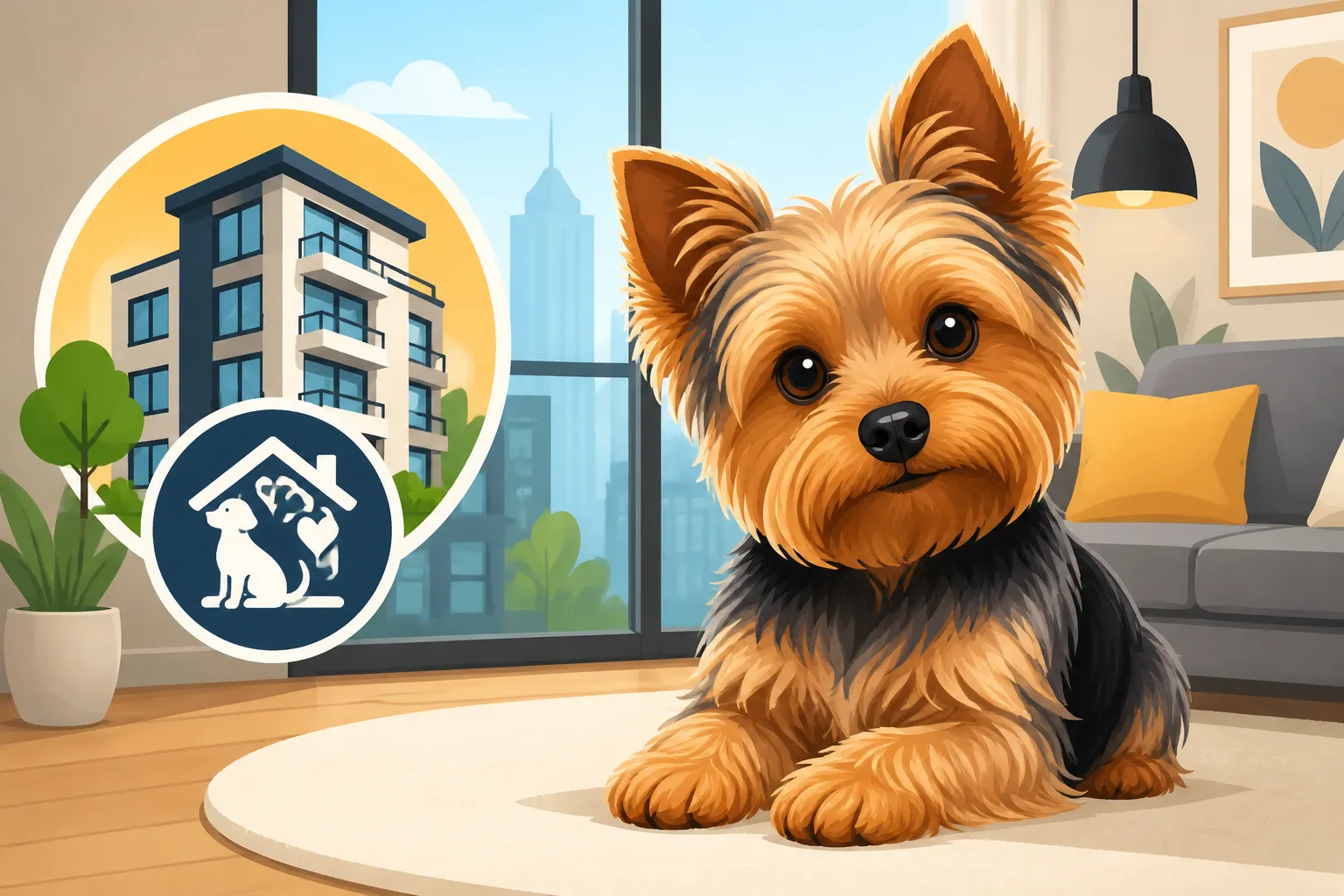
Yorkshire Terrier as Apartment Dogs
Bringing a new furry family member into an apartment can feel like a daunting task, especially when you're considering a breed known for its spirited personality. Many people worry that a smaller dog like a Yorkshire Terrier might struggle with limited space, or that their energetic nature could lead to endless barking and disruptive behavior in close quarters. This comprehensive guide is here to soothe those concerns, showing you exactly why Yorkshire Terriers are not just suitable but can actually thrive as apartment dwellers, and how you can create the perfect urban sanctuary for your beloved Yorkie.
Understanding the Yorkshire Terrier Temperament in Small Spaces
Yorkshire Terriers are undeniably small in stature, but they possess a personality that's larger than life. This combination actually makes them remarkably well-suited for apartment living, as long as their human companions understand their unique needs and inherent traits. They’re not built for endless outdoor treks in extreme weather, but they crave interaction and mental stimulation.
Affectionate Companionship and Indoor Adaptability
One of the most endearing qualities of a Yorkshire Terrier is their intense loyalty and desire to be close to their people. They thrive on companionship and genuinely prefer spending time snuggled up on the couch, following you from room to room, or simply being in the same space as their family. This deep bond means they're often content with indoor activities, as long as they get enough quality time with you. They're not the type of dog that needs acres of land to feel fulfilled; a cozy apartment with a loving owner is often their ideal setup. They adapt quickly to indoor routines, making them excellent companions for those living in city apartments or smaller homes where a sprawling backyard isn't an option. Their compact size makes them easy to manage in confined spaces, allowing them to navigate small living rooms and hallways without feeling cramped.
Energy Levels and Playtime for Apartment Dwellers
While Yorkies have bursts of energy, they don't typically require hours of strenuous exercise like some larger working breeds. Their exercise needs can often be met with indoor play sessions and short, regular walks. A quick game of fetch down a hallway, chasing a toy mouse, or even a session with a puzzle toy can do wonders for burning off steam. It's crucial to remember that a tired Yorkie is a well-behaved Yorkie, and regular mental and physical stimulation prevents boredom-induced behaviors that might be problematic in an apartment setting. For instance, a half-hour brisk walk around the block twice a day, coupled with a few short playtimes inside, is usually more than enough to keep a healthy adult Yorkie happy and content. Neglecting their exercise can lead to restless behavior, which can manifest as excessive barking or destructive chewing – things you definitely want to avoid when sharing walls with neighbors!
Meeting Exercise Needs Without a Yard
The lack of a private yard is often the biggest concern for prospective apartment dog owners. However, with Yorkshire Terriers, this isn't nearly as big of an obstacle as it might seem. Their small size means their exercise requirements are generally easy to meet, even within the confines of an apartment complex.
Creative Indoor Play and Mental Stimulation
Indoor play is a fantastic way to keep your Yorkie physically and mentally engaged, especially on days when the weather isn't cooperating for outdoor adventures. Think beyond just tossing a toy. Interactive puzzle toys, like those you can find on sites like Chewy, are excellent for mental stimulation, forcing your Yorkie to problem-solve for treats. Training sessions, even short 10-15 minute bursts of practicing commands like "sit," "stay," and "come," can be surprisingly tiring for a Yorkie and help reinforce good behavior, which is vital in an apartment. Agility courses made from household items – pillows to jump over, blankets to tunnel through – can also provide a fun and stimulating workout. Remember, a bored Yorkie is often a mischievous Yorkie, and providing plenty of opportunities for engaging play will keep them happy and prevent unwanted behaviors. You can also explore options like a flirt pole, which can provide a vigorous chase game in a small space, mimicking prey drive in a safe, contained manner.
Outdoor Adventures and Leash Etiquette
Even if your Yorkie gets plenty of indoor exercise, daily outdoor walks are essential for their well-being. These walks provide crucial sensory enrichment, allowing them to sniff new smells, see different sights, and engage with the world outside their apartment. For a Yorkshire Terrier, two to three short walks a day (around 15-20 minutes each) are typically sufficient. Always ensure your Yorkie is walked on a leash and harness, never just a collar, as their delicate tracheas are susceptible to injury. You can learn more about proper gear by exploring Why Harnesses Are Better Than Collars for Yorkies. These outdoor excursions are also vital for potty breaks, and establishing a consistent schedule is key to preventing accidents inside. For dogs living in apartments, regular potty breaks become even more critical, and any deviation can lead to confusion and regression.
Managing Barking and Noise Levels in an Apartment
Yorkshire Terriers are known for their alert nature and can be quite vocal. This is perhaps the most significant concern for apartment dwellers, as excessive barking can quickly lead to neighbor complaints. However, with consistent training and management, a Yorkie's barking can be successfully controlled.
Understanding the Roots of Yorkie Vocalization
Before you can tackle barking, it's helpful to understand why your Yorkie might be vocalizing. Yorkies often bark for several reasons:
- Alert Barking: They are natural watchdogs and will often alert you to anything they perceive as unusual – a knock on the door, someone in the hallway, or a squirrel outside the window.
- Attention-Seeking Barking: If barking gets them what they want (your attention, a treat, playtime), they will continue to do it.
- Boredom or Loneliness: A Yorkie left alone with nothing to do, especially one suffering from Yorkshire Terrier Separation Anxiety Solutions, might bark out of frustration or anxiety.
- Excitement: Sometimes, they just get overly excited during playtime or when a familiar person arrives.
Identifying the trigger is the first step toward effective management. For instance, if your Yorkie barks at every sound in the hallway, white noise machines or classical music can help mask external noises. For insights into deeper vocal issues, you might find How to Stop a Yorkie from Barking to be a helpful resource.
Strategies for Quieter Apartment Living
Successfully managing barking in an apartment requires a multi-faceted approach centered on training and environmental management.
- Consistent Training: Teach your Yorkie a "quiet" command. When they bark at a trigger, acknowledge it, then calmly say "quiet," and reward them with a small, high-value treat when they stop barking, even for a second. Gradually increase the duration they need to be quiet before getting the reward.
- Desensitization: If your Yorkie barks at specific sounds (like the doorbell or people walking by), try to desensitize them. Play recordings of these sounds at a low volume and reward calm behavior. Gradually increase the volume over time.
- Manage Triggers: If your Yorkie barks at things outside the window, limit their access to the window when you're not there to supervise. Consider using frosted window film or blinds.
- Enrichment: Ensure your Yorkie has plenty of appropriate toys and chew items to keep them occupied, especially when you're not actively engaging with them. A busy mind is often a quiet mind. You can find a great selection of durable chew toys suitable for Yorkies on Chewy.
- Crate Training: A well-crate-trained Yorkie often feels secure in their den, reducing anxiety that can lead to barking when left How to Leave a Yorkie Home Alone. Make sure the crate is the right size; a Yorkie Crate Size Guide can help you choose appropriately.
| Barking Trigger | Common Cause | Apartment Management Strategy |
|---|---|---|
| Doorbell/Hallway Noises | Alerting, territorial | Desensitization, white noise machine, classical music, "quiet" command. |
| Strangers/Passing Dogs | Fear, excitement, territorial | Leash training, positive reinforcement during encounters, window coverings, distraction with toys. |
| Left Alone (Separation) | Anxiety, boredom | Crate training, puzzle toys, classical music, short absences initially, consult vet for severe cases. |
| Seeking Attention | Learned behavior | Ignore barking for attention, reward quiet behavior, teach alternative ways to communicate (e.g., ringing a bell to go out). |
| Play/Excitement | Over-stimulation | Redirect with a calmer activity, teach "settle" command, manage playtime intensity. |
Potty Training and Cleanliness in Apartment Life
Potty training a Yorkshire Terrier can sometimes feel like a marathon, especially in an apartment where direct backyard access isn't always an option. However, with consistency, patience, and the right tools, apartment living doesn't have to mean endless accidents.
Establishing a Consistent Potty Routine
The cornerstone of successful potty training for any dog, but especially a small breed in an apartment, is a rigorous and predictable schedule. Puppies need to go out frequently – every 2-3 hours, after waking up, after eating, and before bed. Adult Yorkies typically need to go out 3-5 times a day. Take your Yorkie to the same designated potty spot each time, whether it's a patch of grass outside your building or a specific potty pad area indoors. Always praise and reward them immediately when they go in the correct spot. Never punish accidents, as this can make your Yorkie fearful of going in front of you and lead to hidden accidents. Instead, calmly clean up the mess with an enzymatic cleaner to eliminate odors that might attract them back to the same spot. Consistency is crucial; every member of the household should adhere to the same schedule. For more in-depth advice, refer to our Yorkshire Terrier Potty Training Guide.
Essential Gear for Apartment Potty Training
Apartment living often requires a few extra considerations for potty training. Potty pads are a popular choice for many apartment dwellers, offering a convenient indoor option, especially for very young puppies or during inclement weather. Ensure you place them in a consistent, easy-to-access location. Some Yorkie owners even transition to a real grass patch or a synthetic turf potty system, which can be placed on a balcony or patio, mimicking an outdoor experience while still being readily accessible. When it's time for outdoor breaks, a sturdy, comfortable harness and leash are non-negotiable. Having a supply of waste bags is also crucial for responsible pet ownership in shared community spaces. Many of these essential items, from training pads to enzymatic cleaners and harnesses, are readily available at pet supply retailers like Chewy.
Socialization and Safety in a Shared Environment
Living in an apartment means your Yorkie will encounter many more sights, sounds, and people than a dog with a secluded backyard. Proper socialization is paramount to ensure your Yorkie is confident, well-adjusted, and a good neighbor.
Introducing Your Yorkie to Apartment Neighbors and Guests
From a young age, it's important to expose your Yorkie to a variety of people in a positive way. This includes neighbors, delivery drivers, and guests who visit your apartment. Supervised, positive interactions help your Yorkie learn that new people are a source of good things, not threats to be barked at. Keep initial greetings calm and controlled. Ask neighbors to offer a small treat and gentle praise when meeting your Yorkie. Avoid allowing strangers to overwhelm your small dog, especially when they are puppies. A bad experience can create lasting fear. For adult Yorkies, gradual introductions and positive reinforcement remain key. If your Yorkie tends to be shy or nervous around new people, you'll want to take it slow and ensure every interaction is a positive one. You can find useful tips for overall behavior and training in our guide, Are Yorkshire Terriers Easy to Train.
Navigating Common Areas and Protecting Your Small Dog
Apartment complexes often have shared spaces like lobbies, elevators, hallways, and sometimes even dog parks. These areas present unique challenges and opportunities for a small dog like a Yorkie. Always keep your Yorkie on a leash in common areas, not just for compliance with apartment rules, but for their safety. Other residents, children, or larger dogs might not see your small Yorkie, and an unleashed Yorkie is at higher risk of accidental injury. Be vigilant in elevators and hallways; if a larger, potentially boisterous dog approaches, pick up your Yorkie to keep them safe. Carry them in crowded areas if necessary. Dog parks, if available and safe, can be great for socialization, but always ensure your Yorkie only interacts with dogs of similar size and temperament to prevent accidental injuries. Regular Yorkshire Terrier Daily Care Routine will also involve being mindful of potential hazards.
Long-Term Considerations for Apartment Living with a Yorkie
Owning a Yorkshire Terrier in an apartment is a commitment, but a truly rewarding one. Beyond the initial training and daily routines, there are ongoing considerations to ensure your Yorkie thrives throughout their life in an urban environment.
Maintaining Mental Well-being and Preventing Boredom
A Yorkie's mental health is just as important as their physical health. In an apartment setting, where outdoor space might be limited, it's crucial to consciously provide mental stimulation to prevent boredom and destructive behaviors. Rotating toys, introducing new puzzle games, and engaging in short training sessions throughout the day can keep their minds sharp and engaged. Consider enrolling in puppy classes or obedience training – not only does it provide socialization, but it also offers structured mental challenges. For dogs that might struggle with being left alone, especially those prone to Yorkshire Terrier Separation Anxiety Solutions, interactive feeders or long-lasting chews can help pass the time. Companies like Chewy offer a wide array of mental stimulation toys designed to keep small dogs entertained.
Health, Grooming, and Veterinary Care for Urban Dwellers
Living in an apartment doesn't change a Yorkie's fundamental health and grooming needs, but it might slightly alter how you approach them. For instance, frequent walks on pavement can keep nails naturally shorter, but regular checks and trims are still necessary. Their long, silky coats require consistent Yorkshire Terrier Grooming Guide to prevent mats, which can be even more likely if they're frequently bundled up in sweaters for cold weather walks. Given their delicate nature, being aware of Yorkshire Terrier Health Problems to Know is vital for any owner. Regular veterinary check-ups are paramount, and for apartment dwellers, finding a vet conveniently located or one that offers mobile services can be a huge benefit. Being proactive about their health and staying on top of grooming will ensure your Yorkie remains comfortable and vibrant in their apartment home for years to come.
Disclaimer
This guide offers general information and recommendations for Yorkshire Terriers living in apartments. Every dog is an individual, and their specific needs may vary. Always consult with a professional veterinarian or certified dog trainer for personalized advice regarding your Yorkshire Terrier's health and behavior.