Yorkiepoo: Yorkshire Terrier Mix Guide
Trying to navigate the world of designer dog breeds can feel like a guessing game, especially when you're looking for that perfect companion who combines the best of two beloved breeds. It's common to feel overwhelmed by all the conflicting information out there about what a mixed breed will truly be like, and whether they’ll fit into your life. This comprehensive guide is here to unravel the mystery of the Yorkiepoo, offering realistic insights into their temperament, care, and what you can genuinely expect from this charming crossbreed.
Understanding the Yorkiepoo Breed
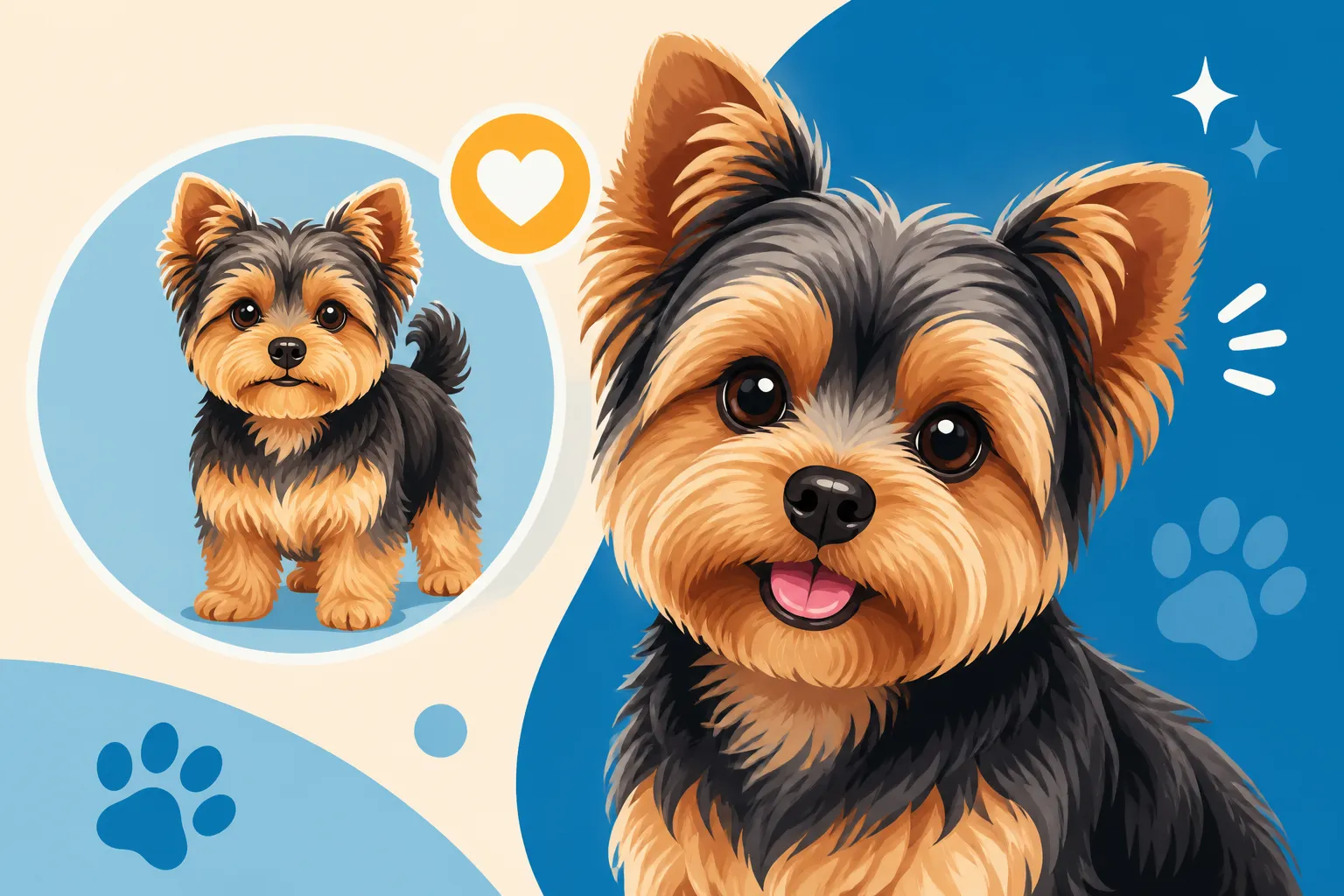
The Yorkiepoo, sometimes referred to as a Yorkipoo, is a popular designer dog breed that brings together the spunky spirit of the Yorkshire Terrier with the intelligent, often hypoallergenic qualities of the Poodle. Unlike purebred dogs with centuries of documented history, the Yorkiepoo is a newer blend, developed specifically to combine desirable traits from both parent breeds. This means that while there's a lot to love, there's also a spectrum of possibilities when it comes to any individual puppy. Many people are drawn to the idea of a mixed breed hoping for a healthier dog, which is a concept often tied to "hybrid vigor," but it's important to understand what that truly entails for your future companion.
The Parent Breeds: Yorkshire Terrier and Poodle
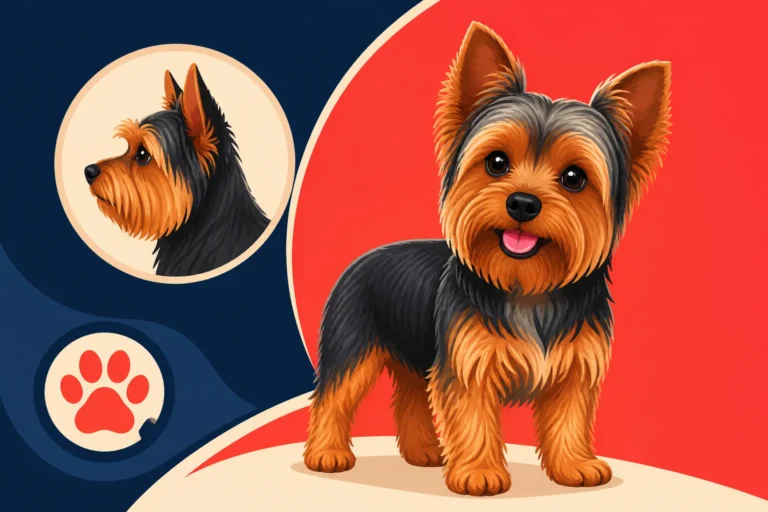
To truly understand a Yorkiepoo, you first need to get to know its lineage. On one side, you have the Yorkshire Terrier, a small dog with a huge personality. Yorkies, as we affectionately call them, are known for being bold, confident, and incredibly affectionate with their families. They typically have long, silky coats that require regular grooming, and they're celebrated for their intelligence and spirited nature. However, their small size can also mean they're prone to certain health challenges, and they can sometimes be a bit vocal, leading to behaviors like Why Does My Yorkie Keep Barking At Everything.
Then there's the Poodle, often misunderstood as simply a "fancy" dog. Poodles come in three sizes – Standard, Miniature, and Toy – and it's usually the Toy Poodle or Miniature Poodle that contributes to the Yorkiepoo mix due to size compatibility. Poodles are renowned for their exceptional intelligence, trainability, and their curly, low-shedding coats, which are often considered hypoallergenic. They are active, playful, and thrive on mental stimulation. Knowing these distinct characteristics of both the Yorkshire Terrier and the Poodle gives you a good foundation for predicting the potential traits of their offspring.
The Concept of Hybrid Vigor and What It Means
You might hear a lot about "hybrid vigor" when discussing mixed breeds like the Yorkiepoo. In essence, hybrid vigor, or heterosis, suggests that the offspring of two genetically distinct parents can sometimes be healthier and more robust than either parent breed. The idea is that by mixing two different genetic pools, you reduce the chances of inheriting recessive genetic diseases that might be more prevalent in a single purebred line due to generations of selective breeding within a limited gene pool.
However, it’s not a magic bullet. While a Yorkiepoo might indeed benefit from a broader genetic makeup, they are not immune to the health issues that affect either Yorkshire Terriers or Poodles. They can inherit predispositions to conditions from both sides of their family tree. For example, a Yorkiepoo could still be susceptible to issues common in Yorkies, such as Yorkshire Terrier Patellar Luxation: Signs and Care or Yorkshire Terrier Collapsing Trachea: Signs and Care, and also conditions seen in Poodles, like certain eye conditions or orthopedic problems. Responsible breeding of Yorkiepoos still involves health testing the parent dogs to minimize the risk of passing on known genetic ailments. So, while hybrid vigor offers potential advantages, it's not a guarantee of perfect health.
Yorkiepoo Temperament and Personality Traits
One of the most exciting, yet sometimes unpredictable, aspects of a mixed breed like the Yorkiepoo is their temperament. Since they're a blend, they can inherit any combination of traits from both the Yorkshire Terrier and the Poodle. This means each Yorkiepoo puppy will truly be an individual, but there are definitely some common threads that tend to run through the breed. Generally, Yorkiepoos are cherished for their loving, playful, and intelligent nature, making them wonderful companions for a variety of households.
Common Behavioral Tendencies You Can Expect
Most Yorkiepoos inherit a delightful mix of their parents' best qualities. You'll often find them to be incredibly affectionate and eager to be involved in whatever their human family is doing. They tend to be quite playful, enjoying games of fetch or chasing toys around the house. This playful energy can be a joy, but it also means they need regular opportunities to burn off steam, or you might find them getting into mischief. Many Yorkiepoos also inherit the Poodle's sharp intelligence, which makes them highly trainable, quick to pick up new commands, and eager to please. This can be a huge plus for new dog owners, especially if you're looking for a dog that's a bit more biddable than some of the more stubborn terrier breeds.
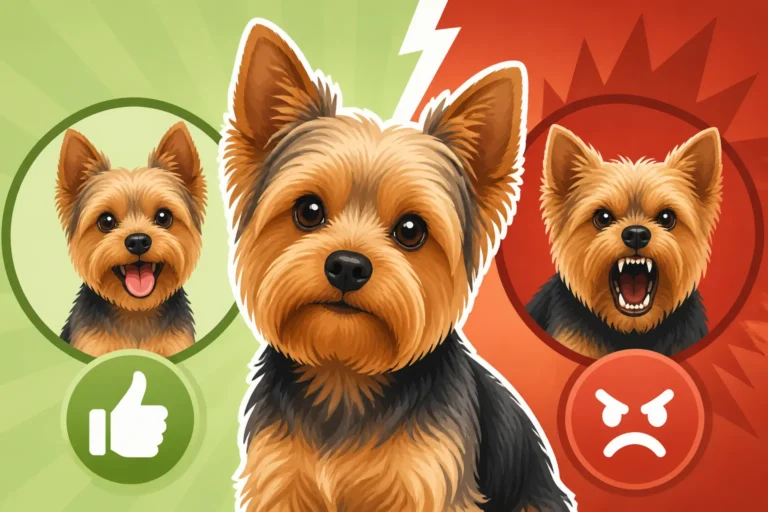
However, they can also inherit some of the more challenging traits. From their Yorkie side, they might have a tendency towards being a bit stubborn or bossy, sometimes displaying what's affectionately called "small dog syndrome" if not properly socialized and trained. Barking can also be a trait inherited from their terrier lineage, particularly at strangers or unexpected noises. While they love their families fiercely, they can sometimes be wary of new people or situations. Early and consistent training, often through positive reinforcement, is key to shaping a well-behaved Yorkiepoo. Consider enrolling in Yorkie Obedience Class vs Home Training for best results.
Socialization Needs and Family Dynamics
Yorkiepoos generally thrive on companionship and can develop strong bonds with their human families. This intense bond, however, can sometimes lead to separation anxiety if they're left alone for long periods without adequate preparation. If you're someone who spends long hours away from home, you'll need a plan to help your Yorkiepoo cope, such as doggy daycare, dog walkers, or enrichment toys to keep them occupied. Addressing Yorkie Separation Anxiety: Signs and Fixes early on is crucial for their well-being.
When it comes to living with children or other pets, early socialization is paramount. A well-socialized Yorkiepoo can be wonderful with respectful children, enjoying playtime and cuddles. However, due to their small size, supervision is always recommended, especially with very young children who might not understand how to gently interact with a small dog. Introducing a Yorkiepoo to other dogs or cats should be done carefully and positively to ensure a harmonious household. While many Yorkiepoos are friendly, some may inherit a more dominant or cautious streak, so slow and controlled introductions are always best, as discussed in detail in How to Introduce a Yorkie to Other Dogs.
Essential Care Requirements for a Yorkiepoo
Caring for a Yorkiepoo involves understanding the specific needs that arise from their unique genetic blend. From their coat type to their exercise requirements and potential health predispositions, being prepared for these aspects ensures a happy and healthy life for your furry friend. Don't let their small size fool you; these little dogs require dedicated care and attention, just like any other breed.
Grooming Your Yorkiepoo's Unique Coat
One of the biggest considerations for a Yorkiepoo is their coat. Since both Yorkshire Terriers and Poodles have continuously growing hair rather than fur, Yorkiepoos typically have low-shedding coats. This is often a huge draw for people with allergies, as they are considered more hypoallergenic than many other breeds. However, "low-shedding" definitely doesn't mean "low-maintenance" when it comes to grooming! Their coats can range from the fine, silky texture of a Yorkie to the curly, dense texture of a Poodle, or a combination of both.
Regardless of the exact texture, all Yorkiepoo coats require regular brushing—ideally daily or every other day—to prevent matting. Matting can be uncomfortable for your dog, pulling on their skin, and can even lead to skin infections. Beyond brushing, professional grooming every 4-8 weeks is usually necessary to keep their coat in good condition. This includes bathing, trimming, and often a sanitary clip. If you're keen to try some at-home grooming, you can find helpful tips in a Yorkshire Terrier Grooming Guide, but be prepared for a learning curve! Products from reputable brands like Chewy often offer a fantastic selection of brushes, shampoos, and conditioners specifically formulated for sensitive skin and curly or silky coats, which can make at-home grooming a bit easier.
Nutritional Needs and Exercise Considerations
Despite their small stature, Yorkiepoos are energetic little dogs who need appropriate nutrition and regular exercise. Their diet should consist of high-quality dog food formulated for small breeds, paying attention to appropriate portion sizes to prevent obesity, which can exacerbate joint issues. Look for formulas that support their unique coat health and energy levels. It's often recommended to feed them two small meals a day to help regulate their blood sugar, especially for younger puppies who might be prone to Yorkie Low Blood Sugar: What to Do. Consulting with your vet to determine the Yorkie Weight: Healthy Range by Age and the best food for your individual dog is always a good idea. Brands available on Chewy, for example, often have excellent options tailored to small breed needs.
In terms of exercise, Yorkiepoos might be small, but they aren't couch potatoes. They typically require at least 30-60 minutes of daily activity, which can be broken up into a couple of short walks, indoor playtime, or visits to a secure dog park (if well-socialized). Mental stimulation is just as important as physical exercise for these intelligent dogs. Puzzle toys, training sessions, and interactive games can help prevent boredom and destructive behaviors. While they enjoy outdoor adventures, their small size makes them susceptible to cold weather and potential prey animals, so always supervise outdoor play and consider a comfortable harness for walks.
Common Health Concerns to Watch For
As mentioned when discussing hybrid vigor, Yorkiepoos can inherit health conditions from either of their parent breeds. Being aware of these potential issues allows you to be proactive in their care and recognize symptoms early. Some of the more common health concerns seen in Yorkiepoos include:
- Patellar Luxation: A condition where the kneecap slips out of place, common in small breeds.
- Tracheal Collapse: Weakening of the windpipe, which can lead to a persistent cough. This is a significant concern for many small breeds, especially those with Yorkie lineage.
- Dental Disease: Small dogs are notoriously prone to dental issues. Regular Yorkshire Terrier Dental Care Guide is essential, including at-home brushing and professional cleanings.
- Legg-Calve-Perthes Disease: A hip joint disorder that can affect small breeds.
- Portosystemic Shunt (Liver Shunt): A congenital condition affecting blood flow to the liver, more common in Yorkshire Terriers.
- Eye Problems: Conditions like cataracts or progressive retinal atrophy can occur, similar to those seen in both Poodles and Yorkies, as explored in Yorkie Eye Problems Explained.
Regular veterinary check-ups are crucial for early detection and management of these conditions. A good breeder will provide health clearances for the parent dogs, significantly reducing the risk of genetic diseases. Remember, a proactive approach to their health, including proper nutrition, exercise, and veterinary care, is the best way to ensure your Yorkiepoo lives a long, healthy life.
Is a Yorkiepoo the Right Companion for Your Lifestyle?
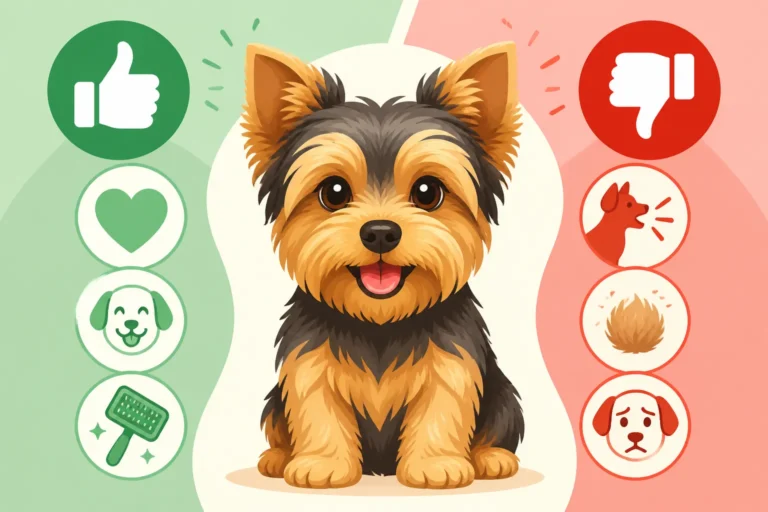
Bringing any dog into your home is a big decision, and with a Yorkiepoo, it's about evaluating if their typical traits and needs align with your lifestyle. They are charming, intelligent, and often cuddly, but they also come with their own set of requirements. Thinking through these aspects before committing will ensure a harmonious relationship for years to come.
Ideal Living Situations and Activity Levels
Yorkiepoos are incredibly adaptable dogs, making them suitable for a wide range of living situations. Their small size makes them excellent apartment dwellers, as they don't require a large yard to thrive. What they do require is consistent interaction and mental engagement from their owners. A Yorkiepoo isn't a dog you can simply leave alone for hours on end; they thrive on being part of the family action. If you work from home, are retired, or have a flexible schedule that allows for plenty of companionship, a Yorkiepoo could be an ideal fit. They are often described as "velcro dogs" because they love to be close to their people.
They are moderately active dogs. While they love a good romp and daily walks, they aren't typically suited for intense, long-distance activities. They enjoy mental challenges, agility training (at a small scale), and interactive toys. A busy family that can integrate their dog into their daily routines with short bursts of activity and lots of cuddle time would find a Yorkiepoo a delightful addition. However, if you're looking for a dog that can join you on strenuous hikes or marathons, a Yorkiepoo might not be the best match.
Addressing Potential Challenges and Preparing Your Home
While Yorkiepoos are generally wonderful companions, like all breeds, they come with their own set of potential challenges. Their intelligence, while a blessing for training, can also lead to boredom and destructive behaviors if not channeled appropriately. They might become vocal if not taught how to manage their barking. Potty training can sometimes be a test of patience, as small breeds often have tiny bladders and can be more difficult to housebreak, a common frustration for many new Yorkie owners. Consistent routines and positive reinforcement are key, and tools like potty pads, readily available from online pet suppliers like Chewy, can be helpful during the training phase.
Preparing your home for a Yorkiepoo involves more than just buying cute accessories. You'll need to dog-proof your living space, removing any small objects they might try to chew or swallow, and ensuring dangerous chemicals or foods are out of reach. Given their small size, they can easily get underfoot, so teach children and adults alike to be mindful of where the dog is. Providing a safe, comfortable crate can be invaluable for house training and as a den for your dog. Investing in good quality training treats and durable chew toys will also go a long way in setting both of you up for success.
Choosing a Yorkiepoo means embracing a charming, lively, and intelligent companion who will bring immense joy and cuddles into your home, provided you are ready to meet their specific needs for grooming, training, and companionship.
Disclaimer
Please note that the information provided in this guide is intended for general informational purposes only and does not constitute professional veterinary advice. Always consult with a qualified veterinarian for any health concerns or before making any decisions about your pet's health or treatment.