Are Yorkshire Terriers One-Person Dogs
It's a common concern, especially for those considering bringing a tiny bundle of joy like a Yorkshire Terrier into a bustling household or a multi-person family: "Are Yorkshire Terriers one-person dogs?" The image of a small dog clinging solely to one individual, perhaps growling at others, can be daunting. This guide will dive deep into the fascinating world of Yorkie attachment, exploring if this "one-person dog" label truly fits, why it might seem that way, and how you can foster a well-rounded, loving companion for everyone in your life.
Understanding the "One-Person Dog" Reputation for Yorkshire Terriers
The idea that some dog breeds are inherently "one-person dogs" is widespread, and Yorkshire Terriers often find themselves grouped into this category. It's a perception that arises from their deep loyalty, affectionate nature, and often, their preference for a primary caregiver. However, it's crucial to distinguish between a dog having a favorite person and a dog being utterly incapable of bonding with anyone else.
The Deep Bond Yorkies Form
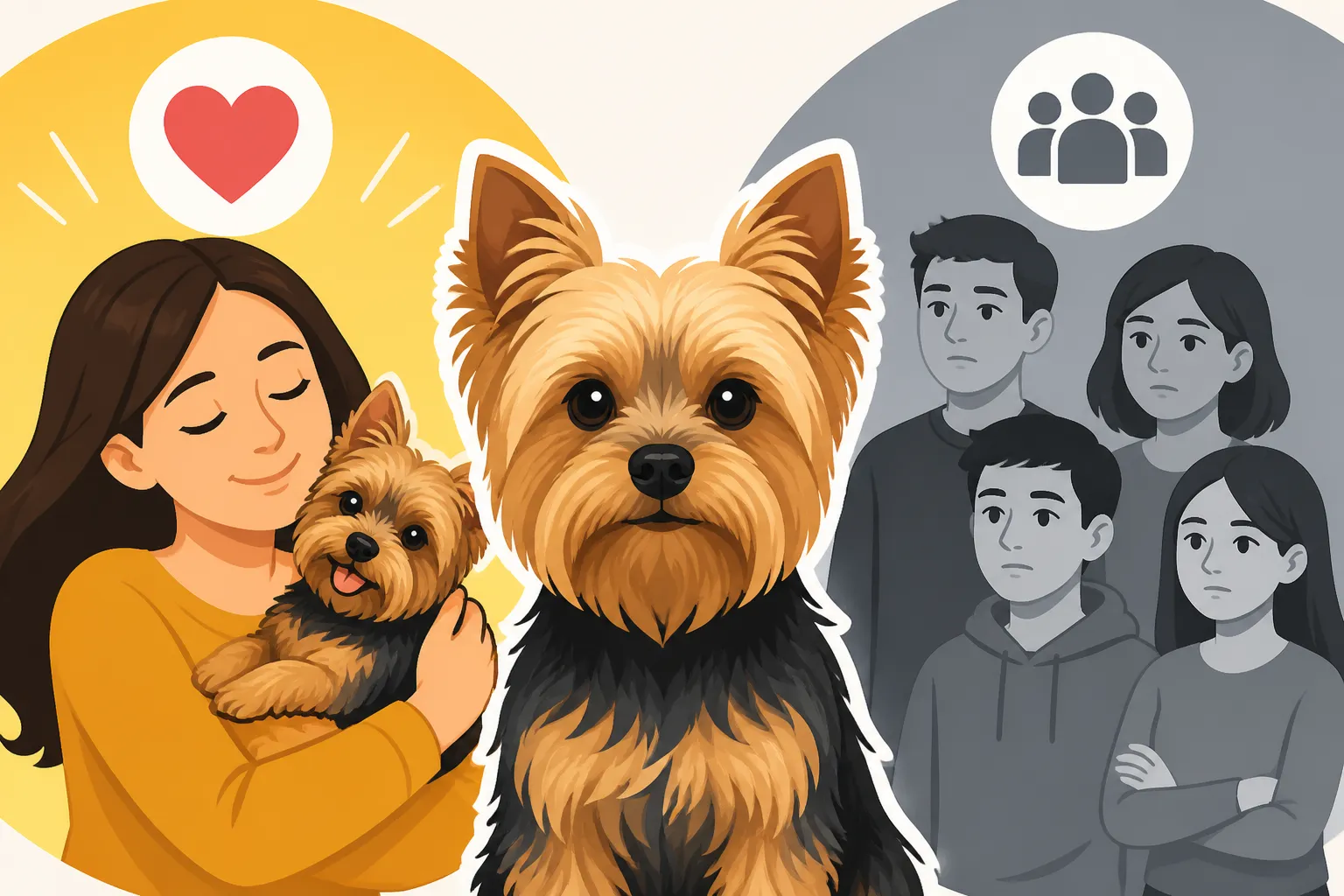
Yorkshire Terriers are known for their immense devotion and often create an incredibly strong, almost shadow-like bond with one particular individual. This isn't necessarily a negative trait; it's a testament to their loyalty and capacity for deep affection. When a Yorkie chooses their person, they often become an inseparable companion, following them from room to room, seeking their lap for cuddles, and generally preferring their company above all others. This intense connection can sometimes be mistaken for an inability to connect with others, but in reality, it often just means they have a clear favorite in their human pack.
For many Yorkie owners, this close bond is one of the most endearing qualities of the breed. They thrive on companionship and being near their chosen human. This doesn't mean they dislike other people; it simply means their primary person is their world. They might be friendly and polite to others, accepting pets and attention, but they’ll always gravitate back to their main person for comfort and security. Think of it like a child who loves all their relatives but always runs to mom or dad when they need reassurance.
Why the Perception Lingers
Several factors contribute to the "one-person dog" reputation. Firstly, their small size and historical role as lap companions often meant they spent a lot of time in close contact with a single owner. Unlike larger working breeds designed to interact with many different people, Yorkies were often pampered pets, leading to intense singular bonds. Secondly, the breed's natural tendencies towards being a bit particular or sometimes even "bossy" can be misconstrued. If a Yorkie is not properly socialized or trained, they might exhibit protective behaviors towards their favorite person, which can certainly look like they prefer only one human.
Another contributing factor is simply anecdote. You'll hear countless stories from Yorkie owners describing their dog's unwavering dedication to them, often to the exclusion of other family members. While these stories are true to the individual experience, they don't paint a complete picture of the breed's potential. A Yorkie's temperament and personality, like any dog's, are shaped by genetics, early experiences, and ongoing training and socialization. A Yorkie that isn't exposed to a variety of people and situations might indeed become overly reliant on one person, but this is more a result of circumstance than an inherent genetic flaw. We talk more about their general traits in our comprehensive guide, "Yorkshire Terrier Temperament and Personality".
Factors Influencing a Yorkie's Bonding Patterns
While Yorkies definitely have a tendency towards strong, singular attachments, it's not a foregone conclusion that they will be only one-person dogs. Several critical factors play a significant role in how a Yorkie forms bonds within a household.
Early Socialization and Exposure
One of the most powerful influences on a Yorkie's bonding patterns is their early socialization. Puppies who are exposed to a wide variety of people, sounds, sights, and experiences during their critical socialization period (roughly 3 to 16 weeks of age) tend to grow into more confident, adaptable, and friendly adults. If a Yorkie puppy primarily interacts with only one person during this formative time, it's highly likely they will imprint most strongly on that individual.
Think about a Yorkie puppy from a responsible breeder who handles them regularly, exposing them to different family members, gentle children, and even other calm, vaccinated pets. That puppy is far more likely to develop a broader capacity for affection than a puppy raised in isolation with only one human. Continuing this socialization throughout their lives is crucial. Regularly inviting friends over, taking them to pet-friendly stores, and enrolling in puppy classes can help them see that many humans are sources of positive experiences. This is explored further in "How to Socialize a Yorkshire Terrier".
Consistent Caregiver and Routine
Dogs are creatures of habit, and Yorkies are no exception. The person who consistently feeds them, takes them for walks, plays with them, and provides comfort will naturally become a focal point in their world. If one person in the household is solely responsible for all of these tasks, it stands to reason that the Yorkie will develop a stronger attachment to that individual. This isn't about exclusive love, but rather recognizing the primary provider of their needs and security.
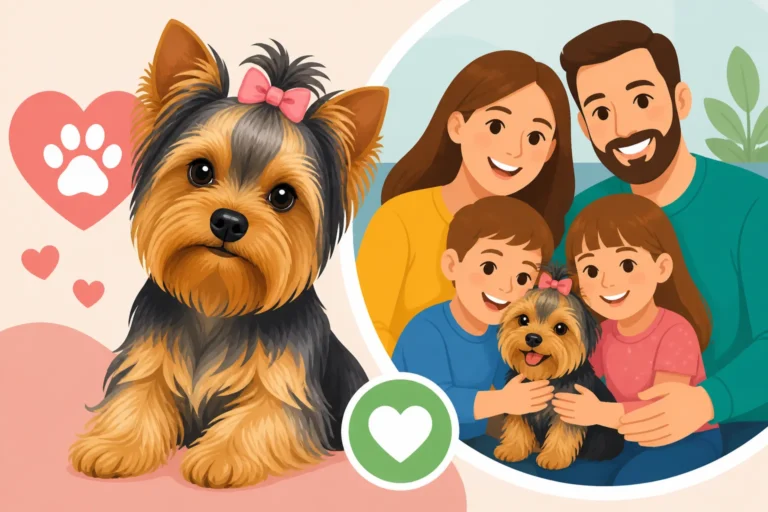
In households where multiple people share caregiving duties, a Yorkie might still have a favorite, but they will likely develop strong, positive relationships with everyone involved. For instance, if one person handles breakfast and morning walks, another takes on evening playtime, and a third is the primary source of bedtime cuddles, the Yorkie learns to associate positive experiences with multiple people. This distributed care helps build trust and affection across the board, demonstrating that "Are Yorkshire Terriers Good Family Dogs" can indeed be a resounding yes.
Individual Yorkie Personality
Just like people, every Yorkie has a unique personality. Some are naturally more outgoing and eager to greet everyone, while others are more reserved and take time to warm up. Even within the same litter, you'll find variations. A Yorkie with a naturally timid disposition might lean more heavily on one trusted person for security, becoming more of a "one-person dog" out of necessity rather than preference. On the other hand, a bold and confident Yorkie might happily spread their affection around to everyone they meet.
Factors like genetics from their parents can also play a role in their innate confidence levels. A Yorkie’s individual experiences, such as previous negative encounters or lack of positive exposure, can also shape how open they are to new people. For example, a rescue Yorkie who has experienced neglect might initially bond very tightly with one rescuer or adopter as a coping mechanism. Understanding their unique temperament is key to helping them build confidence and broaden their circle of trust, which is something we discuss when exploring "How to Build Confidence in a Timid Yorkie".
Here's a quick comparison of factors influencing Yorkie bonding:
| Factor | Leans Towards One-Person Bond | Fosters Multi-Person Bonds |
|---|---|---|
| Early Socialization | Limited exposure, primary interaction with one individual | Wide exposure to various people, places, and gentle experiences |
| Caregiving | One person solely handles feeding, walks, training, and comfort | Multiple family members share responsibilities consistently |
| Individual Temperament | Naturally shy, timid, or past negative experiences | Confident, outgoing, resilient |
| Training Philosophy | Minimal or inconsistent training, allowing protective behavior | Positive reinforcement, clear boundaries, focus on polite greetings |
| Household Dynamics | Single-person household, or one person is always primary focus | Multi-person household where all engage with the Yorkie |
Nurturing a Well-Adjusted, Social Yorkie
The good news is that even if your Yorkie shows a strong preference for one individual, it doesn't mean they can't be a happy, well-adjusted member of a multi-person household. With intentional effort, you can encourage them to form positive relationships with everyone.
Shared Responsibilities and Positive Reinforcement
The simplest way to encourage broader bonding is to ensure that multiple family members are involved in the Yorkie's daily care and positive interactions. Don't let one person be the sole provider of all good things. Everyone in the household should participate in feeding, walks, playtime, and training sessions. When everyone is seen as a source of treats, toys, and affection, the Yorkie learns to appreciate and trust each individual.
For instance, if one person always gives the evening meal, rotate that duty among family members. If you're using treats for training, make sure everyone has an opportunity to offer them during command practice. This positive association is incredibly powerful. When multiple people offer treats from a trusted brand like Chewy, for example, your Yorkie will associate many people with good things! This helps reinforce the idea that all family members are valuable and safe. When discussing "How to Train a Yorkshire Terrier", we always emphasize consistency across all family members.
Structured Socialization with All Family Members and Beyond
Beyond just daily care, actively create opportunities for positive, structured interaction between your Yorkie and all family members. This could involve short play sessions, quiet cuddle times, or even just sitting together on the couch while everyone gives gentle pets. Make sure these interactions are always positive and never forced. If your Yorkie seems overwhelmed or uncomfortable, back off and try again later with a less intense approach.
Extend this socialization beyond the immediate family. Gently introduce your Yorkie to friends and extended family members in a calm, controlled environment. Ensure these encounters are positive, perhaps by having guests offer a small, high-value treat or engage in a brief, gentle play. This helps your Yorkie generalize that people outside their immediate circle can also be good and friendly. Regular exposure to different people helps prevent them from becoming overly protective or fearful of strangers, reducing potential "Yorkshire Terrier Behavior Problems and Solutions".
Training and Confidence Building
Consistent training with positive reinforcement is not just about teaching commands; it's about building your Yorkie's confidence and reinforcing good behavior. When a Yorkie feels secure and understands what is expected of them, they are generally less prone to anxiety or overly possessive behaviors. Ensure that all family members are involved in training, using the same cues and rewards to avoid confusion. This shared activity further strengthens bonds.
For instance, practicing commands like "sit," "stay," and "come" with different family members in various settings can help your Yorkie understand that these commands apply universally, regardless of who is giving them. If your Yorkie is prone to barking at new people or acting timid, focused training and positive exposure can help them overcome these tendencies. A confident Yorkie is a happier, more adaptable Yorkie who is less likely to cling exclusively to one person out of fear or insecurity. Our "Yorkshire Terrier Puppy Training Schedule" provides a great roadmap for starting early.
Addressing Specific Challenges with Yorkie Attachment
Even with the best intentions, you might encounter situations where your Yorkie exhibits strong "one-person dog" tendencies. It’s important to address these behaviors with understanding and consistent strategies.
Managing Protective or Possessive Behavior
Sometimes, a Yorkie's strong bond can manifest as protective or possessive behavior towards their favorite person, or even towards specific items like toys or beds. They might growl, bark, or snap at others who approach their chosen human or their perceived possessions. This is often rooted in insecurity or a lack of clear boundaries, rather than malice. To address this, it's crucial that the favorite person plays a key role in setting boundaries and reinforcing positive behavior.
The "favorite person" should step in calmly and redirect the Yorkie’s attention, perhaps by asking them to perform a simple command for a treat. They should avoid inadvertently reinforcing the protective behavior by picking up the dog or soothing them when they're acting possessive. Instead, encourage interaction between the Yorkie and other family members. For example, if your Yorkie growls when another family member approaches, have the other family member offer a high-value treat and speak in a calm, friendly tone. Over time, the Yorkie learns to associate others with positive experiences and to respect shared spaces. If these behaviors escalate, professional help from a certified dog trainer might be necessary.
Dealing with Separation Anxiety in Multidog or Multihuman Households
If your Yorkie is truly a "one-person dog" and that person leaves, they might develop separation anxiety. This can manifest as excessive barking, destructive chewing, inappropriate urination or defecation, or pacing when the favored individual is away. While common, it's a distress signal and needs to be addressed seriously. One key strategy is to ensure that your Yorkie is comfortable being alone with other family members, not just completely by themselves.
Gradually increase the time the primary person spends away from the Yorkie while other family members are present. Encourage the Yorkie to engage with other family members through play or quiet cuddle sessions. Provide engaging toys, like puzzle feeders filled with treats from Chewy, to keep them occupied when the primary person is out of sight. Practicing short, frequent departures and returns, where the primary person leaves for a few minutes and comes back without fanfare, can help desensitize the Yorkie to departures. More intensive strategies for "Yorkshire Terrier Separation Anxiety Solutions" or "Yorkie Separation Anxiety: Signs and Fixes" often involve professional guidance, especially for severe cases.
Encouraging Independence and Self-Confidence
Even for a dog that loves its human deeply, fostering a sense of independence and self-confidence is vital for their overall well-being. A Yorkie who is overly reliant on one person might struggle when that person is unavailable, leading to stress for both dog and owner. Encourage your Yorkie to explore on their own, play with toys independently, and settle down in different areas of the house, not just right next to their favorite person.
Provide a comfortable, safe "den" area, like a crate or a cozy bed in a quiet corner, where your Yorkie can retreat and feel secure. This space should be their own, a place where they can relax undisturbed. Engage them in enrichment activities that stimulate their minds, such as snuffle mats or chew toys. These activities encourage independent play and problem-solving. A Yorkie who feels confident in their environment and with their own abilities is less likely to feel the need to cling exclusively to one person for security. This also helps in creating a harmonious environment if you are planning on "How to Introduce a New Yorkie Puppy to a Resident Dog".
Final Thoughts: A Lover of Many, or a Loyal Companion?
So, are Yorkshire Terriers one-person dogs? The answer isn't a simple yes or no. While they often form an incredibly strong bond with a primary caregiver, making them appear to be "one-person dogs," this doesn't preclude them from loving and interacting positively with others in the household. Their deep loyalty is a hallmark of the breed, a quality cherished by many Yorkie owners.
With proper socialization from an early age, consistent shared caregiving responsibilities, and intentional efforts to create positive interactions with everyone in the family, a Yorkshire Terrier can absolutely be a loving, well-adjusted companion to a whole family. They might always have a favorite, that one human they gravitate towards for ultimate comfort, but their capacity for affection is broad. By understanding their tendencies and actively working to integrate them into a multi-person dynamic, you can ensure your Yorkie thrives and shares their vibrant personality and boundless love with everyone lucky enough to be in their orbit.
Disclaimer
Please remember that the information provided in this article is for general informational purposes only and does not constitute professional veterinary advice. Always consult with a qualified veterinarian for any health concerns or before making any decisions about your pet's health or treatment.