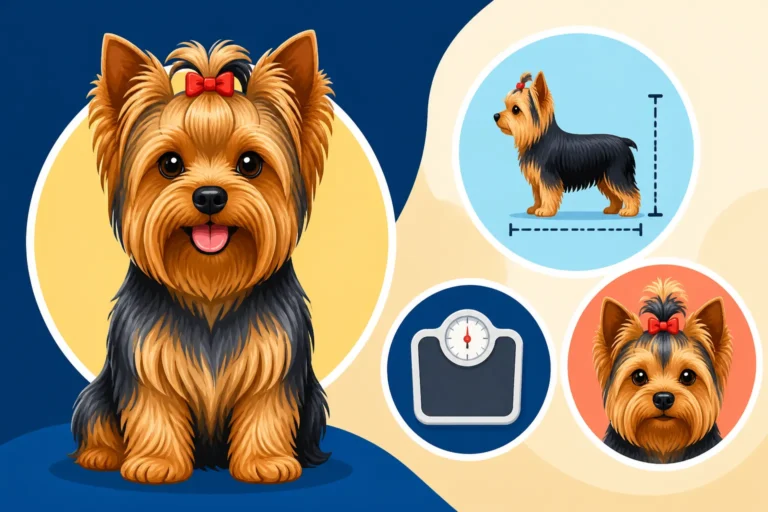
What It’s Like to Own a Yorkshire Terrier
Bringing a Yorkshire Terrier into your life is an adventure, often painted with images of tiny, fluffy companions toted in designer bags. While they certainly are adorable and compact, the reality of owning a Yorkie is a rich tapestry of unique personality quirks, specific care needs, and an unwavering loyalty that will steal your heart. It’s not always glamorous, let me tell you, but it’s undeniably rewarding. This guide will walk you through the day-to-day, the joys, and the occasional challenges, giving you a realistic picture of what life with one of these spirited little dogs truly entails.
The Unique Personality of a Yorkshire Terrier
If you’re expecting a quiet, docile lapdog, think again! Yorkies, despite their small stature, carry the heart of a much larger terrier. They are bold, confident, and full of character, and understanding this feisty spirit is key to a harmonious life together.
Big Dog in a Small Body: Temperament and Attitude
Yorkshire Terriers are renowned for their "big dog" personality packed into a tiny frame. They aren't afraid to stand up for themselves, whether it's against a much larger dog at the park or a perceived intruder (which might just be the mail carrier!). This inherent confidence is part of their charm, but it also means they require consistent training and socialization from an early age. Without it, they can develop what's often called "small dog syndrome," believing they rule the roost and becoming bossy or fearful.
It’s truly something to behold watching a five-pound Yorkie puff out their chest. They descend from ratters, after all, and that fearless, tenacious spirit is still very much alive. This means they are alert, curious, and always ready for action. They thrive on mental stimulation and enjoy being part of family activities, whether it's a walk around the block or just snuggling up on the couch for movie night. Understanding their Yorkshire Terrier Temperament and Personality is crucial for a happy home.
Vocal Tendencies: Understanding the Bark
Oh, the Yorkie bark. It's a sound many Yorkie owners know intimately, and it can be a source of both amusement and frustration. These little dogs are natural alarm systems, quick to alert you to anything they perceive as unusual – a leaf blowing across the yard, someone walking past the window, or the doorbell ringing on TV. They have a surprisingly loud bark for their size, and they're not shy about using it.
This vocal nature is part of their terrier heritage, but it’s also something that needs to be managed with patient training. While you might not eliminate barking entirely, you can teach them when it’s appropriate to bark and when it’s time to be quiet. Ignoring unwanted barking and rewarding quiet moments is a good start. For more specific strategies, you might want to look into How to Stop a Yorkie from Barking. It's a common issue, and you're definitely not alone in facing it!
Bonding and Affection: The Velcro Dog Syndrome
Despite their independent streak, Yorkshire Terriers are deeply affectionate dogs who form incredibly strong bonds with their human families. They often become "Velcro dogs," shadowing their favorite person from room to room, eager to be involved in whatever you're doing. They thrive on companionship and genuinely want to be close to you, often preferring to curl up in your lap or snuggle under a blanket beside you.
This intense loyalty and desire for closeness means they aren't dogs who do well being left alone for long periods. They can be prone to Yorkshire Terrier Separation Anxiety Solutions if not properly acclimated or if they don't get enough interaction. Providing plenty of attention, playtime, and a comfy spot near you will make your Yorkie feel loved and secure. They truly want to be your shadow, and honestly, it’s one of the most endearing parts of owning one!
Daily Life and Care Routines
Owning a Yorkie isn't just about their personality; it also involves specific daily routines that cater to their unique physical needs, particularly their luxurious coat and small size.
Grooming the Silky Coat: More Than Just Pretty Hair
Let’s be real, that long, silky Yorkshire Terrier coat is gorgeous, but it's a commitment! Their hair is more like human hair than typical dog fur, which means it grows continuously and requires regular attention to prevent matting and tangles. Daily brushing is non-negotiable if you want to keep it long and flowing. If you skip a few days, you'll quickly find knots forming, especially in friction areas like behind the ears, under the legs, and around the collar.
Many owners opt for a shorter "puppy cut" or "teddy bear cut" to make daily grooming more manageable, which still requires regular brushing a few times a week, along with professional grooming appointments every 4-6 weeks. Beyond brushing, regular baths are essential to keep their coat clean and healthy. You'll find everything from specialized shampoos to detangling sprays on sites like Chewy that can make the process easier. Don't forget their delicate skin can be sensitive, so choosing the right products is key. For a deep dive, check out our Yorkshire Terrier Grooming Guide.
Exercise Needs: Small but Mighty
Given their tiny size, you might think Yorkies don't need much exercise. While they won't require miles of running like a Border Collie, they are still active and playful dogs that benefit from daily physical activity. A couple of short walks a day, combined with indoor playtime, usually suffices. They love to chase toys, play fetch, and explore the backyard.
Mental stimulation is just as important as physical exercise for these intelligent little dogs. Puzzle toys, training sessions, and interactive games can keep their minds sharp and prevent boredom-induced behaviors. A tired Yorkie is a well-behaved Yorkie, and while they might look like they'd be content as couch potatoes all day, they truly do enjoy getting out and moving. Even a quick stroll around the neighborhood to sniff new smells can be a huge highlight of their day!
Nutritional Considerations and Mealtime Habits
Yorkies have fast metabolisms and delicate digestive systems, which means their diet is incredibly important. They require high-quality dog food formulated for small breeds, typically fed in small, frequent meals throughout the day, especially as puppies, to prevent hypoglycemia (low blood sugar). This is a very real concern for such tiny dogs, and something every Yorkie owner needs to be aware of.
Many owners find convenience in ordering their Yorkie's specific diet, like Royal Canin Yorkshire Terrier Adult Dry Dog Food, from online retailers such as Chewy, ensuring they always have the right food on hand. Always measure their food portions carefully to maintain a healthy weight. Overfeeding, even slightly, can lead to obesity and put strain on their tiny joints. Fresh water should always be available, and occasional healthy treats are fine in moderation. For more detailed information on what to feed your furry friend, consider reading about the Best Dog Food for Yorkshire Terriers.
Health and Wellness Realities
While generally a healthy breed with a good lifespan (many live 12-15 years or even longer), Yorkshire Terriers are prone to certain health conditions due to their small size and genetic predispositions. Being aware of these and taking proactive steps is a vital part of owning a Yorkie.
Common Health Concerns to Be Aware Of
Yorkies, like many purebreds, have a predisposition to specific health issues. Patellar luxation, where the kneecap slips out of place, is quite common and can cause limping. Tracheal collapse, a weakening of the windpipe, can lead to a distinctive honking cough, especially under excitement or when pulling on a collar (which is why harnesses are often recommended!). Hypoglycemia, or low blood sugar, is a particular risk for puppies and smaller adults, especially if they skip meals.
Other concerns include liver shunts, dental disease, and certain eye conditions. It’s not about being alarmist, but about being informed. Knowing about Yorkshire Terrier Health Problems to Know allows you to recognize symptoms early and seek veterinary care. Regular vet check-ups are paramount for early detection and management of these issues.
Proactive Care and Veterinary Visits
Proactive care starts from day one. Choosing a reputable breeder who screens their dogs for genetic conditions can significantly reduce the risk of many issues. Beyond that, regular veterinary visits are non-negotiable. Your vet will monitor your Yorkie’s overall health, administer necessary vaccinations, and provide advice tailored to your dog’s specific needs. These appointments are also a chance to discuss any changes in behavior or physical condition you've noticed.
Pet insurance is something many Yorkie owners consider, given the potential for expensive treatments for conditions like patellar luxation surgery or ongoing management for liver issues. While it's an added monthly cost, it can provide significant peace of mind. Keeping up with routine preventative care, such as flea, tick, and heartworm medication, also contributes greatly to their overall well-being and can be easily purchased from online pet supply stores like Chewy.
Dental Health: A Yorkie's Achilles Heel
If there's one health area where Yorkies consistently struggle, it's dental health. Their small mouths mean their teeth are often crowded, making them more prone to plaque and tartar buildup, which can quickly lead to painful dental disease, tooth loss, and even systemic infections affecting other organs. Many Yorkies require professional dental cleanings under anesthesia annually, sometimes even more frequently.
As a Yorkie parent, you'll need to be diligent about home dental care. Brushing your Yorkie's teeth daily (yes, daily!) is the gold standard. Introducing this early in puppyhood makes it much easier. Dental chews and water additives can help, but they are supplements, not replacements, for regular brushing. Trust me, investing in their dental health now will save you a lot of heartache and vet bills down the line. To learn the ropes, check out our Yorkshire Terrier Dental Care Guide.
Training and Socialization Challenges
Yorkies are smart, but they can also be stubborn. Their intelligence means they learn quickly, but their strong will can make training a delightful challenge. Patience, consistency, and positive reinforcement are your best friends when it comes to teaching a Yorkie good manners.
Potty Training Persistence: The Uphill Battle
Let's not sugarcoat it: potty training a Yorkshire Terrier can be one of the most frustrating aspects of ownership. Their tiny bladders mean they need to go frequently, and some Yorkies can be notoriously difficult to housebreak. Accidents indoors, especially marking, are not uncommon. It requires immense patience and consistency, establishing a strict potty schedule, and rewarding success lavishly.
Many owners opt for pee pads or even litter box training for their Yorkies, especially if they live in apartments or face challenging weather conditions that make frequent outdoor trips difficult. The key is to be persistent and never punish accidents, as this can make your Yorkie fearful of going in front of you. If you’re struggling, you’re not alone; many find that Yorkie Potty Training Regression is a common hurdle, and there are plenty of strategies to try.
Managing "Small Dog Syndrome"
Remember that "big dog in a small body" personality? Without proper training and socialization, it can manifest as "small dog syndrome." This often looks like excessive barking, nipping, fear-aggression towards strangers or other dogs, and a general bossy attitude. It's often unintentionally encouraged by owners who treat their small dogs differently than they would a large dog, excusing behaviors they wouldn't tolerate in a bigger breed.
The best way to combat this is to treat your Yorkie like any other dog, regardless of size. Enroll them in puppy classes, ensure they meet a variety of friendly people and vaccinated dogs, and establish clear boundaries. Your Yorkie needs to know you're the benevolent leader, not that they can get away with anything because they're cute and tiny. Understanding Yorkie Small Dog Syndrome Explained can help you recognize and correct these behaviors effectively.
Socializing Your Yorkie for a Happy Life
Socialization is critical for a well-adjusted Yorkshire Terrier. Exposing them to a variety of sights, sounds, people, and other dogs from a young age (after their initial vaccinations) helps them grow into confident and friendly adults. Without it, their natural wariness can turn into fear or aggression, making daily walks and interactions stressful for both you and your dog.
Think beyond just dog parks; controlled interactions are often better for small breeds. Puppy play dates with other small, gentle dogs, walks in busy (but not overwhelming) areas, and positive experiences with strangers are all beneficial. A well-socialized Yorkie is a joy to be around, a confident companion who can navigate the world without fear. This is one area where consistent effort early on pays dividends for their entire life.
Here's a quick look at some key aspects of Yorkie ownership:
| Aspect | Reality of Owning a Yorkie | Owner Responsibility |
|---|---|---|
| Personality | Bold, confident, intelligent, and deeply affectionate. Can be stubborn and vocal. Forms strong bonds, prone to "Velcro dog" behavior. | Consistent training, early socialization, clear boundaries, ample companionship, positive reinforcement. |
| Grooming | Long, silky hair requires daily brushing to prevent mats; professional grooming every 4-6 weeks (or regular home trimming for shorter cuts). Regular baths. | Dedicated daily grooming routine, quality grooming tools, regular professional grooming appointments or learning to groom at home. |
| Exercise | Moderate energy, needs short daily walks (15-30 mins) and indoor playtime. Mental stimulation is crucial. | Provide daily walks, interactive toys, training sessions, and opportunities for safe exploration. |
| Nutrition | Fast metabolism, delicate digestive system. Prone to hypoglycemia, especially as puppies. Requires high-quality, small-breed specific food in measured, frequent portions. | Feed high-quality small breed food, measure portions carefully, stick to a feeding schedule, ensure constant fresh water, be aware of hypoglycemia symptoms. |
| Health | Prone to patellar luxation, tracheal collapse, dental disease, liver shunts, hypoglycemia. | Regular vet check-ups, proactive preventative care (flea/tick/heartworm), pet insurance consideration, diligent dental hygiene, awareness of Common Yorkshire Terrier Genetic Conditions. |
| Training | Smart but can be stubborn. Potty training can be challenging. Prone to "small dog syndrome" without proper guidance. | Patience, consistency, positive reinforcement, early and ongoing socialization, structured training, avoiding coddling behaviors. |
Ultimately, owning a Yorkshire Terrier means embracing a spirited, loving, and sometimes sassy companion who will enrich your life in countless ways. They demand attention and care, but they repay it tenfold with their endless devotion and entertaining antics. It's a commitment, but one that many Yorkie parents wouldn't trade for the world.
Disclaimer
Please remember that this article provides general information and is not a substitute for professional veterinary advice. Always consult with a qualified veterinarian for any health concerns or before making any decisions about your pet's care or treatment.