Is a Yorkie-Chihuahua Right for You: Pros and Cons
Many aspiring dog parents find themselves utterly charmed by the idea of a "designer dog" — a delightful mix of two beloved breeds. But when you’re considering a Yorkie-Chihuahua mix, affectionately known as a Chorkie, it’s easy to get swept up in the adorable pictures and forget to ask the tough questions about what daily life with such a unique blend truly entails. This comprehensive guide is here to cut through the fluff and give you a realistic look at the traits, needs, and overall compatibility of a Chorkie, so you can decide if this pint-sized personality package is truly the right addition to your home.
Unpacking the Yorkie-Chihuahua Mix: What Exactly is a Chorkie?
Before we dive deep into temperament and health, let's establish what a Yorkie-Chihuahua mix actually is. It's not a purebred dog, but rather a crossbreed, combining the distinct characteristics of the Yorkshire Terrier and the Chihuahua. This means that unlike purebreds, whose traits are generally more predictable, a Chorkie can be a true genetic lottery, inheriting various physical and personality traits from either parent breed.
The Blended Lineage and Genetic Wildcard
The Yorkie-Chihuahua mix emerged as part of the "designer dog" trend that gained popularity in the late 20th and early 21st centuries. The idea behind these mixes is often to combine desirable traits from two different breeds. In the Chorkie's case, breeders often aim for the Yorkie's silky coat and confident demeanor with the Chihuahua's compact size and spirited nature. However, it's crucial to understand that there's no guarantee which traits your specific Chorkie will inherit. You might get a dog that looks more like a Chihuahua but acts like a Yorkie, or vice versa, or a truly balanced blend of both. This genetic variability is both the charm and the challenge of owning a crossbreed.
Unlike purebreds registered with organizations like the American Kennel Club (AKC), crossbreeds like the Chorkie don't have a standardized breed club or official breed standard. This lack of standardization contributes to the wide variation you'll see even among Chorkie siblings from the same litter. When considering bringing one of these adorable mixes into your life, prepare for a delightful surprise package!
Physical Characteristics and Appearance
The appearance of a Chorkie can vary dramatically. Generally, they are small dogs, typically weighing between 4 to 8 pounds and standing about 6 to 9 inches tall at the shoulder. However, these are just averages, and a Chorkie could fall outside these ranges depending on the size of its parents.
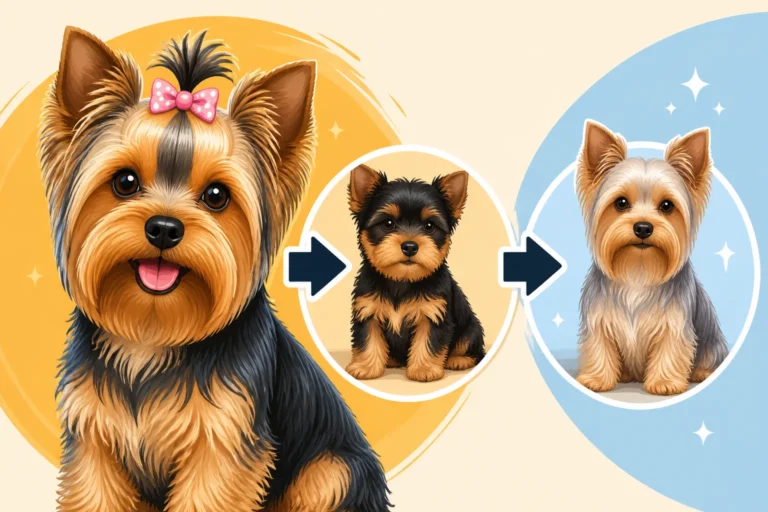
Their coat is one of the most variable features. Some Chorkies inherit the long, silky, hypoallergenic-friendly coat of a Yorkshire Terrier, which will require significant grooming. Others might have the shorter, smoother coat of a Chihuahua, which is much lower maintenance. Then there are those who fall somewhere in between, with a medium-length coat that combines elements of both. Common coat colors include black and tan (like a traditional Yorkie), solid black, brown, gold, cream, or even a mix of these in a parti-color pattern. The shape of their head, muzzle length, and ear set (pointy like a Chihuahua or folded like a Yorkie) can also vary greatly. You might even find Chorkies with expressive "apple-domed" heads, a classic Chihuahua trait, or a more elongated, terrier-like face.
Temperament and Personality: What to Expect from a Chorkie
The personalities of Yorkshire Terriers and Chihuahuas, while both feisty and big in small packages, have some distinct differences. A Chorkie will be a unique blend of these characteristics, often resulting in a dog with a spirited, confident, and sometimes mischievous disposition.
A Cocktail of Confidence and Sass
Both Yorkshire Terriers and Chihuahuas are known for their bold and self-assured natures, often oblivious to their small stature. A Chorkie will typically inherit this "big dog in a small body" attitude. You can expect a loyal and devoted companion who thrives on human attention and companionship. They often form strong bonds with their primary caregivers and can be quite protective, sometimes even bossy, with strangers or other animals.
The terrier side brings a certain pluckiness, intelligence, and a strong prey drive. They might be prone to chasing small critters or inanimate objects with surprising intensity. The Chihuahua side contributes a fierce loyalty, a tendency to be quite vocal, and sometimes a bit of a "diva" streak, demanding to be the center of attention. This combination means your Chorkie will likely be an energetic, curious, and playful companion who loves to be involved in whatever you're doing. They're often highly entertaining and full of personality, but this can also mean they come with a stubborn streak that requires consistent training.
Training Realities and Socialization Essentials
Given their spirited personalities, training a Chorkie is an essential part of shaping them into well-behaved companions. Both parent breeds can be quite stubborn, which means consistent, positive reinforcement methods are key. They are intelligent dogs and can learn commands quickly, but they might decide they don't want to comply if there's nothing in it for them. Early socialization is paramount for Chorkies. Exposing them to a variety of people, sounds, sights, and other friendly dogs from a young age can help prevent them from developing fear-based aggression or excessive timidity. Without proper socialization, they can become overly protective or develop what's often referred to as "small dog syndrome," where they act aggressively towards larger dogs or people due to insecurity.
Potty training, in particular, can be a common frustration for Chorkie owners. Their tiny bladders mean frequent trips outside, and both Yorkies and Chihuahuas can be notoriously difficult to housebreak. Patience, consistency, and a strict schedule are crucial. You might find great tips in our guide on Yorkshire Terrier Potty Training Guide to help manage this challenge. Many owners find success with pee pads in conjunction with outdoor training, especially for apartment living or during bad weather.
Another common behavioral trait inherited from both sides is the potential for separation anxiety. Chorkies thrive on companionship and can become stressed when left alone for long periods. This can manifest as destructive chewing, excessive barking, or inappropriate urination. Creating a safe, comfortable space for them, using interactive toys, and gradually increasing alone time can help. For more in-depth solutions, consider reading about Yorkie Separation Anxiety: Signs and Fixes.
Family Life and Compatibility
When it comes to living with families, Chorkies can be wonderful companions, but their suitability often depends on the family's lifestyle and the age of any children. Due to their small size and sometimes sensitive nature, Chorkies are generally better suited for families with older, respectful children who understand how to interact gently with a tiny dog. Toddlers and very young children might accidentally injure a small Chorkie, or the dog might snap if startled or handled roughly. Our article on Are Yorkshire Terriers Good with Kids offers more insights into managing small dogs and children.
They can get along with other pets, including other dogs and even cats, if properly introduced and socialized from a young age. However, their terrier instincts might mean they see smaller pets as prey, so always supervise interactions carefully. When introducing a Chorkie to an existing furry family member, slow and controlled introductions are best. Check out our advice on How to Introduce a Yorkie to Other Dogs for a smoother process. Chorkies are typically very loyal to their human family members and will thrive in a home where they receive plenty of attention and affection. They're often lap dogs who enjoy snuggling up on the couch, but they also have bursts of energy that require playtime and short walks.
Health and Care Considerations for a Yorkie-Chihuahua Mix
Owning a Chorkie means being prepared for their specific care needs, which blend the requirements of both parent breeds. This includes everything from their daily grooming routine to their dietary needs and potential health predispositions.
Grooming Your Chorkie
The grooming needs of your Chorkie will largely depend on the type of coat they inherit. If they have the long, silky coat reminiscent of a Yorkshire Terrier, daily brushing will be essential to prevent mats and tangles. These coats can easily pick up debris and become matted, leading to skin irritation and discomfort. You'll want to invest in a good quality slicker brush and a metal comb, both readily available on platforms like Chewy, to keep their coat in top condition. For more detailed guidance, our Yorkshire Terrier Grooming Guide is a fantastic resource, as is our specific article on How to Brush a Yorkie's Coat.
Even if your Chorkie has a shorter, Chihuahua-like coat, regular brushing a few times a week will still help remove loose hair, distribute natural oils, and keep their skin healthy. Regardless of coat type, Chorkies will need regular baths, typically every 2-4 weeks, using a gentle dog shampoo. Nail trims are also crucial, usually every 2-4 weeks, as overgrown nails can cause pain and lead to paw problems. Their ears should be checked weekly for dirt, redness, or odor, and cleaned gently with a vet-approved solution. Dental care is non-negotiable for small breeds like Chorkies. They are highly prone to dental disease, so daily brushing with canine-specific toothpaste is a must. Chewy offers a fantastic selection of dental kits and finger brushes perfect for small mouths.
Nutritional Needs and Exercise
Chorkies, being small dogs, have fast metabolisms and require a diet of high-quality small breed dog food. It's especially critical to feed them appropriate portions multiple times a day as puppies and carefully monitor their blood sugar. Small breeds are prone to hypoglycemia (low blood sugar), particularly as puppies, which can be life-threatening if not addressed quickly. Brands like Royal Canin, Hill's Science Diet, or Wellness Core are often recommended by vets, and you can find a wide variety of these specialized formulas on Chewy. Always consult your veterinarian to determine the best food and feeding schedule for your individual Chorkie. Our guide on Best Dog Food for Yorkshire Terriers provides excellent insights into selecting quality nutrition. Learn more about preventing and managing this condition in our article, Yorkie Hypoglycemia: Emergency Signs.
Despite their energy, Chorkies don't have extremely high exercise needs. Short, daily walks (around 20-30 minutes) and indoor playtime are usually sufficient to keep them happy and healthy. They love interactive toys and games like fetch. Because of their tiny size, they are susceptible to injuries if roughhousing, so always supervise playtime, especially with larger dogs or children. They adapt well to apartment living as long as their exercise needs are met.
Common Health Concerns
One of the considerations with any crossbreed is that they can inherit health issues from either parent breed. Chorkies are generally healthy dogs, but they are predisposed to several conditions common in Yorkshire Terriers and Chihuahuas. Regular veterinary check-ups are vital for early detection and management. For an overall understanding of potential issues, you might want to review Yorkshire Terrier Health Problems to Know.
Here are some common health concerns to be aware of:
- Patellar Luxation: This is a condition where the kneecap slips out of place, causing lameness. It's common in both parent breeds. You can read more about this in Yorkshire Terrier Patellar Luxation: Signs and Care.
- Dental Disease: Small breeds are highly prone to plaque and tartar buildup, leading to gum disease, tooth decay, and tooth loss. Daily brushing and professional dental cleanings are often necessary. Our article, Yorkie Dental Disease Prevention, highlights preventative measures.
- Collapsing Trachea: Common in toy breeds, this condition affects the windpipe and can cause a characteristic "honking" cough. Using a harness instead of a collar can help prevent putting pressure on the trachea. Learn more about Yorkshire Terrier Collapsing Tracheal: Signs and Care.
- Hypoglycemia: As mentioned earlier, low blood sugar is a risk, especially in puppies and very tiny adults.
- Portosystemic Shunt (Liver Shunt): This is a congenital condition where blood bypasses the liver, preventing toxins from being filtered. Both Yorkies and Chihuahuas can be predisposed.
- Eye Problems: Both breeds can experience various eye issues, including cataracts and dry eye.
- Hydrocephalus: More common in Chihuahuas, this is a condition where excess cerebrospinal fluid builds up in the brain.
It’s important to find a reputable breeder who performs health screenings on their parent dogs. You should also consider pet insurance for a Chorkie, as treatment for some of these conditions can be quite expensive. Ensuring they have proper pet ID, like a sturdy tag and microchip, is also critical, and supplies for this are easily sourced from Chewy.
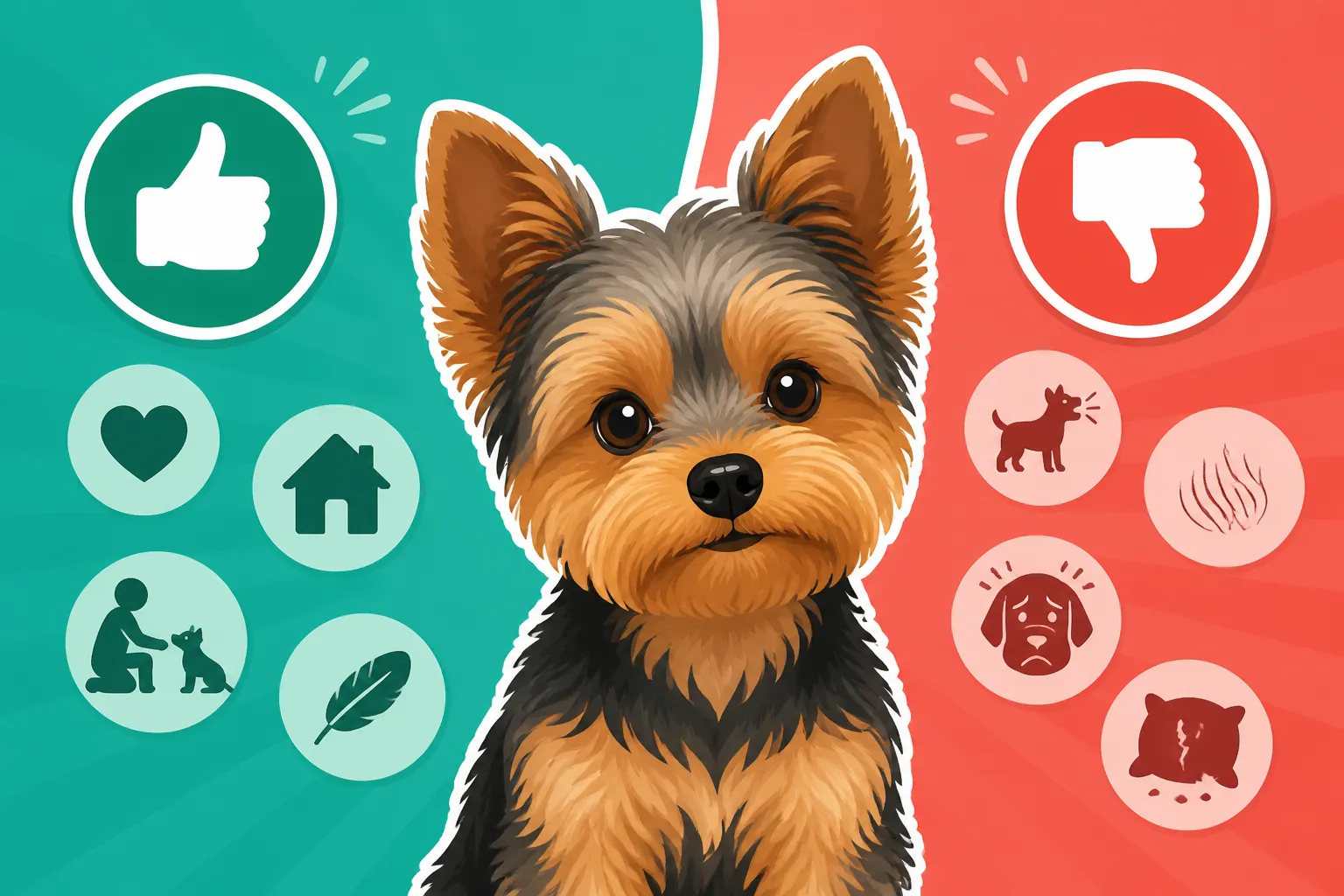
Weighing the Pros and Cons: Is a Chorkie the Right Dog for You?
Deciding whether a Chorkie is a good fit involves looking at both the wonderful aspects and the potential challenges of bringing one into your life. They can be incredibly rewarding companions for the right individual or family.
The Upsides of Chorkie Ownership
There are many reasons why a Chorkie might be your perfect furry friend:
- Immense Personality: Chorkies are renowned for their huge personalities in tiny packages. They are often playful, curious, and full of spunk, bringing endless entertainment and joy to their homes.
- Portability: Their small size makes them incredibly portable. They're easy to travel with, fit well into small living spaces like apartments, and can often be carried in a dog carrier or purse, making them ideal companions for those who love to take their dog everywhere.
- Loyalty and Affection: Chorkies typically form incredibly strong bonds with their owners and are fiercely loyal. They thrive on companionship and love to cuddle, making them wonderful lap dogs and devoted family members.
- Adaptability: They adapt well to various living situations, from apartments to larger homes, as long as their basic needs for exercise, attention, and mental stimulation are met.
- Intelligence: Both parent breeds are intelligent, and Chorkies generally inherit this trait, making them capable of learning a wide range of commands and tricks.
The Downsides and Challenges
However, Chorkie ownership isn't without its potential challenges, and it's important to be realistic:
- Fragility: Their small size makes them delicate and susceptible to accidental injury. This means extra caution is needed around children, larger pets, or even when simply moving around the house.
- Vocal Tendencies: Both Yorkies and Chihuahuas can be quite vocal, so a Chorkie is likely to be a "talker." They can be prone to excessive barking, whether at strangers, perceived threats, or simply to get attention. Our guide on How to Stop a Yorkie from Barking can be quite helpful here.
- Stubbornness and Training: While intelligent, they can inherit a stubborn streak, making potty training and obedience training more challenging. Consistency and patience are key.
- Grooming Needs: If they inherit a long, silky coat, the grooming requirements can be substantial, demanding daily attention to prevent matting.
- Potential Health Issues: As discussed, they are predisposed to several health conditions common in toy breeds, which can lead to significant vet bills.
- Separation Anxiety: Their strong bond with owners can lead to separation anxiety if not managed properly, which can be distressing for both dog and owner.
Here's a quick summary to help you weigh the decision:
| Feature | Pros | Cons |
|---|---|---|
| Personality | Energetic, playful, devoted, entertaining | Can be stubborn, bossy, prone to "small dog syndrome" |
| Size | Portable, good for apartments, easy to travel with | Fragile, susceptible to injury |
| Training | Intelligent, can learn tricks | Can be stubborn, challenging to housebreak, prone to barking |
| Grooming | Low shedding (if more Yorkie-like), varied coat options | High maintenance if long-coated (daily brushing required) |
| Health | Generally robust for a toy breed | Predisposed to patellar luxation, dental issues, tracheal collapse |
| Family Life | Loyal companions, good lap dogs | Better with older children, can have separation anxiety |
Ultimately, a Yorkie-Chihuahua mix can be an incredibly loving and lively addition to the right home. They thrive with owners who are committed to early socialization, consistent positive reinforcement training, and proactive health and grooming care. If you're looking for a small dog with a big personality who will be a constant companion, and you're prepared for the potential challenges, then a Chorkie might just be your perfect match.
Disclaimer
Please remember that this article provides general information and recommendations. Every dog is an individual, and health, temperament, and training needs can vary. Always consult with a qualified veterinarian or professional dog trainer for personalized advice regarding your pet's specific care requirements.