Is a Yorkie-Maltese Right for You: Pros and Cons
Bringing a new furry friend into your home is a big decision, and when you’re looking at charming designer mixes like the Yorkie-Maltese, often called a Morkie, it’s easy to get swept up in the adorable looks. But beyond the cute factor, it’s vital to understand what you’re really signing up for. This guide will walk you through the distinct pros and cons of welcoming a Yorkie-Maltese mix into your family, helping you decide if this delightful blend is truly the right match for your lifestyle.
Understanding the Yorkie-Maltese Mix (Morkie)
The Yorkie-Maltese mix, or Morkie as it's affectionately known, brings together two incredibly popular and distinct toy breeds. When you blend the spirited charm of a Yorkshire Terrier with the gentle elegance of a Maltese, you get a dog that’s often the best of both worlds, but also a unique individual with its own quirks and needs. Understanding the parent breeds is key to anticipating what your Morkie might be like.
A Blend of Two Beloved Breeds
The Morkie is a hybrid, a captivating crossbreed that combines the genetic makeup of a purebred Yorkshire Terrier and a purebred Maltese. This means that unlike purebred dogs with more predictable traits, a Morkie puppy is a bit of a genetic lottery, inheriting various characteristics from both sides of its family tree. The excitement lies in the surprise of what traits will shine through, but this also means a greater need for adaptability on the part of the owner.
The Yorkshire Terrier is a tenacious, confident, and sometimes feisty little dog, originally bred in England to catch rats in clothing mills. They carry themselves with an air of self-importance that belies their small stature. Their signature coat is long, silky, and typically steel blue and tan, often described as hair rather than fur, making them popular among allergy sufferers. Yorkies are known for their intelligence and loyalty but can also be stubborn and prone to barking, always ready to alert their family to anything unusual.
On the other hand, the Maltese is an ancient breed known for its gentle, playful, and affectionate nature. Originating from the island of Malta, these dogs were beloved companions of aristocracy. They possess a stunning, pure white, flowing coat that is also single-layered and non-shedding, making them another excellent choice for those with allergies. Maltese dogs are typically more docile and less vocal than Yorkies, thriving on close companionship and often described as sophisticated lap dogs.
When these two distinct personalities merge, you can end up with a Morkie that embodies the boldness of a Yorkie, the sweetness of a Maltese, or a fascinating combination of both. Each Morkie is truly unique, making it essential to prepare for a range of possibilities in temperament and appearance.
Common Physical Traits and Appearance
Morkies are generally small dogs, typically falling within the weight range of 4 to 10 pounds, though some individuals may be slightly larger or smaller depending on the size of their parents. They are undeniably a toy breed, perfectly sized for carrying and cuddling. This petite stature is a significant draw for many prospective owners, as it makes them suitable for various living situations, from spacious homes to cozy apartments.
Their coats are one of the most variable aspects. A Morkie's fur can lean more towards the silky, fine texture of a Yorkie's coat, the soft, cottony feel of a Maltese's, or a blend of both. Regardless of the exact texture, a common and highly desired trait is their low-shedding quality, inherited from both parent breeds. This can be a huge relief for individuals with allergies, though it does come with specific grooming requirements, which we’ll delve into later. The color palette of a Morkie is also diverse, ranging from the classic black and tan or blue and tan shades of a Yorkie to the pure white or cream tones of a Maltese, or any beautiful mix in between, often with patches of different colors.
Beyond their coats, Morkies can have expressive faces with features that may favor either parent. Their ears might be floppy like a Maltese or stand erect like a Yorkie's, or even be a charming mix of one up and one down. Their tails typically have a natural curl or plume, often carried high over their backs. The delightful unpredictability of their appearance is part of their charm, as you never quite know the exact look your Morkie will sport until they grow into their adult coat and features.
Expected Temperament and Personality
The temperament of a Morkie is often a wonderful blend of their ancestral traits, typically resulting in a dog that is both affectionate and spirited. They tend to inherit the Maltese's deep desire for human connection and constant affection, often seeking out laps and snuggles. This makes them incredibly devoted companions who thrive on being close to their families, often following their owners from room to room.
Alongside this sweetness, Morkies usually possess the lively and confident personality of a Yorkshire Terrier. They are playful, energetic, and love to engage in games, whether it's chasing a toy or a playful romp in the yard. Their intelligence, a trait shared by both parents, makes them quick learners and eager participants in training sessions, especially when positive reinforcement is used. They love to show off their smarts and enjoy mental stimulation.
However, this delightful blend can also come with potential challenges. Morkies can be prone to being quite vocal, much like their Yorkie ancestors, often barking at strangers, doorbells, or anything they perceive as an intrusion. This alertness can make them excellent tiny watchdogs, but it requires consistent training to prevent excessive barking. If not properly socialized and trained from a young age, they might also exhibit stubbornness or become overly dependent, potentially leading to Yorkie separation anxiety: signs and fixes. It’s crucial to establish clear boundaries and provide them with enough mental and physical stimulation to prevent undesirable behaviors.
The Pros of Welcoming a Yorkie-Maltese into Your Life
There's a reason Morkies have become such popular companions – they offer a host of wonderful qualities that make them ideal pets for many individuals and families. From their loving nature to their suitability for certain living arrangements, these little dogs truly shine in several key areas.
Charming Companionship and Affection
One of the most appealing aspects of a Yorkie-Maltese mix is their unparalleled capacity for companionship and affection. These little dogs are renowned for their sweet, loving dispositions and their deep desire to be close to their human family. They truly thrive on human interaction and are often happiest when curled up on a lap, nestled beside you on the couch, or even tucked into bed at night.
Morkies are frequently described as "velcro dogs" because of their tendency to stick by their owner's side, often following them from room to room. This constant presence can be incredibly comforting and fulfilling for individuals or families seeking a devoted furry friend who offers unconditional love. They are incredibly sensitive to their owner's moods and will often offer gentle nudges or cuddles when they sense you need comfort. This makes them wonderful emotional support animals or simply cherished family members who brighten every day.
Their affectionate nature also extends to their playfulness. Despite their cuddly side, they love a good game of fetch or a lively session with a squeaky toy. Their joy is contagious, and they bring a lively spark to any home. For people who are home often or work from home, a Morkie’s constant, loving presence can be a real gift. Indeed, a well-socialized Morkie can be a fantastic addition to many households, proving that Are Yorkshire Terriers Good Family Dogs can indeed be true even for their mixes.
Lower Shedding and Hypoallergenic Potential
For many dog lovers, allergies can be a significant barrier to pet ownership. This is where the Morkie truly shines. Both the Yorkshire Terrier and the Maltese are known for their single-layered coats that shed minimally, and often, the Morkie inherits this highly desirable trait. Their hair is more akin to human hair than traditional fur, which means less dander and fewer airborne allergens floating around your home.
While no dog can ever be truly 100% hypoallergenic, as allergies can be triggered by saliva or urine as well, a Morkie's coat tends to produce significantly less dander compared to double-coated breeds. This makes them a much more tolerable option for individuals or families who suffer from mild to moderate pet allergies. It can mean the difference between being able to share your life with a dog and having to admire them from afar.
The reduced shedding also means less dog hair on your furniture, clothes, and floors, which is a welcome bonus for anyone tired of constant vacuuming. This characteristic, however, comes with a trade-off: their coats require regular and diligent grooming to prevent matting and maintain their health and appearance. Still, for allergy sufferers, the ability to breathe easier while enjoying the companionship of a dog is often worth the extra grooming effort. It certainly proves the point that like a purebred, Are Yorkshire Terriers Hypoallergenic is often a characteristic passed down.
Intelligence and Trainability
Morkies are intelligent little dogs, a trait they inherit from both their Yorkshire Terrier and Maltese parents. This intelligence, combined with their strong desire to please their owners, often makes them quite trainable. They pick up new commands and routines relatively quickly, especially when positive reinforcement methods are consistently applied.
They respond very well to treat-based training, praise, and gentle encouragement. Owners often find that Morkies enjoy the mental stimulation that comes with learning new tricks and participating in obedience training. This eagerness to learn not only helps with basic commands like 'sit,' 'stay,' and 'come,' but also provides an excellent way to bond with your Morkie and build a strong, trusting relationship. Early training and socialization are crucial to channeling their intelligence in positive directions and preventing them from developing stubborn habits.
Their smarts also mean they can excel in dog sports or activities if their owners are interested. Though small, some Morkies enjoy agility, rally, or even scent work, demonstrating that their brains are just as active as their playful spirits. A well-trained Morkie is a joy to live with, capable of understanding cues and fitting seamlessly into family life. For anyone wondering How to Train a Yorkshire Terrier, many of the same principles apply to the Morkie.
Adaptability to Various Lifestyles
Another significant advantage of the Yorkie-Maltese mix is their remarkable adaptability. Their small size makes them ideal candidates for a wide range of living situations, from bustling city apartments to suburban homes with small yards, or even rural settings. They don't demand extensive outdoor space, making them perfect companions for urban dwellers.
Morkies have moderate exercise needs that can typically be met with daily short walks, indoor play sessions, or supervised romps in a secure backyard. Unlike larger, high-energy breeds that require hours of strenuous activity, a Morkie is usually content with a few brisk walks around the block and some engaging playtime indoors. This makes them suitable for seniors, individuals with limited mobility, or those who simply prefer a more relaxed exercise routine.
Furthermore, their portability is a huge plus. Morkies are excellent travel companions; they fit comfortably in approved airline carriers and are generally well-behaved in cars, enjoying trips with their human family. Whether it's a road trip or a plane journey, a Morkie can often accompany you, preventing the need for costly boarding or the heartache of leaving your beloved pet behind. This adaptability ensures that a Morkie can truly become an integrated part of your daily life, wherever it may take you.
The Cons and Challenges of Owning a Yorkie-Maltese
While Morkies are undoubtedly charming, it’s important to enter into ownership with open eyes, understanding the specific challenges and commitments these adorable dogs require. Like any breed, they have their quirks and needs that might not be suitable for every household.
Grooming Demands and Costs
One of the most significant considerations for a Yorkie-Maltese owner is the intensive grooming their unique coat demands. While the low-shedding quality is a major plus for allergy sufferers, it's also the reason these coats are prone to matting and tangling if not meticulously cared for. This isn't a "wash-and-wear" kind of dog.
Morkies require daily brushing to prevent knots, remove loose hair, and keep their coat healthy and shiny. Without this consistent effort, mats can quickly form, especially behind the ears, under the legs, and on the belly, which can be incredibly painful for the dog and difficult to remove. Beyond daily brushing, professional grooming sessions are usually necessary every 4 to 8 weeks. These appointments include bathing, trimming, nail clipping, and ear cleaning, and the costs can add up significantly over a year. For example, a basic groom in a city like Los Angeles or New York could run anywhere from $60 to $100 or more, depending on the salon and the dog’s coat condition. Brands like Chewy offer a wide range of grooming supplies to help with at-home maintenance, from brushes to shampoos.
Another common grooming challenge is tear staining, particularly visible on lighter-colored Morkies, inherited from the Maltese side. These reddish-brown streaks beneath their eyes are caused by excessive tearing and can lead to skin irritation if not regularly cleaned. Daily gentle cleaning around the eyes is often required to keep them looking pristine and prevent discomfort. Clearly, anyone interested in a Morkie needs to be fully prepared for a substantial Yorkshire Terrier Grooming Guide commitment.
Potential Health Concerns
Like all breeds, mixed breeds can inherit genetic predispositions to certain health problems from their parent lines. Morkies, being a combination of Yorkies and Maltese, are susceptible to conditions common to these toy breeds. Awareness of these potential issues is crucial for proactive care and ensuring a long, healthy life for your pet.
One of the most prevalent orthopedic issues is Yorkshire Terrier Patellar Luxation: Signs and Care, where the kneecap slips out of place. This can range from mild to severe, sometimes requiring surgery. Another concern, especially given their small trachea, is Yorkshire Terrier Collapsing Trachea: Signs and Care, a progressive condition that can cause a chronic cough or difficulty breathing. Dental disease is also rampant in small breeds; their tiny mouths can easily become overcrowded, leading to plaque buildup, gum disease, and tooth loss without consistent Yorkie Dental Disease Prevention.
Due to their small size, Morkie puppies and even some adults can be prone to Yorkshire Terrier Hypoglycemia: Signs and Care (low blood sugar), which can be life-threatening if not managed with frequent, small meals. Eye conditions like cataracts or Progressive Retinal Atrophy (PRA) can also occur, affecting their vision over time. Regular veterinary check-ups, a balanced diet, and an understanding of Yorkshire Terrier Health Problems to Know are paramount to mitigating these risks. It's always wise to discuss these potential issues with a reputable breeder or rescue organization.
Tendency for Vocalization and "Small Dog Syndrome"
Morkies, often inheriting the spirited and alert nature of the Yorkshire Terrier, can be quite vocal. While their barking can serve as a decent (if sometimes overenthusiastic) alert system, it can quickly become an annoyance if not managed from a young age. They might bark at visitors, the mail carrier, other dogs passing by, or even just strange noises they hear. This tendency means that prospective owners must be committed to consistent training to address How to Stop a Yorkie from Barking effectively, teaching them a "quiet" command.
Another behavioral challenge that can sometimes emerge in small breeds, including Morkies, is "small dog syndrome." This isn't a formal medical condition but rather a set of behaviors often seen in small dogs whose owners inadvertently allow them to get away with behaviors that would not be tolerated in a larger dog. This can manifest as excessive barking, growling, nipping, or aggressive displays towards larger dogs or humans. It's often rooted in insecurity or a lack of proper boundaries and socialization.
To prevent small dog syndrome, early and thorough socialization is vital. Exposing your Morkie puppy to a variety of people, environments, sounds, and other well-behaved dogs in a positive way helps them grow into a confident, well-adjusted adult. Consistent training, setting clear rules, and treating your Morkie like a dog, not a fragile accessory, will go a long way in fostering good behavior and preventing these common pitfalls.
Fragility and Safety Concerns
The delicate nature of a Morkie due to its small size is a significant consideration, especially for households with children or larger pets. Weighing just a few pounds, these tiny dogs are inherently fragile and can be easily injured by accidental falls, being stepped on, or rough play. A playful jump off a couch or an unintentional drop can result in serious injuries, including broken bones.
This fragility means that Morkies are not typically suited for homes with very young, boisterous children who may not understand how to handle a tiny dog gently. Constant supervision is necessary to ensure both the child and the dog's safety. Similarly, interactions with larger dogs must be carefully managed. Even a friendly, playful swipe from a big dog could cause harm to a small Morkie.
Owners must be constantly vigilant about their Morkie's environment. This includes things like being careful where you step, keeping them secure in a carrier when traveling, and ensuring they have safe, accessible spaces away from potential hazards. Choosing Why Harnesses Are Better Than Collars for Yorkies is also crucial, as a collar can put undue pressure on their delicate tracheas. Living with a Morkie requires a heightened sense of awareness and a commitment to protecting their vulnerable little bodies.
Key Considerations Before Bringing a Morkie Home
Deciding to bring a Morkie into your life is exciting, but it's a decision that requires thoughtful consideration of the commitment involved. These dogs are wonderful companions, but they thrive best in environments where their specific needs are understood and consistently met.
Commitment to Training and Socialization
Bringing a Morkie puppy home means embarking on a journey of consistent training and socialization that will shape their entire lives. Given their intelligence and potential for both stubbornness and vocalization (traits inherited from the Yorkie side), early intervention is absolutely non-negotiable. Don't wait until problems arise; start training from day one.
Enroll in puppy kindergarten classes as soon as your Morkie has had their necessary vaccinations. These classes provide a controlled environment for positive exposure to other dogs and people, which is crucial for building their confidence and preventing Yorkie small dog syndrome explained. Working with a professional dog trainer can also be incredibly beneficial, especially for first-time dog owners or those who need guidance on specific issues like How to Stop Yorkie Excessive Barking or managing their spirited energy.
Beyond formal training, consistent socialization at home and in safe public spaces is key. Expose your Morkie to various sights, sounds, people of all ages, and different environments in a positive way. This helps them become well-adjusted, confident, and friendly adults. Without proper socialization, they can become fearful, anxious, or even aggressive towards new experiences, leading to a much more challenging relationship down the line. Remember, a well-trained and socialized Morkie is a happier, more secure dog and a much more pleasant companion.
Financial and Time Investment
Owning a Morkie, like any pet, is a significant financial and time commitment that extends far beyond the initial purchase price of the puppy. You'll need to budget for recurring expenses for 12-15 years, or even longer, as Morkies generally have a good lifespan.
Financially, the grooming demands alone are a recurring cost that many new owners underestimate. Regular professional grooming can easily cost hundreds of dollars annually. Then there's the cost of high-quality dog food, which is essential for their health, potentially from trusted brands like Chewy. Factor in routine veterinary care, vaccinations, preventative medications (flea, tick, heartworm), and an emergency fund for unexpected illnesses or accidents. It's wise to consider Yorkshire Terrier Vet Costs and Health Budget and Yorkie Grooming Costs Explained before you commit. Pet insurance can also be a valuable investment to help manage unforeseen medical expenses.
From a time perspective, Morkies thrive on companionship and shouldn't be left alone for extended periods. If you work long hours away from home, you'll need to consider dog walkers or doggy daycare. Daily brushing and eye cleaning are non-negotiable time commitments. They also need daily exercise and mental stimulation through play and training. A Morkie is not a dog you can simply leave to entertain itself; they truly become a central part of your daily routine and require consistent attention and interaction to be happy and healthy.
Finding a Reputable Breeder or Rescue
With the increasing popularity of "designer dogs" like the Morkie, it's more important than ever to be vigilant about where you acquire your puppy. The market is unfortunately rife with unscrupulous breeders, puppy mills, and online scammers who prioritize profit over the health and welfare of their animals. Responsible acquisition is paramount to avoid supporting these unethical practices and to ensure you bring home a healthy, well-adjusted puppy.
A reputable breeder will be transparent about their practices, eager to answer your questions, and focused on the health and temperament of their breeding dogs. They should conduct health screenings for common genetic conditions in both Yorkshire Terriers and Maltese parents (like patellar luxation or eye conditions) and be able to provide documentation. They will allow you to visit their facility to see the puppies, their parents, and their living conditions. A good breeder will also have a thorough application process, ask you many questions, and offer a health guarantee. Avoid any breeder who pressures you, refuses visits, or offers to ship a puppy without allowing you to see their home environment first.
Alternatively, consider adopting from a reputable rescue organization. Many wonderful Morkies and Yorkie or Maltese mixes end up in shelters or breed-specific rescues through no fault of their own. Yorkie rescue: How to adopt can be an incredibly rewarding experience, offering a second chance to a dog in need. Rescue organizations typically provide veterinary care, spay/neuter, and behavioral assessments, ensuring you're matched with a dog that's a good fit for your family.
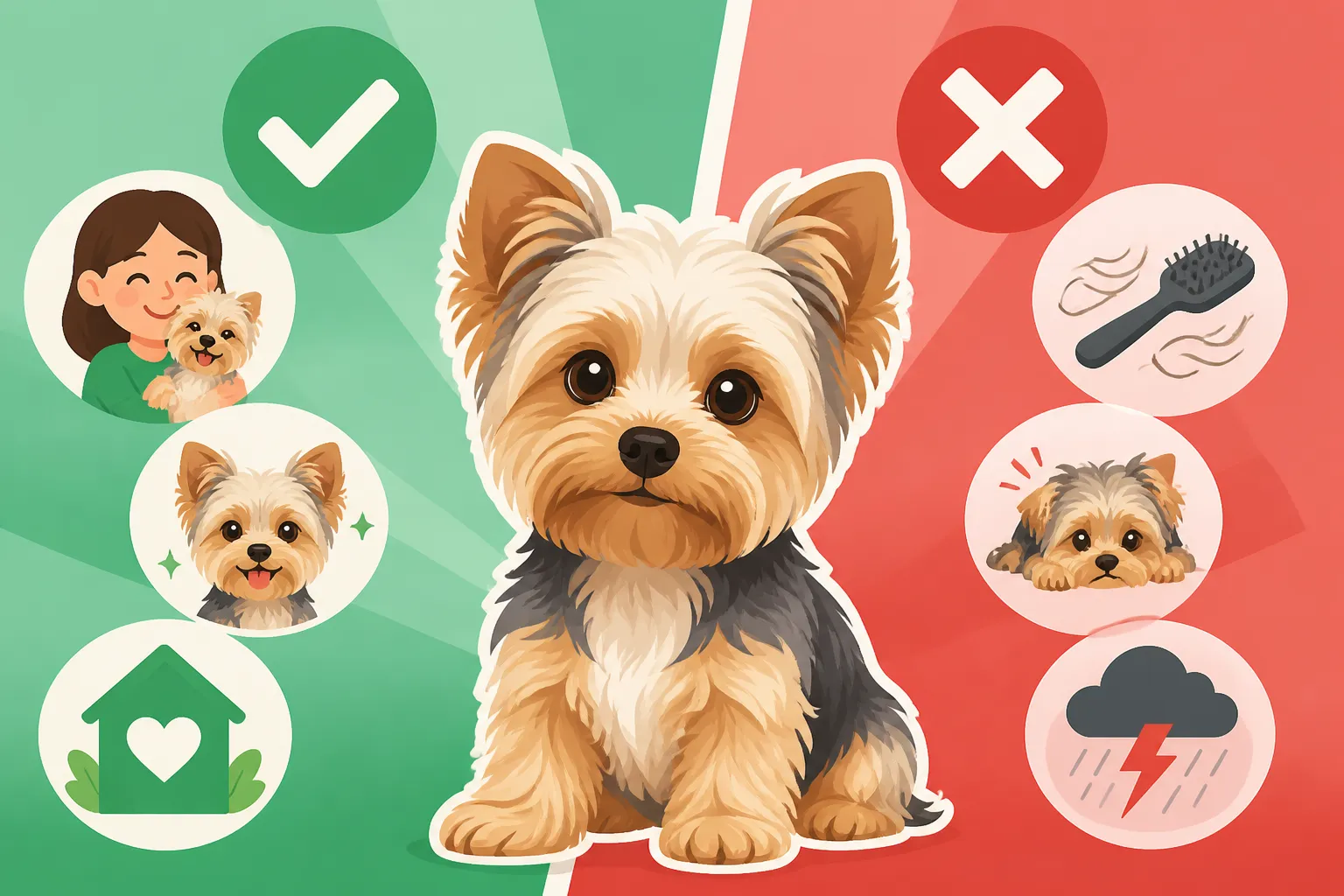
Morkie Pros and Cons at a Glance
To help you weigh your options, here’s a quick overview of the main advantages and disadvantages of owning a Yorkie-Maltese mix:
| Aspect | Pros | Cons |
|---|---|---|
| Companionship | Extremely affectionate, devoted, and loving companions. | Can be prone to separation anxiety if left alone too often. |
| Shedding/Allergies | Low-shedding, often suitable for allergy sufferers. | Requires intensive daily grooming to prevent matting. |
| Temperament | Playful, intelligent, adaptable, eager to please. | Can be vocal (barking), prone to "small dog syndrome" if untrained. |
| Size | Small and portable, great for apartment living or travel. | Fragile; susceptible to injury from falls or rough play. |
| Health | Generally hardy if well-cared for. | Prone to specific health issues from parent breeds (e.g., patellar luxation, tracheal collapse, dental disease). |
| Grooming | Minimal shedding. | High maintenance; requires professional grooming and daily care. |
| Training | Intelligent and trainable with positive reinforcement. | Can be stubborn; requires consistent, early training and socialization. |
Final Thoughts on the Yorkie-Maltese Mix
The Yorkie-Maltese mix is undeniably a captivating and charming companion. They offer a unique blend of affection, intelligence, and playful energy that can enrich the lives of their owners tremendously. For the right individual or family, a Morkie can truly be a dream dog, providing years of unwavering love and delightful companionship.
Is This the Right Breed for You?
So, after considering all the delightful upsides and the practical challenges, is a Morkie the right furry companion for you? If you are looking for a deeply affectionate, highly interactive, and portable dog who loves to be by your side, a Morkie might just be your perfect match. They thrive in homes where they receive ample attention, consistent training, and loving care. If you're someone who is home often, or can arrange for pet care when you're away, and you're prepared for the commitment of regular grooming and proactive health management, then a Morkie will fit wonderfully into your life.
However, if you're seeking a low-maintenance dog that requires minimal grooming, can be left alone for long stretches without issue, or if you have a very boisterous household with very young children or large, energetic pets that may unintentionally cause harm, then a Morkie might not be the best fit. Their fragility, potential for vocalization, and significant grooming needs require an owner who is ready and willing to invest the necessary time, effort, and financial resources. Understanding these aspects before bringing one home is critical. Ultimately, like a purebred Yorkshire Terrier, knowing Is a Yorkshire Terrier Right for You requires a clear-eyed assessment of your lifestyle and readiness for this unique blend of breeds.
Disclaimer
This article is for general informational purposes only and does not constitute professional advice. Laws, prices and regulations vary by location and change over time. Consult a qualified professional for guidance on your specific situation.