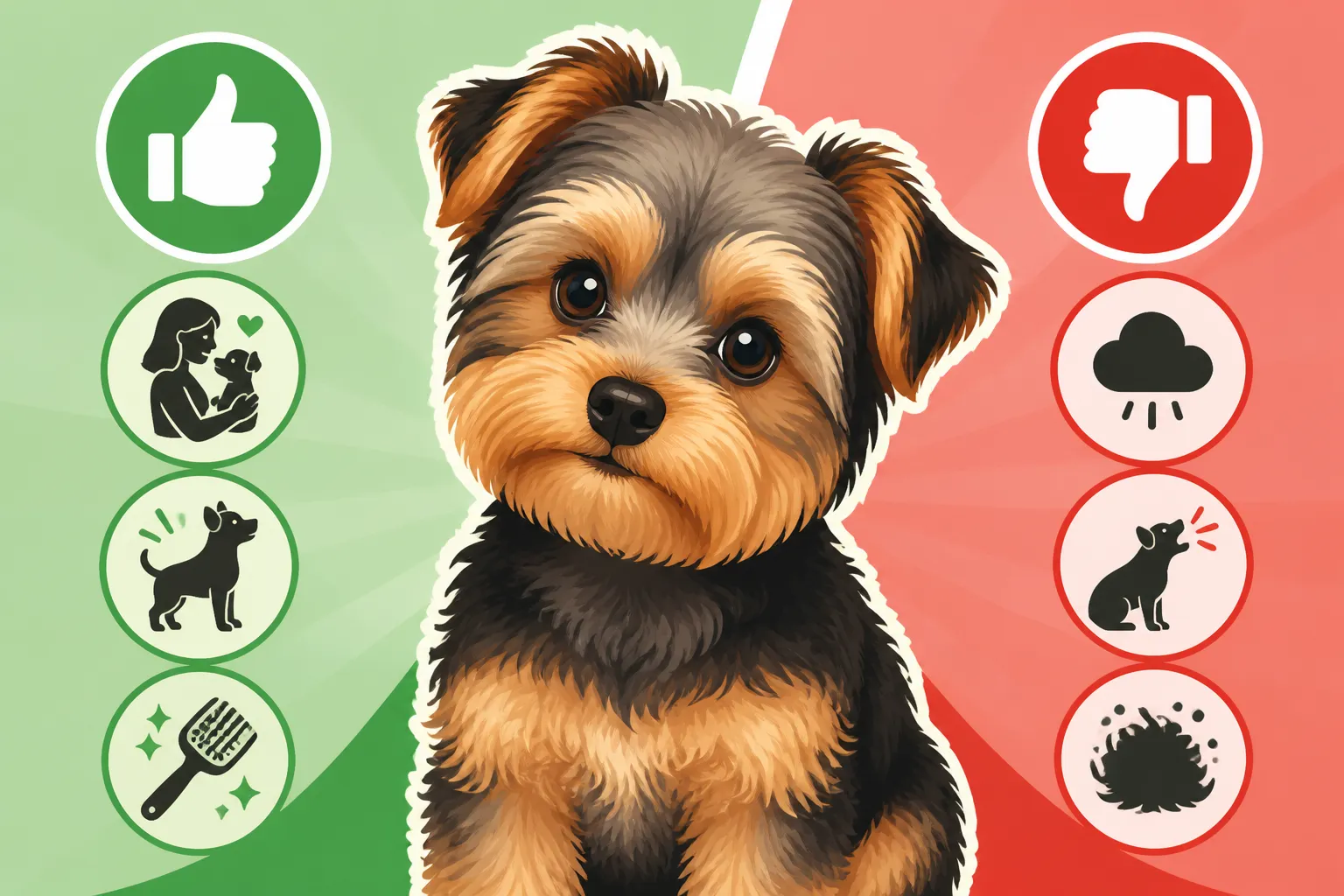
Is a Yorkie-Poodle Right for You: Pros and Cons
Deciding to bring a new furry family member into your home is a huge step, and for many, the idea of a designer breed like the Yorkie-Poodle mix can be incredibly appealing. But with any mixed breed, you’re often left wondering what you’re truly getting – will you get the best of both worlds, or a combination of challenges? This guide will dive deep into the pros and cons of owning a Yorkie-Poodle, helping you determine if this adorable hybrid is the perfect companion for your lifestyle.
Understanding the Yorkie-Poodle Mix
The Yorkie-Poodle, often affectionately called a Yorkiepoo, is a crossbreed that brings together the charming Yorkshire Terrier and the highly intelligent Poodle. This mix aims to combine the feisty, loving nature of the Yorkie with the smarts and often hypoallergenic coat of the Poodle. It's not a purebred, which means there can be more variation in their traits, but that's also part of their unique appeal.
What Exactly is a Yorkie-Poodle (Yorkiepoo)?
A Yorkiepoo is the result of breeding a Yorkshire Terrier with a Poodle, typically a Miniature or Toy Poodle due to size compatibility. The exact origin story isn't as clear-cut as with established purebreds, but like many designer breeds, they gained popularity in the late 20th and early 21st centuries. Breeders aimed to create a companion dog with a good temperament, a non-shedding coat, and a manageable size.
The parent breeds bring distinct characteristics to the table. Yorkshire Terriers, known for their spirited personality and silky, floor-length coats, were originally bred to catch rats in English mills. Poodles, on the other hand, come in three size varieties (Standard, Miniature, and Toy) and are renowned for their incredible intelligence, elegant appearance, and curly, low-shedding coats. They were originally water retrievers, which speaks to their athleticism and smarts. When these two breeds combine, the resulting Yorkiepoo can inherit a fascinating blend of these traits, making each individual dog truly unique. Understanding the parent breeds is key to anticipating what your Yorkiepoo might be like, as the genetic lottery can lean more one way or the other.
Common Physical Characteristics
One of the most exciting, and sometimes unpredictable, aspects of a Yorkiepoo is their physical appearance. Since they are a mix, they don't have a strict breed standard like purebreds. However, there are some general expectations you can have.
Yorkiepoos typically inherit a soft, wavy, or curly coat that can range in length. The texture is usually much softer than a Poodle's tight curls and less fine than a Yorkie's silky hair. This combination often leads to a coat that is low-shedding, which is a big draw for many owners. Common colors include black, white, cream, apricot, chocolate, and various combinations or patterns like merle or parti. Their eyes are usually dark and expressive, and their ears can be floppy like a Poodle's or stand up like a Yorkie's, sometimes even a charming mix of both.
When it comes to size, most Yorkiepoos weigh between 5 and 15 pounds and stand about 7 to 15 inches tall at the shoulder. This makes them a perfect lapdog or companion for apartment living, as they don't require a lot of space. However, it's worth noting that a Yorkiepoo's size will depend heavily on the size of the Poodle parent. A Yorkie bred with a Toy Poodle will naturally be smaller than one bred with a Miniature Poodle. It's always a good idea to meet the parents if possible to get a better idea of what your puppy might grow into.
Temperament and Personality Traits
Ah, the personality! This is where the Yorkiepoo truly shines, blending some of the best qualities of its parent breeds. Generally, Yorkiepoos are known for being affectionate, playful, and intelligent companions. They often inherit the Yorkshire Terrier's confident and sometimes mischievous streak, combined with the Poodle's eager-to-please nature and high intelligence.
You can expect a Yorkiepoo to be quite lively and energetic despite their small size. They love to play, go for walks, and participate in family activities. They are also typically very devoted to their families and thrive on companionship, often wanting to be right by your side, whether you're watching TV or working in the garden. This strong bond can be incredibly rewarding, but it also means they don't do well when left alone for long periods, which we'll discuss more later. Their intelligence makes them quick learners, often excelling in obedience training and even dog sports like agility. However, they can also inherit a stubborn streak from the Yorkie side, so consistency in training is key. They generally get along well with respectful children and other pets, especially if properly socialized from a young age. Early socialization is crucial to ensure they grow into well-adjusted adults, helping them feel comfortable and confident in various situations and with different people and animals.
The Pros of Welcoming a Yorkie-Poodle into Your Home
There's a lot to love about the Yorkiepoo! Many people choose this mix specifically for certain qualities that make them ideal companions, especially for those with specific needs or living situations. These little dogs offer a unique blend of charm, smarts, and manageability that can be truly appealing.
Hypoallergenic Qualities and Reduced Shedding
For many dog lovers, the dream of having a canine companion is often dashed by allergies. This is where the Yorkiepoo really shines. One of the primary reasons people seek out Poodle mixes is for their low-shedding, often hypoallergenic coats. Both Yorkshire Terriers and Poodles are considered low-shedding breeds, which means their combined offspring typically inherits this desirable trait.
It’s important to understand that no dog is 100% hypoallergenic, as allergies are often triggered by dander (dead skin cells) and saliva, not just hair. However, breeds that shed less tend to release less dander into the environment, making them much more tolerable for individuals with mild to moderate allergies. With a Yorkiepoo, you’re likely to find significantly less hair on your furniture, clothes, and floors compared to a heavy-shedding breed. This not only reduces allergy symptoms but also cuts down on cleaning time. If you or a family member struggles with pet allergies but longs for the companionship of a dog, a Yorkiepoo could be an excellent option, allowing you to enjoy all the joys of dog ownership without the constant sniffles and sneezes.
Intelligence and Trainability
Both parent breeds of the Yorkiepoo are known for their intelligence, and this trait is typically passed down to their offspring. Poodles consistently rank among the smartest dog breeds, renowned for their problem-solving abilities and eagerness to please. Yorkshire Terriers, while sometimes stubborn, are also quite clever and can learn quickly when motivated. This means your Yorkiepoo will likely be a bright little cookie, capable of picking up commands and tricks with relative ease.
Their intelligence and desire to please their owners make them highly trainable. Yorkiepoos often excel in obedience classes and can even be trained for more advanced tasks or dog sports like agility. This trainability can be a huge benefit, especially for first-time dog owners, as it makes teaching basic manners and house-training much smoother. Consistent, positive reinforcement methods work best, and because they enjoy mental stimulation, training sessions can also serve as a wonderful bonding experience and a way to keep their sharp minds engaged. Investing time in their training early on will lay a strong foundation for a well-behaved and happy companion. If you're looking for a dog that enjoys learning and can be easily integrated into various routines, the Yorkiepoo’s intelligence is a definite plus.
Adaptability to Various Lifestyles
Another significant advantage of the Yorkiepoo is their incredible adaptability. Their small size makes them exceptionally well-suited for a variety of living situations, from spacious suburban homes to cozy city apartments. They don't require a large yard to thrive, as their exercise needs can largely be met with indoor play and a few short daily walks around the neighborhood.
This adaptability extends beyond just living space. Yorkiepoos are generally quite amenable to travel, often fitting comfortably in pet carriers suitable for car or plane journeys. They love being with their people, so if you're someone who enjoys taking your dog along on adventures, a Yorkiepoo will likely be a happy travel companion. Their moderate energy levels mean they’re not demanding endless hours of strenuous exercise, but they are also active enough to enjoy a good romp or a brisk walk. This balance makes them suitable for active individuals, seniors looking for a manageable companion, or families with a moderate activity level. They fit into many different family dynamics, proving to be versatile and loving additions to nearly any home.
Potential Cons and Challenges of Yorkie-Poodle Ownership
While Yorkiepoos are undeniably charming, it's crucial to be realistic about the potential challenges that come with any dog, especially a mixed breed. Understanding these potential "cons" beforehand can help you prepare and ensure you're truly ready for the commitment. No dog is perfect, and addressing these aspects head-on ensures a happier life for both you and your furry friend.
Grooming Demands and Coat Maintenance
Despite their low-shedding nature, Yorkiepoos are not a wash-and-go breed. Their beautiful coats, which can vary from wavy to curly, require significant and consistent grooming to stay healthy and mat-free. This isn't just about aesthetics; mats can pull on the skin, causing pain, skin infections, and discomfort.
You can expect to brush your Yorkiepoo almost daily, especially if their coat is on the longer or wavier side. This helps prevent tangles and distributes natural oils. Regular professional grooming, typically every 4-8 weeks, will also be necessary. A professional groomer can give them a proper bath, trim, and sanitary cut, keeping their coat manageable. This consistent upkeep isn't just a time commitment; it's a financial one too. Grooming costs can add up over the year, so it's something to factor into your budget. If you're not prepared for daily brushing and regular trips to the groomer, a Yorkiepoo’s coat can quickly become overwhelming, leading to a miserable experience for both you and your dog. You can find many grooming tools, from brushes to specialized shampoos, at retailers like Chewy to help with at-home maintenance between professional sessions.
Potential Health Concerns
One of the common misconceptions about mixed breeds is that they are inherently healthier than purebreds. While "hybrid vigor" can sometimes contribute to better health, Yorkiepoos can still inherit health conditions from both the Yorkshire Terrier and Poodle sides of their family tree. Being aware of these potential issues is vital for responsible ownership.
From the Yorkshire Terrier side, common concerns include Yorkshire Terrier Patellar Luxation: Signs and Care, where the kneecap slips out of place, and Yorkshire Terrier Collapsing Trachea: Signs and Care, which can cause breathing difficulties and a distinctive cough. They can also be prone to Yorkie Dental Disease Prevention due to their small mouths. From the Poodle side, issues like progressive retinal atrophy (PRA), which can lead to blindness, hip dysplasia, and certain blood clotting disorders are sometimes seen. Hypoglycemia, or low blood sugar, is also a concern for smaller dogs, especially puppies, and often needs careful management through diet.
Regular veterinary check-ups are paramount for a Yorkiepoo. Discussing these potential conditions with your vet can help with early detection and management. While a good breeder will screen their parent dogs for genetic conditions, there's no guarantee a mixed-breed puppy will be entirely free from these predispositions. Being prepared for potential Yorkshire Terrier Vet Costs and Health Budget is a crucial part of being a responsible owner.
Vocal Tendencies and Separation Anxiety
Yorkiepoos are often very people-oriented, and this strong bond, while lovely, can sometimes lead to challenges if not managed properly. Both Yorkshire Terriers and Poodles can be quite vocal, with Yorkies being particularly known for their alert barking. This means your Yorkiepoo might inherit a tendency to bark at everything from the mail carrier to a squirrel in the yard, or even just for attention. This can be problematic in apartments or close-knit neighborhoods.
Furthermore, their deep attachment to their humans can predispose them to Yorkshire Terrier Separation Anxiety Solutions. If left alone for extended periods, a Yorkiepoo might experience distress, manifesting as excessive barking, destructive chewing, or even house-soiling accidents. This isn't a sign of naughtiness; it's a genuine anxiety response. Addressing separation anxiety requires patience, consistent training, and sometimes professional help. It might involve gradually increasing the time they are left alone, providing engaging toys (like puzzle toys you can find at Chewy), and ensuring they get enough exercise and mental stimulation before you leave. If your lifestyle involves long hours away from home, a Yorkiepoo might not be the best fit unless you have arrangements for their care, such as a dog walker or doggy daycare.
Is a Yorkie-Poodle the Right Fit for Your Family?
Bringing a Yorkiepoo into your life is a joyful experience, but it’s one that requires careful consideration of your lifestyle, living situation, and commitment level. It’s not just about falling in love with a cute face; it’s about ensuring that you can provide the best possible environment for this specific breed mix to thrive.
Lifestyle Considerations
Before committing to a Yorkiepoo, take an honest look at your daily routine and overall lifestyle. These dogs are companions through and through and crave interaction. If you have a busy, on-the-go lifestyle, or if you travel frequently, you need to consider how a Yorkiepoo will fit in. As mentioned, they don't do well when left alone for long periods due to their propensity for separation anxiety. This means if you work long hours away from home, you'll need a solid plan for their care, whether that's a trusted pet sitter, doggy daycare, or family members who can step in.
On the other hand, if you're looking for a dog that's happy to curl up on the couch for a movie night but also eager for a short walk or some playtime in the park, a Yorkiepoo could be ideal. They typically have moderate energy levels, enjoying both activity and quiet downtime. They thrive on routine and benefit from consistent attention. They’re great for people who are home often or can take their dog with them to pet-friendly places. Consider if you're ready for the daily commitment of walks, playtime, training, and, of course, cuddles.
Compatibility with Children and Other Pets
When it comes to living with children and other pets, Yorkiepoos can be a wonderful addition to many households, but careful introduction and management are key. Due to their small size, they can be delicate. They generally do best with older, respectful children who understand how to interact gently with a small dog. Toddlers and very young children, who might not yet grasp gentle handling, could accidentally injure a Yorkiepoo, or the dog might snap if feeling threatened or uncomfortable. Supervision is always essential when dogs and young children are together, regardless of breed.
For homes with other pets, Yorkiepoos often get along well with other dogs, especially if they are socialized early. Their playful nature can make them great companions for similarly sized dogs. As for cats, many Yorkiepoos can coexist peacefully, particularly if they are introduced slowly and positively. However, remember their terrier heritage – some may have a stronger prey drive, which could be an issue with very small, skittish pets like hamsters or birds. Always supervise initial interactions and ensure all animals have safe spaces where they can retreat. If you already have a resident dog, consider how to smoothly How to Introduce a New Yorkie Puppy to a Resident Dog to ensure a harmonious household.
Budgeting for Yorkiepoo Care
Owning any dog comes with financial responsibilities, and a Yorkiepoo is no exception. In fact, some of their specific needs can lead to higher-than-average costs in certain areas. Beyond the initial purchase price, you’ll need to budget for ongoing expenses.
Here’s a breakdown of typical costs to consider:
| Category | Estimated Annual Cost | Notes |
|---|---|---|
| Food & Treats | $200 – $400 | High-quality small breed kibble, occasional treats. Check options on Chewy. |
| Grooming | $400 – $900 | Professional grooming every 4-8 weeks, plus at-home supplies like brushes, shampoo, and conditioner. This can vary greatly depending on coat style and frequency. |
| Veterinary Care | $300 – $700 | Annual check-ups, vaccinations, parasite prevention. Potential for higher costs if unexpected health issues arise. Consider Pet Insurance for Yorkshire Terriers. |
| Supplies | $100 – $300 | Beds, toys, leash, harness, bowls, crates, carriers. Many starter kits and essentials can be found at Chewy. |
| Training | $0 – $500 | Puppy classes, obedience training, or behavioral consultations if needed. |
| Miscellaneous | $50 – $200 | Pet sitting/daycare, unexpected needs, clothing (especially for colder climates due to their thin coats). |
| Total Annual Estimate | $1050 – $3000+ | This is a broad estimate and can fluctuate significantly based on individual circumstances, health, and lifestyle choices. |
Grooming costs, in particular, can be substantial due to their non-shedding but mat-prone coats. Regular dental care is also crucial for small breeds, potentially incurring additional veterinary expenses for professional cleanings. Consider investing in a good Yorkie Dental Care Guide and appropriate dental chews, which can also be purchased from Chewy. Pet insurance can be a wise investment to help manage unexpected veterinary bills for conditions like patellar luxation or tracheal collapse. Being financially prepared for these ongoing expenses ensures you can provide the best care for your Yorkiepoo throughout their life.
Disclaimer
The information provided in this guide is intended for general knowledge and informational purposes only, and does not constitute professional veterinary advice. Always consult with a qualified veterinarian for any health concerns or before making any decisions about your pet's health or treatment.