Toy Yorkie vs Standard Yorkie: Differences
It can be incredibly confusing when you’re looking into bringing a Yorkshire Terrier into your life. You hear terms like "Toy Yorkie" or "Teacup Yorkie" floating around, and then you see "Standard Yorkie," leaving you to wonder if these are all distinct breeds or just different sizes of the same beloved dog. This guide is here to unravel that mystery, clarify the official breed standards, and help you understand the true differences so you can make an informed decision about welcoming a Yorkie into your home.
Understanding the "Toy Yorkie" Distinction
One of the biggest sources of confusion for prospective Yorkie parents is the multitude of unofficial size designations out there. You’ll often see puppies advertised as "Toy Yorkies," "Miniature Yorkies," or even "Teacup Yorkies." It's crucial to understand that, despite these catchy names, there is only one official breed standard for the Yorkshire Terrier. These descriptive terms are marketing labels, not actual recognized varieties of the breed.
The AKC Standard: What it Defines
The American Kennel Club (AKC), which is the primary registry for purebred dogs in the United States, sets the official breed standard for the Yorkshire Terrier. This standard dictates what a Yorkie should look, act, and even weigh like to be considered a true representative of the breed. According to the AKC, a Yorkshire Terrier's weight should not exceed seven pounds. There are no separate categories for "Toy" or "Miniature" within this standard; all purebred Yorkshire Terriers fall under this single classification.
This means that whether a Yorkie puppy is predicted to be 4 pounds or 6 pounds at maturity, it's still just a Yorkshire Terrier. The term "Toy Yorkie" often refers to a Yorkie that is within the upper range of this standard, usually around 5-7 pounds, emphasizing their small size as part of the Toy Group classification of dog breeds. It can be a little misleading because the entire breed is a toy breed. This emphasis on "toy" sometimes leads people to believe there's an even smaller official version. But in reality, if it's over seven pounds, it deviates from the breed standard, and if it's significantly under (like a "teacup"), it might come with its own set of challenges. When you're researching potential breeders or rescue organizations, always ask about the parents' weights and health history, rather than getting caught up in appealing but unofficial size labels. Understanding the breed standard is key to truly grasping what a purebred Yorkshire Terrier entails, regardless of marketing jargon.
Where the "Toy" Label Comes From
The "Toy" label, as applied to a "Toy Yorkie," primarily comes from the AKC’s "Toy Group" classification. This group includes numerous small dog breeds like Chihuahuas, Pomeranians, Pugs, and of course, Yorkshire Terriers. These breeds are characterized by their diminutive size, making them ideal companions and lap dogs. So, when someone refers to a "Toy Yorkie," they are often reinforcing the fact that the Yorkshire Terrier is a toy breed, known for its small stature.
However, sometimes the term "Toy Yorkie" is used interchangeably with "Teacup Yorkie" or "Micro Yorkie" by less scrupulous breeders or pet stores to describe exceptionally small individuals, often those well under the 4-pound mark. This is where things get tricky and potentially concerning. These exceptionally tiny Yorkies are not a recognized variation of the breed. Instead, they are often the result of breeding the smallest dogs in a litter, which can sometimes lead to an increased risk of health problems. The allure of an even tinier, more "toy-like" dog can be strong, but it's important to prioritize health and ethical breeding practices over novelty size. Responsible breeders focus on producing healthy dogs that adhere to the breed standard, rather than chasing ever-smaller sizes that might compromise a dog's well-being. Always consult with a veterinarian if you have concerns about a Yorkie's size relative to its age and potential health implications, as discussed in our guide on Yorkshire Terrier Puppy Health Guide, the proliferation of terms like "Teacup" and "Micro" signals a need for caution and thorough research into the breeder's practices.
Key Differences in Size and Appearance
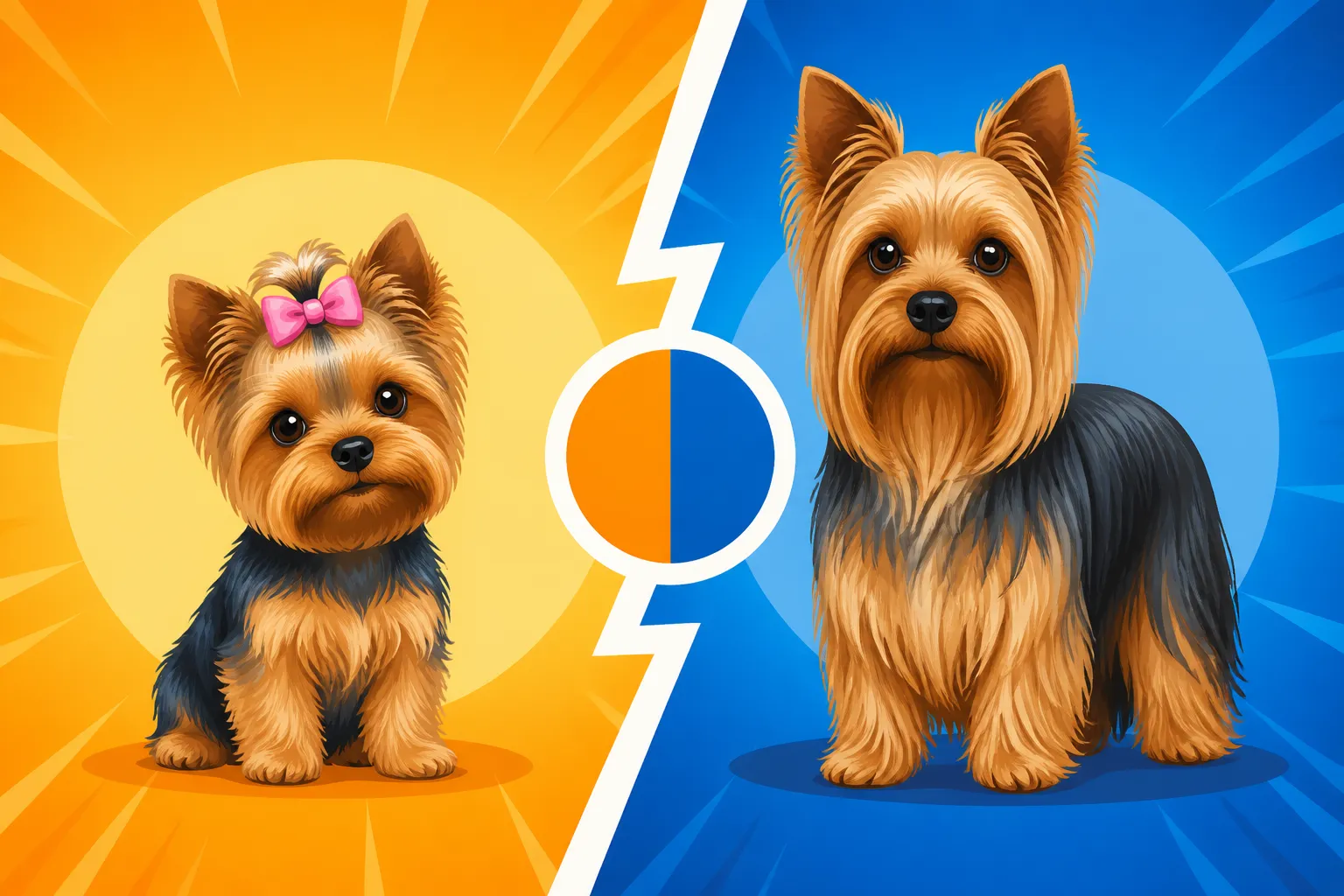
Since "Toy Yorkie" isn't an official distinction, the differences in size and appearance are largely a spectrum within the single Yorkshire Terrier breed standard. However, people often use "Toy Yorkie" to imply a smaller end of that spectrum, contrasting it with a "Standard Yorkie" which would typically fall into the middle to upper end of the AKC's 7-pound weight limit.
Weight and Height Expectations
As established, the AKC breed standard states that a Yorkshire Terrier should not exceed seven pounds. Within this guideline, you’ll find variations. A "Standard Yorkie" often refers to a dog that matures to be anywhere from 4 to 7 pounds, standing typically 7 to 8 inches tall at the shoulder. These are robust little dogs, well-proportioned, and can participate in various dog sports and activities with ease. Their size makes them perfectly portable companions without being overly fragile.
On the other hand, what people often call a "Toy Yorkie" or "Teacup Yorkie" will usually be on the absolute smallest end of that spectrum, often weighing 2-4 pounds as adults. While some truly small Yorkies are naturally healthy, many dogs marketed this way are bred specifically for extreme smallness, which can inadvertently lead to significant health vulnerabilities. These miniature Yorkies are often more delicate and prone to injury, requiring extra vigilance from their owners. They might struggle more with certain common Yorkie health issues like Yorkshire Terrier Hypoglycemia: Signs and Care. Their small size also means they have extremely fast metabolisms and need to eat very frequently to maintain their blood sugar levels. When considering a Yorkie, focus less on these unofficial size labels and more on the reputable background of the breeder and the overall health of the puppy’s lineage, which are far better indicators of a healthy, happy companion. You can also explore our comprehensive guide on Yorkshire Terrier Size, Weight, and Appearance.
Coat and Color Considerations
When it comes to coat and color, there are no differences between a "Toy Yorkie" and a "Standard Yorkie" because, genetically, they are the same breed. The Yorkshire Terrier breed standard describes a beautiful, long, silky coat that is deep steel blue on the body and tail, and a rich, bright tan on the head and chest. This tan should be darker at the roots than at the ends. Puppies are born black and tan, and their adult colors develop over time, usually by one to two years of age.
The quality and color of the coat are determined by genetics and proper care, not by the dog's eventual adult weight within the standard. Both larger and smaller Yorkies can have magnificent, flowing coats that require dedicated grooming. Regular brushing with a good quality brush, baths with appropriate shampoo, and professional grooming are essential to prevent matting and keep their hair healthy and vibrant. Some owners choose to keep their Yorkies in a shorter "puppy cut" for easier maintenance, regardless of the dog's size. When shopping for grooming supplies, you'll find a wide selection at retailers like Chewy, which cater to all Yorkshire Terrier sizes and coat types. While color variations like "Parti Yorkies" or "Golden Yorkies" do exist, these are genetic variations that are independent of the "Toy" or "Standard" size distinction and are not recognized within the AKC breed standard for show dogs, though they can make wonderful pets. It's the same genetic makeup, just presented on a slightly different scale.
Health, Temperament, and Care Considerations
The informal "Toy" or "Teacup" distinction can carry significant implications for a Yorkie's health and daily care, even if temperament largely remains consistent across the breed. It's crucial for any potential owner to understand these factors before bringing one of these tiny dogs home.
Potential Health Concerns
While all Yorkshire Terriers are prone to certain breed-specific health issues, the extremely small individuals often referred to as "Toy Yorkies" can face amplified risks. Common conditions that affect Yorkies, such as Yorkshire Terrier Patellar Luxation: Signs and Care, where the kneecap slips out of place, or Yorkshire Terrier Collapsing Trachea: Signs and Care, a progressive respiratory issue, can be more severe or appear earlier in life in smaller dogs due to their more delicate bone structure and respiratory systems. Their tiny jaws are also particularly susceptible to dental overcrowding and early tooth loss, making Yorkie Dental Disease Prevention a critical part of their care.
Furthermore, these tiny Yorkies are at a much higher risk for hypoglycemia (low blood sugar), especially as puppies, simply because their small bodies don't have the reserves to maintain stable glucose levels. They require frequent small meals and careful monitoring to prevent this potentially life-threatening condition. Liver shunts (Portosystemic Shunts), a congenital condition where blood bypasses the liver, can also be more prevalent or harder to manage in the smallest Yorkies. This means that while a "Standard Yorkie" (within the 4-7 pound range) generally has a good lifespan of 12-15 years, an exceptionally small Yorkie might have a reduced How Long Do Yorkshire Terriers Live, or at least require more intensive and costly veterinary care. It’s important to budget for potential Yorkie Vet Costs and Health Budget, especially if you opt for a smaller individual. Always choose a breeder who performs genetic health screenings and can provide a detailed health history of the puppy's parents to mitigate these risks.
Temperamental Nuances
Regardless of whether you call them a "Toy" or "Standard" Yorkie, the core temperament of the breed remains consistent: they are feisty, confident, intelligent, and affectionate little dogs with a big personality packed into a small body. They embody the true terrier spirit – brave, tenacious, and sometimes a bit stubborn. You can learn more about their personality in our article on Yorkshire Terrier Temperament and Personality. These traits are deeply ingrained in the breed's history and genetic makeup.
However, a slight difference can emerge not from their inherent temperament, but from how people treat them based on their size. The incredibly tiny "Toy Yorkies" are sometimes coddled or carried constantly, limiting their opportunities for proper socialization and training. This can inadvertently lead to what is often called "Small Dog Syndrome," where the dog becomes overly protective, nippy, or yappy because they haven't learned appropriate boundaries or how to interact with the world like a dog. A "Standard Yorkie," being a bit sturdier, is more likely to be treated like a "real dog," encouraged to walk on a leash, interact with other dogs, and undergo training. Both sizes of Yorkies thrive with consistent training, early socialization, and clear boundaries. They need to understand they are dogs, not fragile ornaments. Providing mental stimulation and consistent routine will ensure your Yorkie, regardless of its size within the breed standard, grows into a well-adjusted companion.
Daily Care and Lifestyle Needs
The daily care and lifestyle needs for a Yorkshire Terrier largely depend on their individual energy levels, coat type, and overall health, rather than a strict "Toy" versus "Standard" delineation. However, there are some practical considerations that become more pronounced with exceptionally small Yorkies.
For all Yorkies, regular grooming is a must due to their long, silky coats. This includes daily brushing to prevent mats, weekly baths, and professional trims every 4-6 weeks. Their delicate teeth also require diligent dental care, including daily brushing. When it comes to nutrition, smaller Yorkies often need more frequent, smaller meals to prevent hypoglycemia. You'll want to review a Yorkshire Terrier Feeding Guide by Age, paying close attention to the recommendations for smaller breeds. High-quality dog food, like options available at Chewy, is essential for maintaining their energy and overall health.
Exercise needs are moderate for most Yorkies – short walks, indoor play, and puzzle toys are usually sufficient. However, for a very small "Toy Yorkie," exercise must be carefully monitored, especially around larger dogs or boisterous children, as they are more prone to accidental injury. They often prefer indoor activities or very short, supervised outdoor excursions. Both sizes of Yorkies are adaptable to apartment living, but their watchdog tendencies mean they can be prone to barking, requiring consistent training. Ultimately, providing a safe, stimulating environment, consistent care, and a lot of love will ensure any Yorkie thrives. Their biggest need is companionship, making them wonderful lap dogs and devoted family members.
Here's a quick comparison of general expectations:
| Feature | "Toy Yorkie" (Unofficial, typically under 4 lbs) | "Standard Yorkie" (Official AKC standard, 4-7 lbs) |
|---|---|---|
| Official Status | Marketing term, not a recognized breed variety. | The official and only breed standard for Yorkshire Terriers. |
| Adult Weight | Usually 2-4 pounds | Typically 4-7 pounds |
| Adult Height | Often under 7 inches at shoulder | Generally 7-8 inches at shoulder |
| Fragility | Extremely delicate, higher risk of injury, easier to accidentally step on. | Delicate but more robust, less prone to accidental injury than "Toy". |
| Health Risks | Higher risk of hypoglycemia, tracheal collapse, patellar luxation, dental issues, liver shunts. | Prone to breed-specific issues, but generally less severe than in extremely small individuals. |
| Feeding | Requires very frequent, small meals to prevent low blood sugar. | Can manage a more typical feeding schedule (2-3 meals/day). |
| Exercise | Limited, highly supervised, indoor play often preferred. | Moderate, enjoys walks and indoor play, good for various activities. |
| Temperament | Inherently the same, but can be exacerbated by over-coddling leading to "Small Dog Syndrome." | Feisty, confident, intelligent, generally well-adjusted with proper training. |
| Life Expectancy | Can be shorter due to increased health risks, or require more intensive care. | Generally 12-15 years with proper care. |
Making an Informed Choice
Choosing to bring a Yorkshire Terrier into your home is a big decision, and understanding the nuances between what's marketed as a "Toy Yorkie" and the official "Standard Yorkie" can prevent misunderstandings and heartache down the road. The most important thing is to remember that regardless of its size within the breed standard, you're getting a Yorkie – a dog with a distinct personality and specific needs.
Evaluating Your Lifestyle
Before you commit, take a real, honest look at your lifestyle. Are you someone who enjoys long hikes or are you more of a homebody? Do you have young, boisterous children or other large pets? A "Standard Yorkie" weighing 5-7 pounds is generally more resilient and can handle a bit more activity and interaction. They're often better suited for families with respectful children or other pets, provided they are properly socialized. Their slightly larger size means they're less likely to be accidentally injured during everyday activities. They can be great travel companions, easily fitting into pet carriers approved for airline cabins, and can accompany you on errands.
On the other hand, if you're drawn to the idea of an extremely tiny "Toy Yorkie" (under 4 pounds), you must be prepared for a higher level of vigilance and a potentially more restricted lifestyle. These tiny dogs are incredibly fragile. A simple fall from a couch can result in a broken bone. They can easily be overlooked and stepped on, or injured by playful larger animals or small children. They may require more frequent feeding schedules to prevent hypoglycemia and are often more susceptible to cold. If you live a very quiet life, are often home, and can dedicate significant time to their careful supervision and care, then an exceptionally small Yorkie might fit. However, even then, understanding the increased health risks is paramount. Consider whether you truly have the capacity for such a delicate pet.
The Importance of Reputable Breeders
This really cannot be stressed enough: choosing a reputable breeder is the single most critical step in bringing a healthy, well-adjusted Yorkshire Terrier into your life, whether you're looking for a smaller "Toy" type or a more robust "Standard" one. A good breeder prioritizes the health and temperament of their dogs above all else, never breeding for extreme smallness at the expense of well-being. They adhere to the Yorkshire Terrier Breed Standard Explained, ensuring their puppies fall within the healthy 4-7 pound range.
A reputable breeder will be transparent about their breeding practices, allow you to visit their facility, and introduce you to the puppy's parents. They will readily provide health clearances for the parents, screening for common genetic conditions like luxating patellas, liver shunts, and eye diseases. They will not advertise "Teacup" or "Micro" Yorkies as separate breeds or charge exorbitant prices purely for extreme smallness. Instead, they will educate you on the breed's characteristics and potential health concerns. They will also provide a Yorkie Puppy Buying Checklist, vaccination records, and a health guarantee. Ethical breeders will interview you thoroughly to ensure their puppies go to good homes. If you encounter a breeder pushing for extreme smallness or refusing to provide health information, it's a major red flag. Always consult resources like the AKC or local Yorkie rescue groups to find reputable sources for your new family member, ensuring you avoid puppy mills and unethical backyard breeders.
Disclaimer
This article is intended for informational purposes only and does not constitute veterinary advice. Always consult with a qualified veterinarian for any health concerns or before making any decisions about your pet's care. Breed information and health considerations can vary, and individual dogs may present unique needs.