Blue And Gold Yorkshire Terrier: What to Know
It's incredibly exciting to consider adding a Yorkshire Terrier to your family, and when you start looking into the different colors, the "blue and gold" can really catch your eye. Many new or prospective Yorkie owners find themselves a little confused, wondering if blue and gold is a rare variation, a distinct breed, or just a fancy way of describing the standard Yorkie. This guide aims to clear up all that confusion, delving deep into what makes a blue and gold Yorkshire Terrier unique, how their color develops, and how to best care for their exquisite coat.
Understanding the Blue and Gold Yorkshire Terrier Coat Color
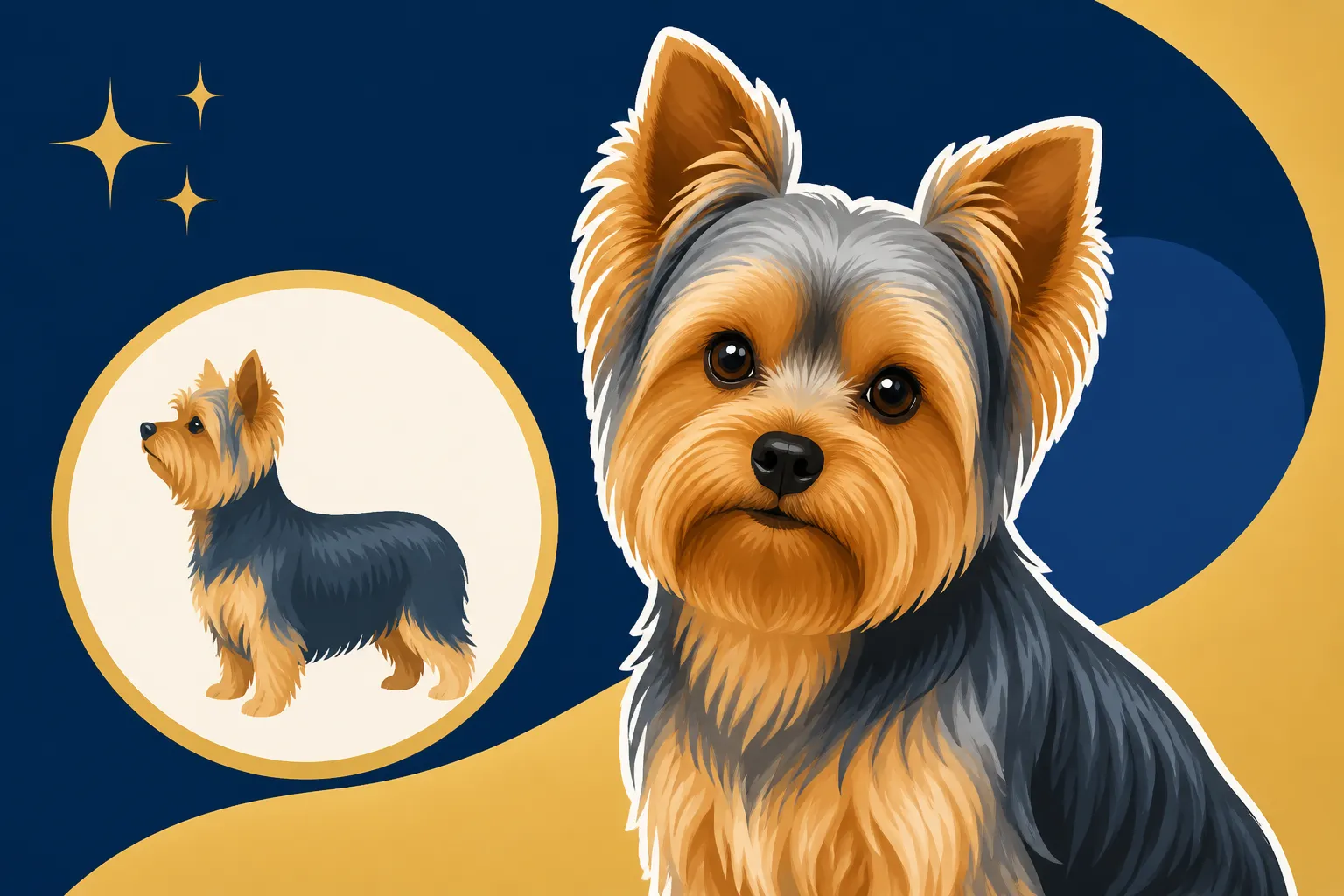
When people talk about a "blue and gold" Yorkshire Terrier, they're often referring to the classic, standard coloring that's recognized by kennel clubs worldwide. It's not a rare or exotic variation, but rather the expected outcome for a purebred Yorkie once they mature. The confusion often stems from the fact that Yorkie puppies are born much darker, and their signature colors only fully develop over time. This unique color transformation is one of the charming aspects of the breed.
The Genetics Behind Blue and Gold
The distinctive blue and gold coloration of a Yorkshire Terrier is entirely genetic. Yorkies are born with black and tan markings, which is the starting point for their transformation. As they mature, typically starting around 6-12 months of age and sometimes not fully completing until they are 2-3 years old, the black fur on their body "silvers" or "blues" out. This isn't a true blue like a Husky's eye, but a deep steel blue-grey, sometimes appearing almost metallic. The tan markings, which will eventually become the rich gold, are located on their head, chest, and legs. This progressive graying or bluing of the black coat is a fascinating genetic trait that many terrier breeds share to some degree.
This process is often referred to as "clearing." A puppy born with a very dark black body will slowly transition to the blue-grey shade, while the tan points on their face and legs will lighten from a dark fawn or rust color to a vibrant golden hue. Understanding this genetic predisposition helps owners appreciate the evolving beauty of their Yorkie's coat and ensures they don't mistake the color change for a health issue or an anomaly. It's simply how the breed expresses its beautiful color.
How Blue and Gold Differs from Standard Black and Tan
This might come as a surprise, but the blue and gold is the standard coloring for a Yorkshire Terrier, as recognized by the American Kennel Club (AKC) and other major kennel clubs. So, when you see a mature Yorkie with a "black and tan" description, it might be referring to a younger dog whose coat hasn't fully cleared yet, or perhaps an adult whose "blue" has remained very dark, appearing almost black in certain lights. However, the ideal mature Yorkshire Terrier coat is indeed described as "dark steel blue" on the body and "rich tan" or "gold" on the head and legs.
The key difference, then, isn't that blue and gold is distinct from standard black and tan, but rather that "black and tan" often describes the puppy coat, which then matures into the "blue and gold" adult coat. Think of it like a human child with dark hair born to parents with lighter hair — it’s simply a developmental change. A truly adult Yorkshire Terrier retaining a jet black body and dark rust tan points would be considered outside the breed standard, though still a beautiful and loved pet. This maturation process is a benchmark for breeders and a delightful journey for pet parents to witness.
What to Expect as They Mature
The coat transformation from a black and tan puppy to a blue and gold adult is one of the most remarkable aspects of owning a Yorkshire Terrier. It's not an overnight change, but a gradual process that can take up to three years to fully manifest. You'll likely notice the "bluing" starting on their back, around the neck and shoulders, and slowly spreading down their body. The tan on their face, ears, and legs will also start to lighten, taking on a more golden, lustrous hue. Some Yorkies will have a very light, almost silvery blue, while others will maintain a deeper, darker steel blue. Similarly, the gold can range from a pale blonde to a deep, rich tan.
During this transition, it's not uncommon for your Yorkie to have a mix of colors on their body – patches of puppy black next to emerging blue, and mottled tan and gold on their head. This "ugly duckling" phase is completely normal and temporary. Patience is key! The final shade is influenced by genetics, but also by nutrition and overall health. A healthy coat, well-maintained, will reflect light beautifully and showcase the true depth of their mature blue and gold. Regular grooming and a high-quality diet contribute significantly to the health and eventual beauty of their adult coat. You can learn more about this in our guide on Yorkshire Terrier Coat Color Changes.
Distinguishing a True Blue and Gold Yorkie
Given the developmental nature of the blue and gold coat, it's important to know what to look for, especially if you're evaluating a puppy or an adult dog. Reputable breeders will be able to explain the coat color progression and demonstrate the parents' mature coats. Understanding the nuances of the "blue" and "gold" helps discerning owners appreciate the true beauty of this breed standard.
Identifying the "Blue" in Their Coat
The "blue" in a Yorkshire Terrier's coat isn't a vibrant, sky blue or even a slate blue. Instead, it's a very specific shade of dark steel blue, often described as a metallic blue-grey. When you look at it, it should have a subtle sheen, almost like polished metal. It should be evenly distributed across their body, from the back of their head down to the base of their tail. In some lighting, it might appear very dark, almost black, but a closer inspection, especially in natural sunlight, should reveal the underlying blue hue.
One tell-tale sign of the true blue is how it contrasts with the gold. There should be a clear, distinct line where the blue body coat meets the tan markings. This demarcation is a hallmark of the breed standard. If the body coat appears dull black, brownish, or has a salt-and-pepper look, it may not be the ideal blue. An unhealthy coat can also mask the true blue color, making it appear less vibrant. A healthy, well-groomed blue coat will lie flat and silky, allowing its distinct shade to shine through.
The Significance of the "Gold" or "Tan" Markings
The "gold" or "tan" markings on a blue and gold Yorkshire Terrier are equally important and have specific locations. These rich, bright tan or gold markings should appear on their head, chest, and legs. On the head, the gold should be a bright, vivid tan, not dark brown or black. It should ideally extend from the base of the skull, over the ears, and down the sides of the face. The ears themselves should also be tan, and usually a slightly darker shade. Any black hairs mixed in with the tan on the head or legs are generally considered undesirable in the show ring, though perfectly fine for a pet.
The tan on the chest should be a clear, solid patch, and on the legs, it should extend down to their paws. A common characteristic is that the tan on the leg typically lightens a bit towards the foot. The intensity of the gold can vary, from a light, buttery blonde to a deep, rich, almost mahogany gold, but it should always be clear and vibrant, not dull or muddy. The contrast between the dark steel blue body and the bright gold markings is what creates the striking appearance of a well-colored Yorkshire Terrier.
Common Misconceptions About Blue and Gold Appearance
There are several misconceptions that can lead to confusion about blue and gold Yorkshire Terriers. Firstly, as mentioned, many people mistakenly believe that "blue and gold" refers to a rare or non-standard color, when in fact, it's the breed standard for a mature Yorkie. Breeders sometimes use terms like "Parti Yorkie" or "Biewer Terrier" to describe other color variations, but these are distinct breeds or variations with different genetic makeups, not just a different shade of a standard Yorkie. You can explore these differences in depth by checking out our articles on subjects like Parti Yorkshire Terrier Explained or Biewer Terrier vs Yorkshire Terrier.
Another common misconception is that a Yorkie with very light blue or almost silver fur, or extremely pale tan markings, is "more blue and gold" or somehow more desirable. While lighter shades can be beautiful, the standard calls for a "dark steel blue" and "rich tan," indicating a certain depth of color. Furthermore, any white markings on a purebred Yorkie are generally considered a fault, as the breed standard does not include white. If you see a Yorkie with significant white patches, it might indicate a different breed mix or a specific genetic mutation that falls outside the traditional Yorkshire Terrier standard.
Care Considerations for Blue and Gold Coats
The magnificent blue and gold coat of a Yorkshire Terrier isn't just for show; it's a testament to their health and requires dedicated care to maintain its beauty and luster. Because their hair is more akin to human hair than typical dog fur, it grows continuously and requires specific grooming practices.
Maintaining Coat Health and Luster
A shiny, vibrant blue and gold coat is a strong indicator of a healthy Yorkie, both inside and out. Diet plays a massive role here. High-quality dog food, rich in omega fatty acids, is crucial for skin and coat health. Look for brands that list real meat as the first ingredient and avoid excessive fillers. Supplements like fish oil (omega-3s) can also significantly boost coat luster. You can find many excellent options for high-quality food and supplements on platforms like Chewy, which offers a wide selection to cater to specific dietary needs. Always consult your vet before adding new supplements to your dog's diet, especially for small breeds like Yorkies who can have sensitive systems.
Beyond diet, regular brushing is paramount to prevent matting and distribute natural oils, which contribute to shine. Without consistent brushing, particularly for Yorkies with long coats, the hair can quickly tangle and form painful mats. These mats not only pull on the skin but also create an environment ripe for skin infections. You may want to dive into our comprehensive Yorkshire Terrier Grooming Guide for more detailed steps. The goal is to keep the coat clean, nourished, and free from knots, allowing the unique blue and gold hues to truly sparkle.
Grooming Specifics for Blue and Gold Yorkies
Grooming a blue and gold Yorkshire Terrier is a commitment, but a rewarding one. Daily brushing is ideal, especially if you keep their coat long. Using a high-quality pin brush and a metal comb, gently work through their hair, section by section. Pay extra attention to areas prone to matting, like behind the ears, under the armpits, and around their hindquarters. For long-haired Yorkies, a spritz of a detangling spray can make brushing easier and prevent breakage. Many owners find brushes like the Chris Christensen Oval Pin Brush or the Artero flexible slicker brush invaluable for maintaining their Yorkie's coat.
Bathing should be done regularly, typically every 2-4 weeks, using a gentle, moisturizing dog shampoo and conditioner. Rinse thoroughly to prevent residue, which can dull the coat. After bathing, gently towel dry, then use a low-heat hairdryer while brushing to ensure the coat dries straight and smooth. Don't forget their signature topknot! Keeping the hair tied up away from their eyes not only looks adorable but also prevents irritation and matting around the face. If you're wondering about DIY grooming, our article on How to Groom a Yorkshire Terrier at Home provides excellent step-by-step instructions.
Protecting Their Coat from Environmental Factors
The beautiful, fine coat of a Yorkshire Terrier, especially the long, flowing variety, needs protection from the elements. Harsh weather, rough play, and even everyday friction can cause damage, leading to breakage, split ends, and matting, which can diminish the vibrancy of their blue and gold. In colder weather, a dog coat or sweater can help protect their delicate fur and keep them warm. Similarly, a lightweight jacket can shield their coat from dirt and debris during walks or outdoor adventures.
For Yorkies with longer coats, consider using a protective wrapping or "papering" technique, particularly for the hair on their legs and body, to prevent damage and matting. This is common practice for show dogs and can be adapted for pets. When taking your Yorkie out, especially in grassy or brushy areas, be mindful of burrs, twigs, and other plant matter that can easily become entangled in their silky hair. After outdoor excursions, a quick brush-through is advisable to remove any hitchhikers. You can also explore options like conditioning sprays or leave-in conditioners available on platforms like Chewy to add an extra layer of protection to their beautiful blue and gold coat.
Health and Temperament of Blue and Gold Yorkies
While the blue and gold refers specifically to coat color, it's natural to wonder if this coloration has any implications for a Yorkie's health or temperament. The good news is that the blue and gold coloring is the standard, healthy expression of the Yorkshire Terrier breed, so there are no unique health concerns tied directly to this specific coat color. However, Yorkies, like all breeds, do have certain predispositions that owners should be aware of.
Are There Unique Health Concerns for Blue and Gold Yorkies?
As the blue and gold coloring is the natural, expected coat of a mature Yorkshire Terrier, there are no specific health concerns linked to this particular shade. Unlike some "designer" or non-standard colors in other breeds that can be associated with genetic health issues (like merle coats and vision/hearing problems), the blue and gold is simply the result of normal genetic expression for the breed. Therefore, a blue and gold Yorkie is just as healthy, or as prone to typical Yorkie health issues, as any other standard Yorkshire Terrier.
What this means for owners is that their focus should be on general Yorkshire Terrier health, rather than specific color-related ailments. These tiny dogs are prone to certain conditions such as patellar luxation, collapsing trachea, and dental disease, which are common across the breed regardless of the exact shade of blue or gold. A responsible breeder will screen their breeding stock for these common genetic conditions to minimize the risk in puppies. You can read extensively about what to look out for in our guide on Yorkshire Terrier Health Problems to Know.
General Yorkshire Terrier Health Overview
Yorkshire Terriers, despite their small size, are generally quite hardy, but they do have specific health considerations that prospective owners should be aware of. One of the most common issues is Yorkshire Terrier Dental Disease: Signs and Care, often due to their small mouths and crowded teeth, which can lead to plaque and tartar buildup. Regular dental care, including brushing their teeth, is crucial. Another significant concern is Yorkshire Terrier Patellar Luxation: Signs and Care, where the kneecap slips out of place, causing lameness.
Other conditions include portosystemic shunt (liver shunt), hypoglycemia (low blood sugar), particularly in puppies, and tracheal collapse, which affects their breathing. Regular veterinary check-ups are essential for early detection and management of these conditions. Ensuring your Yorkie has a balanced diet, appropriate exercise, and a safe home environment also contributes greatly to their overall well-being. Pet insurance, available from providers like Lemonade or Healthy Paws (or even through Chewy's pet insurance options), can be a wise investment to help manage potential veterinary costs over their lifespan.
Temperament Traits of Blue and Gold Yorkies
Just like their health, the temperament of a blue and gold Yorkshire Terrier is entirely consistent with the general breed temperament. Their coat color does not influence their personality in any way. Yorkshire Terriers are renowned for their big personalities packed into a small body. They are often described as feisty, confident, and full of life, embodying the true "terrier spirit." Despite their elegant appearance, they were originally bred to hunt rats and other vermin, and they still retain that tenacious, brave, and sometimes bossy attitude.
Yorkies are typically very affectionate and loyal to their families, often forming a strong bond with one primary caregiver. They thrive on human companionship and can be prone to separation anxiety if left alone for too long. They are intelligent and can be quite trainable, though their stubborn streak can sometimes make things challenging. Early socialization is key to ensuring they grow into well-adjusted adults, comfortable with other dogs and people. You can discover more about their endearing quirks in our comprehensive article on Yorkshire Terrier Temperament and Personality. Despite their small stature, they make excellent watchdogs, ever alert and ready to sound the alarm with their surprisingly loud bark.
Disclaimer
This article is intended for informational purposes only and is not a substitute for professional veterinary advice. Always consult with a qualified veterinarian for any health concerns or before making any decisions about your pet's health or care.