Yorkshire Terrier Puppy vs Adult: Which to Get
Deciding whether to welcome a Yorkshire Terrier puppy or an adult Yorkie into your life can be a tough choice, riddled with questions about training, personality, and the commitment involved. Many prospective owners find themselves torn between the undeniable cuteness of a tiny pup and the perceived ease of an already-trained adult. This comprehensive guide will walk you through the distinct advantages and considerations for both puppies and adults, helping you determine which furry companion is the ideal fit for your home and lifestyle.
The Allure of a Yorkshire Terrier Puppy
There’s no denying the magnetic pull of a Yorkshire Terrier puppy. Their miniature size, playful antics, and boundless energy are incredibly endearing, promising years of bonding and growth. However, bringing home a tiny Yorkie pup is also a significant undertaking that requires dedication, patience, and a good understanding of what their early months entail.
The Joy and Challenges of Puppyhood
Welcoming a Yorkie puppy into your home means you get to experience all their "firsts." You'll watch them explore the world, learn new commands, and develop their unique personality right before your eyes. This early stage allows for profound bonding and the opportunity to shape their behavior and socialization from a young age. You can introduce them to various sights, sounds, people, and other well-behaved animals, which is crucial for their development into a well-adjusted adult. A properly socialized puppy is more likely to be confident and less prone to fear or aggression later on. If you're looking for guidance on this, our article on How to Socialize a Yorkshire Terrier offers plenty of actionable tips.
However, puppyhood also comes with its own set of challenges that can be quite demanding. Potty training is often the biggest hurdle. Yorkie puppies have tiny bladders and need frequent trips outside or to a designated potty area. Accidents will happen, and you'll need to be consistent and patient with your training routine. Our dedicated Yorkshire Terrier Potty Training Guide delves deep into effective strategies for this. Then there's the delightful, if sometimes painful, puppy biting phase, where their needle-sharp teeth explore everything, including your fingers. Nipping is a normal puppy behavior, but it needs to be gently redirected and managed so it doesn't become a habit. For more insights on handling this, check out our guide on Yorkie Puppy Biting Phase Explained. Beyond that, puppies require constant supervision to ensure they don't chew on dangerous items or get into mischief. This intense period of supervision and training requires a significant time commitment, often comparable to caring for a human infant.
Health Considerations for Puppies
Yorkshire Terrier puppies, like all young animals, are more susceptible to certain health issues than adult dogs. Their immune systems are still developing, making them vulnerable to common puppy illnesses. It's imperative that they receive their full course of vaccinations on schedule to protect them from serious diseases like distemper, parvovirus, and rabies. Reputable breeders will usually have the first round of shots and deworming done, but you'll be responsible for subsequent boosters. For a complete overview, you might want to read our Common Yorkie Puppy Illnesses article.
Hypoglycemia, or low blood sugar, is another critical concern for Yorkie puppies, especially those under six months old. Their small size means they don't have large energy reserves, and if they miss a meal or expend too much energy, their blood sugar can drop dangerously low. This requires vigilant monitoring of their eating habits and ensuring they have regular, small meals throughout the day. Investing in a healthy puppy diet, perhaps from a brand like Chewy, is crucial. Regular vet check-ups are non-negotiable for puppies, to monitor their growth, provide vaccinations, and catch any potential problems early. The initial vet costs, vaccinations, and potential emergency visits for puppy-related issues can add up quickly, so budgeting for a Yorkshire Terrier Puppy Health Guide is essential.
The Benefits of Bringing Home an Adult Yorkshire Terrier
While puppies are undeniably cute, there's a strong case to be made for adopting an adult Yorkshire Terrier. Many adult Yorkies end up in shelters or rescues through no fault of their own, and offering them a loving forever home can be incredibly rewarding.
Predictable Temperament and Training
One of the biggest advantages of an adult Yorkie is that "what you see is what you get." Their personality and temperament are usually well-established, allowing you to choose a dog whose disposition aligns with your lifestyle. Are you looking for a quiet lap dog, a playful companion, or an independent spirit? An adult Yorkie's previous owners, or the staff at a rescue, can often provide insights into their habits, preferences, and quirks. This predictability can greatly reduce the guesswork and potential surprises that come with a puppy. You can often learn if they are good with children (check out Are Yorkshire Terriers Good Family Dogs for general breed info), other pets, or if they have any specific behavioral challenges before committing.
Furthermore, many adult Yorkies arrive with a good foundation of training. They might already be house-trained, which saves you countless hours of supervision and cleaning up accidents. They may know basic commands like "sit," "stay," or "come," and might even be leash trained. This significantly cuts down on the intensive training period required for a puppy, allowing you to focus on bonding and enjoyment sooner. While some adult dogs might need a refresher or help adjusting to new rules, it's generally a much smoother process than starting from scratch. Even if an adult Yorkie has some behavioral quirks, these are often known and can be addressed with targeted training, rather than trying to anticipate and prevent puppy behaviors. For those interested in understanding the breed's general behavior, our article on Yorkshire Terrier Temperament and Personality is a great resource.
Health and Care for Adult Yorkies
When adopting an adult Yorkie, you often have the benefit of knowing their health history. Reputable rescues and shelters will usually provide available medical records, including vaccination history, spay/neuter status, and any known health conditions. This transparency allows you to make an informed decision and prepare for any ongoing care needs. For instance, if an adult Yorkie has been diagnosed with a common breed-specific ailment like patellar luxation or tracheal collapse, you can discuss treatment options with your vet right away, rather than waiting for symptoms to appear.
While adult Yorkies still need regular veterinary care and can develop age-related issues, the urgent, round-the-clock monitoring needed for a fragile puppy is typically less of a concern. Senior Yorkies, in particular, may require specialized care, which is thoroughly covered in our Yorkshire Terrier Senior Care Guide. However, even older dogs can be wonderfully fulfilling companions. When adopting an adult dog, their health status is a known factor, often reducing the element of surprise regarding veterinary expenses compared to the unknown health trajectory of a puppy. Even if they have a pre-existing condition, the costs can often be factored into your budget with greater certainty. Many adult dogs, especially those from rescues, will come spayed or neutered and up-to-date on vaccinations, potentially saving you these initial veterinary expenses.
Factors to Consider Before Deciding
Choosing between a Yorkie puppy and an adult dog isn't just about cuteness; it's about aligning with your lifestyle, commitment level, and expectations. Each option presents a unique set of demands and rewards.
Lifestyle and Time Commitment
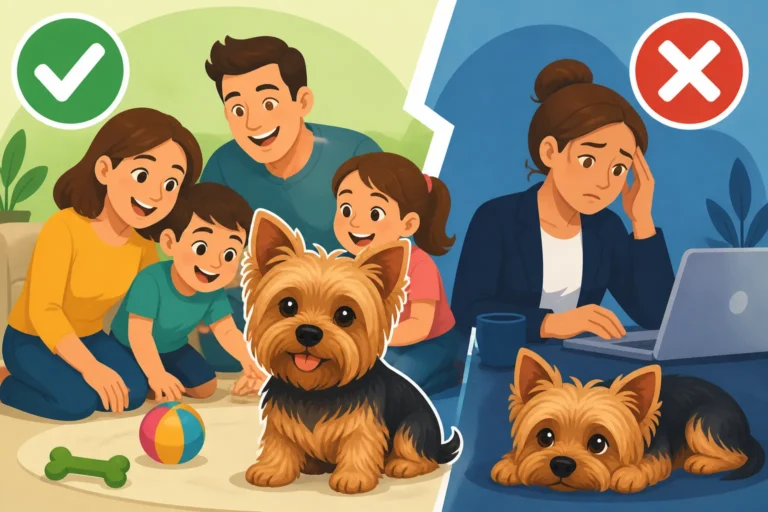
Your daily schedule and overall lifestyle are perhaps the most critical factors in this decision. A Yorkie puppy demands an enormous amount of time and attention. They need to be fed multiple times a day, taken out for potty breaks every few hours, and constantly supervised. If you work long hours away from home, a puppy might not be the best fit unless you have arrangements for a pet sitter or a trusted friend/family member to step in. Puppies also need dedicated time for training sessions, socialization outings, and playtime to burn off their boundless energy. The first few months are incredibly intensive, requiring you to be highly engaged and consistent.
An adult Yorkie, on the other hand, is often much more adaptable to an established routine. They can typically hold their bladder for longer periods, might be content with fewer, longer walks instead of constant potty breaks, and may not require the same level of intense supervision. If you have a busy household, work a standard 9-to-5 job, or travel frequently (and plan to bring your dog along), an adult dog might seamlessly integrate into your existing life with fewer disruptions. They're often calmer and require less strenuous exercise than a puppy, making them suitable for individuals or families with a more relaxed pace. However, even an adult dog will need daily interaction, walks, and playtime – they are still a living, breathing companion, not a decorative item. They might also need help adjusting to new environments, so while the initial integration might be easier than a puppy, there’s still a settling-in period. For Yorkies, issues like separation anxiety can arise at any age, and our article on Yorkie Separation Anxiety: Signs and Fixes can provide valuable insight.
Financial Implications
The financial aspect is another significant consideration. The upfront cost of a Yorkshire Terrier puppy from a reputable breeder can range from hundreds to thousands of dollars, depending on lineage, location, and breeder reputation. This initial purchase price is just the beginning. Puppies require multiple vet visits for vaccinations, deworming, microchipping, and eventually spay/neuter surgery. You'll also need to purchase a crate, puppy food (Chewy offers a wide selection of high-quality puppy foods), toys, grooming supplies, and possibly puppy training classes. The first year of a puppy's life often involves the highest concentration of expenses. Our detailed guide on Yorkshire Terrier Vet Costs and Health Budget can give you a clearer picture of what to expect.
Adopting an adult Yorkie from a rescue or shelter typically involves an adoption fee, which is generally much lower than a breeder's price. This fee often includes initial vaccinations, spay/neuter surgery, and sometimes even microchipping, making it a cost-effective option. While an adult dog might have existing health conditions that require ongoing medication or treatment, at least these costs are usually known upfront. You'll still have recurring expenses like food, routine vet check-ups, grooming, and toys, but the intensive initial burst of puppy-related costs is usually absent. Additionally, pet insurance can be a wise investment for both puppies and adults to help manage unexpected vet bills.
Experience Level with Dogs
Your prior experience with dogs, especially small breeds like Yorkshire Terriers, should play a role in your decision. Raising a puppy, particularly a feisty and intelligent Yorkie, can be challenging for a first-time dog owner. Puppies require consistent training, the ability to anticipate and manage their needs, and a deep well of patience. If you've never owned a dog before, or if it's been a very long time, the intensity of puppy-rearing can be overwhelming. You might find yourself struggling with potty training accidents, nipping, or destructive chewing.
An adult Yorkie, especially one that has already lived in a home environment and received some basic training, can be a much more forgiving option for novice owners. Their established routines and calmer demeanor make them easier to integrate into a new home. You'll still need to provide consistent care and leadership, but you won't be grappling with the foundational challenges of shaping a young dog's behavior. Many rescues specifically look to place their adult dogs with owners who match the dog's known needs and temperament, offering a more tailored match for those new to dog ownership or looking for a less demanding companion.
Where to Find Your Perfect Yorkie Companion
Once you've weighed the pros and cons and decided between a puppy and an adult, the next step is finding your new best friend. It's crucial to seek out ethical sources, whether you're looking for a tiny pup or a more seasoned companion.
Reputable Breeders for Puppies
If your heart is set on a Yorkshire Terrier puppy, finding a reputable breeder is paramount. A responsible breeder prioritizes the health and temperament of their dogs above all else. They will typically specialize in one or two breeds, have extensive knowledge of Yorkie genetics and potential health issues (like those mentioned in Common Yorkshire Terrier Genetic Conditions), and be transparent about their breeding practices. They will welcome questions, allow you to meet the puppy's parents (if available), and show you where the puppies are raised. Look for breeders who conduct genetic health screenings on their breeding stock to minimize the risk of inherited conditions in the puppies.
Ethical breeders will provide a health guarantee, have a clear contract, and be available for support throughout your dog's life. They will also typically keep puppies with their mothers until at least 8-12 weeks of age to ensure proper socialization and development. Avoid breeders who refuse to show you their facility, offer multiple breeds, or don't ask you many questions about your living situation – these can be red flags for puppy mills or backyard breeders who prioritize profit over welfare. For more guidance on this process, our article on How to Find a Reputable Yorkie Breeder is an invaluable resource.
Rescues and Shelters for Adults
For those leaning towards an adult Yorkshire Terrier, local animal shelters and breed-specific rescues are fantastic resources. Organizations like the Yorkshire Terrier National Rescue or local humane societies often have adult Yorkies (and Yorkie mixes) looking for forever homes. The adoption process usually involves an application, an interview, and sometimes a home visit to ensure you can provide a safe and loving environment. The staff and volunteers at these rescues spend a lot of time with the dogs, getting to know their personalities, quirks, and needs, allowing them to make a well-informed match between dog and adopter. You can find many great options for food and supplies at online retailers like Chewy, which supports many rescue organizations through donations or partnerships.
Adopting from a rescue is not only a compassionate choice but often a practical one. As mentioned, many rescue dogs come spayed/neutered, microchipped, and up-to-date on vaccinations. The adoption fee covers these initial medical expenses, saving you money. You also get the satisfaction of giving a deserving dog a second chance at a happy life. Even if an adult dog has some behavioral issues due to past experiences, many rescues provide resources, training advice, or even foster-to-adopt programs to help the dog adjust. To learn more about the adoption process, check out our guide on Yorkie Rescue: How to Adopt.
Comparative Table: Puppy vs. Adult Yorkie
To help summarize, here’s a quick overview of the key differences:
| Feature | Yorkshire Terrier Puppy (8-16 weeks) | Adult Yorkshire Terrier (1+ years) |
|---|---|---|
| Temperament | Developing, energetic, playful, needs extensive socialization | Established, more predictable, calmer (can vary by individual) |
| Training | Requires intensive potty training, basic commands, nipping management | Often house-trained, may know commands, might need refresher training |
| Health | Higher risk of hypoglycemia, requires full vaccination series, unknown future health | Known health history (if records available), may have existing conditions, regular vet care |
| Time Commitment | Very high, constant supervision, frequent potty breaks, extensive play/training | Moderate, adaptable to routine, longer bladder control, less intense supervision |
| Financial Cost | High initial purchase price, multiple vet visits, spay/neuter, supplies | Lower adoption fee (often includes initial vet care), ongoing care |
| Experience | Best for experienced dog owners or those ready for intensive learning | Good for first-time owners or those seeking a calmer companion |
| Bonding | Develops from infancy, strong early attachment | Forms over time, building trust based on consistent care and environment |
Ultimately, the decision between a Yorkshire Terrier puppy and an adult Yorkie depends entirely on your readiness for the commitment, your lifestyle, and what you seek in a companion. Both can bring immense joy and love into your home, but the journey with each will be wonderfully unique.
Disclaimer
This article is for general informational purposes only and does not constitute professional advice. Laws, prices and regulations vary by location and change over time. Consult a qualified professional for guidance on your specific situation.