Yorkshire Terrier vs Chihuahua: Which Is Better
Deciding between a Yorkshire Terrier and a Chihuahua can feel like choosing between two tiny, feisty titans, each with their own captivating charm and stubborn streaks. Many potential pet parents find themselves torn, grappling with which breed truly aligns with their lifestyle, living situation, and family dynamics. This guide will walk you through the distinct characteristics of both breeds, helping you understand their unique needs, personalities, and what it truly means to welcome either a Yorkie or a Chihuahua into your home.
Understanding the Yorkshire Terrier: A Deep Dive
The Yorkshire Terrier, often affectionately called a Yorkie, is more than just a pretty face with a luxurious, silky coat. They pack a surprising amount of personality into their small frames, embodying the spirit of their working-class ancestors from 19th-century England. Originally bred to catch rats in clothing mills, they retain a bold, tenacious, and often bossy demeanor that belies their toy size.
Yorkie Temperament and Personality
Yorkies are renowned for their confident and often independent spirit. They're incredibly loyal and affectionate with their human families, often developing a particularly strong bond with one person. If you're looking for a shadow, a Yorkie might just be it! However, this deep devotion can sometimes manifest as territoriality or suspicion towards strangers, so early and consistent socialization is key. They are generally quite intelligent, making them capable of learning many commands and even tricks, but their independent streak means they can be a bit stubborn during training sessions. Don't let their dainty appearance fool you; these dogs have big personalities and will absolutely let you know what they think. They thrive on companionship and can suffer from Yorkshire Terrier Separation Anxiety Solutions if left alone for extended periods.
For those considering a Yorkie for their household, understanding their natural tendencies is crucial. They are often described as "big dogs in little bodies," possessing a fearless attitude that can sometimes lead them into trouble if not properly supervised, especially around larger dogs or unfamiliar environments. Despite their sometimes feisty nature, a well-socialized Yorkie is an absolute joy, providing endless entertainment and cuddles. If you want to delve deeper into their disposition, you can explore the Yorkshire Terrier Temperament and Personality guide.
Yorkie Appearance and Grooming Needs
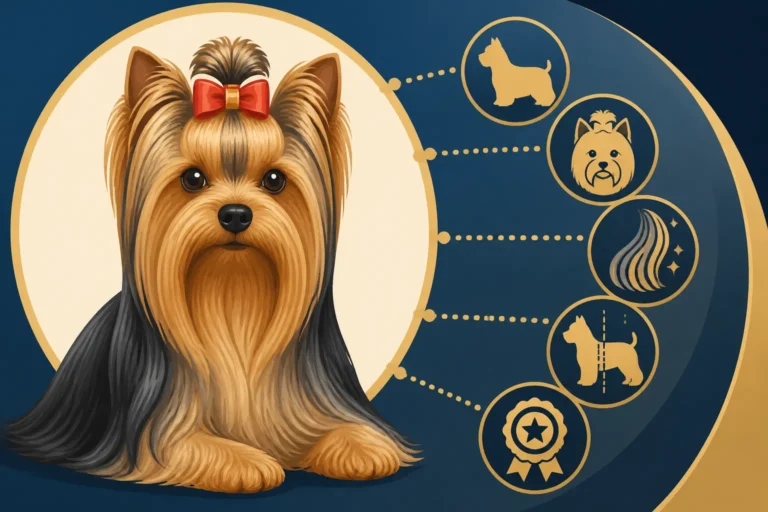
One of the most distinguishing features of the Yorkshire Terrier is their beautiful, long, silky coat. It's often described as hypoallergenic, which is a common misconception – no dog is truly 100% hypoallergenic, but Yorkies do shed minimally compared to many other breeds, making them a better choice for some allergy sufferers. Their coats are typically a steel blue on the body and tail, with rich tan or gold on the head, chest, and legs. They are a true toy breed, usually weighing between 4 to 7 pounds when fully grown.
Maintaining that gorgeous coat is a commitment. Daily brushing is often necessary to prevent tangles and mats, especially if you opt to keep their hair long. Many Yorkie owners choose a shorter "puppy cut" to minimize grooming time. Regular bathing, typically every 1-2 weeks, using a gentle dog shampoo, is also essential. Beyond coat care, Yorkies require regular dental care, nail trims, and ear cleaning. Their teeth are particularly prone to plaque and tartar buildup, which can lead to serious health issues down the line. A thorough Yorkshire Terrier Grooming Guide is indispensable for any Yorkie owner. You might find a good selection of grooming supplies, from brushes to gentle shampoos, on platforms like Chewy.
Common Yorkie Health Concerns
Like all breeds, Yorkies are prone to certain health conditions, many of which are common in small breeds. Understanding these potential issues can help you provide the best preventative care and recognize signs if something is amiss. Some of the most prevalent Yorkshire Terrier Health Problems to Know include patellar luxation, a condition where the kneecap slips out of place, and collapsing trachea, which can lead to a distinctive cough. Another concern is hypoglycemia, or low blood sugar, especially in puppies and very tiny adults, which requires prompt attention. Regular veterinary check-ups are paramount to catching these issues early. We also have detailed guides like Yorkie Knee Problems Explained and Yorkshire Terrier Dental Care Guide to help you understand specific health challenges.
Understanding the Chihuahua: A Look at Their Unique Traits
The Chihuahua, originating from Mexico, is another tiny breed with a giant personality. Named after the Mexican state of Chihuahua, these dogs are famous for their diminutive size and often fierce loyalty. They are undeniably captivating, known for their expressive eyes and spirited nature.
Chihuahua Temperament and Personality
Chihuahuas are legendary for their bold and sassy dispositions. They often bond incredibly strongly with one person, becoming intensely devoted companions. This loyalty can sometimes extend to protective behavior towards their chosen human, and they might be wary or even snappish with strangers or other animals if not properly socialized from a young age. Their confidence often leads to "small dog syndrome," where they act like they're much larger than they actually are, which can be cute but also problematic if not managed with proper training and boundaries.
Despite their reputation for being "lap dogs," Chihuahuas are intelligent and can be quite willful. They respond best to positive reinforcement training and consistent boundaries. Like Yorkies, they thrive on companionship and prefer not to be left alone for long periods. They are also known for their vocal nature, often using barks to express excitement, alarm, or simply to get attention. Their lively and curious minds mean they enjoy mental stimulation and play, despite their small size.
Chihuahua Appearance and Grooming Needs
Chihuahuas come in two coat varieties: smooth coat (short hair) and long coat. Both varieties are typically single-coated, though the long-haired version can have soft feathering on the ears, legs, and tail. They come in an astonishing array of colors and patterns, including solid black, white, fawn, chocolate, cream, gold, and various markings like brindle or sable. Chihuahuas are the smallest dog breed in the world, usually weighing no more than 6 pounds, with some being as tiny as 2-3 pounds. They typically have either an "apple head" (round, domed skull) or a "deer head" (longer muzzle, less pronounced forehead).
Grooming needs for a Chihuahua vary depending on their coat type. Smooth-coated Chihuahuas are relatively low-maintenance, requiring only weekly brushing to remove loose hair and keep their coat shiny. Long-coated Chihuahuas need more frequent brushing, typically two to three times a week, to prevent tangles and mats. Both types need regular nail trims, ear cleaning, and crucial dental care, as their small mouths are highly susceptible to dental disease. Chewy offers a wide range of grooming tools perfect for both coat types, from soft bristle brushes to enzymatic toothpastes.
Common Chihuahua Health Concerns
Chihuahuas, like Yorkies, are prone to certain genetic and acquired health issues that owners should be aware of. Patellar luxation is a common orthopedic problem, similar to Yorkies. They are also predisposed to hydrocephalus, a condition involving fluid buildup in the brain, especially in apple-headed Chihuahuas. Heart conditions, such as patent ductus arteriosus (PDA) and mitral valve disease, are also more common in the breed. Again, hypoglycemia can be a concern for very small Chihuahuas and puppies. Due to their small size, they can be fragile, so care must be taken to prevent injuries from falls or rough play. Understanding the signs of Yorkshire Terrier Patellar Luxation: Signs and Care (which applies to Chihuahuas as well) can be very helpful.
Head-to-Head Comparison: Yorkie vs. Chihuahua in Key Areas
Let's break down how these two beloved toy breeds stack up against each other in some critical categories.
Size and Physicality
Both breeds are undeniably small, making them excellent companions for apartment living or for individuals who prefer a compact pet. However, there are subtle differences.
- Yorkshire Terrier: Generally weighs 4-7 pounds. They tend to have a more elongated, square body structure under their flowing coats. Their fine bone structure means they can be delicate, requiring careful handling, especially around children.
- Chihuahua: Typically weighs up to 6 pounds, often smaller. They can have either a more compact, apple-shaped head and body, or a slightly more refined "deer head" appearance. Chihuahuas are also very fragile due to their tiny stature and delicate bones.
When it comes to durability, neither breed is built for rough-and-tumble play. Their small size means they are susceptible to injuries if dropped, stepped on, or handled carelessly. This is a critical consideration for homes with very young children or other large, boisterous pets.
Temperament and Compatibility
This is where the two breeds can show some of their most distinct differences, although both share the "big dog in a small package" mentality.
- Yorkshire Terrier: Known for being more terrier-like — bold, tenacious, and sometimes a bit bossy. They are fiercely loyal and affectionate with their family but can be reserved or suspicious of strangers. They often have a strong prey drive. While they can be good family dogs, especially if raised with children, they generally do best with older, respectful kids who understand how to interact with a tiny dog. You can learn more about if Are Yorkshire Terriers Good Family Dogs.
- Chihuahua: Famous for their sassy, confident, and often demanding nature. They are intensely devoted to their primary caregiver, often to the exclusion of others. They can be prone to "small dog syndrome" and might challenge larger dogs or be snappy with strangers if not properly socialized. Like Yorkies, they are often better suited for homes with older children who understand their fragile nature and boundary needs.
Both breeds can get along with other pets if introduced properly and socialized from a young age. However, their strong personalities mean careful introductions are always necessary.
Training and Intelligence
Both Yorkies and Chihuahuas are intelligent dogs, capable of learning commands and tricks. However, their stubborn streaks can make training a challenge.
- Yorkshire Terrier: Can be headstrong but are eager to please their favored human. They respond well to consistent, positive reinforcement. Potty training can be particularly challenging for Yorkies, and patience is a virtue. They excel in activities like agility due to their quick minds and athleticism. If you're struggling with housebreaking, our Yorkshire Terrier Potty Training Guide offers some great tips.
- Chihuahua: Also intelligent but can be notoriously stubborn. They require a patient, firm, and consistent approach to training. Early socialization is critical to prevent aggression or excessive fearfulness. Potty training can also be difficult with Chihuahuas, and many owners opt for pee pads as a supplemental solution. Their small bladder size often means they need more frequent potty breaks.
Both breeds are prone to barking, a trait that can be managed with consistent training but often remains a characteristic part of their communication.
Grooming and Maintenance
The grooming needs are a significant differentiator, primarily due to the Yorkie's long, silky coat.
- Yorkshire Terrier: High maintenance. Their single coat is similar to human hair and grows continuously. This means daily brushing to prevent mats, regular bathing, and professional grooming every 4-6 weeks (or DIY if you're skilled) for trims and sanitary cuts. Their eyes are also prone to tear staining, requiring regular cleaning.
- Chihuahua: Grooming depends on coat type. Smooth-coat Chihuahuas are low maintenance, needing weekly brushing. Long-coat Chihuahuas require more frequent brushing (2-3 times a week) to prevent tangles. Both benefit from regular nail trims, ear cleaning, and vigilant dental care.
For both breeds, proper dental hygiene is non-negotiable. Their small mouths are prone to overcrowding, leading to rapid plaque buildup and dental disease. Consider starting a routine of brushing your dog's teeth with pet-safe toothpaste early on, and discuss professional dental cleanings with your vet.
Exercise Needs and Lifestyle
Both are small breeds with moderate exercise requirements, making them suitable for various living situations, including apartments.
- Yorkshire Terrier: Needs about 20-30 minutes of exercise daily, which can be broken into a couple of short walks or vigorous indoor play sessions. They enjoy exploring their surroundings and benefit from mental stimulation. Too little exercise can lead to boredom and destructive behaviors. You can find more detail on Yorkshire Terrier Exercise Needs.
- Chihuahua: Similar exercise needs, typically 20-30 minutes a day. They are content with short walks around the block, playtime in a securely fenced yard, or indoor games. Chihuahuas are sensitive to cold, so they often need sweaters or coats for outdoor excursions in cooler weather.
Neither breed is suited for strenuous activities like long-distance running or hiking in harsh conditions. Their delicate respiratory systems and tiny legs aren't built for it.
Health and Lifespan
Both breeds generally have good lifespans, but each has its own set of breed-specific health concerns.
- Yorkshire Terrier: Average lifespan of 11-15 years. Common issues include patellar luxation, collapsing trachea, portosystemic shunt (liver shunt), dental disease, and hypoglycemia. Regular vet visits are crucial for early detection and management. Learn more about How Long Do Yorkshire Terriers Live.
- Chihuahua: Average lifespan of 12-20 years, often living longer than Yorkies. Common issues include patellar luxation, hydrocephalus, heart problems (like mitral valve disease), dental disease, and hypoglycemia. Their large, prominent eyes can also be susceptible to injury.
Preventative care, a high-quality diet (like options from Chewy), and regular veterinary check-ups are essential for both breeds to maximize their health and longevity.
Here's a quick comparison table to summarize:
| Feature | Yorkshire Terrier | Chihuahua |
|---|---|---|
| Average Weight | 4-7 pounds | 2-6 pounds |
| Coat Type | Long, silky, fine; non-shedding (hypoallergenic-ish) | Smooth (short) or Long; single coat |
| Grooming Needs | High (daily brushing, regular trims) | Low (smooth) to Moderate (long) |
| Temperament | Confident, bold, loyal, can be bossy/territorial | Sassy, fiercely loyal, bold, can be snappy/wary |
| Training Ease | Intelligent but stubborn; good for agility | Intelligent but stubborn; requires consistency |
| Exercise Needs | Moderate (20-30 min/day) | Moderate (20-30 min/day) |
| Family Suitability | Better with older, respectful children | Better with older, respectful children |
| Common Health Issues | Patellar Luxation, Collapsing Trachea, Dental Disease, Hypoglycemia, Liver Shunt | Patellar Luxation, Hydrocephalus, Heart Conditions, Dental Disease, Hypoglycemia |
| Average Lifespan | 11-15 years | 12-20 years |
Choosing Your Companion: Which Breed is Right for Your Lifestyle?
Ultimately, the "better" breed is entirely subjective and depends on what you're looking for in a canine companion. Both Yorkies and Chihuahuas are delightful, engaging dogs that bring immense joy to their owners, but their distinct characteristics mean they'll thrive in different environments or with different types of owners.
Consider Your Living Situation and Family Dynamics
If you live in an apartment or a smaller home, both breeds are excellent choices due to their compact size and moderate exercise needs. However, if you have very young children or rambunctious larger pets, you'll need to seriously consider the fragility of both a Yorkie and a Chihuahua. Both breeds can be easily injured, and their small stature means they might not tolerate rough handling well, potentially leading to nipping or fear-based aggression. They typically do best in homes where children are old enough to understand how to interact gently with a small dog.
Evaluate Your Grooming Commitment
The grooming aspect is a major differentiator. If you're someone who enjoys a dedicated grooming routine, or you're willing to commit to regular professional grooming appointments, a Yorkshire Terrier might be a good fit. Their magnificent coats require significant upkeep to stay healthy and mat-free. If you prefer a lower-maintenance grooming schedule, especially if you're not keen on daily brushing, a smooth-coat Chihuahua might be a more suitable option. Even a long-coat Chihuahua usually requires less intensive grooming than a full-coated Yorkie.
Assess Your Training Style and Patience
Both breeds are intelligent but can be quite stubborn, particularly when it comes to Yorkshire Terrier Potty Training Guide. If you're a first-time dog owner or someone who prefers an easier-to-train breed, you might find either a Yorkie or a Chihuahua challenging. However, if you're patient, consistent, and committed to positive reinforcement training, you can absolutely succeed with either. They both thrive on mental stimulation and enjoy learning, but they need an owner who can be a firm yet gentle leader. For resources on training, consider looking at products designed for small, intelligent breeds on Chewy.
Reflect on Their Unique Personality Traits
Do you prefer a dog with a strong, independent, and sometimes bossy "terrier" spirit that forms a deep bond with its family, like the Yorkie? Or are you drawn to the sassy, intensely loyal, and often one-person devoted nature of the Chihuahua? Both will provide endless entertainment and affection, but their expressions of love and their interactions with the wider world will differ.
Ultimately, whether you lean towards a Yorkshire Terrier or a Chihuahua, you're choosing a spirited, intelligent, and affectionate companion that will bring years of joy and personality into your life. The best choice is the one whose needs and personality align most closely with what you can genuinely provide, ensuring a happy and healthy life together.
Disclaimer
This article is intended for informational purposes only and does not constitute veterinary advice. Always consult with a qualified veterinarian for any health concerns or before making any decisions about your pet's care.