Yorkshire Terrier vs Pomeranian: Which Is Better
Deciding between a Yorkshire Terrier and a Pomeranian can feel like trying to choose between two sparkling gems – both are undeniably adorable, brimming with personality, and small enough to fit perfectly on your lap. But if you've ever spent time researching these two pint-sized powerhouses, you know their differences are more than skin deep, leaving many prospective owners scratching their heads. This guide is here to help you unpack the unique characteristics of each breed, so you can confidently determine which delightful companion will best fit your home and lifestyle.
A Tale of Two Tiny Titans: Yorkie and Pomeranian Overview
When you're looking at two small breeds, it's easy to assume they're cut from the same cloth. However, the Yorkshire Terrier and the Pomeranian, while both small, boast distinct histories, appearances, and temperaments that set them apart. Understanding these foundational differences is key to knowing which one will truly thrive in your care and bring the most joy to your life.
Breed Origins and Purpose
Let's start by digging into where these little guys actually came from, because their history really shapes who they are today. The Yorkshire Terrier, for instance, hails from 19th-century industrial England, specifically Yorkshire. These aren't just pretty faces; they were originally bred by working-class weavers to be tough, tenacious ratters in textile mills and coal mines. Think of them as tiny, fearless exterminators, needing intelligence, courage, and a strong prey drive to do their job. This background explains a lot about their confident, sometimes sassy, and incredibly alert nature. They might be small, but they carry the spirit of a much larger working dog, a true terrier through and through.
In stark contrast, the Pomeranian's lineage is rooted in the much colder climes of Pomerania, a region now part of Poland and Germany. Their ancestors were much larger Spitz-type sled dogs, like the Samoyed and the German Spitz, used for herding and pulling. Over generations, they were selectively bred down in size, eventually captivating Queen Victoria, who famously fell in love with a small Pomeranian in Florence, Italy, in the late 1800s. Her passion for the breed rapidly propelled them into popularity among royalty and nobility. So, while Yorkies were busy chasing rats, Poms were gracing laps and charming monarchs, which contributes to their often regal, yet playful and highly companionable demeanor.
Key Physical Characteristics
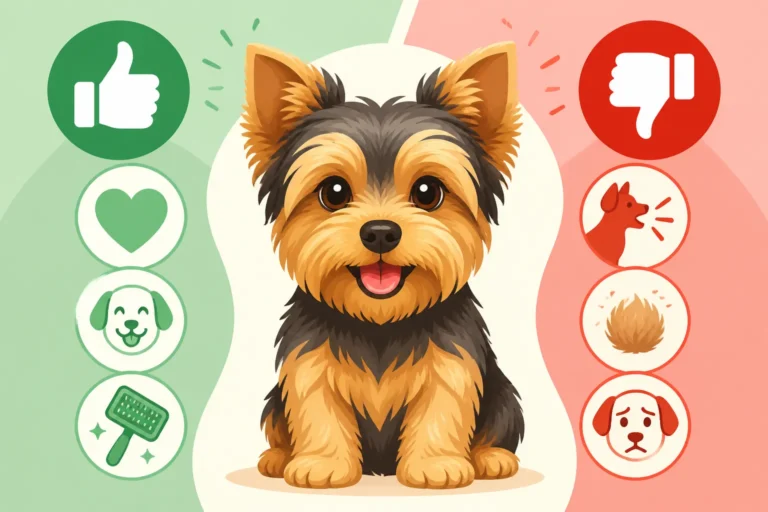
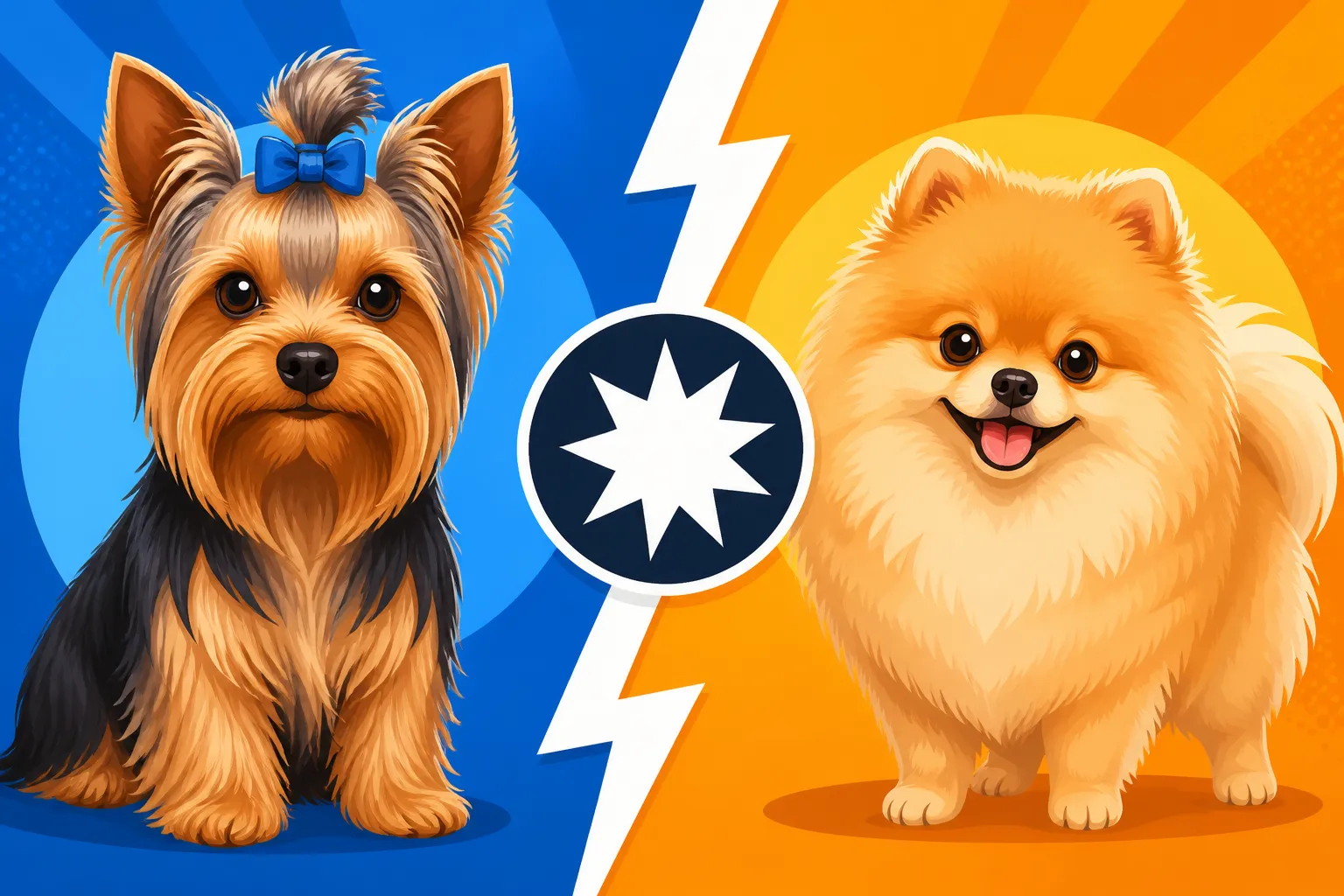
Even at a glance, a Yorkie and a Pom present two very different aesthetics, though both are undeniably cute. Yorkshire Terriers are renowned for their long, silky, flowing coats, which are typically blue (a steel blue-grey, not true blue) and tan. Their hair is often described as similar to human hair, fine and growing continuously. They generally have a compact, well-proportioned body and an alert expression. An adult Yorkie usually weighs between 4 to 7 pounds, making them one of the smallest toy breeds, and stands about 7-8 inches tall at the shoulder.
Pomeranians, on the other hand, are famous for their luxurious double coat, which stands off their body, giving them a fluffy, round appearance. They have a distinctive foxy face, small, erect ears, and a plumed tail that curls over their back. Their coats come in a dazzling array of colors and patterns – orange, black, white, cream, sable, and even merle are all recognized. Poms are often slightly smaller than Yorkies, typically weighing 3 to 7 pounds and standing 6-7 inches tall. Their profuse fur can sometimes make them appear larger than they actually are, which is a delightful surprise when you pick one up.
General Temperament and Personality
The personality differences between these two breeds are often the most significant factor for prospective owners. Yorkshire Terriers, true to their terrier heritage, are known for being bold, confident, and spirited. They have a lively, intelligent, and feisty personality, often acting like a big dog in a small dog's body. They can be quite vocal, making excellent little watchdogs, and are deeply devoted to their families, sometimes even exhibiting a "one-person dog" tendency, though they can be affectionate with everyone. Their strong will and determination are charming but can also translate into stubbornness during training. To understand more about their typical quirks, you can read our guide on Yorkshire Terrier Temperament and Personality.
Pomeranians, while also confident and full of personality, tend to have a slightly different flair. They are generally outgoing, vivacious, and highly curious. Poms love to be the center of attention and are often described as intelligent and eager to please, though they can also have a mischievous streak. They are usually quite playful and love to learn new tricks. Like Yorkies, they can be prone to barking, a trait often stemming from their natural alertness and watchdog tendencies. Their lively nature and desire for companionship make them wonderful lapdogs, always ready for an adventure or a cuddle.
Lifestyle and Compatibility Considerations
Choosing a dog isn't just about falling in love with a cute face; it's about finding a companion whose needs and personality mesh with your lifestyle. Both Yorkies and Poms are popular for apartment living due to their size, but their daily care routines and behavioral tendencies have some distinct differences that are worth exploring.
Grooming Needs: Who Requires More TLC?
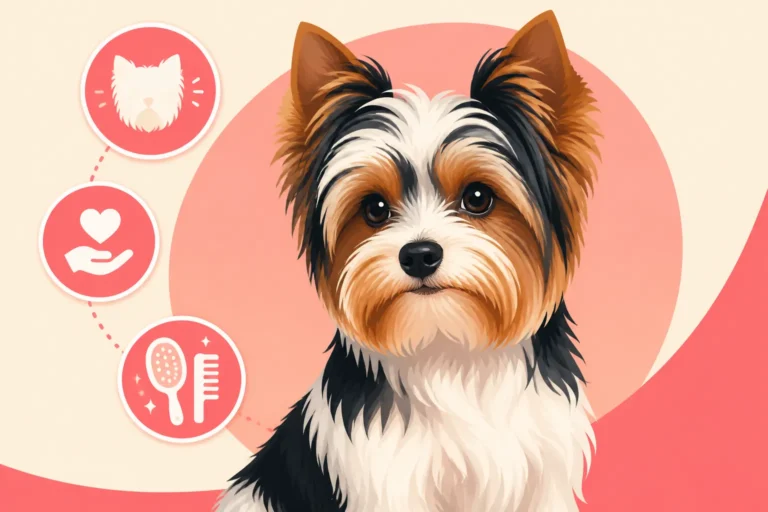
When it comes to grooming, both breeds require a significant commitment, but the type of care differs quite a bit. A Yorkshire Terrier's long, silky coat, which is more akin to human hair than typical dog fur, needs daily brushing to prevent mats and tangles. Without regular care, their fine hair can quickly become a matted mess, especially around the ears, armpits, and legs. Many Yorkie owners opt for a "puppy cut" or a shorter style to manage the coat more easily, reducing the need for daily extensive brushing to every few days. Regular bathing every 1-3 weeks is also necessary to keep their coat clean and healthy, using a gentle dog shampoo and conditioner. Trimming their nails, cleaning their ears, and maintaining good dental hygiene are also crucial parts of their routine. For a deeper dive into managing their exquisite locks, you might want to check out our Yorkshire Terrier Grooming Guide.
Pomeranians, with their dense double coat, also demand consistent grooming, but their primary challenge is preventing matting in their thick undercoat and shedding. Daily or every-other-day brushing is recommended to remove loose hair and prevent tangles, especially during shedding season, which happens typically twice a year. Using a slicker brush and a metal comb will help you get down to the undercoat. While their coat is profuse, it doesn't tend to mat as easily as a Yorkie's fine hair if brushed regularly. Poms usually need bathing every 3-4 weeks, depending on their activity level. You'll find a wide selection of brushes, shampoos, and conditioners perfect for both breeds on sites like Chewy, making it easy to keep their coats in top condition.
| Feature | Yorkshire Terrier | Pomeranian |
|---|---|---|
| Coat Type | Single coat, fine, silky, human-like hair | Double coat, dense undercoat, profuse outer coat |
| Brushing | Daily to prevent mats (especially long coats) | Every 1-2 days to remove loose hair & prevent mats |
| Bathing | Every 1-3 weeks | Every 3-4 weeks |
| Shedding | Minimal (more like hair breakage) | Moderate, seasonal heavy shedding |
| Haircuts | Common (e.g., puppy cut) to manage length | Less common, usually trimming for neatness |
| Professional Grooming | Recommended every 4-8 weeks | Recommended every 6-12 weeks |
Exercise Requirements and Energy Levels
Despite their small size, neither the Yorkie nor the Pom is content to be a perpetual couch potato. Both breeds have a surprising amount of energy and require regular exercise to stay happy and healthy. Yorkshire Terriers, given their working-class roots, are quite energetic and benefit from daily walks and playtime. A couple of 15-20 minute walks a day, combined with indoor games and mental stimulation, are usually sufficient. They love to chase toys and can be quite agile, so a secure yard or indoor play area is ideal. It's important to channel their terrier energy constructively to prevent boredom and potential destructive behaviors. You can discover more about what your little companion needs in our guide to Yorkshire Terrier Exercise Needs.
Pomeranians, with their Spitz ancestry, also possess a good deal of vitality. They are often described as lively and playful, enjoying short walks and plenty of indoor games. Like Yorkies, a couple of 15-20 minute walks daily are usually adequate, supplemented with engaging play sessions. Poms love to run and explore, so secure outdoor spaces are great, but they are equally happy playing fetch or hide-and-seek inside. Their high intelligence means they also benefit greatly from mental challenges, like puzzle toys, which can help tire them out and prevent boredom. Both breeds are quite adaptable, making them suitable for apartment living as long as their exercise needs are consistently met.
Training and Socialization Challenges
Training and socialization are critical for both breeds, and each presents its own unique set of challenges. Yorkshire Terriers are intelligent but can also be quite stubborn, a classic terrier trait. This means consistency and positive reinforcement are absolutely essential. They can be notoriously difficult to potty train, and patience is key. Early and consistent socialization is vital to prevent them from becoming overly protective or wary of strangers and other dogs. Without proper socialization, their confident nature can sometimes morph into "small dog syndrome," where they might try to dominate larger dogs or become overly yappy. If you're struggling with house-training, our Yorkshire Terrier Potty Training Guide offers some excellent tips.
Pomeranians are generally intelligent and eager to please, which can make them slightly easier to train than some Yorkies. However, they also possess a mind of their own and can be manipulative if not given clear boundaries. Consistent training from a young age is important, and like Yorkies, positive reinforcement works best. Poms can also be prone to excessive barking if not trained to control it, often due to their alert nature. Early socialization is crucial for Pomeranians to help them grow into well-adjusted adults, comfortable around new people, places, and other animals. Puppy classes and regular exposure to various environments can make a significant difference in their behavior. For broader behavioral insights, refer to Yorkshire Terrier Behavior Problems and Solutions, which often applies to other small breeds as well.
Living with Families and Other Pets
When considering a new furry family member, their compatibility with children and other animals is a major concern. Yorkshire Terriers can be wonderful family dogs, but their small size and sometimes feisty nature mean they are generally better suited for families with older, respectful children. Toddlers or very young children, who might not understand how to gently interact with such a small dog, could accidentally injure a Yorkie. With proper socialization from a young age, many Yorkies can coexist peacefully with other dogs and even cats, though their strong prey drive might make them inclined to chase smaller, non-canine pets.
Pomeranians, too, can thrive in families, but similar to Yorkies, they are often recommended for homes with older children due to their delicate bone structure. They are generally playful and affectionate, but rough handling can lead to injuries or defensive nipping. Poms tend to get along well with other dogs, especially if introduced properly and socialized early. Their lively and curious nature often makes them interested in playing with other pets, and they can certainly share a home with cats, particularly if raised together. As with any breed, individual personality plays a huge role, but early positive experiences are paramount for harmonious multi-pet households.
Health and Lifespan: What to Expect
No matter which breed you lean towards, understanding their potential health challenges and expected lifespan is a vital part of responsible pet ownership. Both Yorkies and Poms are generally healthy breeds, but like all purebreds, they have predispositions to certain genetic and environmental conditions.
Common Health Concerns
Yorkshire Terriers are prone to a few specific health issues that prospective owners should be aware of. One of the most common is Yorkshire Terrier Patellar Luxation: Signs and Care, where the kneecap slips out of place, causing lameness. Another concern is Yorkshire Terrier Collapsing Trachea: Signs and Care, a condition where the windpipe weakens and flattens, leading to a characteristic cough. Dental disease is also rampant in small breeds, so proactive Yorkie Dental Disease Prevention is essential. Other conditions include portosystemic shunt (liver shunt), Legg-Calve-Perthes disease (a hip joint disorder), and hypoglycemia, especially in puppies. Regular vet check-ups are key to catching these issues early. For a full rundown, our article on Yorkshire Terrier Health Problems to Know covers many of these in detail.
Pomeranians also have their share of common health issues. Similar to Yorkies, they can suffer from luxating patellas. Another prevalent concern is Tracheal Collapse, which shares symptoms with the Yorkie's collapsing trachea. A unique issue to Poms is severe hair loss syndrome, often called "Black Skin Disease" or Alopecia X, which causes the coat to thin and eventually disappear, often leading to darkened skin. Hypothyroidism, where the thyroid gland is underactive, and various eye problems like cataracts and dry eye, are also seen in the breed. Like all toy breeds, dental hygiene is paramount for Poms to prevent periodontal disease.
Average Lifespan and Senior Care
Both Yorkshire Terriers and Pomeranians typically enjoy relatively long lifespans, especially for dogs. A well-cared-for Yorkshire Terrier can live anywhere from 11 to 15 years, with many even exceeding that. Their small size often contributes to their longevity, as they put less stress on their joints and organs compared to larger breeds. As Yorkies age, they may experience age-related issues such as joint stiffness, dental problems, and reduced vision or hearing. Providing a comfortable, warm environment, a balanced diet, and continued veterinary care is essential for their golden years. We have a comprehensive Yorkshire Terrier Senior Care Guide that details how to support your aging companion.
Pomeranians also boast an impressive average lifespan, typically living between 12 to 16 years. Some Poms even live to be 18 or 20, defying expectations and truly becoming cherished, long-term family members. As they enter their senior years, Poms might face similar challenges to Yorkies, including osteoarthritis, dental problems, and a higher risk of certain cancers. Regular vet visits become even more important for senior Poms to monitor their health and manage any age-related conditions. Ensuring they maintain a healthy weight and get gentle, consistent exercise can significantly improve their quality of life as they age.
Vet Care and Health Budget
Owning any dog comes with financial responsibilities, and ensuring proper veterinary care is one of the most significant. For both Yorkshire Terriers and Pomeranians, the initial costs include vaccinations, deworming, and spaying or neutering. Routine annual check-ups, dental cleanings (which are often needed more frequently for small breeds), and parasite prevention contribute to ongoing expenses. Due to their predispositions to certain health issues like patellar luxation or tracheal collapse, it's wise to budget for potential diagnostic tests, medications, or even surgeries down the line. Pet insurance can be a valuable consideration for either breed to help mitigate the costs of unexpected illnesses or accidents. Knowing what to expect financially can help you prepare, and our guide on Yorkshire Terrier Vet Costs and Health Budget offers an in-depth look at these expenses. Investing in high-quality food, like brands available at Chewy that cater to small breeds with sensitive stomachs or dental needs, also contributes to long-term health and can reduce vet visits.
Making the Choice: Which Breed Is Best for You?
So, you've learned a lot about these two wonderful breeds. Now comes the exciting part: putting it all together to figure out which one will be your perfect match. The "better" breed isn't universal; it truly depends on what you're looking for in a companion and what you can realistically provide.
Ideal Owner Profiles
A Yorkshire Terrier is often an ideal companion for someone looking for a spirited, confident, and highly loyal dog. They thrive with owners who appreciate their feisty terrier personality and are ready to provide consistent training and early socialization to manage their strong will and potential vocal tendencies. An owner who enjoys a dog with a playful, "big dog" attitude in a small package, and is committed to regular grooming (or professional grooming), would do very well with a Yorkie. They bond deeply with their family and can be quite protective, making them excellent little watchdogs for a dedicated individual or a mature family. If you're a first-time owner, understand that while adorable, a Yorkie's stubborn streak requires patience.
A Pomeranian, on the other hand, might be the perfect fit for an owner who loves a fluffy, lively, and intelligent companion that enjoys being the center of attention. Poms do well with individuals or families who can provide plenty of mental stimulation and interactive playtime. Owners who enjoy a dog that can be both a cuddly lapdog and a playful adventurer will find a Pom incredibly rewarding. They generally respond well to positive reinforcement training and thrive on being involved in family activities. Their profuse double coat requires consistent grooming, so an owner prepared for regular brushing will keep their Pom looking magnificent.
Key Deciding Factors
To help you make your final decision, let's condense the core differences into a few key deciding factors:
- Grooming Commitment: Both require significant grooming, but a Yorkie's fine, human-like hair is prone to matting and often requires daily attention for long coats, while a Pom's double coat needs regular brushing to manage shedding and keep its fluffiness.
- Personality: Yorkies tend to be more tenacious, feisty, and "terrier-like" – bold and independent. Poms are often more outgoing, playful, and eager to please, with a slightly more mischievous side.
- Vocalization: Both breeds can be prone to barking. Yorkies might bark out of protectiveness or a strong watchdog instinct, while Poms might bark out of excitement, alertness, or to demand attention. Early training can manage this in both.
- Delicacy: Both are small and delicate, needing careful handling, especially around young children. Neither is suitable for rough play.
- Health: Both share some common toy breed ailments like luxating patellas and tracheal issues. Poms also have a unique risk of Alopecia X. Maintaining their health and longevity is a key part of how to keep a Yorkshire Terrier healthy, and the same goes for Pomeranians.
Ultimately, both the Yorkshire Terrier and the Pomeranian are wonderful, affectionate, and charismatic breeds that bring immense joy to their owners. Your choice should come down to which breed's temperament, appearance, and specific care needs align best with your expectations and the environment you can provide.
Disclaimer
This article is for general informational purposes only and does not constitute professional advice. Laws, prices and regulations vary by location and change over time. Consult a qualified professional for guidance on your specific situation.