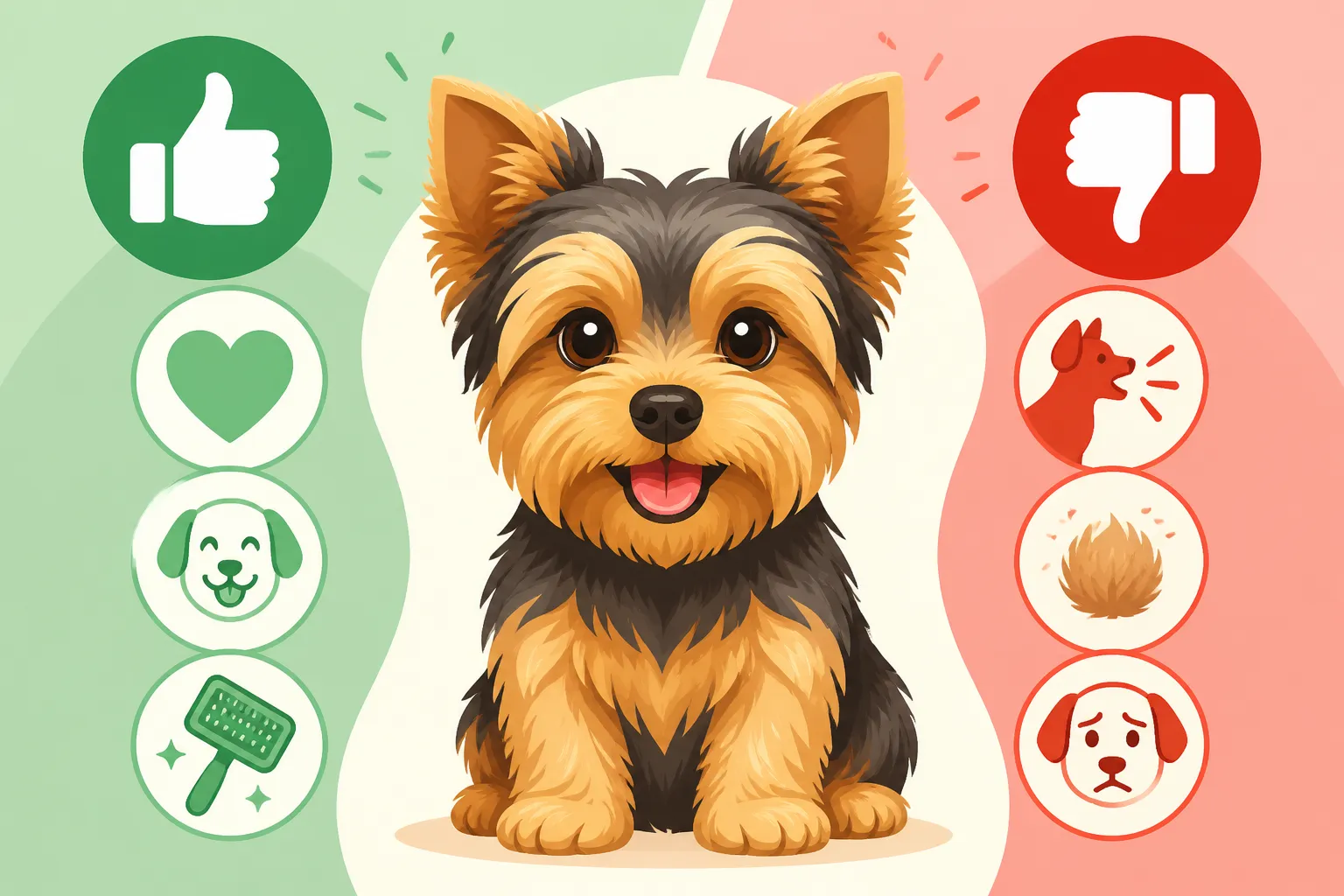
Is a Snorkie Right for You: Pros and Cons
Bringing a new furry friend into your home is a huge decision, and with so many wonderful breeds and mixes out there, it's easy to feel overwhelmed trying to find the perfect fit. You might be captivated by the charm of a Snorkie, a delightful mix of a Yorkshire Terrier and a Miniature Schnauzer, but you're probably wondering if this unique combination will truly mesh with your lifestyle. This comprehensive guide will walk you through all the pros and cons, helping you decide if a Snorkie is indeed the right companion for you.
Understanding the Snorkie Breed: A Unique Blend
When you consider a hybrid breed like the Snorkie, it's truly like getting a surprise package. You never know exactly which parent's traits will shine through the most, and that's both exciting and a little nerve-wracking! To truly understand what a Snorkie might be like, we need to delve into the characteristics of its two parent breeds: the spirited Yorkshire Terrier and the alert Miniature Schnauzer.
The Yorkshire Terrier Parentage
Ah, the beloved Yorkie! These tiny titans are known for their luxurious, silky coats and their undeniable zest for life. Despite their small stature, Yorkshire Terriers carry a big personality, often acting like they're much larger dogs. They're incredibly loyal and affectionate with their families, thriving on companionship and often forming a very strong bond with one particular person. This intense loyalty can be a real joy, making them wonderful lapdogs who always want to be by your side.
However, their spirited nature also means they can be quite vocal, often barking at strangers, unfamiliar noises, or even just to express their excitement. They also have a strong prey drive, thanks to their terrier heritage, so small critters in the yard might spark their chasing instincts. From a health perspective, Yorkies are prone to certain issues, such as Yorkshire Terrier Patellar Luxation: Signs and Care, Yorkshire Terrier Collapsing Trachea: Signs and Care, and Yorkshire Terrier Dental Disease: Signs and Care. Their beautiful long coat, while stunning, requires consistent grooming to prevent matting and keep it healthy. Owners often spend time researching how to do a Yorkie Top Knot Tutorial or manage their daily Yorkshire Terrier Grooming Guide needs.
The Miniature Schnauzer Parentage
On the other side of the family, we have the Miniature Schnauzer, a sturdy, intelligent, and highly alert breed originating from Germany. Schnauzers are recognizable by their distinctive beard and eyebrows, and their wiry, double coat. They are known for being exceptionally devoted to their families, often acting as diligent little guard dogs, always ready to announce visitors or suspicious sounds with a hearty bark. Their intelligence makes them generally easy to train, but they can also have a stubborn streak, typical of terriers.
Miniature Schnauzers possess a playful energy and enjoy activities, making them great companions for active individuals or families. They love having a "job" to do, whether it's learning new tricks or going on adventurous walks. Health-wise, Schnauzers can be prone to issues like pancreatitis, bladder stones, and certain eye conditions like Yorkie Eye Problems Explained (shared by many small breeds, but specific types can affect Schnauzers more). Their wiry coat doesn't shed much, which is a big plus for many, but it does require regular stripping or clipping to maintain its texture and prevent skin issues.
What Makes a Snorkie a Snorkie?
A Snorkie is a wonderful mix, aiming to combine the best qualities of both parent breeds. However, it's crucial to understand that with hybrid dogs, there's no guarantee which traits will be dominant. One Snorkie might inherit the silky, long hair of a Yorkie, while another might have the coarser, wiry coat of a Schnauzer. Similarly, one could be an energetic explorer, while another prefers cuddles on the couch.
Generally, Snorkies are small dogs, typically ranging from 7 to 12 pounds, making them suitable for apartment living. They often inherit a blend of their parents' personalities: intelligent, affectionate, playful, and alert. They tend to be confident and curious, keen on exploring their surroundings. This variability is part of their charm but also something potential owners need to be prepared for. It's not like getting a purebred where you have a very predictable set of characteristics. You're getting a unique individual, and that's pretty special.
The Pros of Welcoming a Snorkie into Your Home
Bringing a Snorkie into your life can truly enrich it with endless laughter, snuggles, and lively antics. These little dogs often embody some of the most desirable traits from their parent breeds, making them fantastic companions for the right person or family.
Engaging Personality and Companionship
One of the biggest draws of a Snorkie is their captivating personality. They often combine the spunky, affectionate nature of the Yorkie with the intelligent, loyal disposition of the Schnauzer. This means you’re likely getting a dog that is not only incredibly loving and devoted to its family but also bright and eager to engage. They thrive on human interaction and genuinely want to be a part of everything you do. Whether you're working from home, enjoying a quiet evening, or heading out for a short walk, your Snorkie will likely want to be right there with you. This strong bond makes them exceptional companions, often providing comfort and joy, especially for individuals or couples seeking a constant, loving presence. Their playful energy, even into adulthood, means they’re always up for a game of fetch or a romp in the park.
Potential for Reduced Shedding
For those who suffer from pet allergies or simply prefer less dog hair around the house, the Snorkie can be a fantastic choice. Both Yorkshire Terriers and Miniature Schnauzers are known for their low-shedding coats. Yorkies have hair that is more similar to human hair, shedding minimally, while Schnauzers have a wiry double coat that also sheds very little. This means a Snorkie is highly likely to inherit a coat that produces less dander and hair, making them potentially more suitable for allergy sufferers. While no dog is truly 100% hypoallergenic, a Snorkie often comes very close, which can make a huge difference in maintaining a clean home environment and allowing allergic individuals to enjoy the companionship of a dog without constant sniffles or itchy eyes. Regular grooming, though, is still key to managing their coat, no matter how much it sheds. You can find many specialized grooming tools and low-shedding shampoos on pet supply sites like Chewy.
Adaptability to Different Living Situations
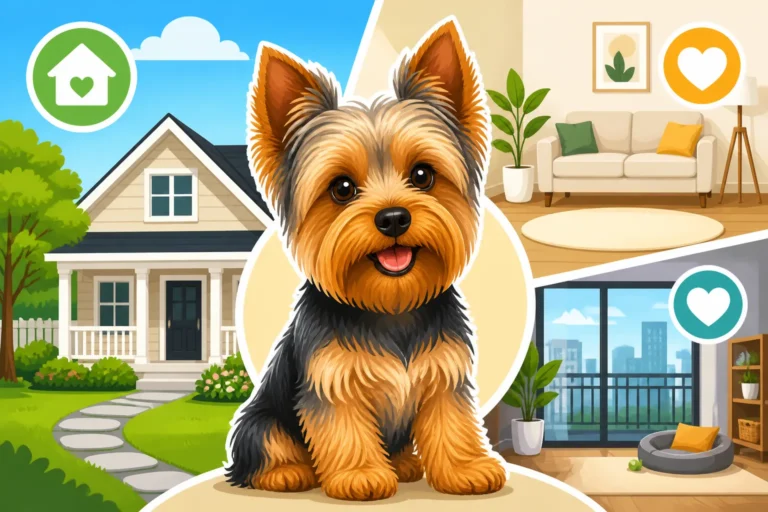
Snorkies are incredibly versatile dogs when it comes to their living arrangements. Their small size makes them ideal candidates for apartment living or homes without large yards. They don't require vast amounts of space to be happy, as long as their exercise and mental stimulation needs are met. A few short walks a day, combined with indoor playtime, are usually sufficient to keep them content. This adaptability also extends to various family dynamics. They can be wonderful companions for singles, couples, and even families with older, respectful children who understand how to interact gently with a small dog. Their desire for companionship means they adjust well to being the center of attention in smaller households, thriving on the love and consistent presence of their human family.
Intelligence and Trainability
Coming from two intelligent parent breeds, Snorkies are often quick learners. Miniature Schnauzers are known for their sharp minds and eagerness to please, while Yorkies, though sometimes stubborn, are also quite smart and capable of learning many commands and tricks. This makes Snorkies generally receptive to training, particularly when positive reinforcement methods are used. They enjoy mental challenges and can excel in obedience training, agility, or even learning complex tricks. Early and consistent training is key to harnessing their intelligence and shaping them into well-behaved companions. This can be a huge pro, as a well-trained dog is a joy to live with, and the process of training itself can strengthen the bond between you and your Snorkie. Engaging their minds is just as important as physical exercise for these bright little dogs.
The Cons and Challenges of Snorkie Ownership
While Snorkies are undeniably charming and bring so much joy, it's vital to look at the full picture before committing. Like any breed, they come with their own set of potential challenges that prospective owners need to be prepared for. Understanding these can help you avoid surprises and ensure you're truly ready for what Snorkie ownership entails.
Grooming Demands and Coat Care
Despite the low-shedding benefit, Snorkies typically come with significant grooming requirements. The type of coat they inherit can vary greatly: some might have the long, silky hair of a Yorkie, others the wiry, dense coat of a Schnauzer, and many will have a combination of both. Regardless, regular grooming is non-negotiable. A silky coat will require daily brushing to prevent matting, while a wiry coat needs professional stripping or clipping every 6-8 weeks to maintain its texture and prevent skin irritation.
Neglecting their coat can lead to painful mats that pull on their skin, skin infections, and discomfort. Beyond the coat, their distinctive facial hair, especially if they lean towards the Schnauzer side, needs regular cleaning to prevent food and debris buildup, which can lead to odors or skin issues. You'll also need to be diligent about Yorkie Dental Disease Prevention and regular nail trims. These grooming needs translate to a significant time commitment or regular expenses for professional grooming services.
Potential for Stubbornness and Vocalization
Both Yorkshire Terriers and Miniature Schnauzers carry a strong terrier temperament, which often translates into a confident, sometimes stubborn, streak in Snorkies. While their intelligence makes them capable of learning, their independent nature might mean they choose when to listen. This can be particularly frustrating during How to Train a Yorkshire Terrier sessions if you're not consistent and patient. They might challenge boundaries, especially if they sense an opportunity to be the "boss."
Another common trait inherited from both sides is their propensity for barking. Yorkies are known for being alert vocalizers, and Schnauzers are excellent guard dogs who will alert you to every squirrel, leaf, and passerby. A Snorkie can easily inherit this tendency to Do Yorkshire Terriers Bark a Lot, becoming a diligent, albeit noisy, watchdog. This means early training and socialization are crucial to manage excessive barking, especially if you live in an apartment building or have close neighbors. Without proper guidance, their vocalizations can become a persistent nuisance.
Health Considerations from Both Sides
While some proponents of hybrid breeds suggest "hybrid vigor" leads to healthier dogs, the reality is more nuanced. Snorkies can inherit any of the genetic health problems common to both parent breeds. This means instead of having fewer health risks, they potentially have a wider range of conditions they could be predisposed to.
From the Yorkshire Terrier side, concerns like Yorkshire Terrier Patellar Luxation: Treatment Options, Yorkshire Terrier Collapsing Trachea: Signs and Care, portosystemic shunt (liver shunt), and dental disease are common. From the Miniature Schnauzer side, they might face predispositions to pancreatitis, bladder stones, hyperlipidemia (high fat in the blood), and certain eye conditions like Yorkie Cataracts: Signs and Treatment. It’s crucial to research and understand Yorkshire Terrier Health Problems to Know for both parent breeds. This means finding a reputable breeder who screens their parent dogs for these conditions is incredibly important. Even with the best breeding practices, owning a Snorkie means being vigilant about their health and prepared for potential veterinary costs, which can include managing conditions like Yorkshire Terrier Pancreatitis: Treatment Options.
The "Hybrid Vigor" Myth vs. Reality
It’s important to address the often-touted concept of "hybrid vigor" when discussing designer breeds like Snorkies. The idea is that mixing two purebreds creates a healthier, more robust dog due to increased genetic diversity. While it's true that a wider gene pool can reduce the incidence of recessive genetic diseases that are common in inbred lines, it doesn't magically make a dog immune to all inherited conditions.
As mentioned, a Snorkie can still inherit any of the health problems present in either the Yorkshire Terrier or the Miniature Schnauzer lines. If breeders aren't careful about screening both parent dogs for genetic conditions, you could end up with a puppy predisposed to a combination of issues from both sides. For example, a Snorkie could potentially be at risk for both patellar luxation (common in Yorkies) and bladder stones (common in Schnauzers). The best way to mitigate these risks, regardless of whether you choose a purebred or a hybrid, is to select a puppy from responsible breeders who conduct thorough health screenings on their breeding stock and are transparent about the health history of their dogs' lineage. Always ask to see health clearances for the parents.
Is a Snorkie Your Perfect Match? Lifestyle Considerations
Deciding whether a Snorkie is the right companion for you involves more than just admiring their cute faces. You need to honestly assess your lifestyle, your commitments, and what you're truly prepared for in a furry family member. These small dogs, while adaptable, still have specific needs that must be met for them to thrive.
Time Commitment for Training and Socialization
Snorkies are intelligent and can be a joy to train, but they also have that terrier stubbornness and a propensity for being vocal. This means they require a consistent and patient hand, especially during their formative puppy months. Early socialization is paramount to ensure your Snorkie grows into a well-adjusted adult, comfortable with different people, environments, and other animals. Without it, they can develop "small dog syndrome," becoming overly timid or aggressive, or excessive barkers.
Are you prepared to dedicate time each day to positive reinforcement training sessions? Will you expose your puppy to new sights and sounds regularly? If you're a busy individual with little time for daily training exercises or weekly puppy classes, a Snorkie might become challenging to manage. An untrained Snorkie can be prone to Yorkie Aggression: Causes and Solutions, persistent barking, or simply not listening to commands. Investing time upfront in their training and socialization will pay dividends in the long run, creating a happier, more harmonious household.
Financial Considerations for Care
While a Snorkie might not eat as much as a larger dog, their overall cost of ownership can still be significant. Beyond the initial How Much Does a Yorkshire Terrier Cost (or hybrid equivalent), you'll need to budget for recurring expenses. Professional grooming is a major factor, as their coats often require regular attention, easily costing $50-$100 every 6-8 weeks, depending on your location and the groomer. Then there's high-quality food, which can be found readily on sites like Chewy, toys, treats, and routine veterinary care, including vaccinations and preventative medications.
More importantly, you must be prepared for potential health issues. As discussed, Snorkies can inherit conditions from both parent breeds. This means setting aside an emergency fund or considering pet insurance is a wise financial decision. Complex surgeries, specialized diets for conditions like pancreatitis, or ongoing medication for chronic issues can quickly add up. Understanding these Cost of Owning a Yorkshire Terrier Per Month estimates will help you budget realistically and ensure you can provide the best care for your Snorkie throughout their life.
Compatibility with Family and Other Pets
Snorkies can be wonderful family dogs, but their suitability largely depends on the dynamics of the household. Due to their small size, they can be delicate and easily injured by rambunctious toddlers or young children who don't understand how to interact gently with a small dog. For families with very young children, careful supervision is always necessary, and teaching children how to respect a dog's space is critical. They tend to do best with older children who can participate in their care and training.
When it comes to other pets, a Snorkie can often coexist peacefully with other dogs, especially if socialized from a young age. However, their terrier instincts might make them inclined to chase smaller animals like cats or pocket pets. While many Snorkies adapt well to living with feline companions, introductions should always be done slowly and carefully. A Snorkie's confident and sometimes bossy nature might also mean they try to assert dominance over larger, more laid-back dogs. Ultimately, success with a multi-pet household will come down to individual personalities, early introductions, and consistent management.
Here's a quick overview of how a Snorkie typically stacks up against its parent breeds:
| Trait | Yorkshire Terrier | Miniature Schnauzer | Snorkie (Typical) |
|---|---|---|---|
| Size | Small (4-7 lbs) | Small (11-20 lbs) | Small (7-12 lbs) |
| Temperament | Confident, affectionate, sometimes stubborn, vocal | Alert, loyal, intelligent, spirited, sometimes stubborn | Blend of both; confident, loyal, affectionate, alert |
| Shedding | Very Low (hair-like coat) | Very Low (wiry coat) | Low to Very Low (variable coat type) |
| Grooming Needs | High (daily brushing, professional trims) | High (regular clipping/stripping, beard care) | High (variable, requires regular brushing/trimming) |
| Trainability | Moderate (intelligent, but can be stubborn) | High (intelligent, eager to please but can be stubborn) | Moderate to High (intelligent, can be stubborn) |
| Vocalization | High (alert barking) | High (alert barking, protective) | High (alert barking) |
| Energy Level | Moderate (daily walks, indoor play) | Moderate to High (needs regular activity) | Moderate (daily walks, active playtime) |
| Common Health Issues | Patellar luxation, collapsing trachea, dental | Pancreatitis, bladder stones, eye conditions | Can inherit issues from both parent breeds |
| Apartment Living | Excellent | Excellent | Excellent |
Disclaimer
This article is for general informational purposes only and does not constitute professional advice. Laws, prices and regulations vary by location and change over time. Consult a qualified professional for guidance on your specific situation.