Mini Yorkshire Terrier: Facts and Care
Bringing a miniature Yorkshire Terrier into your life can be an incredibly rewarding experience, but the term "mini" itself often brings up more questions than answers for new and prospective owners. Many people are drawn to their adorable, diminutive size, yet they worry about their unique care requirements, potential health issues, and how they truly differ from their standard counterparts. This guide aims to clear up the confusion surrounding mini Yorkies, offering a realistic look at their characteristics and comprehensive advice on providing them with the loving, specialized care they need to thrive.
Understanding the "Mini" Yorkshire Terrier Phenomenon
The world of Yorkshire Terriers is often filled with various descriptors – "teacup," "toy," "mini," "standard." It's easy to get lost in the terminology, especially when looking for a small companion. The truth is, while some Yorkies are indeed smaller than others, the term "mini" can be a bit misleading if you're not aware of its implications.
Is "Mini" an Official Classification?
Let's get one thing straight right from the start: there is no official breed classification for a "miniature" Yorkshire Terrier by major kennel clubs like the American Kennel Club (AKC) or The Kennel Club (UK). The breed standard for a Yorkshire Terrier dictates a specific weight range, typically not exceeding seven pounds (3.2 kg). Any Yorkie that falls within or slightly below this standard might be informally referred to as "mini" or "toy," but these are not distinct breeds or varieties. When you see a breeder marketing "mini" or "teacup" Yorkies, they are often referring to dogs that are either at the very low end of the standard weight range, or, unfortunately, dogs that are significantly smaller due to specific breeding practices that might prioritize tiny size over robust health.
It's crucial to approach any breeder using these unofficial terms with caution. Responsible breeders focus on health, temperament, and adherence to the breed standard, not on producing unusually small dogs, which can sometimes come with a host of complex health issues. The goal should always be a healthy, well-adjusted puppy, regardless of its ultimate size within the acceptable range.
What Influences a Yorkie's Size?
A Yorkie's size is primarily determined by its genetics. Just like in humans, there's a natural variation in size within a litter. Some puppies are simply born smaller, inheriting genes from their parents and ancestors that predispose them to a more diminutive stature. These smaller pups might be what are affectionately called "runts" of the litter, or they might simply be naturally tiny individuals. A healthy Yorkie, even a small one, should be proportionate and robust, just on a smaller scale.
However, sometimes breeders specifically try to breed the smallest dogs together, generation after generation, to achieve increasingly tiny sizes. While this might meet the demand for "teacup" or "mini" Yorkies, it can inadvertently concentrate genes for certain health problems, or result in dogs with fragile constitutions. These extremely small dogs can be prone to serious issues like Yorkshire Terrier Hypoglycemia: Signs and Care due to their limited fat reserves and delicate metabolic systems. It's vital to remember that true miniaturization often compromises overall health and vitality. A reputable breeder will always prioritize the health and well-being of their puppies over extreme size.
Why are "Mini" Yorkies so Desirable?
There's no denying the appeal of a tiny dog. Their petite size makes them incredibly portable, easy to cuddle, and often fits well into apartment living or smaller homes. Many people adore the "forever puppy" look and the perceived cuteness of a miniature canine. For some, a smaller dog is less intimidating than a larger breed, and they appreciate the ability to easily scoop them up and carry them. The demand for these tiny pups has certainly driven the use of terms like "mini" or "teacup" in the market.
However, this desirability also means that unscrupulous breeders can capitalize on the trend, sometimes producing unhealthy puppies. It’s important for prospective owners to understand that while a "mini" Yorkie can indeed be a wonderful companion, their small stature comes with specific responsibilities and potential challenges. Their fragility means they are not ideal for homes with very young children or rambunctious large pets, and their perceived "cuteness" should never overshadow the reality of their specialized care needs. They thrive best in homes where their delicate nature is fully understood and protected.
Distinctive Traits and Appearance of Smaller Yorkies
While fundamentally still a Yorkshire Terrier, the physically smaller individuals do present some practical differences in their appearance and inherent vulnerabilities due to their reduced size. Understanding these can help you better prepare for their unique presence in your home.
Typical Size and Weight Ranges
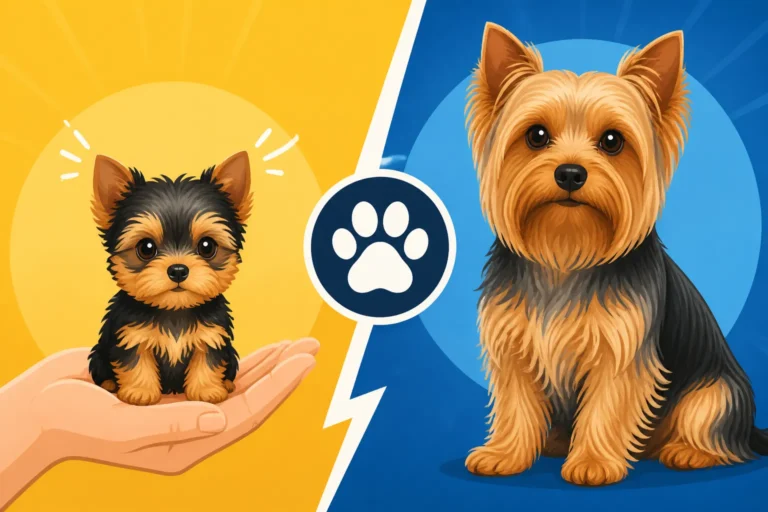
A standard Yorkshire Terrier, according to the AKC breed standard, should not exceed 7 pounds (3.2 kg). Most healthy Yorkies will typically weigh between 4 to 7 pounds (1.8 to 3.2 kg) and stand about 7-8 inches (18-20 cm) tall at the shoulder. When people talk about "mini" Yorkies, they are generally referring to those at the lower end of this spectrum, perhaps 2 to 4 pounds (0.9 to 1.8 kg), or even smaller.
These truly tiny Yorkies, often weighing less than 4 pounds, are what breeders sometimes label as "teacup." Their small size means they literally fit into spaces like a large teacup. While undeniably adorable, this extreme smallness makes them exceptionally delicate. Their bones are finer, their organs more compact, and they have less body mass to protect them from external forces or temperature fluctuations. Their small size also means their systems are much more sensitive, making them prone to issues like rapid drops in blood sugar if meals are missed.
Coat and Color Variations
The coat and color of a mini Yorkshire Terrier are identical to that of their standard-sized counterparts. They typically have a long, silky, single coat, often described as hair rather than fur, which is hypoallergenic (though no dog is 100% hypoallergenic, Yorkies are much better for allergy sufferers!). Puppies are born black and tan, and their coats gradually mature into the distinctive blue and tan (a steely dark blue-gray on the body and tail, with a rich golden tan on the head and legs) as they grow. This transition usually starts around 9-12 months of age and can continue until they are 2-3 years old.
The texture and length of their coat require diligent care, regardless of their size. Even a "mini" Yorkie with a shorter "puppy cut" needs regular brushing to prevent matting, especially behind the ears, in the armpits, and on the legs. The iconic long, flowing coat seen in show Yorkies is a commitment, demanding daily brushing and regular bathing to keep it pristine. The fine texture of their hair can easily tangle, and for a smaller dog, severe matting can quickly become painful and restrict movement. This makes Yorkshire Terrier Grooming Guide an essential read for any Yorkie owner.
Physical Delicacy and Vulnerabilities
This is perhaps the most critical aspect of owning a smaller Yorkshire Terrier. Their delicate bone structure and small stature make them incredibly vulnerable to injury. A seemingly minor fall from a couch, a clumsy step from a human, or rough play with a larger dog can result in serious fractures or internal trauma. Their tiny skulls can also be more susceptible to head injuries.
For instance, smaller Yorkies are particularly prone to conditions like Yorkshire Terrier Patellar Luxation: Signs and Care, where the kneecap slips out of place. This can cause discomfort, lameness, and may require surgical correction. Similarly, their compact body size means their internal organs are also smaller and more fragile, potentially predisposing them to issues like Yorkshire Terrier Liver Shunt: Signs and Care or Yorkshire Terrier Tracheal Collapse: Signs and Care, where their windpipe can weaken and collapse, causing breathing difficulties. Owners of mini Yorkies must exercise extreme caution to protect them from accidents. This often means providing ramps for furniture, supervising interactions with children and other pets closely, and being constantly aware of their presence to avoid accidental stepping or injury.
| Feature | Standard Yorkshire Terrier | "Mini" Yorkshire Terrier (Unofficial) |
|---|---|---|
| Weight Range | 4-7 lbs (1.8-3.2 kg) | 2-4 lbs (0.9-1.8 kg) |
| Height (Shoulder) | 7-8 inches (18-20 cm) | 5-7 inches (13-18 cm) |
| Official Breed? | Yes (AKC, KC) | No (Term used for smaller individuals) |
| Fragility Risk | Moderate to High | Very High |
| Hypoglycemia Risk | Moderate (especially as puppies) | High (at all ages) |
| Bone Density | Standard for small breeds | Potentially finer, more delicate bones |
| Dental Issues | High risk | Very High risk due to jaw size |
| Feeding Frequency | 2-3 times daily | 3-4 times daily or free-feeding advised |
| Vet Costs | Moderate to High | Potentially Higher due to specialized needs |
Tailored Care for Your Miniature Companion
Caring for a mini Yorkshire Terrier requires a dedicated approach that takes into account their small size and increased fragility. Every aspect of their daily routine, from feeding to exercise, needs careful consideration to ensure their health and happiness.
Nutritional Needs for Tiny Tummies
One of the most critical aspects of caring for a mini Yorkie is managing their nutrition. Their tiny bodies have a very fast metabolism and small fat reserves, making them highly susceptible to hypoglycemia, or dangerously low blood sugar. This is particularly true for puppies, but even adult mini Yorkies can experience it if they go too long without food or if they are stressed or sick. Symptoms of hypoglycemia can include lethargy, weakness, wobbling, disorientation, and even seizures. This is why understanding Yorkie Hypoglycemia: Emergency Signs is paramount for any small Yorkie owner.
To prevent hypoglycemia, mini Yorkies often benefit from more frequent, smaller meals throughout the day. Instead of two large meals, they might need three to four small meals, or even free-feeding if they don't overeat. High-quality dog food specifically formulated for small breeds, like those from Royal Canin or Hill's Science Diet, is essential. These foods are usually higher in calories and nutrients per bite, and the kibble size is appropriate for their tiny mouths. When choosing food, check ingredients carefully. Brands like Purina Pro Plan also offer small breed formulas that are well-regarded. If you’re ever unsure about what to feed your tiny friend, a quick chat with your vet or a visit to a trusted pet supply retailer like Chewy can help you find the perfect match.
Grooming the Delicate Coat
Whether your mini Yorkie sports a long, flowing coat or a practical puppy cut, regular grooming is non-negotiable. Their fine, silky hair is prone to tangles and mats, which can quickly become uncomfortable and even lead to skin infections. Daily brushing with a high-quality pin brush and a metal comb is often necessary for long-coated Yorkies. Even shorter cuts need brushing several times a week. You can find excellent grooming tools and brushes designed for small breeds on sites like Chewy.
Bathing should be done regularly, typically every 2-3 weeks, using a mild, moisturizing shampoo and conditioner formulated for dogs. Be sure to thoroughly rinse out all products to prevent skin irritation. After bathing, gently towel dry and then use a low-heat blow dryer, brushing as you dry to prevent tangles. Pay special attention to their eyes, keeping the hair trimmed around them to prevent irritation and tear staining. Regular nail trims and ear cleaning are also crucial parts of their grooming routine. Their small mouths are also prone to dental issues, so learning How to Brush a Yorkie's Teeth is a vital skill.
Health Concerns Specific to Smaller Yorkies
Because of their delicate nature, mini Yorkies can be more prone to specific health challenges than their larger canine counterparts. Beyond hypoglycemia, some of the common health issues include:
- Dental Disease: Their small mouths mean their teeth are often crowded, leading to a higher risk of plaque buildup, tartar, and gum disease. This is why Yorkie Dental Disease Prevention is critical, as untreated dental issues can lead to more severe systemic health problems.
- Patellar Luxation: As mentioned before, this knee condition is common in toy breeds. Regular vet check-ups can help monitor for this.
- Tracheal Collapse: This condition, where the windpipe weakens and collapses, leading to a distinctive goose-like cough, can be exacerbated by excitement, stress, or pulling on a collar. Using a harness instead of a collar for walks is highly recommended for all Yorkies, especially the smaller ones, to protect their delicate trachea. You can learn more about this condition in Yorkshire Terrier Collapsing Trachea: Signs and Care.
- Portosystemic Shunt (Liver Shunt): This is a congenital condition where blood bypasses the liver, preventing toxins from being filtered. Symptoms can include stunted growth, poor coordination, and seizures. Smaller Yorkies seem to have a higher predisposition to this.
- Temperature Sensitivity: Their small size means they lose body heat quickly and can easily become chilled in cold weather. Conversely, they can also overheat rapidly in hot temperatures. They need appropriate clothing in winter and careful monitoring in summer.
Regular veterinary check-ups are paramount for identifying and managing any potential health issues early on. A good relationship with your vet is key to How to Keep a Yorkshire Terrier Healthy.
Exercise and Environmental Considerations
Despite their small size, mini Yorkies have surprisingly energetic personalities. They love to play and explore, but their exercise needs are modest compared to larger breeds. Short, supervised walks (15-20 minutes, once or twice a day) are usually sufficient, coupled with indoor playtime. Interactive toys, fetch, or even training sessions can provide great mental and physical stimulation. Remember, their small legs get tired much faster!
When exercising or taking them outdoors, always be mindful of their surroundings. Their small size makes them prey for larger birds of prey and other animals, even in suburban areas. Always keep them on a leash or in a secure, fenced area. Avoid dog parks with large, boisterous dogs who could accidentally injure your tiny friend. Their delicate bodies also mean they can easily get lost in dense foliage or crowded environments. A secure harness and leash are essential for their safety. When walking your mini Yorkie, remember their unique vulnerabilities, and perhaps consider a cozy stroller for longer outings to protect their little legs and keep them safe from accidental bumps and jostles.
Temperament, Training, and Socialization for Mini Yorkies
The personality of a Yorkshire Terrier, regardless of their exact size, is often described as "big dog in a small body." They are spirited, confident, and fiercely loyal, but their tiny stature can influence how these traits manifest and how they need to be managed through training and socialization.
Personality Traits of Smaller Yorkies
Mini Yorkies typically embody the quintessential terrier spirit: bold, inquisitive, and full of life. They are intelligent and eager to please their human companions, but they also possess a stubborn streak that can make training an interesting challenge. They thrive on companionship and can develop strong bonds with their families, often preferring to be a constant shadow, following their beloved owners from room to room.
While they can be incredibly affectionate and loving, their small size can sometimes lead to what's often referred to as "small dog syndrome." This is where a small dog, often due to lack of proper socialization or overprotection by owners, believes they are much larger than they actually are. This can result in excessive barking, aggression towards larger dogs, or a general bossy attitude. However, this is a behavioral issue stemming from lack of training and confidence, not an inherent breed trait. A well-socialized and trained mini Yorkie is a confident, well-mannered companion, full of charm and personality.
Training Challenges and Strategies
Training a mini Yorkie, particularly in areas like housebreaking, can be notoriously challenging. Their tiny bladders mean they need to go potty frequently, and small accidents can sometimes go unnoticed, leading to a longer potty training process. Consistency, patience, and positive reinforcement are key for any Yorkie, but especially for the smaller ones. Consider starting with Yorkshire Terrier Potty Training Guide from day one. Frequent trips outside, crate training, and rewarding good behavior with high-value treats can make a huge difference. Potty pads can be a useful tool, especially in apartments or during inclement weather, but should be phased out as your pup learns to go outside.
Beyond potty training, basic obedience commands like "sit," "stay," and "come" are essential for their safety and your peace of mind. Their intelligence means they pick up commands quickly, but their independent terrier nature means they might test your boundaries. Short, fun training sessions, coupled with consistent rules, will yield the best results. Enroll in puppy classes or work with a professional trainer experienced with toy breeds if you're feeling overwhelmed. They can teach you effective strategies for How to Train a Yorkshire Terrier.
Safe Socialization Practices
Socialization is crucial for mini Yorkies to develop into well-adjusted adults, but it needs to be approached with caution due to their fragility. Exposure to a variety of sights, sounds, people, and appropriate dogs from a young age is vital. However, protecting them from accidental injury is paramount.
When introducing your mini Yorkie to other dogs, always choose calm, gentle dogs of a similar size or older, well-behaved dogs that are known to be good with small puppies. Avoid dog parks where large, boisterous dogs could inadvertently injure your tiny companion during play. Supervise all interactions closely. For exposure to people, ensure visitors are gentle and understand how delicate your Yorkie is. Children, especially young ones, need to be taught how to interact safely with a small dog, always sitting on the floor and handling them gently. Think about a secure playpen or a comfortable carrier, available on Chewy, for when you have guests or are in a busy environment, to provide a safe space for your mini Yorkie.
Early and positive socialization will help prevent the development of fear-based aggression or excessive shyness, ensuring your mini Yorkie grows into a confident and friendly member of your family and community. Remember, a well-socialized Yorkie is a joy to behold.
Disclaimer
The information provided in this article is for general informational purposes only and is not a substitute for professional veterinary advice. Always consult with a qualified veterinarian for any health concerns or before making any decisions related to your pet's health or treatment.