Is a Shorkie Right for You: Pros and Cons
Thinking about bringing a new furry family member into your home is incredibly exciting, but it often comes with a heap of questions, especially when you're considering a delightful mixed breed like the Shorkie. Many aspiring pet parents wonder if this charming blend of a Yorkshire Terrier and a Shih Tzu will truly fit into their lives, fearing they might unknowingly adopt a dog whose needs don't align with their lifestyle. This comprehensive guide is here to walk you through the real pros and cons of Shorkie ownership, helping you make an informed and confident decision about whether this wonderful little companion is the perfect match for you.
What Exactly Is a Shorkie?
Before we dive into the nitty-gritty of daily life with a Shorkie, it's helpful to understand just what kind of dog we're talking about. A Shorkie isn't a recognized breed by organizations like the American Kennel Club (AKC), but rather a popular hybrid or "designer dog" that combines the best (and sometimes challenging) traits of its two parent breeds: the sassy and adventurous Yorkshire Terrier and the calm, regal Shih Tzu. This mix aims to create a dog that embodies the desirable characteristics of both, offering a unique personality in a compact package.
A Blend of Yorkshire Terrier and Shih Tzu
The Yorkshire Terrier, with its origins as a ratting dog in England, brings a bold, intelligent, and sometimes feisty spirit to the mix. They are known for their confidence, their beautiful silky coat, and their surprisingly big personalities packed into a small frame. On the other hand, the Shih Tzu, a breed steeped in Chinese royalty, contributes a more laid-back, affectionate, and companion-focused temperament. They are famous for their flowing double coat and their desire to be a lapdog above all else. When you combine these two, you get the Shorkie, a dog that often inherits a fascinating blend of these traits. You might find a Shorkie with the Yorkie's alertness and playful antics, tempered by the Shih Tzu's gentle disposition and love for cuddles. It’s truly a genetic lottery, but usually a delightful one!
Common Physical Characteristics
Because Shorkies are a mix, their appearance can vary quite a bit, even within the same litter. However, there are some common physical characteristics you can generally expect. They are small dogs, typically weighing between 5 and 12 pounds and standing about 6 to 14 inches tall at the shoulder. Their coats are almost always soft and silky, ranging from long and flowing like a Shih Tzu to fine and straight like a Yorkie. The coloring can be incredibly diverse, reflecting the genetic possibilities of both parents, from black and tan, blue and tan, or gold, to various shades of brindle, red, or even solid colors. Many Shorkies have that adorable "teddy bear" look, with expressive eyes and a sweet facial structure. They often inherit the "teacup" size tendencies from their Yorkie lineage, which means they're quite delicate and require careful handling.
The Allure of the Shorkie: Key Pros for Potential Owners
So, why are so many people falling in love with Shorkies? There are a number of truly appealing qualities that make them wonderful companions for the right families. These little dogs, despite their small stature, offer a huge amount of joy and love.
Affectionate and Companionable Nature
One of the biggest draws of a Shorkie is their incredible capacity for affection and their inherent desire to be a companion. They thrive on human interaction and love nothing more than being by your side, whether you're relaxing on the couch, working at your desk, or even just moving from room to room. This strong bond often translates into a loyal and devoted pet who will greet you with boundless enthusiasm every time you walk through the door. For individuals or families looking for a dog that truly wants to be a part of their daily lives and offers constant emotional support, the Shorkie fits the bill beautifully. They are truly little shadow dogs, often found snuggled into your lap or curled up at your feet. This makes them excellent emotional support animals and fantastic partners for seniors or those who spend a lot of time at home.
Reduced Shedding Potential
For many dog lovers, especially those with allergies or a desire for a cleaner home, the promise of reduced shedding is a major pro. Both Yorkshire Terriers and Shih Tzus are known for having hair rather than fur, which typically means less shedding and can be better for people with mild pet allergies. While no dog is truly 100% hypoallergenic, Shorkies are often a great option for those who react to heavy-shedding breeds. However, it’s important to remember that "reduced shedding" doesn't mean "no shedding" at all. They still require regular grooming to keep their long, silky coats free of tangles and mats. You'll likely find fewer stray hairs around the house compared to a Golden Retriever, but you'll still need to invest in good brushes and perhaps a slicker brush, easily found on sites like Chewy, to keep their coat healthy and tidy.
Adaptability to Various Lifestyles
Shorkies are wonderfully adaptable creatures, making them suitable for a wide range of living situations. Their small size means they do exceptionally well in apartments or smaller homes where a large breed might feel cramped. They don't require vast amounts of outdoor space or marathon running sessions, making them ideal companions for urban dwellers or those with limited mobility. A couple of short walks a day, combined with some indoor playtime, is usually sufficient to meet their exercise needs. This adaptability also extends to their family dynamics; while they thrive on attention, they can integrate well into single-person households, couples, or families with older, respectful children. Their primary need is simply to be included and loved. However, it's worth noting that while they are adaptable, they do best when their human companions are around a lot, as they can be prone to developing Yorkshire Terrier Separation Anxiety Solutions.
Realistic Considerations: Understanding the Cons of Shorkie Ownership
While the Shorkie offers many delightful qualities, it's crucial to approach ownership with a realistic understanding of the potential challenges. No dog breed is perfect, and mixed breeds inherit a full spectrum of traits from their parentage, including some that might require more patience and effort.
Potential for Stubbornness and Training Challenges
Both Yorkshire Terriers and Shih Tzus have a reputation for being a bit stubborn, and the Shorkie often inherits this trait. This can translate into training challenges, particularly when it comes to Yorkshire Terrier Potty Training Guide. They might decide that following commands is optional, especially if there isn't a high-value treat involved. This isn't to say they can't be trained; quite the opposite! Shorkies are intelligent and eager to please when they feel like it. The key is consistency, patience, and positive reinforcement. Yelling or harsh punishments will only make them shut down or become more resistant. Early socialization and puppy classes are highly recommended to help them learn good manners and overcome any "small dog syndrome" tendencies, where they might try to rule the roost. Investing in a variety of training treats from Chewy can be a game-changer when working with a stubborn Shorkie.
Grooming Demands and Coat Care
Despite their reduced shedding, Shorkies require significant grooming to maintain their beautiful coats. This is a common trait inherited from both parent breeds. Their long, silky hair is prone to tangling and matting if not brushed daily. Mats can be painful, pulling on their skin, and can quickly lead to skin infections if not addressed.
Beyond daily brushing, they typically need professional grooming every 4-8 weeks, which includes bathing, trimming, and sanitary clips. Many owners opt for a "puppy cut" or a shorter style to make maintenance easier at home. You'll also need to keep an eye on their eyes, as tear stains are common, especially from the Shih Tzu side. Regular cleaning around the eyes is essential. Nail trims and ear cleaning are also crucial components of their routine care. If you're not prepared for this level of grooming commitment, both in terms of time and potential cost, a Shorkie might not be the best fit. Neglecting their coat can lead to serious health issues and discomfort for your dog. For more detailed insights into maintaining their beautiful locks, explore our Yorkshire Terrier Grooming Guide.
Common Health Concerns of Mixed Breeds
While mixed breeds are often touted as being healthier than purebreds due to a wider gene pool, Shorkies are still susceptible to many of the health issues common to their parent breeds. It's not a guarantee of perfect health, and being aware of potential problems is vital for any responsible owner.
From the Yorkshire Terrier side, they can be predisposed to conditions like patellar luxation (slipping kneecaps), tracheal collapse, and hypoglycemia, especially as puppies. Yorkshire Terrier Patellar Luxation: Signs and Care and Yorkshire Terrier Collapsing Trachea: Signs and Care are common concerns. Shih Tzus, on the other hand, often face respiratory issues due to their brachycephalic (flat-faced) skull structure, as well as various eye conditions and dental problems. Shorkies can inherit any of these.
Regular veterinary check-ups are absolutely essential. It's important to find a vet experienced with small breeds, as their unique needs (like extra care during anesthesia for respiratory issues) are different from larger dogs. Early detection and proactive care are key to managing these potential issues, which is why understanding Common Yorkshire Terrier Genetic Conditions is so important. When considering a Shorkie, factor in potential vet costs into your budget.
Barking Tendencies and "Small Dog Syndrome"
Shorkies can be quite vocal, often inheriting the Yorkie's tendency to bark at everything and anything they deem suspicious (or just interesting). This can include doorbells, strangers, other dogs, squirrels, or even just a leaf blowing across the yard. While their barks are small, they can be persistent and, for some, quite annoying.
Furthermore, if not properly socialized and trained, Shorkies can develop "small dog syndrome." This is where a small dog, often over-coddled or not properly trained, believes it's the pack leader and exhibits aggressive or bossy behavior towards larger dogs or even humans. They might nip, growl, or become overly protective. While it's cute to carry your tiny pup everywhere, consistent training and setting clear boundaries are crucial to ensure your Shorkie grows into a well-adjusted, confident, and polite member of your household. Early and positive exposure to various people, places, and other dogs is critical in preventing these behaviors.
Is a Shorkie the Right Fit for Your Lifestyle?
Ultimately, deciding if a Shorkie is the right dog for you boils down to a thorough and honest assessment of your lifestyle, expectations, and commitment. These charming little dogs can bring immense joy, but they also come with specific needs that prospective owners must be prepared to meet.
Assessing Your Lifestyle and Expectations
Consider your daily routine:
- Time Commitment: Do you have ample time to spend with your dog? Shorkies thrive on companionship and can become anxious or destructive if left alone for long periods. If you work long hours away from home, you might need to consider a dog walker or doggy daycare.
- Grooming: Are you willing to commit to daily brushing and regular professional grooming appointments? This is non-negotiable for a Shorkie's coat health.
- Training: Are you prepared for consistent, positive reinforcement training, potentially dealing with a stubborn streak? Early and ongoing training is vital for a well-behaved Shorkie.
- Activity Level: Can you provide a couple of short walks daily and engaging indoor playtime? While they don't need a lot of intense exercise, mental stimulation is important.
- Noise Tolerance: Are you okay with a dog that might bark frequently, especially if not trained to curb excessive barking?
- Financial Resources: Beyond the initial purchase price, have you budgeted for regular grooming, high-quality food (like those available at Chewy), potential vet visits for breed-specific health concerns, and general supplies? Pet insurance might be a wise investment for this breed given their potential health predispositions. For more on this, you might want to read our article on Yorkshire Terrier Vet Costs and Health Budget.
A Shorkie can be an incredible fit for individuals or families who desire a deeply affectionate lap companion, are prepared for consistent grooming and training, and can provide a loving, attentive environment. They are perfect for apartment living and generally thrive with owners who are home frequently.
Finding a Reputable Breeder or Rescue
If, after considering all the pros and cons, you feel a Shorkie is the perfect companion for you, the next critical step is to find your new furry friend responsibly. Since Shorkies are not purebred, you won't find them with AKC-registered breeders. However, there are still ethical ways to find a healthy, well-socialized Shorkie.
- Reputable Breeders: Look for small, dedicated breeders who specialize in Shorkies. An ethical breeder will be transparent about the health of the parent dogs (Yorkshire Terrier and Shih Tzu) and will have conducted health screenings for common genetic conditions. They should be willing to show you where the puppies are raised, provide references, and ask you lots of questions to ensure their puppies go to good homes. They will focus on temperament and health, not just making a quick sale. Beware of breeders who sell multiple breeds or can't tell you much about the parents' health history. Our guide on How to Find a Reputable Yorkie Breeder offers excellent advice that applies here too.
- Rescues and Shelters: Don't overlook the possibility of adopting a Shorkie from a rescue organization or local shelter. Many wonderful mixed-breed dogs end up in need of new homes through no fault of their own. You might find a Shorkie from a breed-specific rescue (like a Yorkie or Shih Tzu rescue) or a general small dog rescue. Adoption often means providing a second chance to a deserving dog and can be incredibly rewarding. The staff at rescues are usually excellent at matching dogs to suitable families, and the dogs often come spayed/neutered and up-to-date on vaccinations.
No matter where you find your Shorkie, always prioritize health and temperament over specific markings or perceived "cuteness." A healthy, well-adjusted dog will bring you years of happiness, far more than a puppy purchased impulsively from a questionable source.
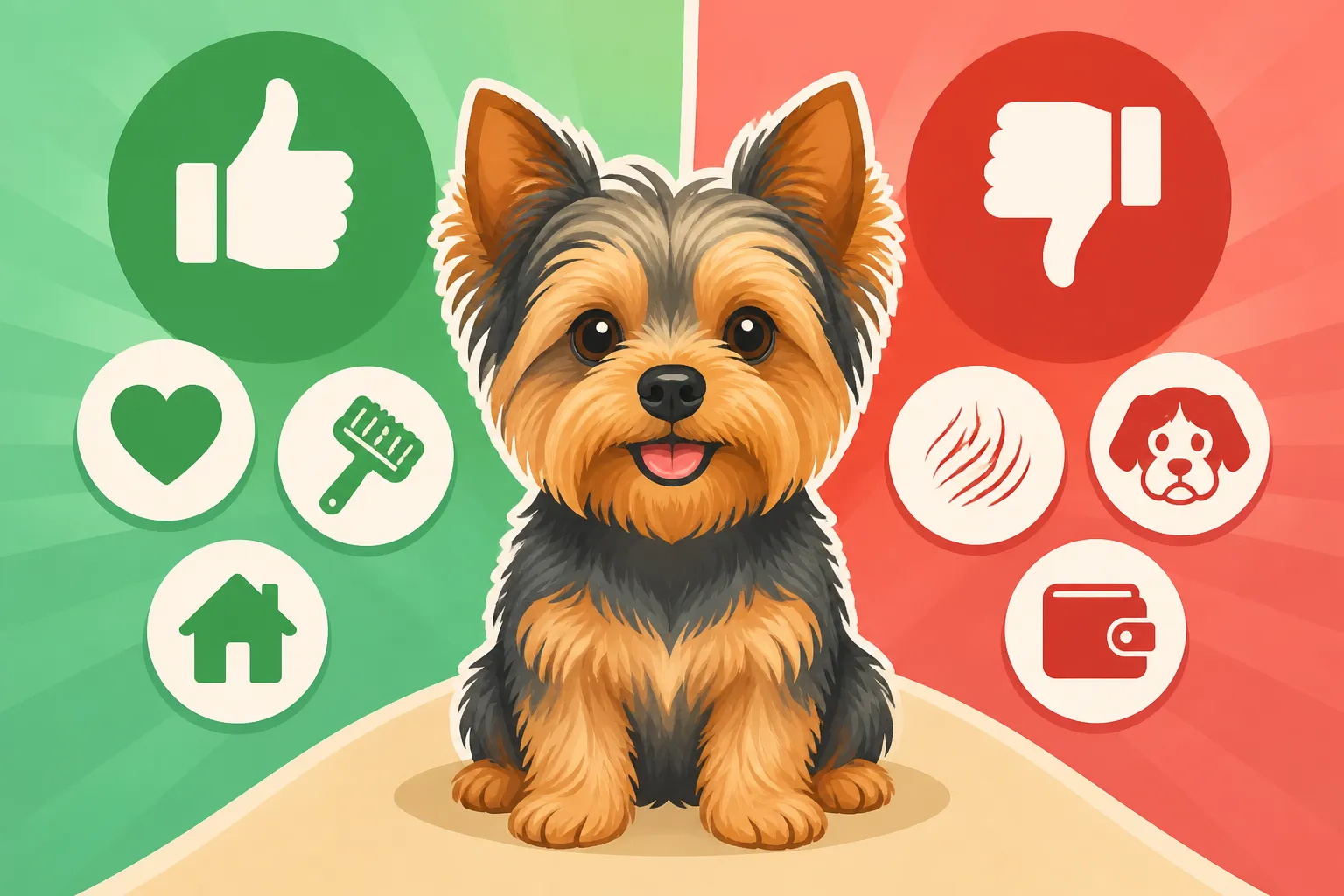
Table of Shorkie Pros and Cons
| Feature | Pros | Cons |
|---|---|---|
| Temperament | Highly affectionate, loyal, great companion | Can be stubborn, prone to "small dog syndrome" if not trained well |
| Shedding/Allergies | Low shedding (hair, not fur), potentially better for allergy sufferers | Requires extensive, consistent grooming to prevent matting |
| Size & Living Space | Small, adaptable to apartment living and smaller homes | Delicate, requires careful handling; can be prone to injury |
| Exercise Needs | Low to moderate, satisfied with short walks and indoor play | Can become anxious or destructive if left alone for long periods without stimulation |
| Training | Intelligent, eager to please with consistent positive reinforcement | Can be challenging to potty train, may require extra patience due to stubbornness |
| Grooming | Beautiful, silky coat (if maintained) | High maintenance: daily brushing, regular professional grooming (every 4-8 weeks) |
| Health | Often hardy if from reputable lines | Prone to inherited conditions from both Yorkie and Shih Tzu parents (e.g., patellar luxation, tracheal collapse, eye issues) |
| Vocalization | Can be an alert barker | Prone to excessive barking if not managed through training and socialization |
Disclaimer
The information provided in this article is for general informational purposes only and is not intended as a substitute for professional veterinary advice. Always consult with a qualified veterinarian for any health concerns or before making any decisions about your pet's care.