Is a Chorkie Right for You: Pros and Cons
Thinking about welcoming a new furry friend into your life is an exciting journey, but sometimes the sheer number of breeds and mixes out there can feel overwhelming. Many folks find themselves drawn to the charm of designer breeds like the Chorkie, a delightful mix of a Yorkshire Terrier and a Chihuahua, wondering if this spirited little companion is the right fit for their home. It's easy to get lost in the cute pictures, but making an informed decision means truly understanding the unique blend of traits this adorable crossbreed brings to the table. This guide will walk you through the real-world pros and cons of owning a Chorkie, helping you decide if this vibrant, petite pup is your perfect match.
Understanding the Chorkie: A Blend of Two Worlds
The Chorkie is a relatively new kid on the block in the world of designer dogs, emerging from the intentional crossbreeding of two beloved toy breeds: the feisty Yorkshire Terrier and the confident Chihuahua. Because they are a hybrid, Chorkies don't have a standardized breed club or official breed standard, which means there's a wider range of variation in their appearance and temperament than you'd typically find in a purebred dog. It's like a genetic lottery, but usually, you get the best of both worlds – or at least a fascinating mix!
The Genetic Mash-Up: Appearance and Size
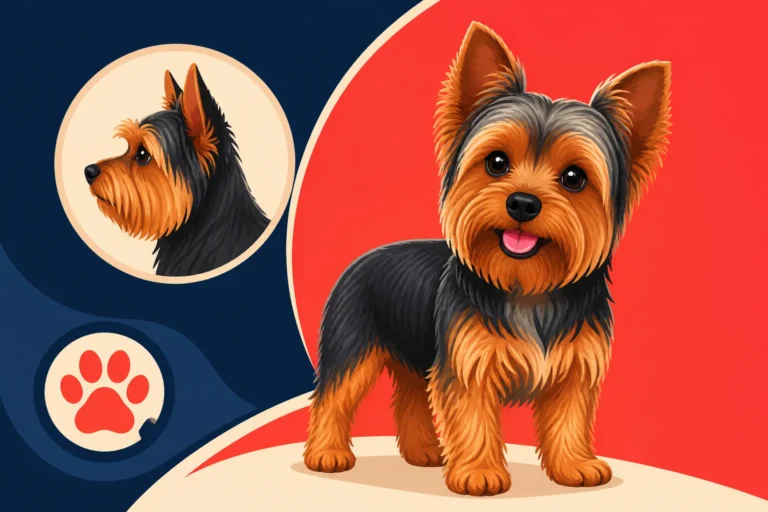
When you bring home a Chorkie, you’re getting a unique genetic cocktail. One Chorkie might lean more heavily towards its Yorkshire Terrier parent, sporting a longer, silky coat and a more compact body. Another might favor its Chihuahua lineage, exhibiting a shorter coat, larger ears, and a more apple-shaped head. Most Chorkies, however, end up somewhere in between, showcasing a delightful blend of characteristics. They typically inherit the small stature of both parents, usually weighing anywhere from 4 to 10 pounds and standing about 6 to 9 inches tall at the shoulder. Their coats can range from medium to long, often featuring the classic black and tan, or blue and gold coloring found in Yorkies, sometimes with the solid colors or patterns seen in Chihuahuas. Regardless of their exact look, they're almost always undeniably adorable and quite portable!
Unpacking Temperament: A Mix of Traits
The temperament of a Chorkie is perhaps the most intriguing aspect, as it’s a direct reflection of its parent breeds. Yorkshire Terriers are known for their feisty, confident, and sometimes bossy personalities, often unaware of their small size. They are loyal and affectionate with their families but can be wary of strangers. Chihuahuas, on the other hand, are famous for their bold, sassy, and often fiercely loyal nature. They tend to bond very strongly with one or two people and can be quite protective.
A Chorkie typically inherits this combination of confidence, loyalty, and spiritedness. They are often very affectionate and thrive on human companionship, wanting to be involved in every aspect of your day. This deep bond means they're not content to be left alone for long periods. They are intelligent and alert, often making excellent watchdogs, though their enthusiasm for alerting you to every squirrel or delivery driver can sometimes be a bit much! Understanding these foundational traits is key to knowing what you might be in for.
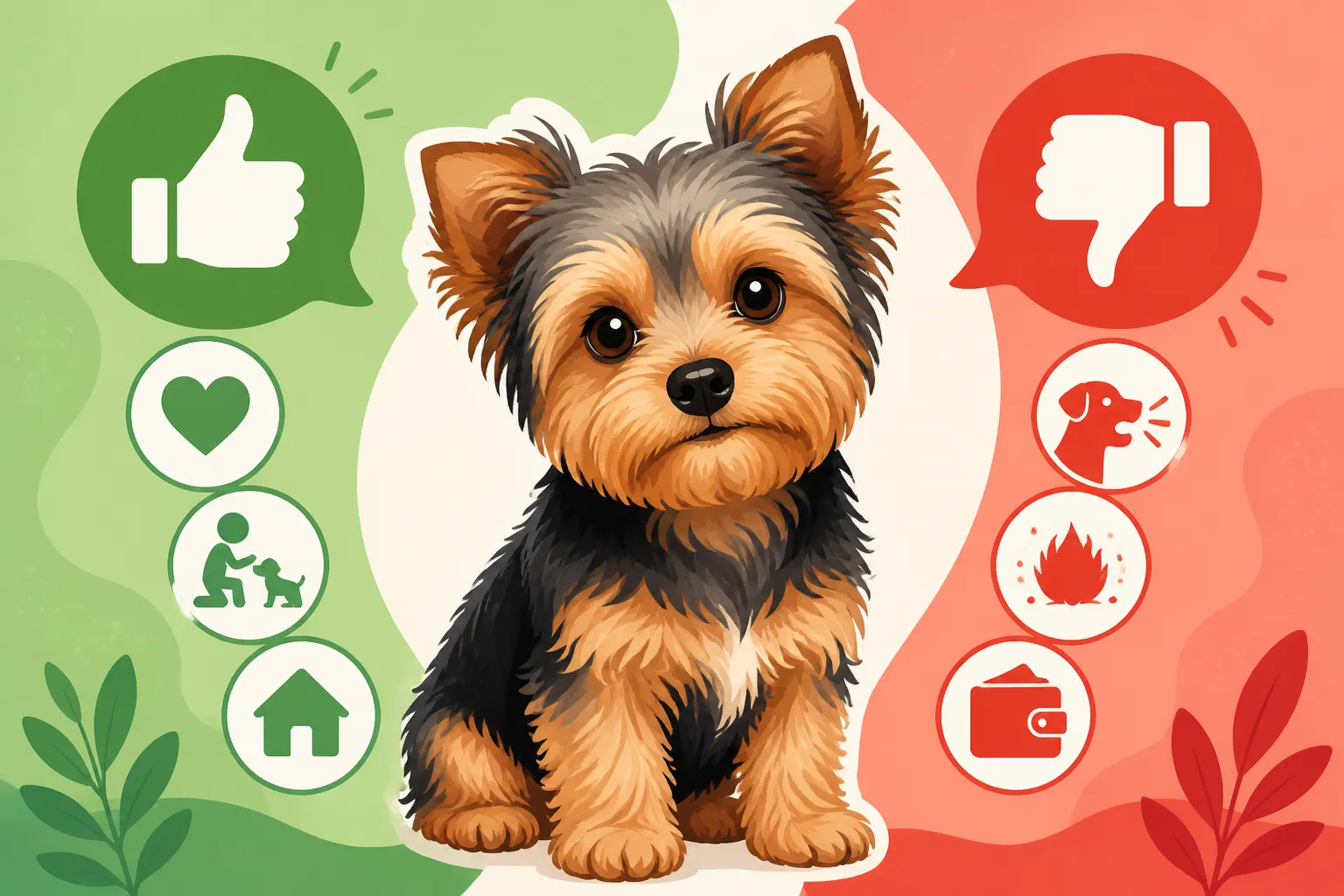
The Wonderful World of Chorkie Pros
Let's dive into the many reasons why a Chorkie could be the perfect furry addition to your household. These little dogs pack a lot of personality and love into a small package, making them incredibly appealing to a wide range of owners.
Unconditional Love and Devotion
One of the most striking advantages of owning a Chorkie is the immense love and devotion they shower upon their families. These dogs form incredibly strong bonds with their human companions, often becoming little shadows, following you from room to room. If you're looking for a dog that will enthusiastically greet you at the door, snuggle up on the couch, and demand belly rubs, a Chorkie might be your soulmate.
This profound affection isn't just a charming quirk; it means they truly thrive on interaction and being part of the family unit. They love to be held and pampered, and they'll return that affection tenfold. For individuals or couples seeking a constant, loving presence, a Chorkie fills that void beautifully. They are incredibly sensitive to their owners' moods and often provide comforting cuddles when you need them most, making them fantastic emotional support companions.
Perfect for Apartment Living
Given their diminutive size, Chorkies are exceptionally well-suited for apartment or small-space living. You don't need a sprawling backyard for these pups to get enough exercise. Daily walks around the neighborhood, some indoor playtime, and perhaps a trip to a nearby dog park (if they are well-socialized) are usually sufficient to meet their activity needs. This makes them an ideal choice for urban dwellers, seniors, or anyone without extensive outdoor space.
Their compact size also means they're easier to manage in smaller areas. They won't knock over furniture with a wagging tail or take up half your bed (unless you let them!). However, even in an apartment, it's crucial to ensure they receive adequate mental stimulation and physical activity to prevent boredom and destructive behaviors. Toys and short, engaging training sessions can go a long way.
Intelligent and Eager to Please
Chorkies are generally quite intelligent, inheriting smarts from both the quick-witted Yorkshire Terrier and the clever Chihuahua. This intelligence, coupled with their desire to please their favorite humans, means they can be surprisingly responsive to training. They pick up new commands and tricks relatively quickly, making training sessions enjoyable and rewarding.
However, their intelligence also comes with a caveat: they can be quite stubborn! This means consistency and positive reinforcement are absolutely essential. Treats, praise, and patience will be your best friends when teaching a Chorkie. Think of training not just as a way to teach commands, but as a fantastic opportunity to bond with your dog and provide valuable mental enrichment. This breed thrives on having a "job" to do, even if that job is just performing cute tricks for a treat.
Portable and Travel-Friendly
Their small size isn't just great for apartments; it also makes Chorkies incredibly portable. They can easily fit into a carrier and accompany you on errands, car trips, and even some flights. This is a huge perk for owners who love to travel or simply don't want to leave their furry companion behind. Many Chorkie owners find they can take their dogs almost anywhere, from visiting friends to enjoying pet-friendly restaurants.
Of course, "portable" doesn't mean they should be treated like an accessory. Proper planning for travel, ensuring their comfort and safety in a well-ventilated carrier like those found on Chewy, and respecting their need for breaks and exercise are still paramount. But for those who cherish having their dog by their side through life's adventures, a Chorkie definitely fits the bill.
Navigating the Not-So-Glamorous Chorkie Cons
While Chorkies are undeniably charming, they do come with their own set of challenges that potential owners need to be aware of. No dog is perfect, and understanding the potential downsides is crucial for a happy coexistence.
Potential for Excessive Barking
Both Yorkshire Terriers and Chihuahuas are notorious for their watchdog tendencies, and a Chorkie often inherits this trait in spades. They love to alert you to anything and everything they perceive as unusual – a leaf blowing across the yard, a distant siren, the mailman, or even just a squirrel eyeing your bird feeder. While this can be a good deterrent for unwanted visitors, it can quickly become an issue, especially if you live in an apartment with close neighbors.
Managing barking requires consistent training from a young age. Teaching a "quiet" command, desensitizing them to common triggers, and providing plenty of mental and physical stimulation can help. Remember, a bored Chorkie is often a noisy Chorkie. It's not about punishing them for their natural instincts, but rather redirecting their energy and teaching them appropriate ways to communicate. You can learn a lot about managing vocalizations from guides like How to Stop a Yorkie from Barking.
House-Training Can Be a Challenge
Let's be real, toy breeds, in general, often come with a reputation for being difficult to house-train, and Chorkies are no exception. Their small bladders mean they need frequent potty breaks, and their stubborn streak can sometimes make them resistant to consistently using the designated potty spot. Accidents inside the house can be a frustrating experience for any dog owner.
Patience, consistency, and a strict schedule are your best allies. Crate training can be incredibly effective, as dogs naturally don't want to soil their sleeping area. Frequent trips outside, positive reinforcement for successful outdoor potty breaks, and using enzymatic cleaners for accidents are key. Puppy pads can be an option, but be mindful not to inadvertently teach them that indoor pottying is acceptable. For more detailed advice, check out a guide on Yorkshire Terrier Potty Training Guide.
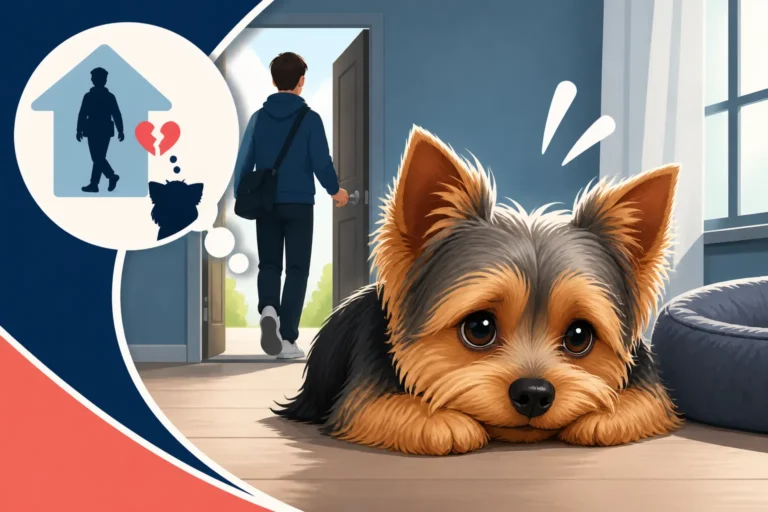
Prone to Separation Anxiety
Chorkies form extremely strong bonds with their owners, which, while a pro, can also lead to a significant con: separation anxiety. These dogs thrive on companionship and can become quite distressed when left alone for extended periods. This anxiety can manifest as excessive barking, destructive chewing, inappropriate urination or defecation, or even frantic attempts to escape.
Preventing and managing separation anxiety requires careful planning. Start by gradually acclimating them to short periods of alone time. Provide engaging puzzle toys (which you can often find on Chewy), leave on comforting background noise, and ensure they've had plenty of exercise before you leave. In some severe cases, professional training or veterinary intervention might be necessary. Exploring articles like Yorkshire Terrier Separation Anxiety Solutions can offer valuable insights.
Fragility and Small Dog Syndrome
Due to their tiny stature, Chorkies can be quite fragile. They are susceptible to injuries from accidental drops, rough play with larger dogs or children, or even jumping off furniture. This means you need to be constantly vigilant about their safety, treating them with the delicate care they require. They're not robust enough for roughhousing like a larger breed.
Furthermore, both parent breeds are sometimes associated with "small dog syndrome," where a small dog exhibits big dog behaviors like aggression, excessive barking, or demanding attention because they haven't been properly trained and socialized. Owners, often out of misguided affection, might allow behaviors in a small dog they wouldn't tolerate in a large one. It’s crucial to remember that a Chorkie is still a dog and needs proper boundaries, training, and socialization, just like any other breed, to prevent them from becoming overly bossy or fearful.
Inherited Health Concerns
As a hybrid, Chorkies can inherit health issues common to both the Yorkshire Terrier and the Chihuahua. While crossbreeding can sometimes lead to a phenomenon known as "hybrid vigor" (meaning they might be generally healthier than purebreds), it doesn't eliminate the risk of genetic conditions. Responsible breeding practices are paramount, but awareness of potential issues is always wise.
Some common health concerns for Chorkies can include:
- Patellar Luxation: A condition where the kneecap slips out of place, common in small breeds.
- Tracheal Collapse: Weakness in the windpipe, leading to a characteristic honking cough.
- Hypoglycemia: Low blood sugar, especially in puppies and very small adults.
- Dental Disease: Due to their small mouths, they are prone to overcrowding and plaque buildup.
- Portosystemic Shunt (Liver Shunt): A condition where blood bypasses the liver.
- Eye Problems: Such as cataracts or dry eye.
Understanding these potential Yorkshire Terrier Health Problems to Know and considering Pet Insurance for Yorkshire Terriers can help you prepare for any veterinary expenses down the line. Regular vet check-ups and a healthy lifestyle are vital for maximizing their How Long Do Yorkshire Terriers Live.
Is a Chorkie the Right Fit for Your Lifestyle?
Deciding whether a Chorkie is right for you boils down to carefully assessing your lifestyle, living situation, and commitment level. These dogs are wonderful companions for the right person or family, but they certainly aren't for everyone.
Ideal Home Environment
Chorkies thrive in homes where they receive plenty of attention and companionship. They are deeply devoted and do best with owners who are home for much of the day or can take them along on outings. They can adapt well to apartment living, provided they get their daily walks and mental stimulation. Because of their delicate nature, homes with very young children or large, boisterous dogs might not be the best fit unless strict supervision and management are in place.
Consider your family dynamic:
- Singles/Couples: Excellent companions, providing constant affection.
- Seniors: Their low-to-moderate exercise needs and portable size make them great for older adults seeking a loving lapdog.
- Families with Older Children: If children are old enough to understand how to handle a small, delicate dog gently, a Chorkie can integrate well.
- Other Pets: They can get along with other small, gentle dogs or even cats, especially if introduced properly during puppyhood, as covered in How to Socialize a Yorkie Puppy.
Time and Commitment Required
Despite their small size, Chorkies are not low-maintenance dogs. Their grooming needs, training requirements, and intense need for companionship demand a significant time commitment.
- Grooming: If your Chorkie inherits a longer coat, regular brushing (daily to every other day) is essential to prevent matting. They'll also need professional grooming every 6-8 weeks for baths, trims, and nail care. Even shorter-coated Chorkies benefit from regular brushing. Check out our Yorkshire Terrier Grooming Guide for more details.
- Training: Consistent training from an early age is crucial for house-training, curbing barking, and managing any bossy tendencies. They are smart, but can be stubborn, so patience is key.
- Companionship: They truly need to be with their people. If you work long hours away from home and can't take your dog with you, or don't have a plan for their care, a Chorkie might not be the best choice.
Financial Considerations
Bringing any dog into your life comes with financial responsibilities, and a Chorkie is no exception. While the initial How Much Does a Yorkshire Terrier Cost can vary, the ongoing expenses are where the real budget planning comes in.
- Food: As small dogs, they don't eat a huge amount, but choosing high-quality small-breed specific food is important for their health. Brands like Royal Canin and Hill's Science Diet offer excellent small-breed formulas often available at stores like Chewy. You can learn more in our guide on Best Dog Food for Yorkshire Terriers.
- Vet Care: Initial vaccinations, spaying/neutering, and regular check-ups are standard. As discussed, they can be prone to certain health issues, so budgeting for potential treatments or considering pet insurance is wise. Our Yorkshire Terrier Vet Costs and Health Budget provides a comprehensive overview.
- Grooming: Professional grooming adds up over time. If you learn to do some grooming at home, it can help reduce costs.
- Supplies: Beds, toys, leashes, harnesses (which are often preferred over collars for small breeds prone to tracheal issues), and other accessories are ongoing costs.
A Quick Comparison
To help you visualize, here's a small table comparing some key traits of the Chorkie to its parent breeds:
| Trait | Yorkshire Terrier | Chihuahua | Chorkie (Mix) |
|---|---|---|---|
| Size (Weight) | 4-7 lbs | 2-6 lbs | 4-10 lbs (variable) |
| Coat Type | Long, silky, fine hair | Short or Long (smooth or long coat variants) | Variable, usually medium to long, silky or soft |
| Grooming Needs | High (daily brushing, regular professional trim) | Low to Moderate (less for smooth, more for long) | Moderate to High (depends on coat inheritance) |
| Temperament | Confident, feisty, intelligent, loyal, sometimes stubborn | Bold, sassy, fiercely loyal, protective, can be "one-person" dog | Enthusiastic, loyal, affectionate, alert, can be stubborn |
| Barking Tendency | High | High | High (strong watchdog instinct) |
| Exercise Needs | Low to Moderate | Low to Moderate | Low to Moderate |
| Apartment Friendly | Excellent | Excellent | Excellent |
| Common Health Issues | Patellar luxation, tracheal collapse, dental disease, liver shunt | Patellar luxation, hypoglycemia, dental disease, heart conditions | Combination of issues from both parents |
Ultimately, welcoming a Chorkie into your life means embracing a dog with a big personality in a tiny package. They offer immense love and companionship but require dedicated owners who are prepared for their specific needs, from consistent training to attentive care for their delicate health and grooming. If you're ready for a loyal, spirited, and affectionate shadow, a Chorkie might just be the perfect little dog for you.
Disclaimer
Please note that this article is intended for informational purposes only and does not constitute professional veterinary advice. Always consult with a qualified veterinarian or professional dog trainer for any health concerns or behavioral issues specific to your pet. The information provided here is based on general knowledge of the Yorkshire Terrier and Chihuahua breeds and their common mixes. Individual dogs may vary.