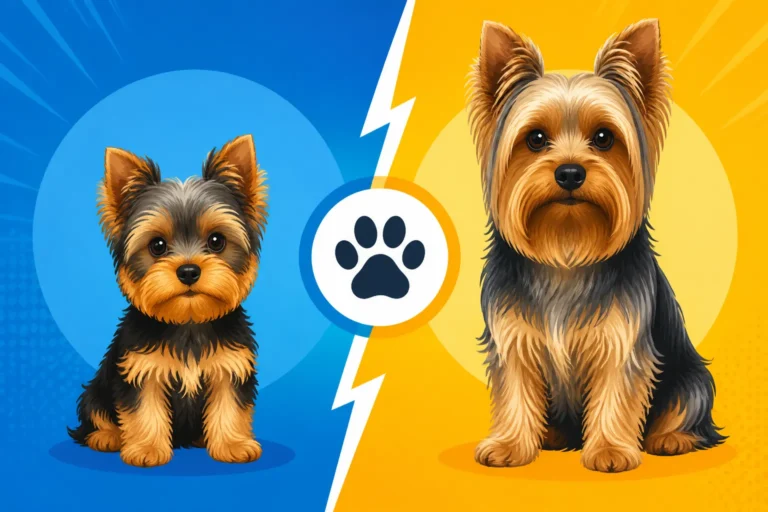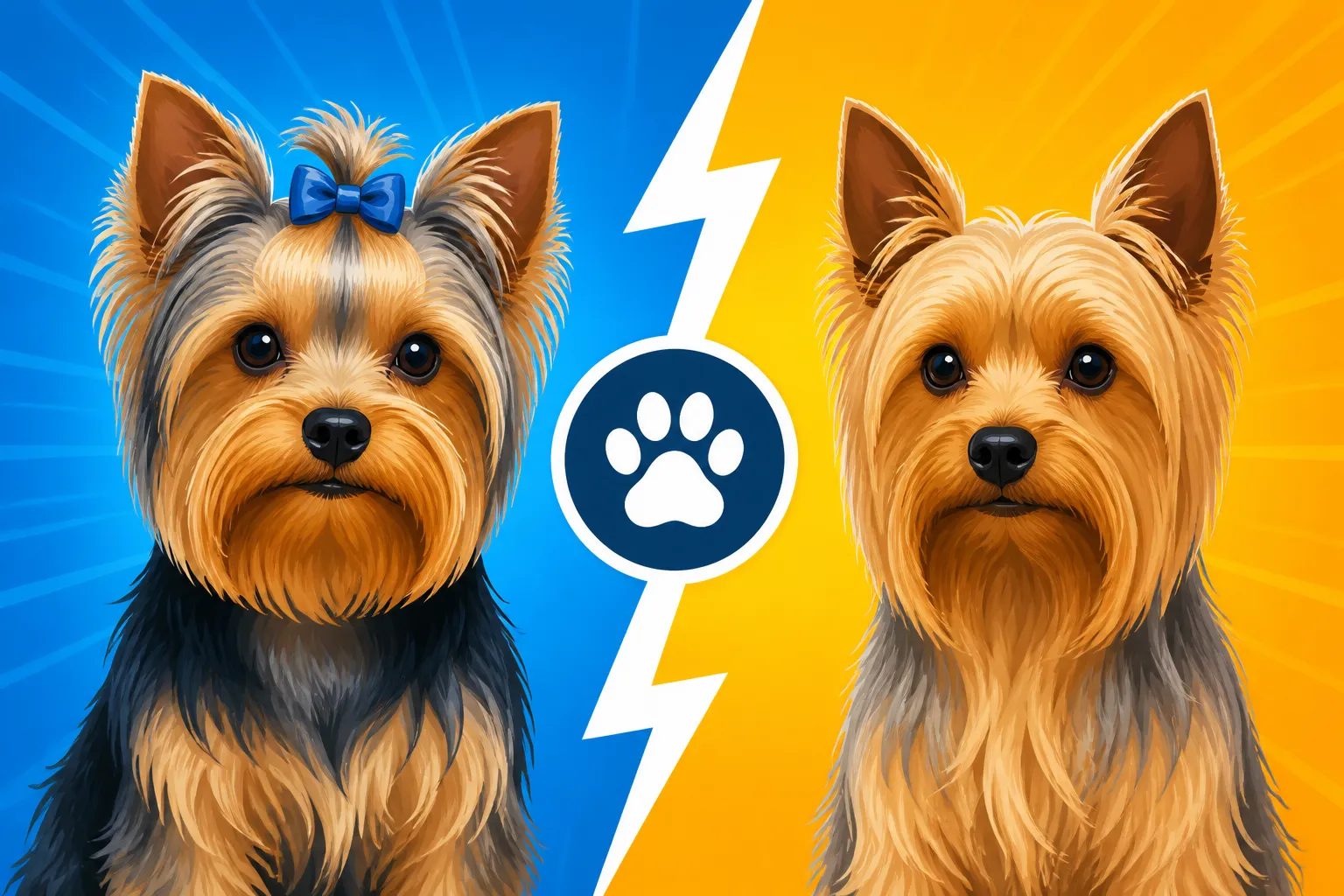
Yorkshire Terrier vs Silky Terrier: Which Is Better
Choosing between a Yorkshire Terrier and a Silky Terrier can feel like a delightful but tricky puzzle for prospective pet parents. Both breeds are undeniably charming, small in stature, and possess those captivating terrier personalities that can steal your heart. But beneath their adorable exteriors, they have distinct traits in temperament, grooming, and overall needs that can make one a much better fit for your lifestyle than the other. This comprehensive guide will meticulously compare these two fantastic breeds, helping you understand their nuances so you can confidently welcome the perfect furry companion into your home.
Unpacking Their Temperaments and Personalities
When you're considering a new dog, understanding their inherent personality is paramount. Both Yorkies and Silkies are terriers through and through, meaning they share a certain zest for life and a bold spirit. However, the way these traits manifest can be quite different, impacting daily life significantly.
The Yorkie's Bold Charm
Yorkshire Terriers are renowned for their big dog personality packed into a tiny body. They are often described as spunky, confident, and incredibly intelligent. My own little Willow, a Yorkie, once managed to "herd" a much larger Golden Retriever purely through her assertive barks and unwavering stare – it was quite a sight! This assertiveness means they aren't afraid to stand up for themselves and can sometimes forget just how small they are, which can be both endearing and, at times, a bit nerve-wracking if not managed properly.
They tend to form very strong bonds with their human families and thrive on companionship, often wanting to be right by your side, whether you're working, watching TV, or even just moving from room to room. This intense devotion can sometimes lead to what some call "small dog syndrome" or separation anxiety if not properly socialized and trained early on. They are generally playful and affectionate, but their protective instincts can make them wary of strangers, often expressing their concerns with a sharp bark. If you're looking for an in-depth dive into what makes these little dogs tick, our guide on the topic, entitled Yorkshire Terrier Temperament and Personality, offers even more insights.
The Silky's Adventurous Spirit
Silky Terriers, while also fiercely loyal, often carry a slightly more independent and adventurous streak than their Yorkie cousins. They were originally bred to hunt small rodents and snakes, particularly in Australia, giving them a strong prey drive and a boundless energy that loves exploring. While they adore their families, they might not be quite as "velcro" as some Yorkies, often content to investigate their surroundings or chase after a toy with gusto.
Silkies are intelligent and generally eager to please, making them quite trainable, but their terrier tenacity means they can also have a stubborn side if they're not properly motivated. They tend to be a bit more outgoing and less reserved with strangers than Yorkies, though they will certainly alert you to anyone approaching their territory. Their adventurous spirit means they typically enjoy outdoor activities and are often keen participants in dog sports like agility. They’re excellent companions for active individuals or families who enjoy including their dog in their daily adventures.
Decoding Their Distinctive Coats and Grooming Needs
Both the Yorkshire Terrier and the Silky Terrier are famous for their beautiful, flowing coats, which are often cited as a major reason people are drawn to these breeds. However, while both require significant grooming, there are subtle differences in their coat types and maintenance routines that future owners should be aware of.
Yorkshire Terrier's Silky Sheen
The Yorkshire Terrier’s coat is often described as being like human hair – fine, silky, and growing continuously. It’s a single coat, meaning they lack an undercoat, which is why they are often considered a good choice for people with allergies, though no dog is truly 100% hypoallergenic. This long, luxurious hair is a hallmark of the breed, typically steel blue on the body and tail, and a rich tan on the head and chest. It requires consistent daily brushing to prevent mats and tangles, especially in areas like behind the ears, under the legs, and around the sanitary regions.
Many Yorkie owners opt for a shorter "puppy cut" to make grooming more manageable, which you can learn more about in our comprehensive Yorkshire Terrier Grooming Guide. Without regular attention, the fine hair can quickly become a tangled mess, leading to discomfort and potentially skin issues. Professional grooming every 4-6 weeks is often recommended, alongside regular bathing with a good quality shampoo and conditioner to keep their coat healthy and shiny. You'll find a wide array of specialized shampoos and conditioners for fine-haired breeds available on platforms like Chewy, making it easy to keep their coat in top condition.
Silky Terrier's Finer Texture
The Silky Terrier also boasts a single, silky coat that grows long, but it tends to be slightly coarser in texture than a Yorkie’s. It's often described as being more akin to a fine, glossy thread rather than silk. Their coat is typically blue and tan, much like the Yorkie, but the blue is usually a richer, darker shade. Like Yorkies, Silkies are also considered low-shedding and can be a good option for allergy sufferers, but still require diligent grooming.
Silky Terriers need regular brushing, ideally daily, to prevent tangles and mats. Their hair around their feet and ears often needs extra attention. While their coat might be slightly less prone to breakage than a Yorkie's ultra-fine hair, it still demands commitment. Many Silky owners also choose to keep their dogs in a shorter, practical clip, especially if they are very active outdoors, to minimize dirt and debris collection. Regular nail trims, ear cleaning, and dental care are crucial for both breeds, with products easily found on sites like Chewy to assist in these routine tasks.
Health Considerations and Lifespan Differences
Understanding the potential health issues for any breed is a critical part of being a responsible pet owner. Both Yorkshire Terriers and Silky Terriers are generally robust dogs for their size, but like all purebreds, they are predisposed to certain genetic conditions.
Common Yorkie Health Concerns
Yorkshire Terriers typically live between 11 and 15 years, with some living even longer with excellent care. However, they are prone to several health issues that owners should be aware of. One of the most common is Yorkshire Terrier Patellar Luxation: Signs and Care, where the kneecap slips out of place, causing lameness. Another prevalent concern is Yorkshire Terrier Collapsing Trachea: Signs and Care, a weakening of the windpipe that can lead to a characteristic goose-like cough. Dental disease is also exceptionally common in Yorkies due to their small mouths, making Yorkshire Terrier Dental Care Guide a vital read for any owner.
Other conditions include portosystemic shunt (liver shunt), hypoglycemia (especially in puppies), Legg-Calve-Perthes disease, and various eye conditions like cataracts and progressive retinal atrophy. Responsible breeders will screen for many of these genetic predispositions. Regular veterinary check-ups are essential, and maintaining a healthy weight and providing appropriate nutrition can go a long way in managing their health. For more detailed information on common ailments, our comprehensive guide, "Yorkshire Terrier Health Problems to Know," is an invaluable resource.
Typical Silky Terrier Health Aspects
Silky Terriers share many of the same small breed health concerns as Yorkies, including patellar luxation, Legg-Calve-Perthes disease, and dental problems. Their average lifespan is quite similar, generally ranging from 12 to 15 years. They can also be susceptible to certain eye conditions and sometimes von Willebrand's disease, a bleeding disorder. Another condition occasionally seen in Silkies is intervertebral disc disease (IVDD), particularly if they are prone to jumping from heights.
Because both breeds can develop these conditions, it's crucial to choose a reputable breeder who provides health clearances for their breeding dogs. Early detection and proactive care are key to ensuring a long and healthy life for your Silky. Providing a balanced diet, regular exercise, and consistent preventive veterinary care will contribute significantly to their well-being. Keeping an eye on their weight is also important, as obesity can exacerbate joint issues.
Training and Exercise Requirements
Both Yorkshire Terriers and Silky Terriers are intelligent breeds that benefit immensely from consistent training and appropriate exercise. Their terrier natures mean they can be a bit stubborn, but with the right approach, they are eager learners.
Training Both Smart Breeds
Yorkies, despite their small size, are smart and can learn quickly. However, their stubborn streak and tendency to be easily distracted mean that positive reinforcement and patience are key. Early socialization is crucial to ensure they grow into well-adjusted adults, comfortable with new people and environments, rather than becoming overly yappy or territorial. Potty training can sometimes be a challenge with Yorkies, and our dedicated guide, Yorkshire Terrier Potty Training Guide, offers fantastic tips and strategies to help. Starting obedience training early, even simple commands like "sit" and "stay," will establish boundaries and strengthen your bond. Remember, they respond best to praise and tasty treats.
Silkies are also highly intelligent and generally respond well to training, often excelling in canine sports due to their agility and enthusiasm. Like Yorkies, they require positive reinforcement methods and consistent training. Their independent nature means you’ll need to make training engaging and fun to hold their attention. Early socialization is equally important for Silkies to harness their natural friendliness and ensure they interact appropriately with other dogs and people. Due to their higher energy and prey drive, reliable recall and leash training are particularly important for Silkies to keep them safe, especially in unfenced areas.
Meeting Their Energy Levels
Don't let the small size of these breeds fool you; both have respectable energy levels! Yorkies, while small, still need regular opportunities to burn off energy. A couple of short walks a day, combined with indoor playtime, usually suffices. They love interactive toys, puzzle feeders, and games of fetch in the living room. However, their small size means they tire more easily than larger dogs, and care should be taken not to over-exercise them, especially as puppies or seniors. Our article Yorkshire Terrier Exercise Needs provides excellent recommendations for keeping your Yorkie active and healthy.
Silky Terriers, on the other hand, typically have a slightly higher energy demand than Yorkies. They thrive on longer, more vigorous walks and enjoy opportunities to run and explore in a securely fenced yard. Their intelligent and curious nature means they also need mental stimulation, which can come from training sessions, puzzle toys, or even dog sports. A bored Silky might invent their own entertainment, which could involve destructive chewing or excessive barking. If you're a hiker or enjoy frequent outdoor adventures, a Silky might be more inclined to join you for extended periods than a Yorkie.
Key Differences at a Glance
To help you visualize the comparison, here's a quick overview of how these two delightful breeds stack up against each other in key areas:
| Feature | Yorkshire Terrier | Silky Terrier |
|---|---|---|
| Origin | England (Yorkshire) | Australia |
| Average Weight | 4-7 pounds (1.8-3.2 kg) | 8-10 pounds (3.6-4.5 kg) |
| Average Height | 7-8 inches (18-20 cm) | 9-10 inches (23-25 cm) |
| Coat Type | Fine, silky, single coat, "human hair" like | Silky, slightly coarser single coat |
| Coat Color | Steel blue and tan | Blue and tan (often richer blue) |
| Grooming Needs | Daily brushing, professional grooming every 4-6 weeks to prevent mats; very high maintenance | Daily brushing, professional grooming every 4-6 weeks; high maintenance |
| Temperament | Bold, confident, spunky, very devoted, can be wary of strangers, "big dog in small body" | Adventurous, alert, intelligent, eager to please, good-natured, can be more independent |
| Energy Level | Moderate; regular short walks and indoor play | Moderate to high; longer walks, more outdoor activity desired |
| Training | Intelligent but can be stubborn; requires patience and positive reinforcement; sometimes challenging to potty train | Intelligent and trainable, but can have a terrier stubbornness; responds well to engagement |
| Lifespan | 11-15 years | 12-15 years |
| Allergies | Considered low-shedding/hypoallergenic | Considered low-shedding/hypoallergenic |
Making the Right Choice for Your Home
Ultimately, deciding whether a Yorkshire Terrier or a Silky Terrier is "better" for you isn't about one breed being superior to the other; it's about finding the best match for your specific lifestyle, preferences, and household dynamics. Both are loving, intelligent, and entertaining companions, but their subtle differences can significantly impact your daily life together.
Best Fit for Families and Lifestyles
A Yorkshire Terrier might be a fantastic fit if you're looking for an incredibly devoted, affectionate companion who thrives on being close to their people. They can be excellent for individuals or families who are home a lot and can provide consistent companionship. Their smaller size makes them ideal for apartment living, as long as their barking tendencies are managed through proper training and socialization. If you appreciate a dog with a bold, sassy personality that keeps you entertained and don't mind the extensive grooming commitment, a Yorkie could be your perfect match. However, due to their delicate size, they are often recommended for families with older, respectful children rather than toddlers who might accidentally injure them.
The Silky Terrier, with its slightly larger stature and more adventurous spirit, might be better suited for an active individual or family who enjoys outdoor activities and can provide more vigorous exercise. If you’re looking for a dog to join you on hikes, participate in dog sports, or simply have a larger appetite for exploration, the Silky could be an excellent choice. They are also highly adaptable to apartment living, provided their exercise needs are met. Their slightly more outgoing nature might make them a good fit for homes with respectful older children or even other pets, given proper introductions. Their independent streak means they might be a touch less demanding of constant attention than some Yorkies, which could suit busy households.
Considering Long-Term Commitment
Bringing any dog into your home is a significant long-term commitment, often spanning more than a decade. With both Yorkies and Silkies, you're looking at a substantial investment in terms of time, energy, and financial resources. Grooming costs, whether professional or for home supplies from retailers like Chewy, will be ongoing. Regular vet visits, potential emergency care, and high-quality nutrition are also critical components of responsible pet ownership for either breed.
Think about your future plans: Do you travel frequently? Are you prepared for the possibility of managing common small breed health issues? Are you committed to consistent training and socialization throughout their lives? Both breeds, given their intelligence and sensitive natures, require ongoing mental stimulation and affection to prevent behavioral issues. Whichever breed you lean towards, ensure you're ready for the full journey. Spend time researching specific breeders, visiting local dog parks, or even fostering to get a real feel for these wonderful terriers before making your final decision.
Disclaimer
The information provided in this article is for general informational purposes only and does not constitute professional veterinary advice. Always consult with a qualified veterinarian or animal healthcare professional for any concerns about your pet's health or before making any decisions related to their care.