Yorkshire Terrier vs Cairn Terrier: Which Is Better
Deciding on a new furry family member is such an exciting time, but it can also be incredibly daunting, can't it? You might find yourself caught between two captivating breeds, especially when both are known for their lively terrier spirit, like the Yorkshire Terrier and the Cairn Terrier. On the surface, they might seem similar – small, spirited, and full of personality – but dig a little deeper, and you'll discover a world of differences in their temperament, care, and overall needs. This guide is here to untangle those distinctions, helping you figure out which of these wonderful breeds will truly be the best fit for your home and heart.
Unpacking Their Heritage and Core Traits
Both the Yorkshire Terrier and the Cairn Terrier hail from the British Isles, and both were originally bred for tasks that required courage and a tenacious spirit. However, their specific jobs and environments shaped them into quite distinct characters, leading to the adorable companions we know today. Understanding their historical roles can give you a real peek into their inherent traits, many of which are still very much present.
The Dapper Yorkshire Terrier: From Ratter to Royalty
The Yorkshire Terrier, affectionately known as a Yorkie, originated in 19th-century Yorkshire, England. Their primary role was to catch rats and other vermin in textile mills and coal mines. This tough, working-class background might surprise some, considering their modern image as elegant lapdogs often adorned with bows. But make no mistake, beneath that silky coat is the heart of a true terrier – bold, intelligent, and surprisingly feisty. They were bred to be small enough to get into tight spaces but brave enough to tackle rodents. This history means they often possess a strong prey drive, an alert nature, and a confidence that belies their tiny stature. They're often seen as companions today, moving from the industrial revolution's vermin control to the laps of Victorian ladies and beyond, but that sharp, assertive personality is deeply ingrained.
The Rugged Cairn Terrier: A Wee Highlander
The Cairn Terrier, on the other hand, comes from the rugged landscapes of the Scottish Highlands, specifically the Isle of Skye. Their name, "Cairn," refers to the stone piles that marked boundaries or graves, and it's within and around these cairns that they would hunt foxes, badgers, and other small prey. These dogs were bred for their hardiness, intelligence, and relentless determination to flush out vermin from rocky crevices. This heritage explains their robust build, weather-resistant coat, and independent, inquisitive nature. They’re earth dogs through and through, meaning they love to dig, explore, and investigate. Unlike the Yorkie's more refined transition, the Cairn has largely retained its rustic, no-nonsense charm, embodying the spirit of a hardy Scottish working dog.
Delving into Temperament and Lifestyle Fit
When you're bringing a dog into your home, their personality is arguably the most crucial factor. Both Yorkies and Cairns are terriers, which means they share certain characteristics like intelligence, curiosity, and a sometimes stubborn streak. However, the nuances in their temperaments can make a world of difference in how they integrate into your daily life.
Yorkshire Terrier Personality and Social Dynamics
Yorkies are renowned for their spirited and affectionate nature. They often bond very closely with their primary human, sometimes to the point of being "velcro dogs." This can be lovely for those seeking a constant companion, but it also makes them prone to Yorkshire Terrier Separation Anxiety Solutions. They're highly intelligent and generally eager to please their owners, making them capable of learning many tricks and commands, but that terrier stubbornness can sometimes surface.
With children, Yorkies can be a bit of a mixed bag. Because of their small size, they are delicate and can be accidentally injured by rambunctious toddlers. They tend to do best with older, respectful children who understand how to interact gently with a small dog. As for other pets, particularly other dogs, Yorkies often get along well, especially if socialized early. However, their strong prey drive might make them less suitable for homes with smaller pets like hamsters or guinea pigs, as they might see them as something to chase. Their alert nature means they can be quite vocal, making them excellent little watchdogs, but this can also become excessive barking if not managed through training. For more on their general demeanor, you might want to read about Yorkshire Terrier Temperament and Personality.
Cairn Terrier Personality and Social Dynamics
Cairn Terriers are cheerful, hardy, and fearless. They possess a more independent streak than many Yorkies, often happy to explore their surroundings without constant direct interaction, though they are still very loving and enjoy being part of the family. Their intelligence is high, and they can be quite mischievous, often finding ways to entertain themselves (sometimes involving digging up your prize-winning petunias!).
Cairns generally tend to be better with children than Yorkies, primarily due to their sturdier build and more tolerant nature. They can handle a bit more rough-and-tumble play, making them a good fit for active families with kids. However, like any dog, supervision is always key. With other dogs, Cairns usually do well if socialized properly from a young age. Their terrier instincts, however, mean they might have a strong prey drive towards smaller animals, just like Yorkies, so careful introductions and management are essential. They are also known for their vocal tendencies, barking to alert you of anything they deem suspicious, which can be frequent. Their independent and curious nature means training can be a rewarding challenge; they’re smart but often have their own ideas about how things should be done.
Here’s a quick overview of their key behavioral traits:
| Trait | Yorkshire Terrier | Cairn Terrier |
|---|---|---|
| Affection Level | High, often "velcro dogs" | High, but more independent |
| Energy Level | Moderate, bursts of energy, loves playtime | Moderate to High, needs mental and physical exercise |
| Trainability | Intelligent, eager to please but can be stubborn | Intelligent, can be stubborn, likes to please on their terms |
| Prey Drive | High | High |
| Vocalization | Prone to excessive barking if not trained | Prone to barking to alert/express excitement |
| Good with Kids | Better with older, gentle children due to fragility | Generally good with respectful children, sturdier |
| Good with Other Dogs | Good if socialized early | Good if socialized early, can be feisty with strange dogs |
| Apartment Living | Excellent, as long as exercise needs are met | Good, but requires more outdoor activity and mental stimulation |
Appearance, Grooming, and Coat Care
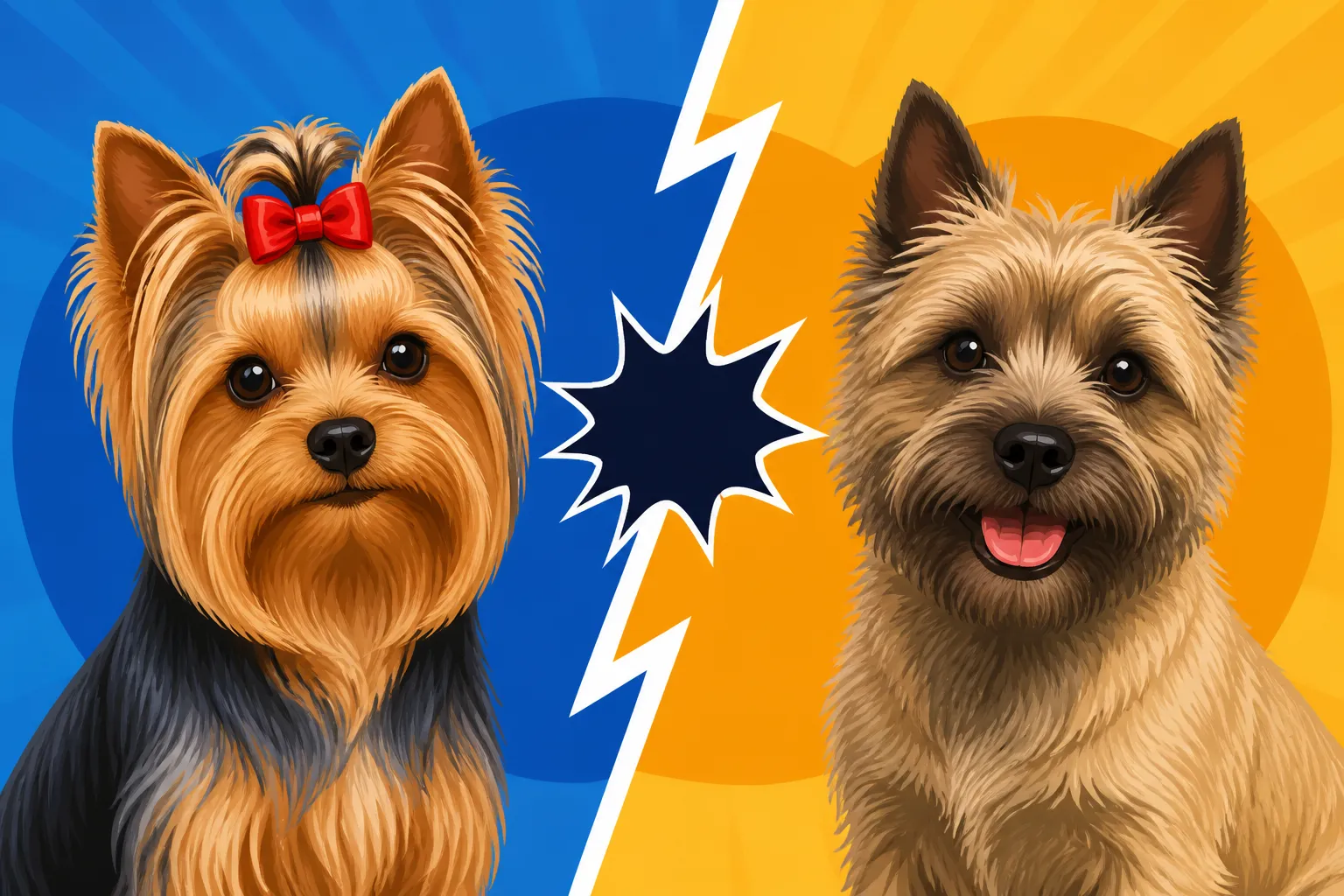
The most striking visual difference between a Yorkshire Terrier and a Cairn Terrier is undoubtedly their coat and overall physical presentation. These differences translate directly into varying grooming routines, which is a major consideration for potential owners.
The Silken Sheen of the Yorkie
Yorkies are famous for their long, silky, flowing coat, which is often described as resembling human hair. This beautiful coat comes in a classic blue and tan color pattern. It’s a single coat, meaning they don't have an undercoat, and they are often considered to be a good choice for people with allergies, though no dog is truly 100% hypoallergenic.
Maintaining that signature Yorkie look is a commitment. Their long hair requires daily brushing to prevent mats and tangles. Without regular grooming, their coat can quickly become a matted mess, leading to skin issues and discomfort. Many Yorkie owners opt for professional grooming every 4-6 weeks to keep the coat in a manageable "puppy cut" or "teddy bear cut." This drastically reduces daily maintenance but still requires some at-home brushing. Regular baths are also necessary, typically every 2-4 weeks, using a good quality shampoo and conditioner. Don't forget their dental hygiene; small breeds like Yorkies are very prone to Yorkie Dental Disease Prevention, so daily tooth brushing is vital. If you're looking for products to help with their specific coat, you can find a great selection on Chewy. For a complete guide, check out the Yorkshire Terrier Grooming Guide.
The Wiry Ruggedness of the Cairn
Cairn Terriers, in contrast, have a double coat – a soft, downy undercoat for insulation and a harsh, wiry outer coat that is weather-resistant. Their coats come in a variety of colors including cream, wheaten, red, sandy, gray, or brindled. This coat type is perfectly suited for their original job of burrowing into rocky cairns in the Scottish climate; it protects them from the elements and resists dirt.
While their coat doesn't demand the daily meticulous brushing of a Yorkie, it still requires regular attention. Weekly brushing with a slicker brush and comb will help remove loose hair and prevent matting in the softer undercoat. Cairns do not shed excessively, but their dead hair needs to be removed to maintain the coat's texture and health. This can be done through a process called "hand stripping" (pulling out dead hairs by hand) every few months, or by using clippers. Clipping, while easier, will soften the coat over time and change its texture, making it less weather-resistant. Most pet owners opt for clipping for convenience, usually every 6-8 weeks. Baths are needed less frequently than for Yorkies, only when they are genuinely dirty, as over-bathing can strip the natural oils from their wiry coat.
Health Considerations and Lifespan
Both Yorkshire Terriers and Cairn Terriers are generally healthy breeds, but like all purebreds, they are predisposed to certain genetic conditions. Being aware of these potential issues is crucial for providing the best care and preparing for possible veterinary expenses. You can learn more about general health considerations in Yorkshire Terrier Health Problems to Know.
Common Yorkie Health Concerns and Lifespan
Yorkshire Terriers typically have a lifespan of 11 to 15 years. Their small size makes them prone to a few specific health issues:
- Patellar Luxation: This is a common orthopedic condition in small breeds where the kneecap slips out of place. It can range from mild to severe, sometimes requiring surgery. You can read more about Yorkie Knee Problems Explained.
- Tracheal Collapse: The trachea (windpipe) can weaken and collapse, causing a distinctive honking cough. This is often exacerbated by excitement, exercise, or pulling on a collar. Using a harness instead of a collar can help.
- Portosystemic Shunt (Liver Shunt): A congenital condition where blood bypasses the liver, preventing proper detoxification. Symptoms can include poor growth, neurological issues, and seizures.
- Dental Disease: Small breeds are notorious for dental issues. Overcrowding of teeth and poor jaw alignment can lead to plaque and tartar buildup, gum disease, and tooth loss. Regular dental care, including professional cleanings, is paramount.
- Hypoglycemia: Especially in puppies or very small Yorkies, low blood sugar can be a concern. This requires careful feeding schedules and attention to their energy levels. If you suspect Yorkie Hypoglycemia: Emergency Signs, seek immediate veterinary attention.
- Eye Problems: Conditions like cataracts or progressive retinal atrophy can affect their vision. For more details, see Yorkie Eye Problems Explained.
Regular veterinary check-ups, a balanced diet (look for quality foods on Chewy designed for small breeds), and attentive daily care are vital for a Yorkie's long-term health. Understanding Yorkshire Terrier Vet Costs and Health Budget can help you plan.
Common Cairn Health Concerns and Lifespan
Cairn Terriers generally live 12 to 15 years and are known for being quite hardy. However, they do have a predisposition to certain conditions:
- Globoid Cell Leukodystrophy (Krabbe Disease): A rare, severe neurological disorder that affects the nervous system. While rare, it's a serious genetic concern. Responsible breeders will screen for this.
- Craniomandibular Osteopathy (CMO or Lion Jaw): A condition affecting the skull bones, usually appearing in puppies between 3 to 6 months of age, causing pain and difficulty eating. Most affected puppies recover once they reach adulthood.
- Ocular Melanosis (Pigmentary Glaucoma): A specific eye condition characterized by pigment dispersion in the eye, which can lead to glaucoma.
- Patellar Luxation: Similar to Yorkies, Cairns can also suffer from slipping kneecaps, though perhaps less frequently than some toy breeds.
- Legg-Calve-Perthes Disease: A condition affecting the hip joint, where the head of the femur degenerates. This typically presents in puppies and young dogs, causing lameness.
- Hypothyroidism: An underactive thyroid gland, which can lead to weight gain, lethargy, and skin issues.
- Allergies: Cairns can be prone to environmental or food allergies, manifesting as itchy skin, ear infections, or digestive upset.
Genetic screening by breeders for these conditions is important. Providing high-quality nutrition, appropriate exercise, and routine vet care will help ensure your Cairn lives a full and healthy life.
Training, Exercise, and Activity Levels
Both Yorkies and Cairns are intelligent, but their differing historical roles mean they approach training and exercise with slightly different needs and motivations. Neither is a couch potato, but their activity demands are suited to different lifestyles.
Yorkie Training and Exercise Requirements
Yorkshire Terriers are smart and can be quite easy to train, especially when positive reinforcement and consistency are used. However, their strong-willed terrier nature means they can be stubborn if they don't see the point or if training isn't engaging. Early Yorkshire Terrier Puppy Training Schedule is essential to harness their intelligence and prevent small dog syndrome behaviors. Potty training can sometimes be a challenge, requiring patience and a consistent routine.
When it comes to exercise, Yorkies don't need extensive outdoor adventures. Around 20-30 minutes of daily activity, split into a couple of walks or vigorous play sessions indoors, is usually sufficient. They love playing with toys, chasing balls, and learning new tricks. Mental stimulation is just as important as physical exercise for these bright dogs, so puzzle toys and training games are highly beneficial. Because of their delicate build and potential for tracheal collapse, a harness is always recommended over a collar for walks. You can find excellent harnesses and toys on Chewy that are perfectly suited for their small size. Discover more about their activity levels in Yorkshire Terrier Exercise Needs.
Cairn Terrier Training and Exercise Requirements
Cairn Terriers are also highly intelligent, but their independence can make training a more persistent endeavor. They learn quickly but may choose to obey only if they feel like it, especially if there’s a more interesting smell to investigate! Consistency, patience, and a sense of humor are key when training a Cairn. They respond very well to positive reinforcement and food rewards. Their digging instinct is strong, so channeling this into appropriate outlets (like a designated digging pit) can be very helpful.
Cairns require more exercise than Yorkies. They need at least 30-60 minutes of vigorous activity daily, ideally split into two sessions. This could be brisk walks, playtime in a securely fenced yard, or even dog sports like earthdog trials or agility, which they often excel at. Their curiosity means they love exploring new places and sniffing out interesting scents. Due to their strong prey drive, it's essential to keep them on a leash when outside a secure area, as they might bolt after a squirrel or rabbit. Mental stimulation is critical for Cairns to prevent boredom and destructive behaviors; puzzle toys, training sessions, and varied walking routes keep their sharp minds engaged.
Final Thoughts on Choosing Your Companion
Ultimately, choosing between a Yorkshire Terrier and a Cairn Terrier comes down to understanding your own lifestyle and what you're looking for in a canine companion.
If you envision a small, elegant companion who loves to be by your side, thrives on indoor play, and whose grooming is a form of pampering, a Yorkshire Terrier might be your perfect match. They offer deep affection, a sassy personality, and a beautiful appearance, provided you're committed to their specific grooming and health needs. They can be wonderful apartment dogs and thrive in homes where they receive a lot of focused attention.
If you're drawn to a more rugged, independent spirit, a dog who loves to explore, dig, and needs a bit more outdoor adventure, the Cairn Terrier could be the one for you. They are sturdy, cheerful, and resilient, offering a blend of affectionate companionship with a spirited, adventurous side. They fit well into active families who appreciate a dog with a strong will and a charmingly scruffy demeanor.
Both breeds promise to bring immense joy, laughter, and that unique terrier spark into your life. The "better" breed isn't universal; it's the one that aligns best with your home, your routine, and your heart's desires. Take your time, consider these insights, and you'll find the perfect furry friend to share your journey.
Disclaimer
Please remember that the information provided in this guide is for general informational purposes only and does not constitute professional veterinary advice. Always consult with a qualified veterinarian or animal health professional for any concerns about your pet's health or before making any decisions about their care. Individual dogs may vary in temperament and health.