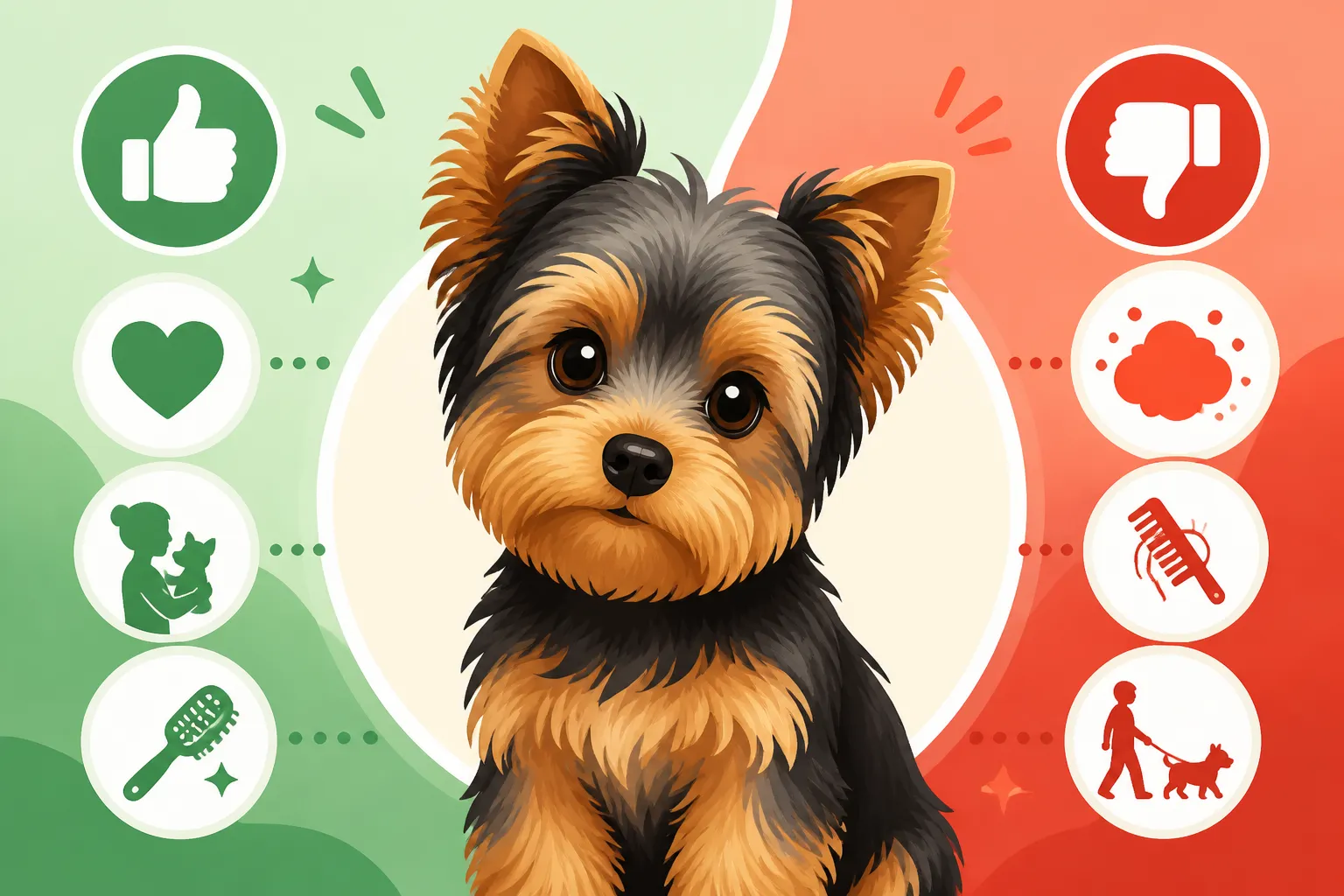
Is a Yorkiepoo Right for You: Pros and Cons
Deciding on a new furry family member is a huge step, and for many, the allure of a designer breed like the Yorkiepoo is incredibly strong. You’re likely weighing the delightful promise of a small, cuddly companion against the practicalities of their care and potential challenges. This guide is here to walk you through the realistic pros and cons of bringing a Yorkiepoo into your life, helping you determine if this charming mix truly aligns with your lifestyle and expectations.
Understanding the Yorkiepoo: A Closer Look
Before we dive into the good and the challenging, let's truly understand what a Yorkiepoo is. This delightful hybrid isn't just a cute name; it's a cross between a Yorkshire Terrier and a Poodle, typically a Toy or Miniature Poodle. The goal of this cross is often to combine the outgoing, spunky personality of the Yorkie with the intelligence and low-shedding coat of the Poodle. But, as with all mixed breeds, there's a fascinating element of genetic lottery involved, meaning your individual Yorkiepoo might lean more heavily towards one parent breed in terms of looks, temperament, and even health.
What Exactly is a Yorkiepoo? Origins and Parent Breeds
The Yorkiepoo is considered a "designer dog," a term used for intentional crossbreeds that gained popularity in the late 20th and early 21st centuries. Unlike purebreds with centuries of documented history and breed standards, designer breeds are newer and less predictable. The Yorkshire Terrier, originating from 19th-century England, was bred to catch rats in clothing mills. They’re known for their bold, confident, and sometimes tenacious personalities, despite their small stature. On the other hand, the Poodle, whether Standard, Miniature, or Toy, originated in Germany as a water retriever and is celebrated for its exceptional intelligence, athleticism, and distinctive curly, non-shedding coat. When these two distinct personalities and genetic backgrounds combine, you get the potential for a truly unique companion in the Yorkiepoo. It's a blend that can result in a wide spectrum of traits, which is both exciting and something to be prepared for.
Size, Appearance, and Hypoallergenic Traits
One of the most appealing aspects of the Yorkiepoo is their compact size, making them ideal for apartment living or homes with limited space. Generally, a Yorkiepoo will weigh between 3 to 14 pounds and stand about 7 to 15 inches tall at the shoulder, largely depending on whether a Toy or Miniature Poodle was used in the breeding. Their appearance is wonderfully varied; some might inherit the Poodle's tight curls, while others could have the Yorkie's longer, silky hair. Many fall somewhere in between, with a wavy, soft coat. Common coat colors include black, white, cream, apricot, red, chocolate, sable, and various parti-colors (patterns with white).
A significant draw for many potential owners is the belief that Yorkiepoos are hypoallergenic. While no dog is 100% hypoallergenic, Poodles are known for their non-shedding coats, which produce less dander (the primary allergen). Yorkshire Terriers also have hair, rather than fur, which means they shed minimally. Consequently, a Yorkiepoo tends to be a good choice for individuals with mild dog allergies, as they typically shed very little. However, individual reactions can vary, and it's always wise to spend time with a Yorkiepoo before committing, if allergies are a major concern. Regular grooming is essential, regardless of shedding, to keep their coat healthy and tangle-free.
Typical Temperament and Personality Mix
The temperament of a Yorkiepoo is often described as a delightful mix of their parent breeds: intelligent, playful, affectionate, and sometimes a little bit feisty. They are generally very people-oriented dogs who thrive on companionship and enjoy being involved in family activities. You might find them equally happy snuggling on the couch as they are engaging in a spirited game of fetch. Their intelligence, inherited from the Poodle side, makes them eager to learn and relatively easy to train, although the Yorkie's independent streak can sometimes add a touch of stubbornness.
They tend to be alert and can make excellent little watchdogs, often quick to alert you to strangers or unusual sounds with their barks. This can be a double-edged sword, as excessive barking can become a problem if not managed with proper training and socialization from a young age. Early exposure to various people, places, and other animals is crucial to help them develop into well-adjusted adults, especially considering the potential for a strong prey drive from the terrier side and the Poodle's occasional shyness. You can read more about typical Yorkshire Terrier Temperament and Personality to get a sense of one half of the equation.
The Upsides of Welcoming a Yorkiepoo into Your Home (Pros)
Bringing a Yorkiepoo into your life often means gaining a charming, intelligent, and deeply devoted companion. There are numerous reasons why this particular mixed breed has captured so many hearts. Their unique blend of traits from their Poodle and Yorkshire Terrier heritage can make them an incredibly rewarding addition to many different households.
Companionship and Affectionate Nature
One of the most celebrated qualities of the Yorkiepoo is their affectionate and loving nature. These dogs thrive on human interaction and genuinely love to be close to their people. If you're looking for a canine shadow who will happily cuddle on the sofa, follow you from room to room, and greet you with boundless enthusiasm every time you walk through the door, a Yorkiepoo fits the bill perfectly. They form strong bonds with their families and often express their affection with gentle licks, happy tail wags, and a desire to be physically near you. This makes them fantastic companions for individuals or families who are home often and can dedicate time to showering them with attention. Their small size also makes them wonderfully portable, so they can often accompany you on errands or trips, further strengthening that bond.
Intelligence and Trainability
Thanks to the Poodle's renowned intelligence, Yorkiepoos are generally quick learners. They pick up on commands and routines with impressive speed, which can make training a joy. Whether you're working on basic obedience like "sit" and "stay," or more complex tricks, their eagerness to please and mental acuity make them highly trainable. This intelligence, combined with the Yorkie's inherent desire to engage, means they respond well to positive reinforcement methods, like treat-based rewards and praise.
This smart and eager-to-please nature also means they can excel in canine sports like agility or obedience, despite their size. However, it's important to remember that intelligence also means they need mental stimulation to prevent boredom, which can sometimes lead to mischievous behaviors. Puzzle toys, interactive games, and consistent training sessions can keep their sharp minds engaged. For more specific guidance on how to approach training, you might find valuable insights in resources like "Are Yorkshire Terriers Easy to Train".
Adaptability to Various Lifestyles
Yorkiepoos are incredibly adaptable dogs, capable of thriving in a wide range of living situations. Their small stature makes them perfectly suited for apartment living, as they don't require a large yard or extensive outdoor space. A few short walks a day and some indoor playtime are usually sufficient to meet their exercise needs. This adaptability also extends to different family dynamics; they can be wonderful companions for singles, couples, or families with older, respectful children.
They generally enjoy car rides and adapt well to travel, making them excellent partners for those who love to take their furry friends along. As long as they receive consistent attention, training, and socialization, a Yorkiepoo can comfortably fit into a bustling urban environment or a quieter suburban home. Their moderate energy levels mean they’re not constantly bouncing off the walls, but they’re always up for an adventure when you are.
Lower Shedding Potential
For many dog lovers, especially those with allergies or a dislike for pet hair covering everything, the Yorkiepoo's low-shedding coat is a huge advantage. Both parent breeds contribute to this desirable trait. The Poodle's curly coat is known for trapping dander and loose hairs, minimizing their release into the environment, while the Yorkie has hair more akin to human hair, which also sheds minimally compared to many other breeds.
This doesn't mean they are maintenance-free, as their coats still require regular brushing to prevent mats and tangles, but you'll likely find significantly less dog hair on your furniture, clothes, and floors. This makes cleaning up after them much easier and contributes to a generally cleaner home environment. Just be prepared for regular grooming appointments or commit to learning "Yorkshire Terrier Grooming Guide" techniques at home.
Potential Challenges with Yorkiepoos (Cons)
While Yorkiepoos offer a plethora of wonderful traits, it’s also crucial to be realistic about the potential challenges that come with this mixed breed. Understanding these aspects beforehand can help you prepare and ensure a smoother, happier life together. No dog is perfect, and being aware of the downsides helps in making an informed decision.
Grooming Demands and Maintenance
Despite their low-shedding nature, Yorkiepoos are far from low-maintenance when it comes to grooming. Their coats, whether wavy or curly, are prone to matting and tangling if not brushed regularly, often daily or every other day. Without consistent brushing, mats can quickly become painful, trapping dirt and moisture against the skin and potentially leading to skin infections. Beyond daily brushing, professional grooming every 4-8 weeks is typically necessary to keep their coats trimmed, clean, and healthy. This includes baths, haircuts, nail trims, and ear cleaning.
The costs associated with professional grooming can add up over time, and if you opt to do it yourself, it requires a significant time commitment and the right tools. You'll need brushes, combs, clippers, and shampoos specifically designed for dogs. Many owners choose a "puppy cut" or a shorter style to make home maintenance more manageable. This extensive grooming routine is a non-negotiable part of owning a Yorkiepoo and needs to be factored into your time and budget. You can find quality grooming supplies on platforms like Chewy, making it easier to maintain their coat at home.
Potential Health Concerns
As a mixed breed, Yorkiepoos can inherit health issues from both parent breeds, rather than being inherently healthier than purebreds, as some mistakenly believe. They might be susceptible to conditions common in Yorkshire Terriers, such as patellar luxation (slipping kneecaps), portosystemic shunt (liver shunt), tracheal collapse, and dental disease. From the Poodle side, they could inherit issues like Addison's disease, Cushing's disease, epilepsy, Legg-Calve-Perthes disease, and eye conditions like progressive retinal atrophy.
It’s impossible to predict which specific conditions a mixed-breed puppy might inherit. This makes choosing a reputable breeder even more vital, as they should screen their breeding dogs for genetic health problems common to both Yorkies and Poodles. It's a good idea to research common "Yorkshire Terrier Health Problems to Know" and Poodle health issues to be fully informed. Regular vet check-ups are also crucial for early detection and management of any potential health concerns.
Barking and "Small Dog Syndrome" Tendencies
Yorkiepoos are often very alert and vocal, a trait inherited from the terrier side of their lineage. They can be prone to excessive barking, whether it's at the doorbell, strangers passing by, other dogs, or simply out of boredom or anxiety. While this can make them excellent little watchdogs, unchecked barking can quickly become a nuisance, both for you and your neighbors. Early training and consistent management are essential to teach them appropriate barking behaviors.
Additionally, some Yorkiepoos can exhibit what's often termed "small dog syndrome." This isn't a medical condition but a behavioral pattern where small dogs act out aggressively or assertively due to a lack of proper training, socialization, or boundaries from their owners. They might snap at larger dogs, jump on people, or become overly demanding. It’s vital to treat a Yorkiepoo like any other dog, regardless of their size, providing firm but gentle training, consistent rules, and ample socialization to prevent these behaviors from developing.
Separation Anxiety Vulnerability
Yorkiepoos form incredibly strong bonds with their human companions, which is a wonderful trait, but it also makes them particularly prone to separation anxiety. Because they thrive on interaction and crave companionship, being left alone for extended periods can cause them significant distress. Symptoms of separation anxiety can include excessive barking, destructive chewing, inappropriate urination or defecation, pacing, or attempting to escape.
If your lifestyle requires you to be away from home for many hours each day, a Yorkiepoo might not be the best fit unless you have plans for dog walkers, doggy daycare, or other arrangements to provide companionship. Training them to be comfortable alone from a young age is possible, but it requires patience and dedication. For deeper insights into managing this, you might explore articles like "Yorkshire Terrier Separation Anxiety Solutions".
Key Considerations Before Getting a Yorkiepoo
Bringing any dog into your home is a significant commitment, and a Yorkiepoo is no exception. Beyond the pros and cons, there are practical considerations that prospective owners should carefully evaluate to ensure a harmonious and fulfilling relationship for everyone involved.
Time Commitment and Lifestyle Fit
A Yorkiepoo is not a dog you can simply leave alone for long stretches and expect to thrive. Their need for companionship means they require a substantial time commitment from their owners. You'll need to dedicate time daily for walks, playtime, training sessions, and, crucially, simply being present with them. If you have a demanding job that keeps you out of the house for 8-10 hours every workday, a Yorkiepoo might not be the ideal choice unless you can arrange for a dog walker or have a family member available.
Consider your current lifestyle: are you often home? Do you enjoy activities that your dog can participate in? Are you prepared for the daily routine of feeding, exercising, and grooming? Yorkiepoos typically need two short walks a day and several play sessions. They also love interactive toys, which you can easily find on online pet stores like Chewy. Their small size makes them adaptable, but their emotional needs are significant. They're best suited for homes where they can be an integral part of daily life, rather than an accessory.
Researching Breeders or Rescues
Because Yorkiepoos are mixed breeds, it's incredibly important to be diligent when looking for a puppy or adult dog. You won't find Yorkiepoo breeders registered with the American Kennel Club (AKC), as they are not a recognized purebred. However, this doesn't mean you should settle for a backyard breeder or a puppy mill. A responsible breeder will prioritize the health and temperament of their dogs above all else. They should be transparent about the health screenings performed on both parent dogs (Yorkshire Terrier and Poodle), be willing to show you where the puppies are raised, and allow you to meet the parent dogs.
Avoid any breeder who seems unwilling to answer questions, doesn't offer a health guarantee, or pushes for a quick sale. Similarly, consider adopting from a reputable rescue organization. Many breed-specific rescues, including those for Yorkshire Terriers or Poodles, also take in mixes like Yorkiepoos. Adopting can be a wonderful way to give a deserving dog a second chance, and rescue organizations often provide thorough health checks and behavioral assessments. For guidance on identifying responsible sources, you might find information on "How to Find a Reputable Yorkie Breeder" helpful, as many principles apply to finding responsible mixed-breed breeders too.
Financial Aspects of Ownership
While their initial purchase price might seem like the biggest hurdle, owning a Yorkiepoo comes with ongoing financial responsibilities that extend far beyond the initial adoption fee. Here’s a breakdown of common costs:
| Category | Description | Estimated Monthly/Annual Cost |
|---|---|---|
| Food | High-quality small breed dog food is essential. Puppies need more frequent, smaller meals. | $20 – $50 (depending on brand and size/activity level) |
| Grooming | Professional grooming every 4-8 weeks, plus supplies for home maintenance (brushes, shampoo, nail clippers). | $50 – $100+ (if professional; home supplies are initial cost with lower recurring) |
| Vet Care | Annual check-ups, vaccinations, parasite prevention (flea, tick, heartworm). Emergency visits or treatment for unexpected illnesses can be significant. | $300 – $800 annually (routine), potentially thousands for emergencies |
| Pet Insurance | Highly recommended to help cover unexpected veterinary costs. | $30 – $70 (depending on coverage and provider) |
| Training | Puppy classes, obedience training, behavior consultations if needed. | $0 – $200+ (initial classes), ongoing if professional help is needed |
| Toys & Supplies | Beds, crates, leashes, harnesses (many prefer harnesses for Yorkies to protect their delicate tracheas), bowls, chew toys, puzzle toys. Regular replacement needed. | $15 – $50 (initial setup can be higher) |
| Miscellaneous | Dog walking services, doggy daycare, pet sitting/boarding, emergency fund. | Varies widely based on usage |
For more details on budgeting, consider looking at articles like "Yorkie Monthly Food Budget" and "Pet Insurance for Yorkshire Terriers". Always budget for the unexpected, as a sudden illness or injury can lead to significant veterinary bills. Financial preparedness is a key aspect of responsible pet ownership.
Ultimately, a Yorkiepoo can be an incredibly loving and fun addition to the right home. They bring boundless affection, intelligence, and playful energy. However, they also require a serious commitment to grooming, training, and addressing their potential health and behavioral needs. If you’re prepared for these responsibilities, and you’re ready to welcome a lively, affectionate companion who thrives on being part of your life, then a Yorkiepoo might indeed be the perfect fit for you.
Disclaimer
This article is for general informational purposes only and does not constitute professional advice. Laws, prices and regulations vary by location and change over time. Consult a qualified professional for guidance on your specific situation.