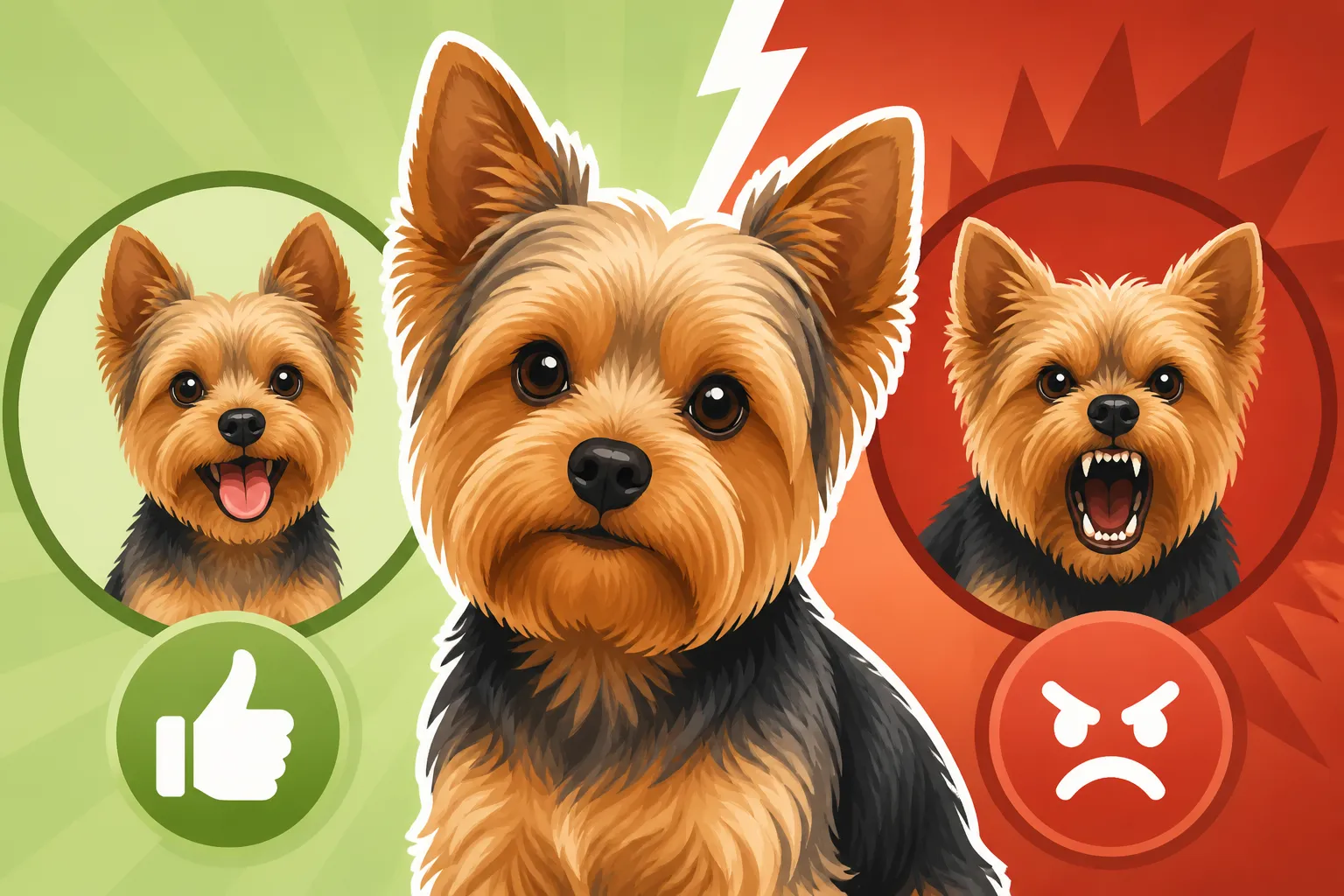
Yorkshire Terrier Are They Aggressive
It’s a common question, and frankly, a valid concern for anyone considering or already living with a Yorkshire Terrier: "Are they aggressive?" You might have heard stories, seen a tiny Yorkie snap at a bigger dog, or perhaps even experienced some nipping firsthand. This can be really frustrating and confusing when you expect a cuddly lap dog. The truth is, while Yorkies aren't inherently aggressive, their feisty terrier nature and sometimes misunderstood behaviors can certainly appear that way. This guide is going to peel back the layers and help you understand why your Yorkie might exhibit certain behaviors and, more importantly, how to manage them for a harmonious home.
Understanding the Yorkie Temperament: More Than Just a Lap Dog
Let’s be honest, those adorable little faces and silky coats make us think of nothing but sweetness and light. But beneath that charming exterior lies a true terrier, and that comes with a distinct personality that sometimes gets mistaken for outright aggression. It’s not that they wake up planning to be mean, it's just how they're wired.
The Terrier Instinct: A Big Dog in a Small Body
Yorkshire Terriers were originally bred in 19th-century England to be ratters in textile mills and mines. Think about that for a second: a tiny dog specifically designed to hunt and kill vermin. This isn't a fluffy little ornament; it's a working dog with a job to do. This heritage is still very much alive in modern Yorkies. They possess a bold, confident, and often fearless demeanor. They're quick to bark, highly observant, and surprisingly tenacious.
This "big dog in a small body" mentality means they often don't realize their size. They’ll stand up to much larger dogs, bark at perceived threats (which could be anything from a leaf blowing past the window to the mail carrier), and generally assert themselves. For owners, this can be baffling. You might find yourself constantly apologizing for your tiny terror's loud protests or sudden lunges. It’s important to understand that this isn’t always aggression; it’s often their strong prey drive, territorial instincts, and an ingrained sense of self-importance coming through. They are true to their heritage, and understanding their "Yorkshire Terrier Temperament and Personality" is key to interpreting their actions correctly.
Common Misinterpretations of "Aggression"
Many behaviors that owners label as "aggression" in Yorkies are actually rooted in something else entirely, often fear or lack of proper socialization. Imagine being a small creature in a world full of giants – it can be a bit overwhelming!
- Fear-Based Reactions: A Yorkie might snap or lunge at a new person or dog not because they want to fight, but because they are genuinely scared. They've learned that a quick, sharp display often makes the scary thing back off. This is pure self-preservation. Without proper exposure to various sights, sounds, and people during their critical puppyhood, a Yorkie can grow up to be anxious and fearful, leading to these defensive displays.
- "Small Dog Syndrome": This isn't a medical diagnosis, but a behavioral pattern often seen in smaller breeds whose owners inadvertently allow them to get away with behaviors that wouldn't be tolerated in a larger dog. Think about it: a Chihuahua nipping at an ankle might get a chuckle, but a German Shepherd doing the same would be a serious concern. This discrepancy in how we treat small dogs can lead them to believe they are the "alpha" and that snapping or growling is an acceptable way to get their way or protect their resources. They haven’t been taught appropriate boundaries.
- Resource Guarding: This is when a dog becomes defensive over possessions like food, toys, their bed, or even their human. A Yorkie might growl if you approach their food bowl or try to take a favored toy. This isn't necessarily aggression in the malicious sense, but a strong instinct to protect what they perceive as valuable. It's a common "Yorkshire Terrier Behavior Problem and Solution" topic that needs careful management.
- Protective Behaviors: Yorkies can be incredibly loyal and protective of their family. If they perceive a threat to their loved ones or their home, they might bark incessantly, growl, or even nip. This can be particularly noticeable with strangers or visitors to the home. It’s their way of saying, "Hey, this is my family, and I'm on duty!"
Understanding these nuances is crucial. It helps us approach their behavior from a place of empathy and effective problem-solving, rather than simply labeling them as "aggressive."
Factors That Contribute to Aggressive Behaviors in Yorkies
While the terrier spirit is inherent, true aggressive behaviors are almost always a result of specific environmental factors, training deficiencies, or underlying health issues. It's rarely just "they're born that way."
Lack of Socialization and Training
One of the biggest culprits behind problematic behaviors in Yorkies is a deficit in early and consistent socialization and training.
- The Crucial Window of Socialization: A puppy's most critical socialization period is between 3 and 16 weeks of age. During this time, they need positive exposure to a wide variety of people (different ages, genders, appearances), other friendly dogs (of various sizes), and different environments, sounds, and textures. If a Yorkie puppy is isolated during this period, or only interacts with its immediate family, it can become fearful and overwhelmed when encountering new stimuli later in life. A lack of socialization can lead to a dog that reacts defensively – growling, barking, or even snapping – out of fear of the unknown. Puppy classes are fantastic for this, helping them learn appropriate social cues and build confidence. Many pet supply stores, like Chewy, offer a wide array of training aids and resources that can help with this, from clickers to treat pouches.
- The Power of Consistent Training: A well-trained Yorkie is a confident Yorkie. When dogs understand what's expected of them and trust their human to guide them, they are far less likely to resort to fearful or defensive behaviors. Basic obedience commands like "sit," "stay," "come," and "leave it" provide a framework for communication and control. Without this structure, a Yorkie might feel the need to make its own decisions, which can sometimes involve "aggressive" displays to get what it wants or to avoid something it doesn't. Consistent positive reinforcement, rewarding good behavior, is key. If you're looking for guidance, our guide on "How to Train a Yorkshire Terrier" offers great insights.
Pain, Fear, and Medical Conditions
Sometimes, what looks like aggression is actually a cry for help. A dog in pain might lash out as a protective measure, especially if touched in a sensitive area.
- Undetected Pain or Illness: Imagine having a toothache or joint pain, and someone unexpectedly pokes you. Your natural reaction might be to recoil or snap. The same goes for dogs. Conditions like dental disease, arthritis (common in small breeds), intervertebral disc disease, or even ear infections can cause significant discomfort. If your otherwise sweet Yorkie suddenly starts growling when picked up, touched in a certain spot, or becomes withdrawn and snappish, a trip to the vet is absolutely essential. Our article, "Signs Your Yorkshire Terrier Is Sick," details many symptoms to watch for.
- Neurological Issues: Less common, but still a possibility, are neurological conditions or even cognitive dysfunction in older Yorkies that can alter their behavior, leading to confusion, irritability, or uncharacteristic aggression.
- Fear and Anxiety: As mentioned earlier, fear is a primary driver of defensive aggression. A Yorkie who has had negative experiences (e.g., being stepped on, startled, or roughly handled) might develop anxiety around certain situations, people, or objects. This anxiety can then manifest as snapping or growling when they feel trapped or threatened. A common fear for Yorkies is loud noises or unfamiliar hands reaching for them, especially from above.
Always rule out medical causes first if you notice a sudden change in behavior. This is why having a good vet and understanding your "Yorkshire Terrier Vet Costs and Health Budget" is so important.
Resource Guarding and Territoriality
These behaviors are instinctual, but when they become excessive, they can be a significant problem.
- Resource Guarding: This is when a dog protects items they value. It could be food, treats, toys, a favorite sleeping spot, or even their human. For a Yorkie, this might look like growling when you approach their food bowl, snapping if you try to take a toy away, or becoming agitated if another pet or person gets too close to their cherished human. This isn't about being mean; it's about a deep-seated instinct to secure valuable resources. Our article "Why Is My Yorkie Growling" delves deeper into these specific vocalizations.
- Territoriality: Yorkies often have a strong sense of territory, especially within their home. They may bark excessively at visitors, delivery people, or even people walking past the window. Some might escalate to growling, lunging, or nipping at perceived intruders (which, to a Yorkie, could be anyone unfamiliar entering their space). This is their way of alerting their "pack" (you!) to potential dangers and protecting their turf. While a certain degree of alertness is characteristic of the breed, excessive territorial behavior can be managed with training and consistent boundaries.
Understanding these contributing factors allows us to move beyond simply labeling a Yorkie as "aggressive" and instead focus on addressing the root cause of the behavior.
Strategies for Preventing and Managing Aggressive Tendencies
The good news is that most concerning behaviors in Yorkies can be prevented or managed effectively with the right approach, patience, and consistency. It’s about building trust, setting clear boundaries, and understanding their world.
Early Socialization and Ongoing Training
This is the cornerstone of a well-adjusted Yorkie. It starts early and never truly ends.
- Puppy Socialization Classes: If you have a Yorkie puppy, enroll them in a puppy kindergarten class as soon as they've had their initial vaccinations. These classes, often found at local pet stores or community centers, provide a safe, supervised environment for puppies to interact with other puppies and people. This positive exposure is invaluable for their social development. Our guide "Yorkshire Terrier Puppy Training Schedule" can help you plan this out.
- Controlled Exposure to the World: Beyond classes, intentionally expose your Yorkie to a variety of new experiences. Take them for walks in different neighborhoods, visit pet-friendly stores (like your local Chewy store if they have one), and introduce them to calm, friendly dogs and people. Always keep these experiences positive with treats and praise. The goal is to show them that new things are not scary but can be fun.
- Positive Reinforcement Training: Focus on rewarding desired behaviors rather than punishing unwanted ones. If your Yorkie is calm when a visitor arrives, reward that calm behavior. If they sit politely instead of jumping, praise them. Use high-value treats (small, soft, and extra yummy) to motivate them. Consistent practice of basic obedience commands not only teaches them manners but also strengthens your bond and establishes you as a reliable leader. For instance, teaching a solid "leave it" command can be a game-changer for resource guarding.
- Desensitization and Counter-Conditioning: For Yorkies with existing fear-based reactions, these techniques are vital. Desensitization involves gradually exposing them to their trigger at a low intensity, slowly increasing it as they remain calm. Counter-conditioning means changing their emotional response to the trigger by associating it with something positive (like their favorite Chewy treat). For example, if they bark at the doorbell, you might start by playing a recording of a doorbell very softly, giving them a treat each time, gradually increasing the volume over days or weeks.
Addressing Underlying Issues: Health and Environment
Sometimes, no amount of training will fix a problem if there's an underlying cause that hasn't been addressed.
- Regular Veterinary Check-ups: As discussed, pain can dramatically impact behavior. Regular vet visits are crucial to catch and address any health issues early. If your Yorkie is showing sudden behavioral changes, a vet visit should be your first step. Things like "Yorkshire Terrier Dental Care Guide" highlights the importance of oral health, as dental pain is a common, often hidden, source of irritability in small dogs.
- Creating a Secure Environment: Ensure your Yorkie feels safe and secure in their home. Provide them with their own comfortable bed or crate (a safe den), where they can retreat when feeling overwhelmed. Use baby gates to create safe zones, especially when new people or children are visiting, to prevent unwanted interactions that could lead to fearful reactions.
- Manage Triggers: Identify what triggers your Yorkie's "aggressive" behaviors and try to manage those situations. If they bark excessively at the window, close the blinds or provide a distraction. If they resource guard their food, feed them in a quiet, separate area. If they tend to "Yorkie Aggression: Causes and Solutions" when meeting new dogs, ensure introductions are always on a leash, in a neutral territory, and with a calm, well-behaved dog.
Professional Help and Behavior Modification
There are times when DIY methods aren't enough, and that's perfectly okay. Seeking professional help is a sign of a responsible pet parent.
- When to Seek Professional Help: If your Yorkie's "aggressive" behaviors are frequent, intense, causing injury, or making you feel unsafe, it's time to call in the experts. Don't feel ashamed; behavior problems are complex.
- Certified Professional Dog Trainers (CPDT-KA): For general behavior issues, a CPDT-KA can help you implement effective training and modification plans. They can assess your Yorkie's specific situation and provide personalized strategies.
- Veterinary Behaviorists (DACVB): For more severe aggression, fear, or anxiety, a board-certified veterinary behaviorist is the most appropriate professional. These are veterinarians with advanced training in animal behavior. They can diagnose underlying medical conditions that might contribute to behavior, prescribe medication if necessary (in conjunction with behavior modification), and develop comprehensive treatment plans. They will work closely with your regular vet.
- Behavior Modification Plans: Professionals might use techniques such as:
- Desensitization and Counter-Conditioning (advanced): Applied systematically to severe fears or reactivity.
- Management Strategies: Implementing changes in the environment to prevent the dog from practicing unwanted behaviors and keep everyone safe.
- Operant Conditioning: Using rewards and consequences to shape behavior.
- Safety Protocols: Teaching you how to safely manage your Yorkie during potentially challenging situations.
Remember, addressing aggression is a process that requires commitment, consistency, and often, professional guidance. It's about retraining your Yorkie's emotional responses and teaching them new, more appropriate ways to cope with their world.
The Reality of Yorkie "Aggression" and What to Expect
It’s easy to get caught up in the negative, but the truth about Yorkies is overwhelmingly positive. Most are loving, playful, and deeply devoted companions.
Dispelling Myths and Setting Realistic Expectations
Let's clear the air: Yorkies are not inherently aggressive dogs. The idea that they are "naturally mean" is a myth that stems from misunderstanding their terrier nature and, sometimes, from owners inadvertently reinforcing undesirable behaviors.
- Terrier Traits vs. True Aggression: Their boldness, vocal nature, and willingness to stand their ground are breed characteristics. These are not aggression. A well-socialized and well-trained Yorkie can display all these traits in an appropriate and manageable way. They can be confident and feisty without being a danger.
- No "Bad" Dogs, Just Misunderstood Behaviors: Every dog, regardless of breed, is a product of its genetics, environment, and experiences. A Yorkie's "aggression" is almost always a learned response, a reaction to fear, pain, lack of confidence, or lack of clear boundaries.
- Patience is a Virtue: Changing established behaviors takes time and consistency. There will be good days and bad days. Don't get discouraged if progress isn't linear. Celebrate small victories and stick to your plan. This journey is as much about learning to understand your Yorkie as it is about teaching them.
Living Harmoniously with a Well-Adjusted Yorkie
When their needs are met, and they are understood, Yorkies shine. They are capable of being wonderful, well-behaved companions.
- The Loving Companion: A properly socialized and trained Yorkie is typically a loyal, affectionate, and playful dog. They thrive on human companionship and love being part of the family. They're often described as "velcro dogs" because they adore being near their people, whether it's cuddling on the couch, following you from room to room, or accompanying you on outings.
- Engaging and Smart: Yorkies are intelligent and can learn a wide array of tricks and commands. Engaging them in positive reinforcement training, even just for fun, can significantly boost their confidence and mental well-being. Consider puzzle toys, sniff games, or teaching them new tricks.
- Ongoing Management: Even after addressing specific behavioral issues, ongoing management is important. Continue with socialization opportunities, maintain consistent training, and remain vigilant for any signs of discomfort or stress. Provide appropriate outlets for their terrier energy, such as daily walks (even short ones are great for mental stimulation) and playtime with appropriate toys from retailers like Chewy. Remember, a tired Yorkie is usually a happy and well-behaved Yorkie.
- The Joy of the Breed: Ultimately, owning a Yorkshire Terrier is a deeply rewarding experience. They bring so much personality and love into a home. By understanding their unique traits and committing to their well-being, you can mitigate any "aggressive" tendencies and enjoy a confident, happy, and loving companion for many years. To learn more about their overall characteristics, check out our comprehensive "Yorkshire Terrier Breed Guide: Everything to Know."
Here’s a quick overview of common concerning behaviors and what they might actually mean:
| Behavior Often Labeled "Aggression" | Likely Underlying Cause(s) | Management/Prevention Strategy |
|---|---|---|
| Snapping/Biting at Strangers | Fear, lack of socialization, pain, territoriality | Early, positive socialization; gradual, controlled introductions; vet check-up; professional behaviorist if severe |
| Growling over Food/Toys | Resource guarding, insecurity | "Trade up" game (offer better treat for guarded item); separate eating/play spaces; professional training for severe cases |
| Excessive Barking at Doorbell/Noise | Territoriality, anxiety, boredom | Desensitize to trigger sounds; environmental management (close blinds); teach "quiet" command; increased mental stimulation |
| Lunging/Barking at Other Dogs | Fear, frustration, lack of socialization | Controlled introductions; positive reinforcement for calm behavior; parallel walking; professional trainer |
| Growling/Nipping when Picked Up | Pain, fear of handling, negative past experiences | Vet check-up; gentle handling from puppyhood; positive association with being handled (treats); teach "cuddle" cue |
Disclaimer
This article is intended for informational purposes only and does not constitute veterinary advice. If you have concerns about your Yorkshire Terrier's health or behavior, please consult with a qualified veterinarian or a certified professional dog trainer/behaviorist. Early intervention is always recommended for behavioral issues.