Are Yorkshire Terriers Clingy
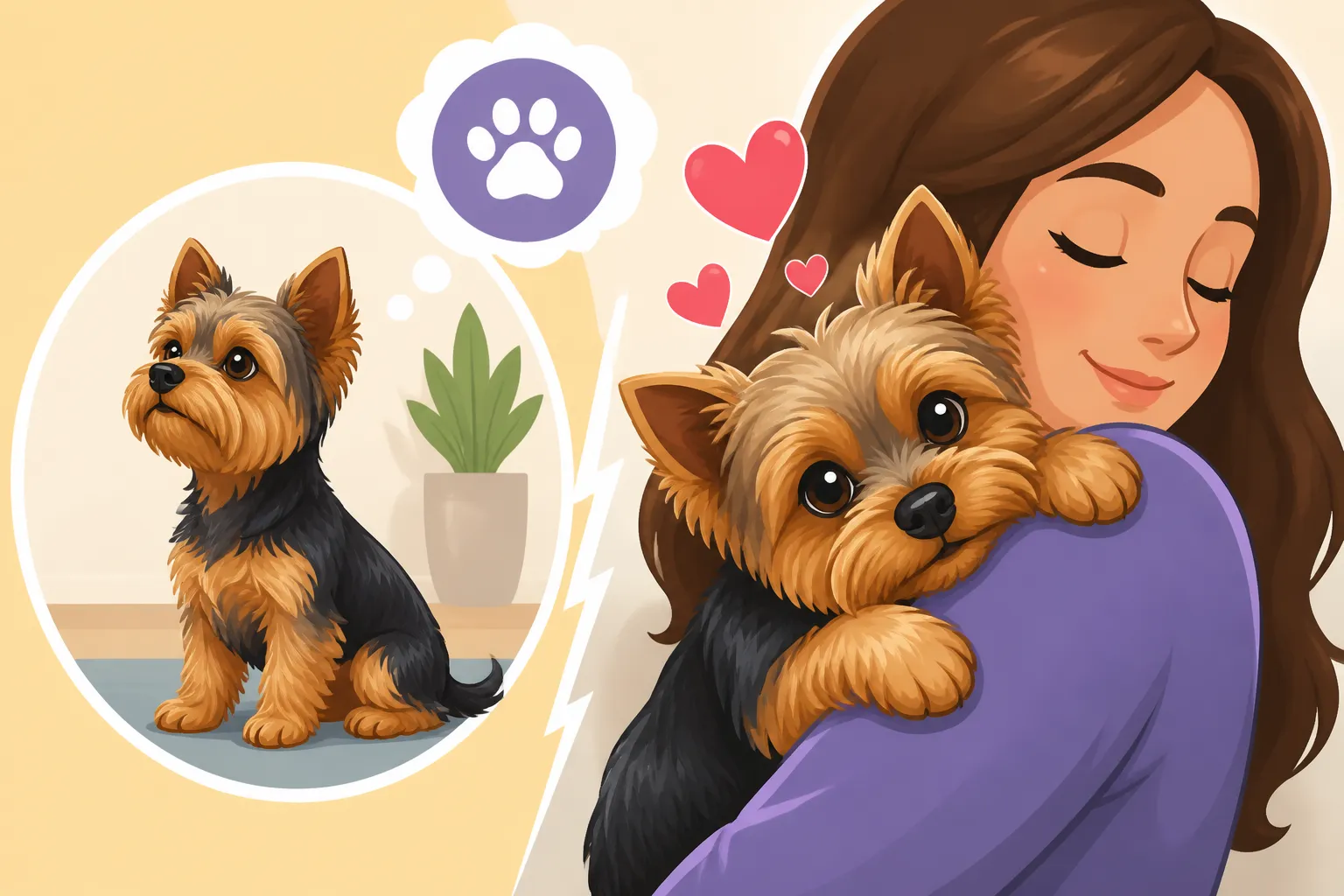
Many Yorkshire Terrier owners find themselves constantly shadowed by their tiny companions, a delightful but sometimes overwhelming experience that leads them to wonder: are Yorkies inherently clingy? This comprehensive guide will delve into the nuances of the Yorkshire Terrier's attachment style, exploring why they often seek such close proximity, what constitutes healthy versus excessive clinginess, and how to foster a balanced, independent yet loving relationship with your beloved pint-sized pal.
Understanding the Yorkshire Terrier's Nature
Yorkshire Terriers are renowned for their spirited personalities packed into a small package, but their emotional depth often gets overlooked. These aren't just sassy little dogs; they form incredibly strong bonds with their human families, which can easily translate into what many perceive as clinginess. It’s not necessarily a bad thing, but understanding the roots of this behavior helps us better respond to our furry friends.
A History of Companionship
To truly grasp why Yorkies can be so devoted, we need to glance back at their origins. Unlike many terrier breeds developed solely for vermin control in barns and mines, Yorkshire Terriers quickly found their way into the homes and laps of working-class families in 19th-century England. They weren't just ratters; they were household companions, often living indoors and providing warmth and affection in addition to their pest-control duties. This close living arrangement undoubtedly fostered a strong reliance on human interaction and companionship over generations.
This historical context means that the desire for closeness isn't just a random trait in your individual Yorkie; it's practically woven into their genetic fabric. They've been bred, over time, to thrive on human connection, making them natural "velcro dogs" in many respects. This deep-seated need for interaction is a testament to their long history as cherished household members rather than purely working dogs.
The "Velcro Dog" Reputation
It’s no secret among Yorkie enthusiasts that these little dogs love to be where you are, always. Whether you're moving from the living room to the kitchen, or even just shifting in your seat, you might find a little shadow trailing close behind. This isn't just a quirk; it’s a hallmark of their breed and contributes to their affectionate charm. Many owners affectionately call them "velcro dogs" because they seem to stick to you, following your every move.
This constant desire for physical proximity isn’t solely about needing attention; it's often rooted in their protective instincts and a genuine desire to be part of the "pack." For a tiny dog, the world can feel big and overwhelming, and their human is often their source of security and comfort. This can manifest as an unwavering presence, whether they're curled up on your lap while you read or resting their chin on your foot as you cook dinner. It’s part of their unique appeal, though it requires an understanding from their human counterparts.
Why Yorkies Can Be Clingy: Root Causes
While all dogs can be attached to their owners, Yorkies seem to take it to another level. It's a combination of their inherent breed traits, early experiences, and even how we, as owners, inadvertently reinforce certain behaviors. Understanding these factors is the first step in managing what can sometimes feel like overwhelming devotion.
Breed Predisposition and Genetics
Yorkshire Terriers were developed to be companion dogs, a role they excel at. Their small size and charming personalities made them ideal lap warmers and house pets. This intentional breeding for companionship means that a strong bond with their human is a fundamental part of their genetic makeup. They thrive on interaction and often see themselves as an extension of their owner, which can lead to a constant desire for proximity. This deep-seated need for connection makes them prone to developing strong attachments.
Beyond companionship, their terrier instincts also play a role. Despite their dainty appearance, Yorkies are true terriers at heart – bold, alert, and often quite vocal. This inherent vigilance, while useful for alerting you to strangers, can also translate into them wanting to be close to you, their protector and leader, especially in unfamiliar situations or when they perceive a threat. They naturally look to their humans for reassurance and safety, reinforcing their tendency to stick close. You can learn more about the broader traits of the breed in our guide on Yorkshire Terrier Temperament and Personality.
Early Experiences and Socialization
Just like with human children, a Yorkie's early life experiences profoundly shape their adult behavior. A puppy that wasn't properly socialized during its critical developmental period (roughly 3 to 16 weeks of age) might grow up to be more anxious and, consequently, more clingy. If they weren't exposed to a variety of people, environments, sounds, and other animals in a positive way, they might rely excessively on their primary caregiver for security. This lack of diverse, positive experiences can make them feel safer when they are physically close to their trusted human.
Similarly, puppies separated from their mothers or littermates too early, or those from high-stress environments, might develop attachment issues. These puppies often miss out on crucial lessons about independence and self-soothing that they would typically learn from their canine family. As a result, they may grow up with a heightened need for human comfort and presence. This isn't always the owner's fault, as many rescue Yorkies or those from less-than-ideal breeding situations may exhibit this behavior due to their past. Proper How to Socialize a Yorkshire Terrier is key.
Learned Behaviors and Reinforcement
Sometimes, without even realizing it, we as owners can inadvertently encourage clingy behavior. Every time your Yorkie nudges your hand for attention and you immediately provide it, you're reinforcing the idea that proximity and seeking attention directly from you is the best strategy. Constantly picking them up, carrying them, or allowing them to follow you into every room without any encouragement for independent play can teach them that being alone is undesirable or even scary. This isn't to say you shouldn't show affection, but rather to be mindful of the balance.
For instance, if your Yorkie barks or whines when you leave the room, and you immediately return to comfort them, they learn that these behaviors are effective ways to get you back. This can quickly escalate into more serious issues like Yorkshire Terrier Separation Anxiety Solutions. It's a tough habit to break because it feels counter-intuitive to ignore your crying pup, but consistent, positive reinforcement for calm, independent behavior is crucial. This is where strategic use of training treats, like those found on Chewy, can be really helpful for rewarding desired behaviors.
Health Concerns and Age
Sometimes, an increase in clinginess isn't just a behavioral quirk but a sign of something more profound. If your normally independent Yorkie suddenly becomes exceptionally clingy, it could be a subtle indicator that they're not feeling well. Dogs, being masters of disguise when it comes to pain or discomfort, often seek comfort and reassurance from their trusted human when they're feeling vulnerable. A sudden change in attachment could signal pain, illness, or even cognitive decline in older dogs.
Consider if there have been any other changes: limping, loss of appetite, changes in bathroom habits, or a general lethargy. These could all be coupled with increased clinginess. Senior Yorkies, in particular, may become more clingy as their senses decline, making them feel less secure in their environment. Conditions like vision or hearing loss can make them rely more heavily on their human's presence for guidance and safety. If you notice a sudden, inexplicable shift in their behavior, it’s always best to consult your vet to rule out any underlying health issues, as described in Yorkshire Terrier Health Problems to Know.
Managing and Moderating Yorkie Clinginess
While a deeply affectionate Yorkie is a joy, excessive clinginess can sometimes lead to anxiety for the dog and a bit of a challenge for the owner. The goal isn't to make your Yorkie less loving, but to help them develop confidence and feel secure even when you're not within arm's reach. This involves consistent training, environmental enrichment, and setting clear, kind boundaries.
Establishing Healthy Boundaries
Creating healthy boundaries is crucial for fostering independence in your Yorkie. This doesn't mean ignoring them, but rather teaching them that it's okay, and even good, to be alone sometimes. Start with small steps. Practice short, calm departures and arrivals. Don't make a big fuss when you leave or return; this signals that your absence is no big deal. When you leave, quietly go about your business, and when you come back, greet them calmly after a few minutes, once they’ve settled down.
Another key boundary is not allowing them to follow you into every single room. If they can see you but aren't right at your heels, that's progress. Use baby gates to create safe zones where they can be in one room while you're in another. Ensure they have a comfortable bed or crate in these zones, filled with appealing toys, so they associate it with positive experiences. For tips on managing your home, check out our article, How to Leave a Yorkie Home Alone.
Enrichment and Mental Stimulation
A bored Yorkie is often a clingy Yorkie. If their physical and mental needs aren't being met, they're more likely to seek constant attention from you. Providing ample opportunities for enrichment and mental stimulation can significantly reduce this need for constant human interaction. This doesn't just mean more walks, though those are important for their exercise needs; it also means engaging their minds.
Puzzle toys, like those available on Chewy, that dispense treats are fantastic for keeping them occupied. Snuffle mats and KONGs stuffed with peanut butter or yogurt can provide long-lasting mental engagement. Regular training sessions, even just 10-15 minutes a day, can also be incredibly stimulating. Teaching new tricks or practicing obedience commands like "stay" or "go to your bed" gives them a job to do and builds their confidence. Exploring Mental Stimulation Games for Yorkies can offer many ideas.
Training for Independence
Specific training exercises can directly address clinginess by teaching your Yorkie to be comfortable and confident on their own. The "sit-stay" or "down-stay" commands are excellent for this. Start with very short durations and gradually increase the time you ask them to stay, moving further away each time. Always reward calm compliance generously with high-value treats. The goal is for them to learn that staying put, even when you move, results in a positive outcome. You can find excellent advice on this in our general guide on How to Train a Yorkshire Terrier.
Another effective technique is "settle" training. Teach your Yorkie to lie calmly on a mat or bed in a designated spot, even when there's activity around. Reward them for settling and staying in place. This helps them understand that they don't always need to be in your lap or right at your feet. Gradually increase the duration and distraction level during these exercises. Consistency is key, and patience will pay off as your Yorkie builds confidence in their own space.
Consulting a Professional
If your Yorkie's clinginess is severe, accompanied by destructive behaviors, excessive barking, or extreme anxiety when you leave, it might be more than just typical breed behavior – it could be Yorkie Separation Anxiety: Signs and Fixes. In such cases, consulting a certified professional dog trainer or a veterinary behaviorist is highly recommended. These experts can assess the specific triggers and patterns of your Yorkie's behavior and develop a tailored plan.
A professional can offer guidance on behavior modification techniques, recommend specific tools or supplements, and help you understand the subtle cues your dog is giving. They can also differentiate between normal attachment and a genuine anxiety disorder that might require more intensive intervention. Don't hesitate to seek help; addressing these issues early can prevent them from escalating and significantly improve your Yorkie's quality of life.
The Upside of a Clingy Yorkie: Benefits of a Close Bond
While managing clinginess might require effort, it's important to remember that this trait is often two sides of the same coin when it comes to Yorkies. The very characteristics that make them prone to being "velcro dogs" are also what make them incredibly loving, loyal, and emotionally supportive companions. There are profound benefits to having such a close bond with your Yorkshire Terrier.
Unwavering Loyalty and Affection
One of the most endearing qualities of a Yorkshire Terrier is their absolute devotion. A clingy Yorkie, at its core, is a deeply loyal one. They will likely be your most enthusiastic greeter, showering you with wiggles and kisses whenever you return home. Their affection is boundless, and they often seek out physical touch, whether it's snuggling on the couch, resting their head on your chest, or simply being close enough to feel your presence. This constant expression of love can be incredibly comforting and affirming.
This unwavering loyalty means you always have a dedicated companion by your side. They live to please you and thrive on being part of your daily life. For many Yorkie owners, this intense bond is precisely what they cherish most about the breed. They become true family members, often forming an almost telepathic connection with their primary caregiver, understanding moods and offering silent comfort. This level of dedication is a unique and wonderful aspect of the Yorkie personality.
Emotional Support and Companionship
Yorkshire Terriers are fantastic emotional support animals, even if they aren't officially certified. Their natural inclination to be close, coupled with their sensitive and intuitive nature, makes them excellent at sensing their owner's emotions. If you're feeling down or stressed, a clingy Yorkie will often be the first to nuzzle you, lick away a tear, or simply curl up silently beside you, offering a comforting presence. This ability to provide unconditional emotional support is invaluable, especially for individuals living alone or those who benefit from constant companionship.
Their small size also makes them incredibly portable, allowing them to accompany you to many places, providing companionship and reducing feelings of loneliness throughout your day. Whether you're working from home, traveling, or just enjoying a quiet evening, a Yorkie’s constant, loving presence can significantly enhance your quality of life. The deep, reciprocal bond shared with a Yorkie is a source of immense joy and comfort for many.
Clingy Behavior vs. Healthy Attachment Signs
It can sometimes be hard to distinguish between a natural, healthy attachment and a more problematic, overly clingy behavior. Understanding the differences is key to ensuring your Yorkie is happy and well-adjusted.
| Behavior Trait | Healthy Attachment | Excessive Clinginess (Potentially Problematic) |
|---|---|---|
| Response to Owner Leaving | Calmly settles, might watch you leave, then naps or plays. | Panics, whines, barks incessantly, paces, destructive behavior. |
| Greeting on Return | Happy and excited, wags tail, solicits a short greeting, then calms. | Overly frantic, takes a long time to settle, submissive urination, hyper-arousal. |
| Solo Play | Engages with toys, chews, or naps independently for periods. | Rarely plays alone, constantly seeks owner, ignores toys unless owner interacts. |
| Following Owner | Follows into a few rooms, then settles. Allows owner to leave line of sight. | Shadows owner's every step, even to the bathroom; can't be out of sight without distress. |
| Comfort Seeking | Comes for cuddles when tired or stressed, but also enjoys their own bed. | Always in physical contact, whines or demands to be held or on lap constantly. |
| Reaction to Strangers | Alert but calm, eventually warms up. | Overly shy, fearful, or aggressive with strangers, hides behind owner. |
| Resting Spot | Enjoys various spots: bed, crate, sunny patch, sometimes owner's lap. | Only comfortable on owner's lap, in owner's bed, or touching owner. |
Disclaimer
The information provided in this article is for general informational purposes only and is not a substitute for professional veterinary advice. Always consult with a qualified veterinarian or animal behaviorist regarding any health or behavior concerns specific to your Yorkshire Terrier.