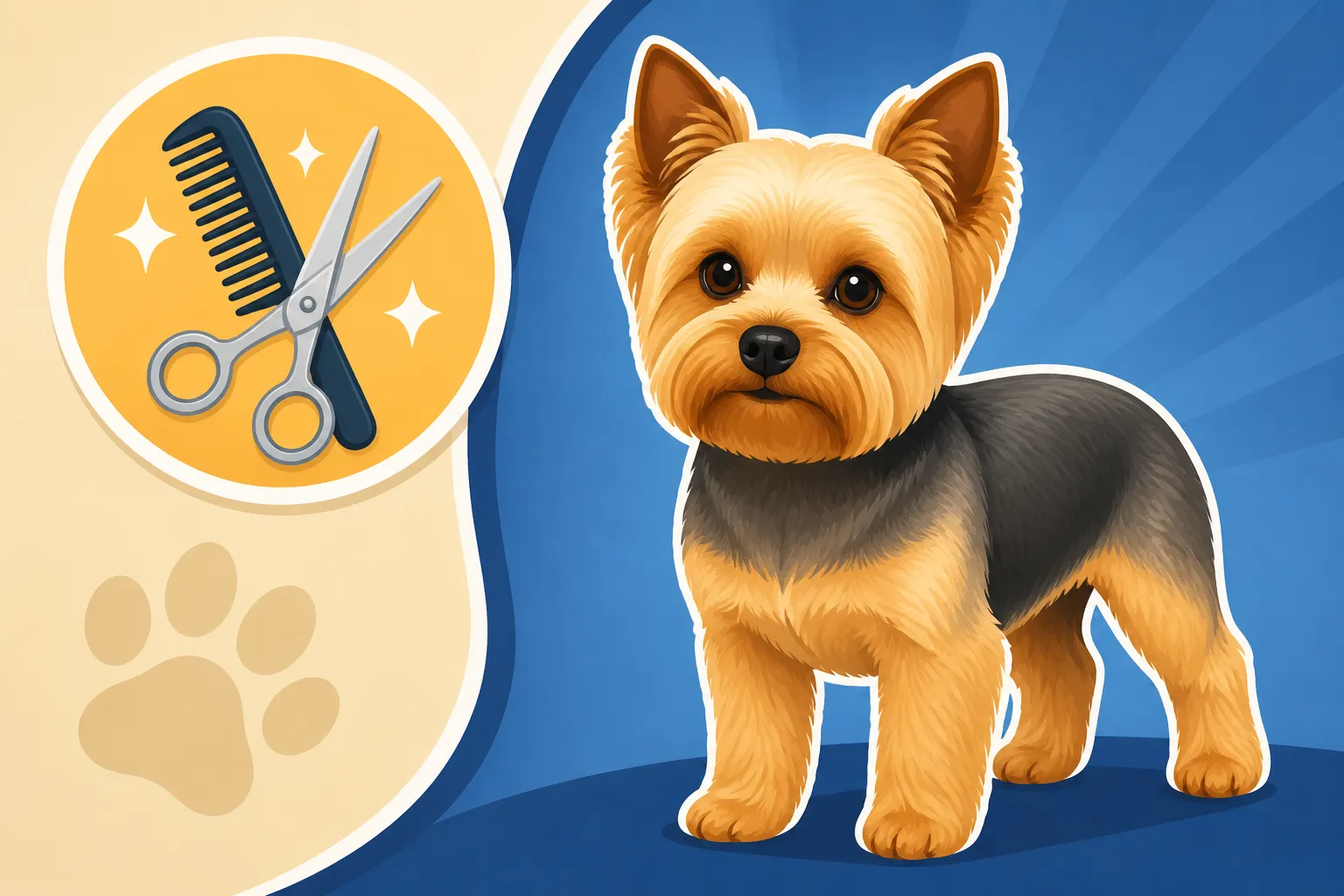
Yorkie Kennel Cut: What to Know
If you're a Yorkshire Terrier parent, you know the struggle: that long, flowing, beautiful silky coat is absolutely stunning, but it can be a real commitment. Daily brushing, detangling, and the constant battle against mats can feel like a never-ending task, especially if your Yorkie loves to explore or has an active lifestyle. This comprehensive guide is here to shed light on a popular and practical solution for many Yorkie owners: the kennel cut. We’ll delve into exactly what a kennel cut entails, why it’s so appealing, how to achieve it, and how to maintain this easy-care style, ultimately saving you time and keeping your furry friend comfortable and looking fabulous with less fuss.
Understanding the Yorkie Kennel Cut
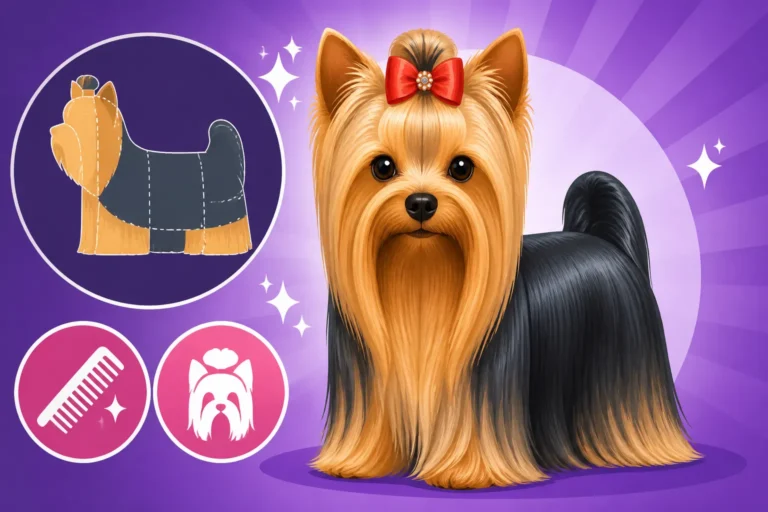
The traditional image of a Yorkshire Terrier often involves a floor-length coat, meticulously brushed and perhaps adorned with a top knot. While undeniably elegant, this look demands significant time and effort to maintain. For many pet parents, this level of grooming isn't practical, leading to frustration and, unfortunately, often painful matting for the dog. That’s where the kennel cut comes in as a beloved alternative, offering a breath of fresh air for both owner and canine.
What Exactly is a Kennel Cut?
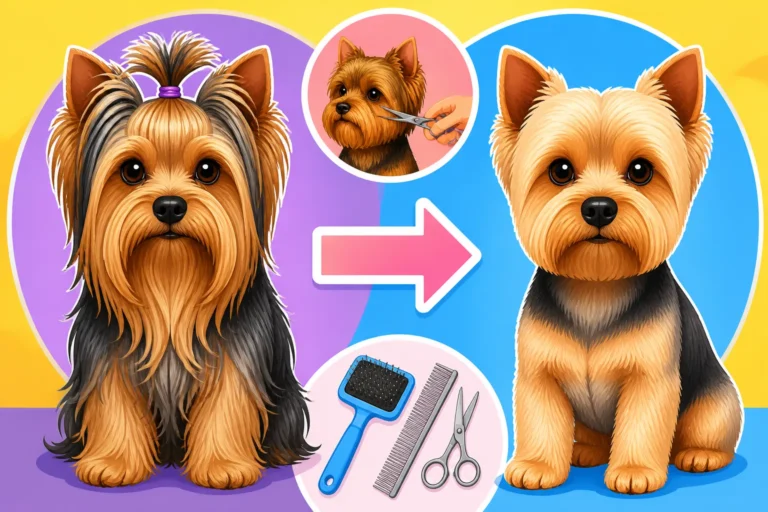
At its heart, a kennel cut is a practical, short, uniform haircut for your Yorkshire Terrier. Unlike the show ring style, where every strand is meant to cascade gracefully, the kennel cut prioritizes comfort, cleanliness, and ease of care. Imagine a haircut where the entire body, from neck to tail, is trimmed to a consistent, manageable length, typically ranging from about a half-inch to one inch. The exact length is often dictated by the blade size used on clippers, with popular choices like a #7F or #5F blade achieving these neat, even results.
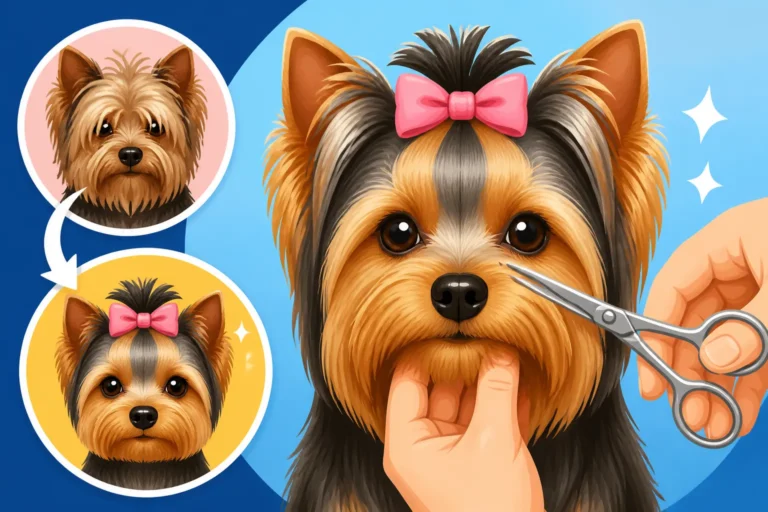
The beauty of this style lies in its simplicity. There are no elaborate layers or intricate shaping; it’s all about creating a streamlined, low-maintenance coat. While the body is kept short and even, the head and face usually retain a bit more length to preserve that adorable Yorkie expression, often leaving the muzzle and eyebrows slightly longer. The ears might be trimmed very short, almost shaved, to highlight their perky shape, and the tail is typically tidied up to match the body length. This consistent, shorter length significantly reduces the chances of tangles and mats forming, making daily life much easier for both you and your little companion.
Why Yorkie Owners Choose This Style
Yorkie owners flock to the kennel cut for a multitude of practical reasons, often stemming from the specific challenges presented by their breed's signature long coat. The number one frustration it addresses is matting. Yorkies have a single coat that is more like human hair than typical dog fur, which means it grows continuously and is prone to tangling if not brushed daily. Mats can form quickly behind the ears, in the armpits, on the belly, and under the legs, becoming painful if left unattended and often requiring a complete shave-down by a professional groomer. A kennel cut dramatically minimizes these matting hotspots.
Beyond matting, the kennel cut offers immense benefits for a Yorkie's comfort, particularly during warmer months. That long coat, while beautiful, can be quite heavy and hot. A shorter cut allows for better air circulation against the skin, helping your Yorkie stay cooler and more comfortable in summer, or even just during active play indoors. It also means less dirt and debris getting caught in the fur, translating to a cleaner dog and fewer baths. Potty breaks become less messy, as there’s no long hair to contend with around the sanitary areas. Furthermore, for those who appreciate a clean and tidy home, a shorter coat often means less hair tracked through the house, even though Yorkies are known for their minimal shedding. Ultimately, the kennel cut reduces the time spent on arduous grooming sessions, freeing up more moments for cuddles and playtime, and making the overall Yorkshire Terrier Daily Care Routine much simpler.
Preparing Your Yorkie for a Kennel Cut
Whether you’re planning to tackle the kennel cut yourself at home or take your Yorkie to a professional groomer, some essential preparation steps can make the experience smoother and more pleasant for everyone involved. Getting your Yorkie ready isn't just about hygiene; it’s also about ensuring the best possible outcome for the haircut and reducing stress for your furry friend.
Pre-Grooming Steps at Home
Even with a planned short cut, a good pre-grooming routine at home is crucial. The first step is always a thorough brushing. While the goal is to cut the hair short, starting with a detangled coat helps the clippers glide through more easily, prevents snagging, and ensures an even trim. Use a slicker brush and a steel comb to work through any minor tangles, paying special attention to areas like behind the ears, under the chin, and in the "armpits" of their front legs. If you encounter any stubborn knots, a detangling spray can be a lifesaver. This proactive brushing will make the bathing process more effective and prevent matting from worsening when wet. For more detailed advice, you can check out our comprehensive How to Brush a Yorkie's Coat guide.
After a good brush, a bath is absolutely essential. Clippers perform best on a clean coat. Dirt, oils, and residue can dull clipper blades quickly and lead to an uneven cut. Use a high-quality dog shampoo designed for fine or silky coats, followed by a light conditioner. Be sure to rinse thoroughly to remove all soap residue, as leftover shampoo can irritate the skin. The final, and arguably most critical, step before clipping is to completely dry your Yorkie. A damp or wet coat will not only cause the clippers to pull and snag, which can be uncomfortable or even painful for your dog, but it will also result in a choppy, uneven haircut. Towel dry first, then use a low-heat hairdryer, brushing as you go, until the coat is bone dry and fluffy. This thorough drying process ensures the hair stands correctly, allowing the clippers to cut uniformly. For tips on giving your Yorkie a bath, refer to our How to Bathe a Yorkie article.
Essential Tools for DIY or Professional Groomers
Equipping yourself with the right tools is paramount, whether you're performing a DIY kennel cut or simply understanding what your professional groomer uses. Quality tools not only make the job easier but also ensure your Yorkie's comfort and safety.
When it comes to the main event, the clippers, you'll want a reliable, quiet model designed for pet grooming. Brands like Andis, Wahl, or Oster are popular choices. You'll need various blade sizes, typically detachable, ceramic or stainless steel. For a true kennel cut, common blade lengths include the #7F (which leaves about 1/8 inch of hair) or the #5F (leaving about 1/4 inch). The "F" often signifies a "finish" blade, designed for a smooth, single-pass cut. Corded clippers offer consistent power, while cordless models provide greater maneuverability. You can find a wide selection of these professional-grade clippers and blades on sites like Amazon, often with detailed reviews to help you choose.
Beyond the clippers, a good pair of straight-edge grooming scissors with blunt tips is vital for trimming around the face, ears, and paws safely. Thinning shears can also be useful for blending or softening lines, especially on the head. You'll also need a sturdy steel comb for checking your work and a slicker brush for pre- and post-clip brushing. Don't forget nail clippers or a grinder for those tiny nails – a good grooming session always includes a nail trim. Ear cleaner and cotton balls are necessary for hygiene, and it's always wise to have styptic powder on hand, just in case of an accidental quicking during nail trims, even if you’re a pro. Having all these tools ready will ensure a smooth, efficient, and stress-free grooming experience.
Step-by-Step Guide to Giving a Yorkie Kennel Cut
Embarking on a DIY kennel cut might seem daunting at first, but with a clear plan and the right approach, it’s entirely achievable. The key is to work systematically, prioritize your Yorkie's comfort, and ensure their coat is impeccably clean and dry before you even think about turning on the clippers.
Body Clipping Techniques
Once your Yorkie is brushed, bathed, and thoroughly dry, you’re ready to begin clipping the body. Start by setting up in a quiet, well-lit area where your dog feels comfortable. Having a non-slip mat on a table can help keep them steady and at a good working height. Choose your blade – for a typical kennel cut, a #7F blade will give a very short, neat look (about 1/8 inch), while a #5F will leave it slightly longer (about 1/4 inch). Always go with the grain of the hair growth. This helps the clippers glide smoothly and results in a more natural, uniform finish. Clipping against the grain will make the coat even shorter and can sometimes cause clipper irritation or uneven patches.
Begin by gently placing the clippers flat against your Yorkie's skin, applying minimal pressure. Work in long, even strokes, moving from the neck down the back towards the tail. Overlap each stroke slightly to avoid creating lines or missed patches. Continue down the sides of the body, then move to the chest and belly. When working on the delicate belly area, be extra cautious to avoid nipples or loose skin, gently stretching the skin taut with your free hand. For the legs, aim for the same uniform length as the body. Many owners find it easiest to work on one side, then the other, and finally tackle the underside and legs, ensuring consistency throughout. Remember to frequently check the clipper blades for heat; if they become too warm, switch to a cool blade or take a short break to prevent skin irritation or clipper burn. Taking breaks and offering praise and small treats (like those from Chewy) can also help keep your Yorkie calm and cooperative.
Head, Face, and Tail Details
After the body is neatly clipped, it's time to refine the more detailed areas: the head, face, and tail. These parts often require a slightly different approach, primarily using scissors for precision and to maintain that characteristic Yorkie charm.
For the face, the goal is often to keep it a little longer than the body to frame their expressive eyes and muzzle. Use blunt-nosed scissors, especially when working near the eyes, to trim any stray hairs that could irritate them or block their vision. Carefully trim around the muzzle to keep it tidy, and shape the eyebrows if desired, making sure to avoid cutting the whiskers. The ears are another key feature for Yorkies; for a clean kennel cut, many owners choose to clip the outside of the ears very short, sometimes almost shaving them with a #10 blade, to accentuate their perky, upright stance. Be extremely careful when doing this, as ear skin is thin and delicate. Trim any excess hair from the inside of the ear flap, but avoid going deep into the ear canal. Regular ear cleaning is crucial for Yorkies, and a neat trim makes it easier. You can learn more about this in our guide on How to Clean a Yorkie's Ears.
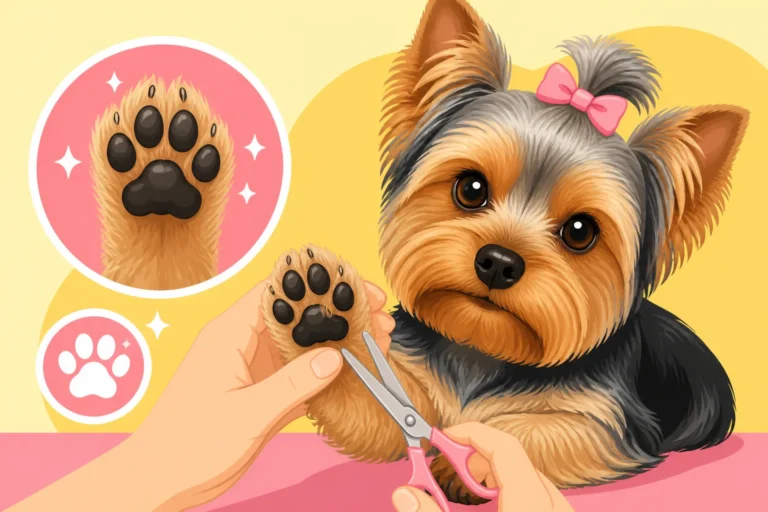
The tail can be left somewhat natural or trimmed to match the length of the body, depending on your preference. Just tidy it up for a neat appearance. Finally, don't forget the paws and the sanitary trim. Use the clippers (often with a #10 blade) to carefully shave the hair between the paw pads to prevent matting and improve traction. Trim around the edges of the feet with scissors to give a neat, rounded or straight look. The sanitary area (around the anus and genitals) should also be clipped very short with a #10 blade to maintain optimal hygiene and prevent urine or fecal matter from clinging to the fur. This careful attention to detail will ensure your Yorkie looks polished and feels clean from head to tail.
Maintaining the Kennel Cut
While the kennel cut significantly reduces the intensity of daily grooming, it doesn't mean "no maintenance." Think of it as shifting your grooming efforts from detangling a long coat to routine upkeep that ensures the short style remains neat, healthy, and comfortable for your Yorkie. Consistency is still key, but the tasks are generally quicker and less strenuous.
Daily and Weekly Care Routine
Even with a short kennel cut, a quick daily or every-other-day brush is beneficial. Use a soft slicker brush or a rubber curry brush. This helps to stimulate the skin, distribute natural oils, remove any loose hair that does shed (which is minimal for Yorkies), and prevent even minor snags from escalating into mats. While the likelihood of severe matting is greatly reduced with a short cut, tiny tangles can still form, especially in friction areas like where a harness sits, if not brushed regularly.
Bathing frequency will generally decrease with a kennel cut, perhaps to every 3-4 weeks, or when your Yorkie gets noticeably dirty. This is a far cry from the weekly or bi-weekly baths often needed for a long coat. Always use a dog-specific shampoo and conditioner to maintain skin and coat health. Beyond brushing and bathing, other aspects of grooming remain just as critical. Regular nail trims, ideally every 2-4 weeks, prevent painful overgrowth and maintain proper paw health. You can find detailed instructions in our How to Trim a Yorkie's Nails guide. Ear cleaning should be done weekly to prevent infections, as Yorkies can be prone to ear issues. And perhaps most importantly, Yorkshire Terrier Dental Care Guide should be a daily or near-daily activity, regardless of coat length, as dental disease is incredibly common in small breeds. By consistently addressing these essential care points, you ensure your Yorkie remains healthy, happy, and comfortable in their kennel cut.
Recognizing When a Re-Trim is Needed
The beauty of the kennel cut lies in its manageable length, but just like human hair, your Yorkie's coat will continue to grow, and that neat appearance will eventually start to get a bit shaggy. The exact frequency of re-trimming will depend on your individual Yorkie's hair growth rate and how short you initially had the cut. Generally, most Yorkies will need a re-trim every 4 to 8 weeks to maintain the short, tidy look.
You'll start to notice the coat getting longer, particularly around the ears, face, and legs, and the overall silhouette will lose its crispness. While the risk of severe matting is much lower than with a long coat, if you wait too long between trims, smaller tangles can still begin to form, especially in high-friction areas or if your dog is particularly active. Some pet parents opt for professional grooming every 6-8 weeks, appreciating the consistent, expert touch, while others feel confident performing touch-ups or full re-trims at home every 4-6 weeks once they've mastered the technique. Regularly inspecting your Yorkie's coat and feeling for any slight matting will be your best indicator for when it's time for another grooming session. If you’re committed to DIY grooming, consider investing in a high-quality pair of clippers from a trusted retailer like Amazon to ensure you always have the right tools on hand.
Pros and Cons of the Yorkie Kennel Cut
Deciding on a specific grooming style for your Yorkie is a personal choice, and the kennel cut, while popular, comes with its own set of advantages and potential drawbacks. Understanding these can help you determine if it's the right fit for your lifestyle and your furry friend.
Advantages for You and Your Yorkie
The benefits of a kennel cut for both you and your Yorkshire Terrier are substantial, primarily revolving around practicality, comfort, and cleanliness. For owners, the most significant advantage is the drastic reduction in grooming time. Instead of daily hour-long brushing sessions to prevent mats, you're looking at quick, few-minute brushes a few times a week. This frees up precious time, making the overall care of your Yorkie much less demanding and allowing more time for playtime and bonding. Less brushing also means less hair shed around the house, although Yorkies are generally considered low-shedding dogs anyway. If you're struggling with severe matting, a kennel cut is often the ideal starting point to restore your dog's comfort and allow a fresh, healthy coat to grow. Our guide on How to Prevent Yorkie Matting goes into more detail about how helpful shorter cuts can be.
For your Yorkie, the kennel cut offers unparalleled comfort. A shorter coat means they stay cooler, especially in warmer climates or during rigorous exercise. This can be a huge relief, preventing overheating. It also means they're less likely to get uncomfortable mats or skin irritations from trapped dirt and moisture. A clean, short coat is easier to keep clean; mud, burrs, and other outdoor debris are less likely to stick, and bath times become a breeze. Furthermore, a short coat allows your Yorkie's playful, energetic personality to shine without being hindered by long, heavy hair. They can run, jump, and roll with more freedom, truly embodying the spirited terrier they are.
Potential Drawbacks to Consider
While the kennel cut offers many practical benefits, it's also important to consider some potential drawbacks before making the chop. The most obvious change is the aesthetic: your Yorkie will no longer have that iconic, floor-length coat. For some owners who cherish the traditional look, this can be a significant emotional hurdle. If you've always dreamed of a show-quality coat, the kennel cut is definitely not for you.
Beyond appearance, a shorter coat offers less protection from the elements. In colder weather, your Yorkie, being a small breed with a single coat, will be more susceptible to the cold and will likely need sweaters or jackets when going outdoors. Our article on How to Keep a Yorkie Warm in Winter offers some great solutions for this. Similarly, a very short cut can expose their delicate skin to sunburn in hot, sunny climates, necessitating pet-safe sunscreen or protective clothing for extended outdoor time. While the maintenance is easier, it's still maintenance. You can't simply cut it short and forget about it; regular trimming, brushing, and other grooming tasks are still necessary. If you decide later that you want to grow the coat long again, it will take many months, or even a year or more, to return to significant length, requiring immense patience and dedicated care during the grow-out phase to prevent matting. So, it's a commitment to a new grooming lifestyle, and one you should be fully prepared for.
Common Misconceptions and Tips for a Happy Grooming Experience
Even with its popularity, the kennel cut, and indeed grooming in general, can be surrounded by myths and lead to anxiety for both pets and their owners. Addressing these misconceptions and implementing positive grooming practices can transform a potentially stressful experience into a pleasant and bonding one.
Addressing Concerns About Shaving a Yorkie's Coat
One of the most persistent myths about giving a dog a short cut, especially in breeds like Yorkies, is that "shaving" will permanently ruin their coat texture. The truth is a bit more nuanced. Yorkies have a single coat that is more akin to human hair than a double coat. While clipping it very short can sometimes temporarily alter the texture, making it feel a bit coarser as it grows back, it doesn't typically cause irreversible damage to a healthy coat. Factors like genetics, diet (for example, quality food from brands like Ollie), and overall skin health play a much larger role in coat quality than a single haircut. In fact, for dogs with severe, painful matting, a complete shave-down (a very short kennel cut) is often the kindest and healthiest option, allowing the skin to breathe and a new, healthy coat to grow in without the burden of tangles.
Another misconception is that a kennel cut is only for neglected or matted dogs. While it's an excellent solution for matting, it's increasingly chosen by responsible owners simply for convenience and their dog's comfort. It's a style choice, not necessarily a sign of a problem. Some owners also worry that a short cut makes their Yorkie look "less like a Yorkie." While the traditional long coat is iconic, a well-executed kennel cut still highlights their adorable features, bright eyes, and perky ears, just in a more practical package. Ultimately, prioritizing your Yorkie's comfort and well-being should always come first, and a kennel cut is a fantastic option for achieving just that.
Making Grooming Enjoyable for Your Yorkie
Grooming, whether a full kennel cut or just a quick brush, should ideally be a positive experience for your Yorkie. The foundation for this starts early. If you have a puppy, begin introducing them to grooming tools like brushes, clippers (even if they're off), and the bathtub from a young age. Let them sniff and investigate the tools, offering high-value treats and praise for calm behavior. This early exposure, detailed in our Yorkshire Terrier Puppy Health Guide, helps them associate grooming with pleasant sensations and rewards.
For adult Yorkies, positive reinforcement is your best friend. Keep grooming sessions short, especially when learning a new style or if your dog is anxious. Break down the tasks into manageable chunks. For example, focus on one section of the body at a time, taking breaks and offering treats and verbal encouragement throughout. If you're using clippers, make sure they are well-maintained and quiet to minimize startling noises. Always be gentle, avoiding any pulling or snagging. If your Yorkie shows signs of extreme stress or fear, don't force it; take a break, try again later, or consider consulting a professional groomer who specializes in fearful dogs. Treats and praise from reputable brands like Chewy or Ollie can go a long way in making grooming a happy ritual, ensuring your Yorkie associates the process with good things, rather than a stressful ordeal.
Comparing Grooming Styles: Long Coat vs. Kennel Cut
To help you visualize the differences and benefits, here's a comparison table outlining the key aspects of a traditional long Yorkie coat versus the practical kennel cut.
| Feature | Traditional Long Coat | Kennel Cut (Short) |
|---|---|---|
| Appearance | Iconic, elegant, flowing, show-ring look. Hair often reaches the floor. | Uniformly short (1/2 to 1 inch), neat, tidy. Often leaves head/face slightly longer. |
| Grooming Time | High daily commitment (30-60 min/day) for brushing, detangling, top knots. | Low daily commitment (5-10 min/day) for quick brushes, less detangling. |
| Matting Risk | Very High. Prone to severe matting, especially behind ears, under legs, on belly. | Very Low. Mats are rare, easy to spot, and simple to brush out. |
| Comfort | Can be hot in summer; hair can get in eyes/mouth; heavy. | Cooler in warm weather; lighter; less restrictive; cleaner potty breaks. |
| Cleanliness | Picks up dirt, debris, food, and moisture easily; more frequent bathing needed. | Stays cleaner; less likely to collect dirt; less frequent bathing needed. |
| Professional Grooming Frequency | Every 2-4 weeks for trims, baths, and maintenance. | Every 4-8 weeks for re-trimming to maintain length and shape. |
| Protection | Provides natural insulation in cold; some sun protection. | Less insulation in cold (sweaters needed); skin more exposed to sun. |
| DIY Feasibility | Very Challenging. Requires advanced skills, specific tools, and significant time. | Moderate. Easier for owners to learn and perform at home with basic clippers. |
Choosing the right haircut for your Yorkie ultimately comes down to balancing aesthetic preference with practicality and your dog's comfort. The kennel cut is a fantastic option for those seeking a low-maintenance, comfortable, and clean lifestyle for their beloved Yorkshire Terrier.
Disclaimer
The information provided in this article is for general informational purposes only and is not a substitute for professional veterinary advice. Always consult with a qualified veterinarian for any health concerns or before making any decisions about your pet's health or treatment.