Best Training Treats for Yorkshire Terriers
If you've ever tried to train a spirited little Yorkshire Terrier, you know the struggle is real. These charming, often opinionated pups need motivation, and a delicious, perfectly sized treat is often the key to unlocking their focus and cooperation. But with so many options out there, how do you find the best training treats that are not only effective but also safe and healthy for your tiny companion? This guide will cut through the confusion, helping you choose treats that will make training a joy for both you and your beloved Yorkie.
Understanding Your Yorkie's Unique Training Treat Needs
Yorkshire Terriers might be small in stature, but they have big personalities and equally big specific needs when it comes to their diet and treats. What works for a Labrador or a Golden Retriever simply won't cut it for your little lion. Recognizing these unique requirements is the first step to successful and healthy training.
Size and Palatability Considerations for Tiny Mouths
One of the most immediate challenges when selecting treats for a Yorkie is their diminutive size. Their mouths are tiny, their throats are small, and they simply can't handle large, chunky treats designed for bigger dogs. A treat that's too big not only becomes a choking hazard but also takes too long to chew and swallow, interrupting the flow of a training session. The goal of a training treat is quick reward and quick consumption so you can immediately move on to the next repetition.
Beyond size, palatability is paramount. Yorkies can be notoriously picky eaters. If a treat isn't absolutely irresistible, they'll simply turn their nose up at it, making your training efforts futile. You need something that captures their attention instantly and makes them eager to perform the desired behavior. Think about what truly gets your Yorkie excited – is it a savory meat flavor, a hint of cheese, or something entirely unique? A soft, chewy texture is usually preferred, making it easier for them to consume quickly and reducing any potential strain on their small teeth, which can be prone to dental issues. Choosing treats that are not only small but also soft can contribute to good Yorkie Dental Disease Prevention.
Calorie Count and Weight Management for Small Breeds
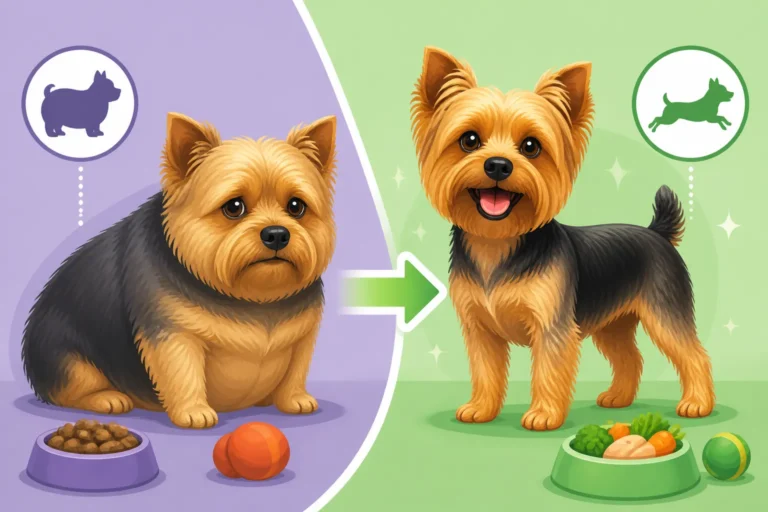
It's easy to forget just how few calories a tiny Yorkshire Terrier needs in a day. Even seemingly small treats can quickly add up, contributing to unwanted weight gain. An overweight Yorkie is at risk for a host of health problems, including joint issues like Yorkshire Terrier Patellar Luxation: Signs and Care, heart disease, and diabetes. Therefore, calorie control is absolutely critical when using training treats.
The best training treats for your Yorkie will be low in calories, allowing you to use them liberally during training sessions without derailing their diet. Many trainers recommend treats that are 2-3 calories or less per piece. This enables you to provide frequent positive reinforcement, which is key to effective training, especially when you're working on commands as outlined in a Yorkshire Terrier Puppy Training Schedule. Always remember to factor these treats into their daily food intake. If you're giving a lot of treats, you might need to slightly reduce their regular meal portions to maintain a healthy Yorkie Weight: Healthy Range by Age. This thoughtful approach ensures your training is effective and your pup stays healthy.
Avoiding Common Allergens and Sensitivities
Yorkies, like many small breeds, can be prone to sensitive stomachs, food allergies, or intolerances. Common culprits include chicken, beef, dairy, wheat, and soy. Feeding a treat that triggers an allergic reaction or digestive upset can quickly undo training progress and lead to discomfort for your dog. Signs of a food sensitivity might include itching, skin rashes, ear infections, vomiting, or diarrhea.
When selecting training treats, it’s wise to look for options with limited ingredients. If your Yorkie has known allergies, stick to novel protein sources like duck, lamb, or fish, and ensure the treats are grain-free if grains are an issue. Reading ingredient labels carefully is crucial. If you've been grappling with your pup's tummy troubles, exploring Yorkshire Terrier Food For Sensitive Stomach can offer broader insights into suitable dietary choices. Brands like Zuke's Mini Naturals often offer various protein options that can cater to different sensitivities, while freeze-dried single-ingredient treats are usually a safe bet. Always introduce new treats slowly to monitor for any adverse reactions.
Key Characteristics of Ideal Yorkie Training Treats
Now that we understand the unique challenges, let's dive into what actually makes a training treat great for a Yorkshire Terrier. It's a balance of size, appeal, and health benefits that will keep your tiny trainee motivated and thriving.
Small Size and Easy Breakability
This can't be stressed enough: for a Yorkie, smaller is always better. The ideal training treat should be no larger than a pea or a kernel of corn. This allows your Yorkie to quickly gobble it down and remain focused on the task at hand rather than spending precious seconds chewing. Fast consumption means more repetitions and a clearer association between the desired behavior and the reward.
Many commercially available training treats are specifically designed to be small, but even some of these might be too large for the smallest Yorkies. Don't be afraid to break or cut treats into even tinier pieces. This also has the added benefit of making your treat supply last longer, effectively giving you more "rewards" from a single treat. Look for treats that have a soft or crumbly texture, making them easy to break apart without creating too much mess. This practicality makes training sessions smoother and more efficient, helping you achieve your training goals, whether it's basic obedience or more complex tricks, as you'd find in a comprehensive guide on How to Train a Yorkshire Terrier.
High Value and Irresistible Flavor
A training treat needs to be exciting, something your Yorkie really wants. This is what we call "high value." For many dogs, their regular kibble isn't exciting enough to motivate them to learn new behaviors or perform in distracting environments. High-value treats are those special, delicious morsels that your dog rarely gets, making them extra enticing.
What constitutes "high value" can vary from one Yorkie to another, but generally, treats that are savory, meaty, and aromatic tend to be top contenders. Common favorites include small pieces of cooked chicken breast, liver treats, or cheesy bites. The key is to find what your individual Yorkie finds most rewarding. If you’re struggling with a picky eater, try different flavors and textures until you hit the jackpot. Some Yorkies adore fish-based treats, while others are crazy for a touch of peanut butter (make sure it's xylitol-free!). The more your Yorkie loves the treat, the more motivated they'll be to work for it, making training a positive and engaging experience.
Healthy Ingredients and Nutritional Benefits
While the primary role of a training treat is motivation, it shouldn't come at the expense of your Yorkie's health. The best training treats offer more than just empty calories; they provide some nutritional value without artificial additives. Look for treats made with wholesome, natural ingredients that you recognize. Single-ingredient treats, such as freeze-dried meats, are often an excellent choice because they minimize the risk of hidden fillers or allergens.
Prioritize treats that list real meat, fish, or vegetables as the first ingredient. Avoid anything with artificial colors, flavors, or preservatives, as these can be detrimental to your Yorkie's sensitive system. Added sugars, corn syrup, or excessive salt are also big no-nos, especially given the Yorkie's predisposition to conditions like Yorkie Hypoglycemia: Emergency Signs if not properly managed through diet. Treats with omega fatty acids for a healthy coat, or even probiotics for gut health, can be an added bonus. Think of training treats as tiny, tasty supplements that reinforce good behavior.
Top Picks and Recommendations for Yorkie Training Treats
Navigating the vast world of dog treats can be overwhelming, but a few categories consistently rise to the top for Yorkshire Terriers. These options strike a good balance between palatability, size, and health, making them ideal for your training toolkit.
Soft, Chewy Bites
Soft and chewy training bites are often a gold standard for Yorkies. Their pliable texture makes them easy to chew and swallow quickly, which is essential for rapid-fire training sessions. Brands like Zuke's Mini Naturals and Wellness Soft Puppy Bites are hugely popular choices, and for good reason. They are typically small, packed with flavor, and come in various protein options (chicken, duck, salmon, peanut butter) to cater to different tastes and sensitivities. You can easily find these at most pet stores or online retailers like Chewy and Amazon.
When selecting soft bites, always check the ingredient list for quality and calorie count. Even soft treats can vary widely. Aim for those with real meat as the primary ingredient and avoid excessive fillers. The soft texture is also beneficial for puppies with developing teeth and senior Yorkies who might have dental challenges, ensuring they can enjoy their reward comfortably.
Freeze-Dried or Dehydrated Meats
For a truly high-value, single-ingredient option, freeze-dried or dehydrated meat treats are hard to beat. These are often made from 100% pure chicken, beef liver, salmon, or lamb, retaining all their natural flavor and nutritional goodness. Their intense aroma and concentrated taste make them incredibly appealing to even the pickiest Yorkies. Brands like Orijen, Stella & Chewy's, or Stewart offer excellent freeze-dried options.
The beauty of these treats is their versatility. They are usually very easy to break into tiny, pea-sized pieces, perfect for repeated rewards during training. Because they are often single-ingredient, they are also a fantastic choice for Yorkies with food sensitivities or allergies, as you know exactly what your dog is consuming. While they might be a little more expensive upfront, their high value and the ability to break them into numerous tiny pieces often make them cost-effective in the long run.
Human-Grade, Fresh Options
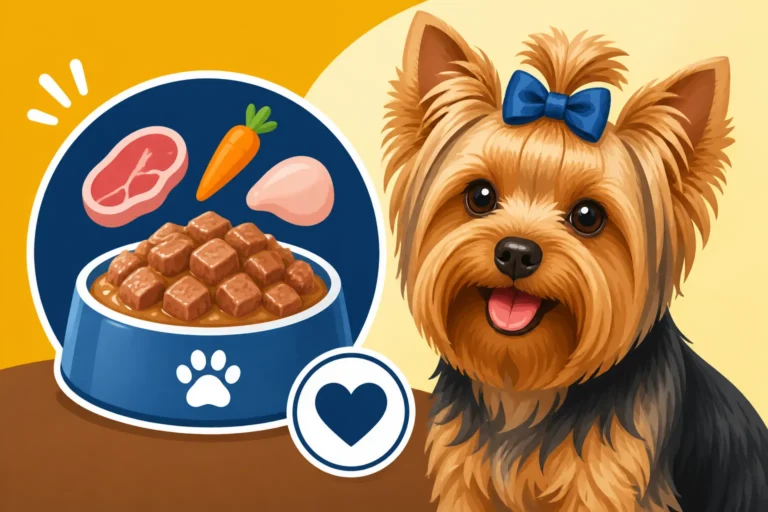
For owners who prefer complete transparency or have a Yorkie with extremely specific dietary needs or pickiness, human-grade fresh food can be an excellent source of training treats. Small, lean pieces of cooked chicken breast, boiled salmon, scrambled egg, or even tiny bits of plain cheese (in moderation) can be incredibly high-value rewards. These options are often free from preservatives and artificial ingredients, giving you total control over what your dog eats.
Some specialized pet food companies, such as Ollie, offer fresh, human-grade dog food that can be portioned out and used as incredibly motivating training treats. While these are full meals, a tiny crumble or piece can serve as a phenomenal reward. The key here is proper preparation and portion control. Always ensure any human food given is cooked (no raw meat), unseasoned, and safe for dogs. Avoid common toxic foods like onions, garlic, grapes, and chocolate. This approach requires a bit more effort, but for some Yorkies, it's the only way to keep them engaged and excited during training sessions.
Dental Treats (Used Cautiously for Training)
While primarily designed for oral health, some small dental chews can be broken into tiny pieces and used as occasional training treats. The idea here is a dual benefit: rewarding good behavior while also contributing to cleaner teeth. However, this category requires caution.
Most dental treats are significantly larger and higher in calories than traditional training treats. Brands like Greenies offer "Teenie" or "Petite" sizes that might be broken down, but even then, they can be calorically dense. If you choose this route, ensure the pieces are truly small enough for your Yorkie to consume safely and quickly, and strictly limit the quantity to avoid overfeeding. Also, consider the texture; some dental chews are quite firm, which could pose a risk to a Yorkie's small teeth. For daily dental care, separate routines are often more effective, as detailed in How to Brush a Yorkie's Teeth.
Here's a quick comparison of popular training treat options for your Yorkshire Terrier:
| Treat Type | Pros | Cons | Best For |
|---|---|---|---|
| Soft, Chewy Bites | Easy to chew, highly palatable, readily available | Calorie content can add up, some contain fillers | All Yorkies, especially puppies and seniors |
| Freeze-Dried Meats | Single ingredient, high protein, irresistible, limited allergen risk | Can be crumbly, slightly higher cost | Picky eaters, allergy-prone Yorkies |
| Human-Grade Lean Meats | Natural, very high value, no artificial additives | Requires preparation, spoils quickly, potential for fat/salt | Super picky eaters, dogs with sensitivities |
| Small Bits of Cheese | High value, easy to find, motivating | High in fat/sodium, should be used very sparingly | Short, intense training sessions, rare treats |
| Tiny Dental Chews | Oral health benefit, can be broken | Often too large/caloric for frequent use, some are too hard | Occasional dual-purpose treats (with caution) |
Maximizing Training Success with Treats
Having the right treats is only half the battle; knowing how to use them effectively is where the real magic happens. Proper treat usage can make all the difference in your Yorkshire Terrier's training journey.
Proper Portioning and Moderation
This is perhaps the most critical aspect of using training treats with a tiny Yorkie. As discussed, their caloric needs are minimal, and it's shockingly easy to overfeed them, especially during enthusiastic training sessions. The golden rule is to use the smallest possible piece of treat that still motivates your dog. Often, a crumb or a tiny lick is enough. If you’re using a commercially available treat, break it into 2-4 smaller pieces. This extends your treat supply and keeps the calorie count in check.
Consider how many treats you'll be giving in a day. If you plan for multiple short training sessions, allocate a small portion of their daily kibble allowance to training, or reduce their regular meals accordingly. Some owners even use their Yorkie’s regular kibble as training treats if the dog is sufficiently motivated by it, though for truly high-value lessons, something more exciting is usually needed. Consistency in moderation prevents weight gain and keeps the treats feeling special and motivating. For a deeper dive into their daily dietary needs, check out our guide on How Much to Feed a Yorkshire Terrier.
Timing and Delivery
The effectiveness of a training treat hinges on its timing and delivery. For your Yorkie to understand what they are being rewarded for, the treat must be delivered within 1-2 seconds of them performing the correct behavior. This immediate feedback creates a clear association. If you delay, your Yorkie might associate the treat with whatever they were doing after the desired action, leading to confusion.
When delivering the treat, do so calmly and deliberately. You don't want to accidentally reward excitement or jumping. Hold the treat in a closed fist or a treat pouch until the moment of reward. Once your Yorkie performs the command (e.g., sits), immediately say a marker word like "Yes!" or "Good!" and present the treat to their mouth. Keep your movements smooth and predictable. Avoid dangling the treat as a lure for too long, as this can become distracting. The treat should appear as a consequence of the action, not a bribe.
Rotating Treats for Continued Engagement
Even the most delicious treat can lose its appeal if it’s offered every single time. Imagine eating your favorite food for every meal, every day – eventually, you'd get bored! The same applies to your Yorkie. To maintain their enthusiasm and keep them engaged in training, it's a great strategy to rotate their high-value treats.
Have a repertoire of 2-3 different high-value treats that your Yorkie absolutely loves. Use one type for a few days, then switch to another. This novelty keeps them guessing and makes training sessions more exciting. For instance, you might use freeze-dried chicken for one week, then switch to tiny bits of cooked salmon the next, and perhaps soft, chewy beef treats the week after. This rotation keeps the "value" of each treat high and ensures your Yorkie remains eagerly motivated to learn, reinforcing the positive associations with training. This is especially useful when addressing common Yorkshire Terrier Behavior Problems and Solutions, as varied rewards can keep them focused.
Treats to Approach with Caution or Avoid Entirely
Just as there are ideal training treats, there are also those that are either unsuitable, unhealthy, or outright dangerous for your tiny Yorkshire Terrier. Being aware of these can prevent accidents and ensure your Yorkie's long-term health.
Hard, Crunchy Biscuits and Large Chews
While larger dogs might enjoy a good, solid biscuit or a robust chew, these can be hazardous for a Yorkie. Hard, crunchy treats pose a significant choking risk due to their small tracheas and can also lead to dental fractures, especially if your Yorkie tries to bite down on something too tough. Their delicate mouths simply aren't designed for powerful chewing on hard items. Similarly, large rawhides or bones are completely inappropriate. Even if they don't choke, ingesting large pieces can cause severe digestive upset or blockages, requiring emergency veterinary intervention.
When looking at treats, always consider the size and texture. If you wouldn't feel comfortable breaking it easily with your fingers, it's likely too hard for your Yorkie. Opt for soft, pliable, or easily dissolvable options. If you want to give them something to chew on for enrichment, choose very small, soft dental chews or interactive toys that dispense soft food, rather than hard, rigid items. This careful selection is part of a broader commitment to ensuring your Yorkshire Terrier Health Problems to Know are minimized.
Treats with Artificial Ingredients, Fillers, or Excessive Sugar
Many commercial dog treats, unfortunately, are loaded with ingredients that offer little to no nutritional value and can even be harmful. Artificial colors (like Red 40, Yellow 5), artificial flavors, and chemical preservatives (BHA, BHT, ethoxyquin) have been linked to health issues in dogs, including allergies, hyperactivity, and even cancer. These are unnecessary additions that can irritate a Yorkie's sensitive system.
Beyond artificial additives, watch out for excessive fillers like corn, wheat, or soy if your dog has sensitivities, or just generic "meat meal" or "by-products" without specific protein sources. These often mean lower quality ingredients. Likewise, any treat with added sugars, corn syrup, or high fructose corn syrup should be strictly avoided. Yorkies are particularly susceptible to Yorkie Low Blood Sugar: What to Do if their diet is not managed well, and a sudden sugar spike followed by a crash can be dangerous. Always read the ingredient label thoroughly and choose treats that prioritize whole, natural components.
High-Fat or Rich Treats
While a tiny bit of high-fat treat might be an irresistible reward, consistently offering rich, fatty foods can be detrimental to a Yorkie's health. Their small digestive systems can be quite sensitive, and an overload of fat can lead to gastrointestinal upset, diarrhea, or even more serious conditions like pancreatitis. Pancreatitis, an inflammation of the pancreas, can be incredibly painful and life-threatening for a small dog.
Foods like fatty bacon, sausage, or even too much rich cheese fall into this category. While a minuscule speck of cheese might be okay on occasion, it should not be a regular training treat. Even some commercially available treats designed for larger dogs can be too rich for a Yorkie. Stick to lean protein sources for human-grade treats, and choose low-fat options when buying commercial products. When in doubt, lean protein and easily digestible ingredients are always the safest bet for your delicate little Yorkshire Terrier.
Disclaimer
This article is intended for informational purposes only and does not constitute veterinary advice. Always consult with a qualified veterinarian regarding your Yorkshire Terrier's specific dietary needs, health concerns, and before making any changes to their diet or training regimen.